Living in Dubrovnik: what a year-round life costs
Rent, monthly budgets, safety and weather for Americans thinking about moving to, or retiring in, Croatia's walled Adriatic city.
- 41,562
- Population (2021)
- $2,400/mo
- Monthly budget · single
- 61°F / 16°C
- Avg temperature
Budget about $2,400 a month in U.S. dollars for one person in Dubrovnik, with most single budgets landing between $2,000 and $2,800 (2026 figures). Couples spend around $3,400 and a family of four around $4,900. Rent is the biggest line: a one-bedroom near the center averages about $1,150, and about $900 farther out.
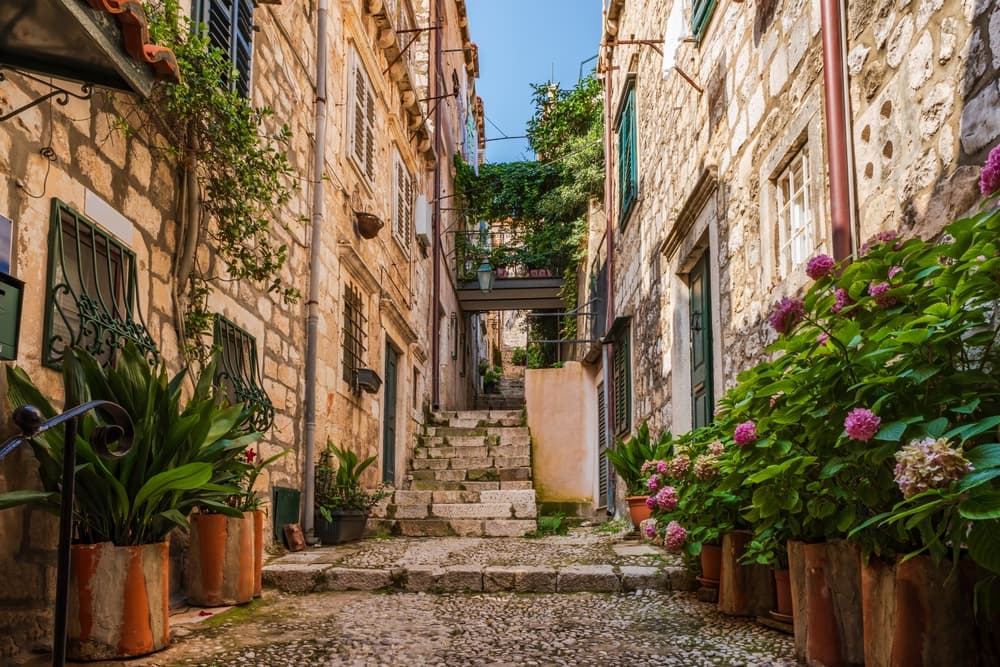
Dubrovnik suits people who want a small, walkable sea town of about 42,000 residents and don't mind sharing it with visitors. Most locals live outside the walls, in Lapad and Gruž, and ride the bus into the old town.
It's a harder fit if you need a big job market, low rent, or quiet summers. From May into early September, crowds and prices climb, and the off-season is when the city feels like a hometown.

Reviewed and updated October 8, 2026 · 3 min read
At a glance
$2,400
Monthly budget · single person
$1,150/mo 1-bed rent, center
80/100
Safety index
$40
Internet / month
61°Fannual average
Jan 46° · Aug 78°
Climate
41,562
Population (2021)
Expatsi estimates, updated Oct 2026, based on rental listings, government statistics, and local reporting.
Cost of living
What it costs to live in Dubrovnik
Single person
$2,000–$2,800/mo
about 25% below Austin, TX
Couple
$2,800–$4,000/mo
about 25% below Austin, TX
Family of four
$4,000–$5,800/mo
about 40% below Austin, TX
Compared with Austin, TX (Expatsi estimate, 2026).
- $16 −20%
- Inexpensive meal
- $950–$1,350/mo −41%
- 1-bed rent, center
- $750–$1,050/mo −33%
- 1-bed rent, outside
- $40/mo −38%
- Internet
- $50/mo +21%
- Transit pass
- $632/sq ft −3%
- Buy price, center
Expatsi estimates, updated Oct 2026, based on rental listings, government statistics, and local reporting.
Daily life
How Dubrovnik lives
- B- grade, 38th percentile among the cities we track
- Dining & caféstypical
- B grade, 46th percentile among the cities we track
- Arts & culturetypical
- C+ grade, 20th percentile among the cities we track
- Parks & outdoorsmodest
- C+ grade, 20th percentile among the cities we track
- Schools & educationmodest
- C grade, 15th percentile among the cities we track
- Healthcare accessmodest
- C- grade, 0th percentile among the cities we track
- Bike infrastructuremodest
- B- grade, 29th percentile among the cities we track
- Public transittypical
- B- grade, moderate physical accessibility
- Accessibilitymoderate
Graded on OpenStreetMap amenity density relative to the 298 cities we track. Accessibility is the exception: it's graded against a fixed standard (terrain steepness and sidewalk surfaces), not a curve.
Climate
Weather through the year
Annual average 61°F (16°C) · 62 in of rain a year · Source: Open-Meteo Historical Weather API (temps: ERA5-Land 0.1°; precip/sunshine: ERA5 best-match; 1991-2020 normals)
On the ground
Scenes from Dubrovnik
Getting around
Transport in Dubrovnik
Most residents get around on foot and by bus. Libertas Dubrovnik runs the city buses, tying the Pile stop just outside the old town walls to Gruž port, Lapad and Babin Kuk, with some lines running out to the airport. Buy tickets ahead at Libertas sales points or newsstands, since paying the driver costs more, and validate when you board: time-based tickets start counting then. Plan on about $50 a month for local transport.
The old town's main street, the Stradun, is a limestone pedestrian street, so you'll walk it rather than drive it. Whether you want a car depends on where you live. In Lapad or Gruž, buses and your own feet cover daily errands; hillside suburbs and trips along the coast are easier with wheels. In peak season, traffic slows around Gruž, Lapad and the roads into the old town, and Pile gets packed on big cruise days.
- 6.7/sq mi
- Transit stops
- 0.0/sq mi
- Bike infrastructure
- 2.4/sq mi
- Wheelchair-accessible places
Mapped features per square mile from OpenStreetMap.
Keep exploring
Places like Dubrovnik
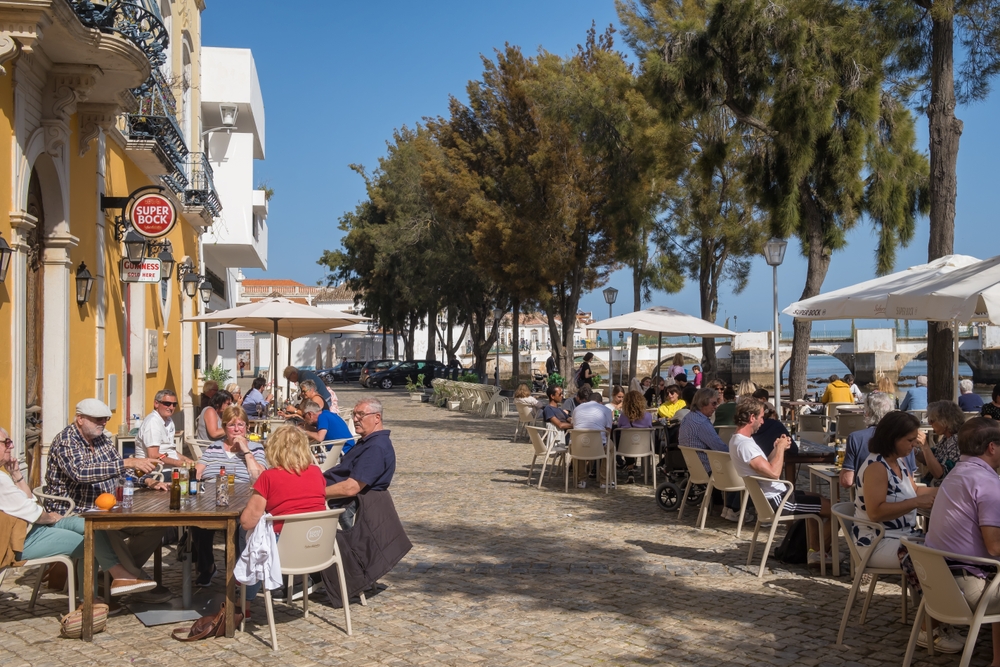
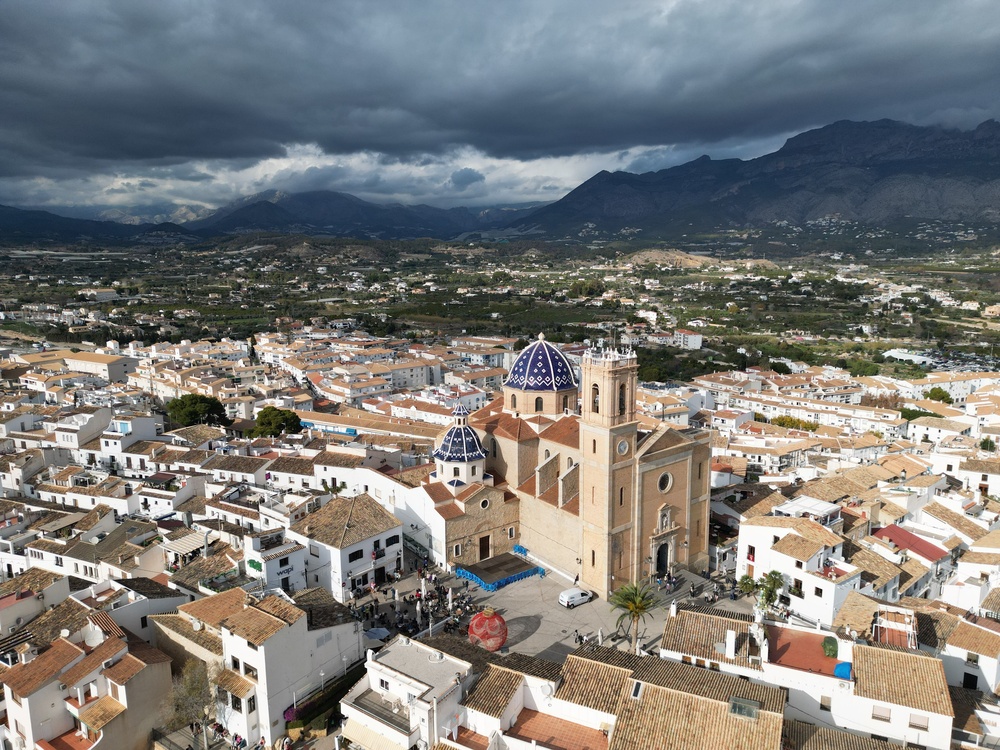
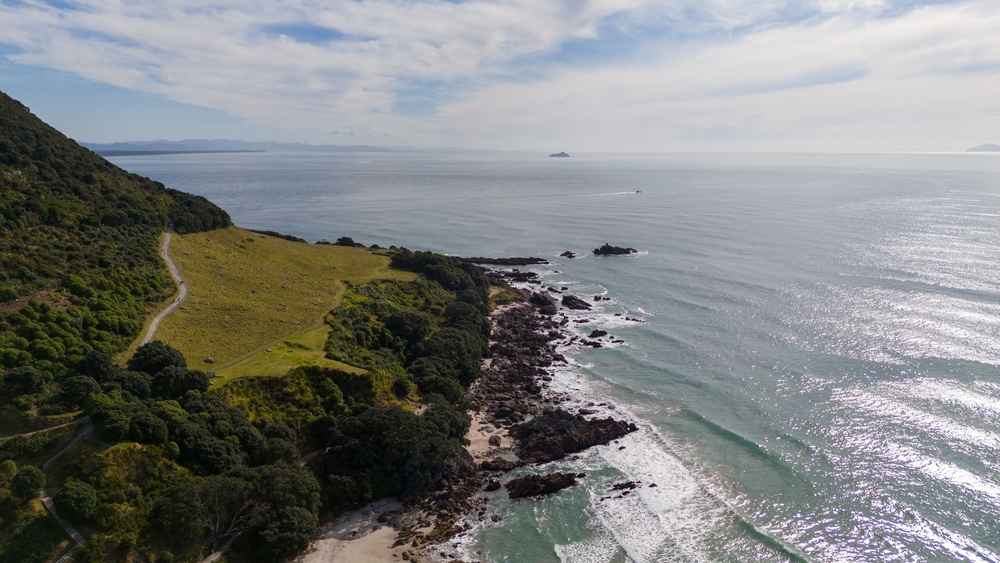
Community & practical notes
Life after the summer crowds thin out
Community
Dubrovnik's expat and remote-worker scene is small and seasonal. One remote worker who lived there found meetups busiest from April through September, with a quieter, smaller group staying on through winter. Expat-run cafes and wine bars double as the places people meet.
Internet and remote work
Home internet runs about $40 a month. As of 2023 the city had no dedicated coworking space, so people work from cafes and hotel lobbies, and Akademis was the closest thing to one. If your income comes from a U.S. employer or clients, start with the Croatia digital nomad visa.
Healthcare
General Hospital Dubrovnik is the city's main hospital and runs a 24-hour duty service, while a handful of polyclinics cover routine care. The U.S. State Department warns that hospitals and doctors often want payment upfront, sometimes in cash. Most U.S. plans don't cover care abroad, so line up coverage before you move. Our Croatia healthcare report explains the public system.
Limited mobility
Think hard about Dubrovnik if steps are a problem for you. The State Department says accessible public transportation is common in Dubrovnik, and the Stradun can be walked or rolled. But accessible tours of the old town have to plan a stair-free route, and even then they can't get wheelchair users inside the historic palace, which tells you how much of the old center depends on steps. Look at flat stretches of Lapad and Gruž, and visit before you sign a lease.
LGBTQ expats
Croatia has recognized same-sex life partnerships since August 2014, with nearly the same rights as marriage, and same-sex couples have been able to adopt jointly since 2022. The constitution limits marriage to a man and a woman. The State Department reports no legal restrictions on same-sex relationships, with isolated incidents of discrimination.
Black Americans
We couldn't find reliable reporting on daily life for Black Americans in Dubrovnik. Read the State Department's race and ethnicity travel guidance for Croatia, and talk to Black expats already living in Croatia before you commit to a lease.
Retiring in Dubrovnik
Retirees who want a walkable seaside base with mild winters do well here: average January highs sit near 51F and lows near 41F. The tradeoffs are wet winters, steps, and summer crowds. Compare residence routes in our retirement visa guide and our guide to moving to Croatia.
Housing
Renting and buying
- 1-bed rent (center)
- $950–$1,350/mo
- 1-bed rent (outside center)
- $750–$1,050/mo
- Buy price (center)
- $632/sq ft
- Buy price (outside center)
- $418/sq ft
Expatsi estimates, based on rental listings, government statistics, and local reporting.
Good to know
Frequently asked questions
What is the weather like in Dubrovnik in winter?
Mild and wet. Average January highs are near 51F with lows near 41F, and November is the rainiest month of the year. Dubrovnik gets about 62 inches of precipitation a year, most of it from fall through early spring.
Can you retire in Dubrovnik?
Yes, and it suits retirees who want a walkable seaside city with mild winters. The tradeoffs are steep steps in the old town, wet winters and busy summers. Your residence route in Croatia depends on where your income comes from, so compare options before you plan a move.
Is Dubrovnik a good place to live year-round?
It can be, if you like a quiet off-season. Crowds and prices climb from May into early September, while winter brings a small, steady expat community and far fewer visitors. Remote workers should know the city has had little dedicated coworking space.
What is the cost of living in Dubrovnik?
A single person in Dubrovnik spends about $2,400 a month, with a typical range of $2,000 to $2,800 (2026 figures in U.S. dollars). A couple spends around $3,400 and a family of four around $4,900. Rent is the largest share, and costs rise in the summer tourist season.
How much is rent in Dubrovnik?
A one-bedroom apartment near the center of Dubrovnik averages about $1,150 a month, usually between $950 and $1,350. Outside the center, expect about $900, usually between $750 and $1,050 (2026 figures). Areas like Lapad and Gruž are where most residents live.
Do you need a car in Dubrovnik?
Not if you live in Lapad or Gruž. Libertas city buses connect those neighborhoods with the old town and the port, and the old town's main street is pedestrian only. A car helps in the hillside suburbs and for trips along the coast, but summer traffic is slow.
Is Dubrovnik safe for Americans?
Yes. Dubrovnik scores 80 out of 100 on our safety index, and the U.S. State Department rates Croatia Level 1, exercise normal precautions, in an advisory issued in May 2026. The usual big-city care around crowded tourist areas still applies.
See how Dubrovnik fits your life
Take the free Expatsi Test and compare Croatia to over 100 countries on what actually matters: cost, healthcare, climate, and safety. About five minutes.
Why not you?