Guide to moving to Egypt
Living in Egypt as an American: residence routes, real costs and honest risks
Egypt has no retirement or nomad visa, so Americans who stay long term do it through property, a bank deposit, a job, school or marriage. Here's what each route takes, and what daily life costs once you're there.
The legal ways to stay, what Cairo and the Red Sea cost in 2026, and the risks worth weighing first. Checked against government and on-the-ground sources in September 2026.

Reviewed and updated September 27, 2026 · 13 min read
01 · The draw and the drawbacks
What life in Egypt offers, and what it asks of you
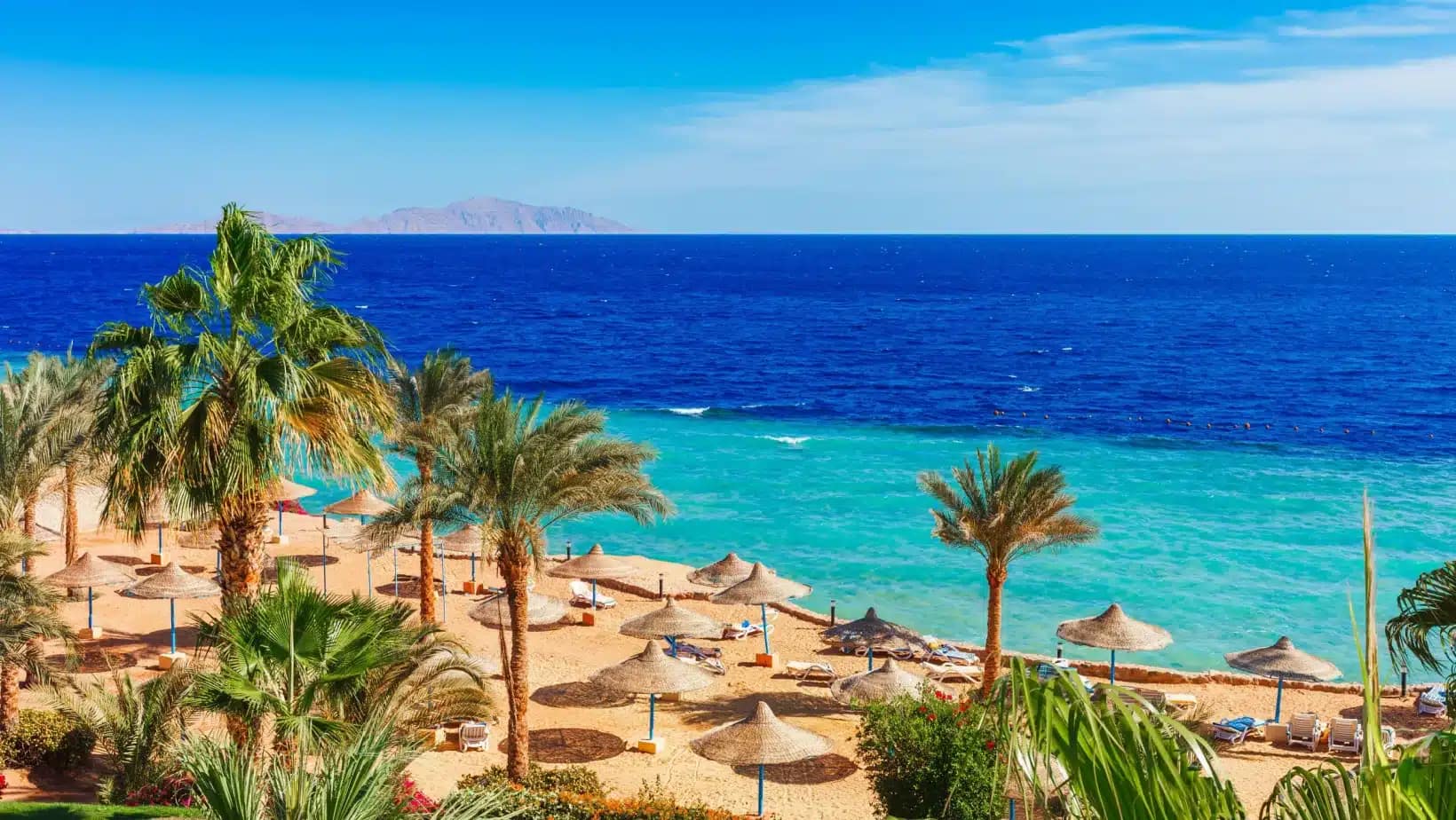
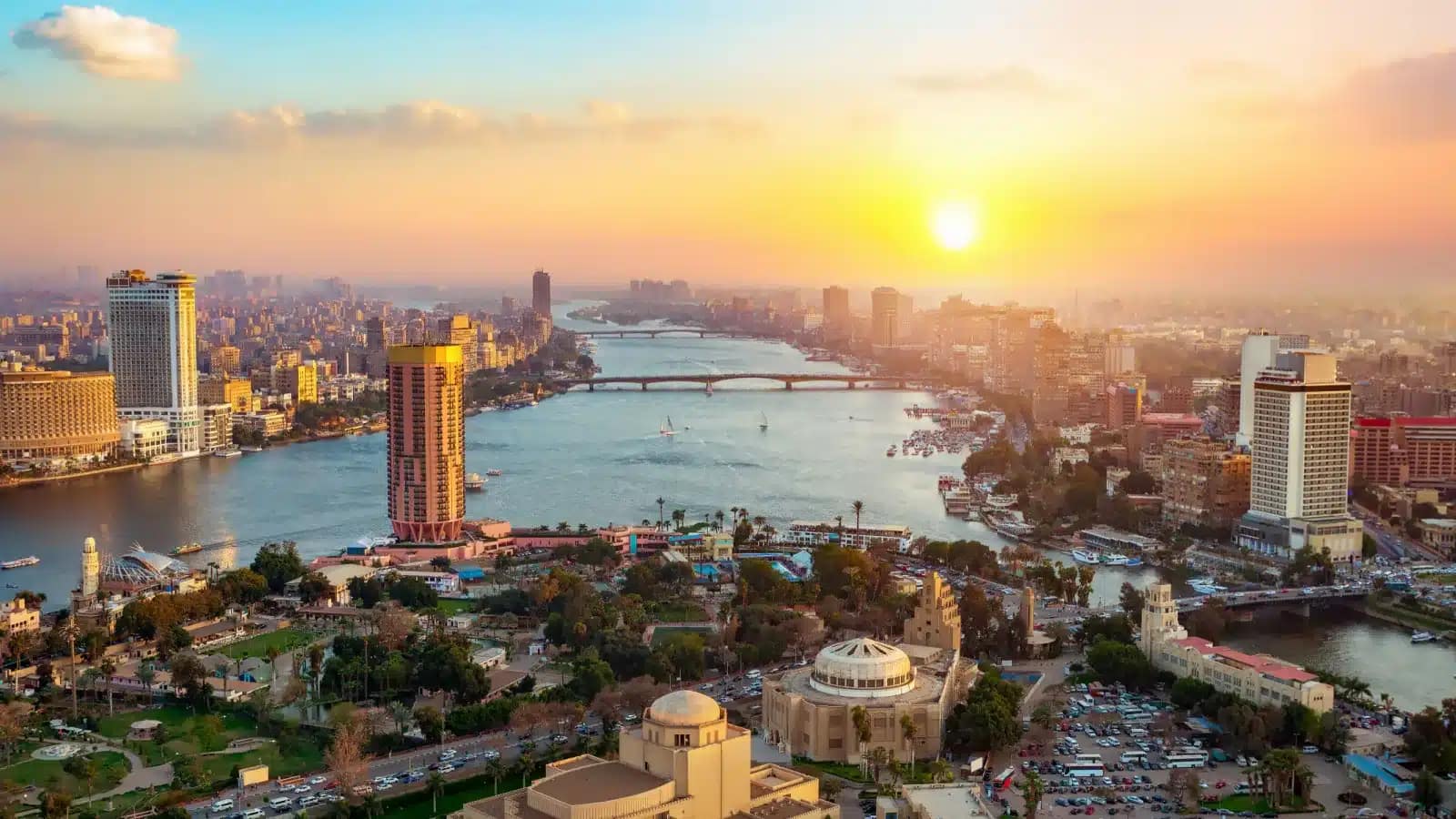
Egypt is a country of about 117 million people, most of them living along the Nile and its Delta, with two very different coasts: the Mediterranean at Alexandria and the Red Sea at Hurghada and the Sinai resort towns. For Americans, the draw usually comes down to three things: history you live next to instead of flying in to see, sun (our data counts about 320 sunny days a year), and a monthly budget that's a fraction of what the same life costs at home.
The official costs of staying are modest, too. Once you have a route that qualifies, a residence permit runs about EGP 533 a year, roughly $10, according to a 2026 guide for retirees.
Getting here is simpler than it used to be. EgyptAir flies nonstop to Cairo from New York JFK, Newark and Washington Dulles, and it scheduled Los Angeles and Chicago service to begin in May and June 2026. Americans can land on a 30-day visa bought online or at the airport, making a scouting trip easy to set up.
And you can keep your U.S. passport. Egypt allows dual citizenship with Interior Ministry approval, so an American who eventually naturalizes doesn't have to give up U.S. citizenship.
Here's the catch
Egypt asks more of newcomers than most places Americans shortlist, and it's better to hear that now.
There's no retirement visa, no digital nomad visa and no permanent residency. Everyone lives on temporary permits that have to be renewed. If you're used to countries that give retirees a clear income test, Egypt's system will feel improvised. Most foreigners who stay long term qualify through property, a bank deposit, a job with an Egyptian employer, study or marriage to an Egyptian.
Working on tourist status isn't allowed, and a Cairo law firm writing in August 2026 described the legal position of remote work for foreign employers as unsettled. If you plan to keep a remote job, go in knowing that.
Safety needs a clear-eyed look. The State Department rates Egypt Level 2, Exercise Increased Caution, and says not to travel to North and Middle Sinai, the Western Desert (outside licensed tours) or the border areas. Personal freedoms are narrower than at home: the State Department reports that authorities have used dating apps to entrap gay people on "debauchery" charges that carry up to 10 years in prison. It lists harassment of women, foreigners included, as a problem.
Money and infrastructure can wobble. Prices are rising at double-digit rates, and summer 2026 brought hours-long power cuts in several governorates, the Red Sea among them, despite official promises that there wouldn't be any.
People who do well here tend to be curious and flexible: they pick up some Arabic, build a local network, and treat the bureaucracy as part of the deal rather than an insult.
If you have income from outside Egypt, patience for paperwork that's mostly in Arabic, and a strong pull toward the place, the rest of this guide shows how people make it work.
- Cost of living (single)
- $550/mo
- Safety index
- 45/100
- English proficiency
- 35/100
- Internet speed
- 35 Mbps
- Language
- Arabic
- Currency
- Egyptian Pound (EGP)
02 · The numbers
What a month in Egypt costs
$950
Monthly budget, couple
national average
$550
Monthly budget, single
national average
$1,600
Monthly budget, family
national average
$150
Rent, 1-bed city center
$100 outside center
$4
Inexpensive meal out
local restaurants
$6
Monthly transit pass
public transit
$13
Home internet, monthly
about 35 Mbps
12.7%
Urban inflation, August 2026
rents up 28% in a year
Why Cairo's expat rents don't match the averages
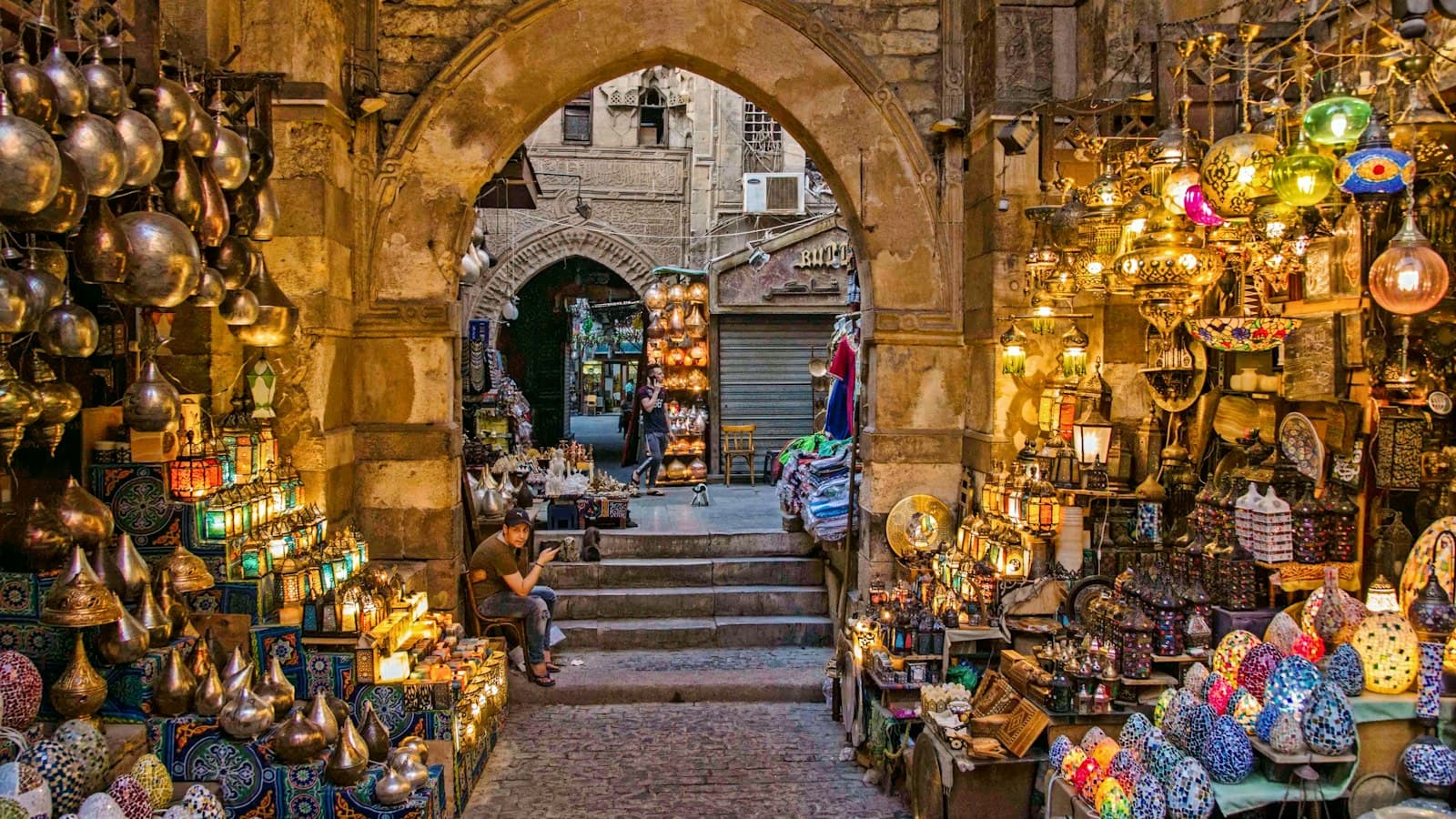
Those budgets are national averages, holding up best away from the neighborhoods foreigners tend to choose. Everyday spending on food, transit and internet is where Egypt's low prices hold nearly everywhere.
Housing is the number to pressure-test. A 2026 rental guide puts two-bedroom apartments in Cairo's Maadi at EGP 35,000 to 80,000 a month, roughly $670 to $1,540 at about 52 pounds to the dollar, and in Zamalek at EGP 45,000 to 110,000. Leases usually run 12 months, paid quarterly in advance, with one to three months as a deposit. On the Red Sea in Hurghada, a one-bedroom goes for about $300 to $500.
The exchange rate is the other swing factor. The pound has moved between roughly 47 and 55 to the dollar since Egypt floated it in March 2024, so a dollar income buys more in some years than others. With prices climbing this fast, build some slack into your budget.
If you rent in Maadi or Zamalek, expect your total to land well above the national figures, since rent alone can match what the averages allot for everything.
No income test, so your budget won't get you a visa
In a lot of countries, a retiree's pension is what qualifies them. Egypt doesn't work that way: it has no retirement visa and publishes no income floor. What gets most Americans long-term status is an asset (property or a deposit in an Egyptian bank), a sponsor (an employer or a school) or a spouse. Plan the move around which of those you have, then check the budget.
03 · Legal ways to stay
How Americans stay in Egypt long term
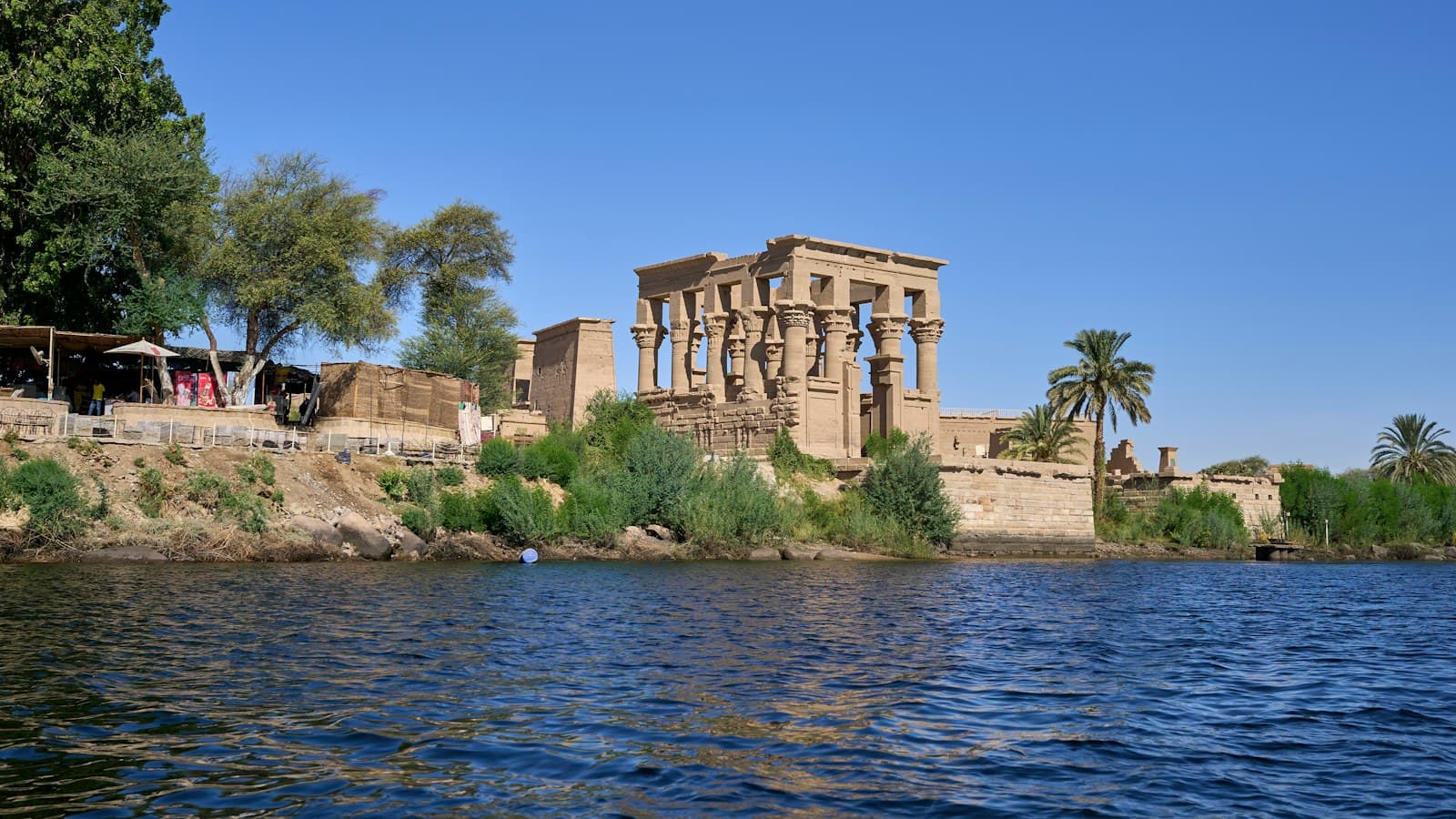
Egypt's residence system is built around what ties you to the country, not how much you earn. Here's each route an American is likely to use, starting with how you get in the door.
Getting in: the 30-day visa
Americans can buy a tourist e-visa on Egypt's official portal: $30 for single entry or $65 for multiple entries, as of September 2026. On arrival, the State Department lists a 30-day visa at $36 by card at Cairo International Airport or $30 in U.S. cash at other entry points, and a QR-code version launched at Cairo airport in August 2026. Through the embassy in Washington, a 5-year multiple-entry visa costs $707. Prices are about to move: a prime minister's decree sets a $15 administrative fee on entry visas from January 2027, and final prices hadn't been announced when we checked. Overstay, and you can be fined at the airport on the way out.
Staying on: extensions and tourist residence
Plenty of people start by extending their stay inside Egypt at the Passports, Immigration and Nationality Administration in Abbassia, Cairo, or another Interior Ministry office. You'll need proof that you changed dollars into pounds at a bank or approved exchange to pay the fee. Treat this as a bridge, not a plan: extensions can be refused or shortened, tourist residence gives no right to work, and renewals are at the office's discretion.
Buying property
Owning a home in Egypt can support a residence permit, and your spouse and minor children can be included. Practitioners cite a ladder of $50,000 for one year, $100,000 for three years and $200,000 for five, but Egypt hasn't published it. Confirm the current tiers with the authorities before you wire money. The purchase money has to come from abroad in foreign currency. Foreigners can own up to two homes and 4,000 square meters in total, and in South Sinai resort areas like Sharm el-Sheikh and Dahab you get a 99-year right of use rather than full ownership. Registration costs 1% of the declared value, a seller pays 2.5% of the gross sale price, and if you sell without buying again, the residence ends.
Parking money: the bank deposit route
A deposit in an Egyptian bank can do the same job as property. The figures cited are $50,000 for one year and $100,000 for three, again unpublished by the government, so get them confirmed first.
Working for an Egyptian employer
Work residence is typically one year and renewable, and your employer applies for the permit under Egypt's 2025 labor law. Foreign staff can't exceed 10% of a company's Egyptian workforce, and renewals have to be filed at least two months before the permit expires.
Married to an Egyptian
A foreign spouse can get family residence for up to five years at a time.
Studying
Student residence runs one year and renews, and it's often called the simplest route. It fits Americans enrolled at an Egyptian university or school.
Citizenship, eventually
There's no permanent residency, but foreigners who've lived in Egypt for more than 10 years can apply for citizenship. Egypt also sells citizenship: $250,000 as a non-refundable donation, $300,000 in government real estate, $350,000 in a business plus a $100,000 donation, or a $500,000 deposit returned in pounds after three years without interest. Once you're Egyptian, Egypt treats you only as Egyptian, which limits what the U.S. Embassy can do if you're detained, and you'll need an Egyptian passport to enter and leave.
Which route fits you
If your money comes from savings and you'd like a home base, property is the natural fit, and a deposit works if you'd rather not buy. If you're coming for a job, your employer carries the paperwork. If you're married to an Egyptian, family residence is the most direct path. And if you're still deciding, a few months on tourist extensions lets you test Cairo or the coast before you commit money. Whatever you pick, keep copies of every bank transfer and exchange receipt: in Egypt, the paper trail is part of the application.
Residence Visa
Long-stay residence for owners, workers and spouses
The umbrella for property, deposit, work and family residence. Terms run one to five years depending on the route, and none of them turns into permanent residency.
- Valid passport
- Proof of long-term stay (work, family, etc.)
- Consular application
Student Visa
One year at a time, renewable
For Americans enrolled at an Egyptian university or school. Often described as the simplest way to hold residence in Egypt.
- Valid passport
- Letter of acceptance from Egyptian institution
- Consular application
04 · Day-to-day essentials
Healthcare, taxes, banking and staying safe

Healthcare
Plan on private care. Egypt's public system is underfunded. Expats use private hospitals, where many doctors speak good English. Private hospitals expect payment up front and your insurer reimburses you afterward, so keep a credit card with room available on it. The public ambulance (dial 123) is unreliable, so expats usually get themselves to a private hospital or call one directly. Pharmacies sell many medicines without a prescription, but counterfeit drugs are a real risk. The State Department also flags limited emergency medical facilities, and a 2026 retirement guide advises carrying medical evacuation coverage for serious conditions. Hunter Schultz, our healthcare coach, and ExpatInsure, our insurance partner, can help you build that plan before you go.
Taxes
You'll file with the IRS every year no matter where you live, and Egypt may tax you too. You become an Egyptian tax resident after more than 183 days in the country within 12 months or if you keep a permanent home there. Residents are taxed on income earned inside and outside Egypt. Rates run from 0% to 27.5%, with the top rate starting above EGP 1.2 million, about $23,000. The U.S. and Egypt have had an income tax treaty since 1980. MyExpatTaxes handles the U.S. return from abroad; get Egyptian advice on the local side before you pass 183 days.
Banking and money
Egypt's rules don't stop non-resident foreigners from opening an account, though a residence permit makes it much smoother. Expats commonly bank with National Bank of Egypt, Banque Misr or CIB, and most keep two accounts: pounds for daily spending and dollars or euros for savings. Don't travel with big piles of cash: the State Department says bringing more than $10,000 into or out of Egypt is illegal and the excess can be seized. Moneycorp, our currency partner, moves money by bank transfer, which also leaves the paper trail that property and deposit residence depend on.
Safety and daily life
The State Department's Level 2 rating, issued in July 2025, held through the regional conflict in March 2026, when the U.S. Embassy in Cairo said it was open and operating normally. The embassy's advice for Americans living there is plain: enroll in STEP, avoid demonstrations and large gatherings, and keep a low profile. A few rules trip newcomers up. Any drone, even a small one, is banned. It's illegal to photograph police stations and military barracks. With outages back in summer 2026, ask any landlord about backup power.
Moving with a pet
Dogs and cats need a health certificate endorsed by the USDA through its online VEHCS system. Starwood Pet Travel handles the certificates, airline rules and crates end to end.
Rules here move fast
Egypt raised its visa fees in 2026, set a new visa levy for January 2027 and rewrote its labor law in 2025. The property and deposit residence tiers aren't officially published at all. Everything here reflects what we could verify as of September 2026. Confirm current figures with the immigration office or a licensed professional before you move money or book a flight.
05 · Picking a base
Where Americans settle in Egypt
Most foreigners land in one of three settings: a Cairo neighborhood, Alexandria or a Red Sea town.
In Cairo, Maadi is the long-standing expat district; green and walkable in parts, families like its international schools. Zamalek, an island in the Nile, is compact and central, home to embassies and popular with singles, couples and diplomats, though parking and traffic are a slog. New Cairo's gated compounds offer round-the-clock security and schools inside the gates, but you'll drive everywhere. Heliopolis, close to the airport, costs less than Zamalek or Maadi.
Alexandria draws teachers, retirees and remote workers who want the Mediterranean and less congestion than the capital.
On the Red Sea, Hurghada's foreign community is mostly European retirees, remote workers and people in hospitality, with direct flights to major European cities in four to five hours. Expect intense heat in July and August. Sharm el-Sheikh and Dahab sit in South Sinai, outside the State Department's do-not-travel zone further north.
Before you sign a lease, spend a few weeks in your top pick in July or August. Summer heat, traffic and the odd outage are what separate a neighborhood you love on vacation from one you can live in all year.
Egypt city guides
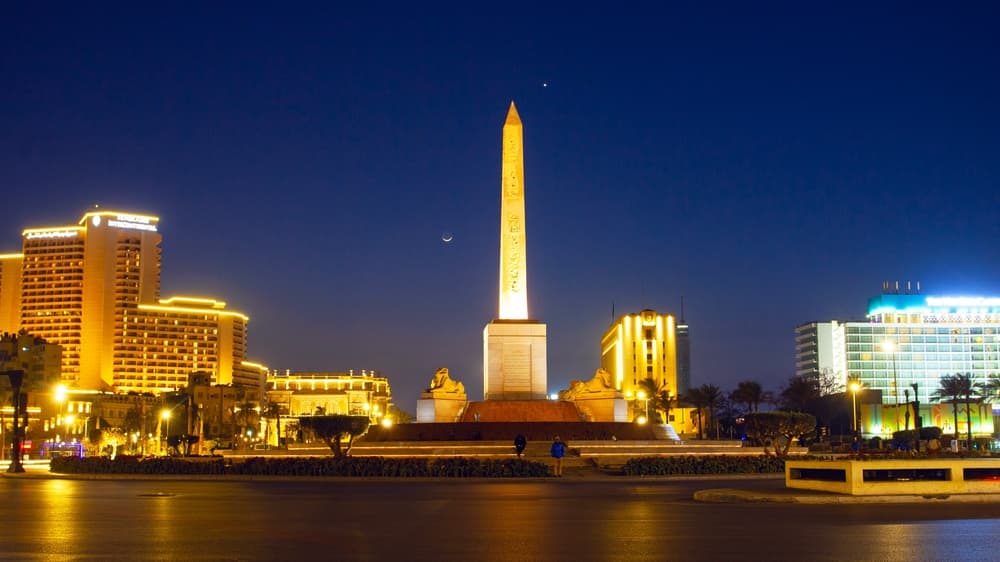
Cairo
Megacity with Nile views
The capital is huge, loud and layered, with Maadi and Zamalek as the expat bases, a metro, and the Pyramids at the city's edge. Cheap services, great food and nonstop flights from New York, Newark and Washington Dulles. The catch is the traffic, air quality and no retirement visa, so everyone lives on renewable permits.
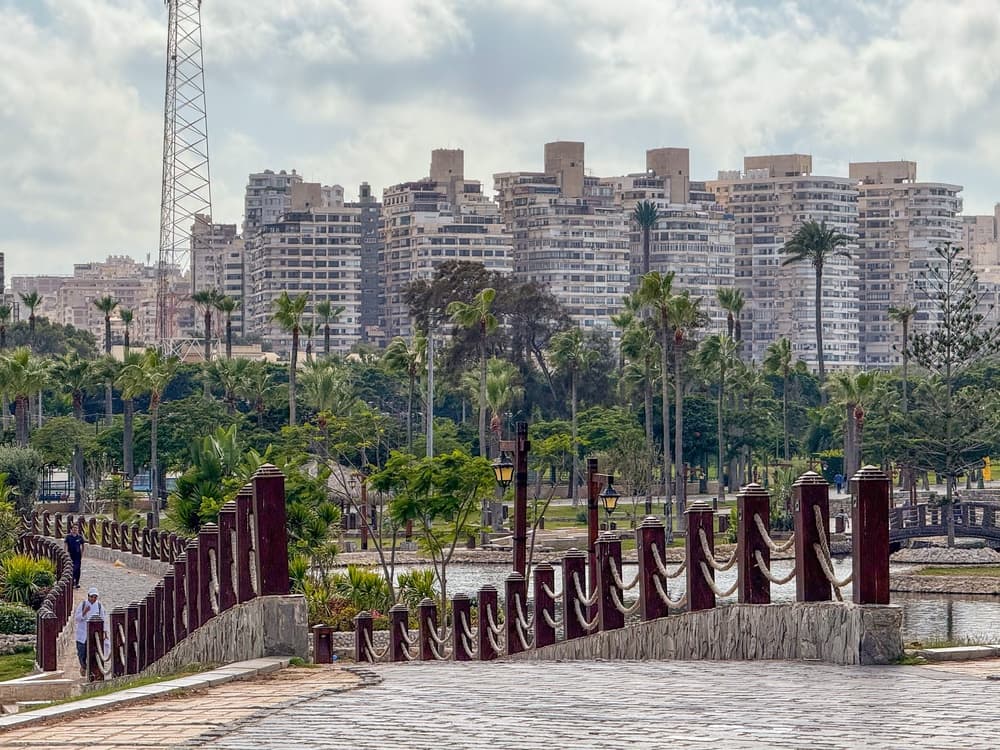
Alexandria
Mediterranean old port
A faded cosmopolitan port with a long Corniche, seafood restaurants and cafes that still feel Greek and Italian in places. Cooler and breezier than Cairo, and cheaper. The catch is the dated housing stock and winter storms that flood streets.

Hurghada
Red Sea resort town
A long strip of resorts, dive centers and expat-run cafes along the Red Sea, with sun nearly every day and reef snorkeling from the shore in places. Cheap rent on an annual lease and a large European community. The catch is that it's a resort strip with little local culture, and summer afternoons get very hot.
06 · Help on the ground
Your move team for Egypt
Egypt rewards people who line up help early. The residence tiers are unpublished, much of the paperwork is in Arabic, and fees have changed often enough that last year's blog post may already be wrong. These are Expatsi-vetted partners who can take pieces of the move off your plate, grouped by what they handle. None of them works only in Egypt, so ask each one how much Egypt experience they bring. Start with the healthcare pair and a tax conversation, since those are the two areas where a mistake costs the most, then bring in the rest as your plans firm up.

Plan-B Outbound Migration
Multi-Country Visa Support
A U.S.-based consultancy focused on outbound migration, second citizenship, and residence and golden visa programs. Worth a call if you're weighing Egypt's property, deposit or citizenship-by-investment routes against other countries.
Learn more
Hunter Schultz
Healthcare Coach
A healthcare coach with more than 20 years of living abroad and a background in air medical transport. His one-hour consultation turns your health needs into a care plan for your destination, which matters where you'll lean on private hospitals.
Learn more
ExpatInsure
Global Health Insurance
Expatsi's international health insurance partner, arranging the private coverage you'll depend on in a country where hospitals ask for payment before they treat you.
Learn more
MyExpatTaxes
U.S. Expat Tax Service
Tax software built for Americans abroad, filing U.S. returns since 2018, with e-filing and support for more complicated cases.
Learn more
Beacon Global Advisors
Financial Planning
Financial planners for Americans abroad who keep 401(k)s, IRAs and investment accounts working after you leave the U.S.
Learn more
Moneycorp
Currency Exchange
A currency and international payments firm operating since 1979. Handy for the documented transfers from abroad an Egyptian property purchase requires, and for regular transfers to cover rent.
Learn more
Starwood Pet Travel
Pet travel and transport
An international pet transport company for dogs and cats that manages health certificates, USDA endorsements, crate rules and airline bookings from start to finish.
Learn more
Culturosity Co.
Cultural Skills Coach
Intercultural training from co-founders Jennifer and Janka through one-on-one coaching and group workshops, built to help you adjust to daily life in a new culture.
Learn more07 · Straight answers
Egypt questions Americans ask most
Can I keep my U.S. citizenship if I become an Egyptian citizen?
Yes. Egypt allows dual citizenship with approval from the Ministry of Interior. Inside Egypt, though, dual nationals are treated only as Egyptian citizens, which limits U.S. consular help, and they must enter and leave on an Egyptian passport.
Can I work remotely for a U.S. company while living in Egypt?
It's a gray area. Egypt has no digital nomad visa, working on tourist status isn't permitted, and a Cairo law firm described the legal position of remote work for foreign employers as unsettled as of August 2026. Get local legal advice before you base a move on a remote job.
Does Egypt have a retirement visa for Americans?
No. Egypt has no dedicated retirement visa and no income-based route for retirees. Americans who retire there usually qualify through owning property in Egypt or holding a deposit in an Egyptian bank. The government doesn't publish the thresholds for either, so confirm the current figures with the immigration authorities before sending money.
Is Egypt safe for Americans to live in?
The U.S. State Department rates Egypt Level 2, Exercise Increased Caution, and advises against any travel to North and Middle Sinai, the Western Desert outside licensed tours, and border areas. It also flags opportunistic crime such as pickpocketing and harassment. The U.S. Embassy recommends enrolling in STEP and avoiding demonstrations.
Can Americans buy property in Egypt?
Yes. Foreigners can own up to two residential units, the purchase money must come from abroad in foreign currency, and agricultural land is off-limits. In South Sinai resort areas such as Sharm el-Sheikh and Dahab, foreigners get a 99-year right of use instead of full ownership. Owning a home can also support a residence permit.
Does Egypt offer permanent residency?
No. Egypt issues only temporary residence permits, lasting one to five years depending on the route, and they have to be renewed. After more than ten years of residence, a foreigner can apply for Egyptian citizenship.
How long can Americans stay in Egypt on a tourist visa?
A standard tourist visa allows 30 days. You can apply to extend it at an Interior Ministry passports office, but extensions can be refused or shortened and don't allow work, so treat them as a bridge while you set up a proper residence permit.
Will I pay Egyptian taxes as an American living in Egypt?
You may. Spending more than 183 days in Egypt within 12 months, or keeping a permanent home there, makes you an Egyptian tax resident, taxed on worldwide income at rates up to 27.5%. You'll still file a U.S. return every year, and the U.S.-Egypt income tax treaty from 1980 applies to people with income in both countries.
Sources
- Egypt Travel Advisory (Level 2, July 2025) · U.S. Department of State (checked September 2026)
- Egypt International Travel Information · U.S. Department of State (checked September 2026)
- Security Alert: Egypt #3 (March 2026) · U.S. Embassy in Egypt (checked September 2026)
- Egypt e-Visa Portal FAQ · Government of Egypt (checked September 2026)
- Visa Requirements · Embassy of Egypt, Washington (checked September 2026)
- Egypt to raise entry visa fees starting January 2027 · Egypt Independent (checked September 2026)
- Retire in Egypt 2026: residence routes and real costs · The Rio Times (checked September 2026)
- Buying Property in Egypt as a Foreigner: 2026 Field Guide · ResidenceInvest (checked September 2026)
- Can Foreigners Work in Egypt? (August 2026) · Essam Hamed Law Firm (checked September 2026)
- Egypt: Individual taxes on personal income and residence · PwC (checked September 2026)
- Egypt's annual inflation falls to 12.7% in August · Amwal Al Ghad (CAPMAS data) (checked September 2026)
- Healthcare in Egypt · Expat Arrivals (checked September 2026)
- Living in Cairo as an Expat: 2026 Guide · House Solution Egypt (checked September 2026)
- Cost of living and country data for Egypt · Expatsi (checked September 2026)
Find out if Egypt belongs on your shortlist
The free Expatsi Test compares Egypt with other countries on cost, healthcare, climate and safety, based on what matters to you.
Why not you?