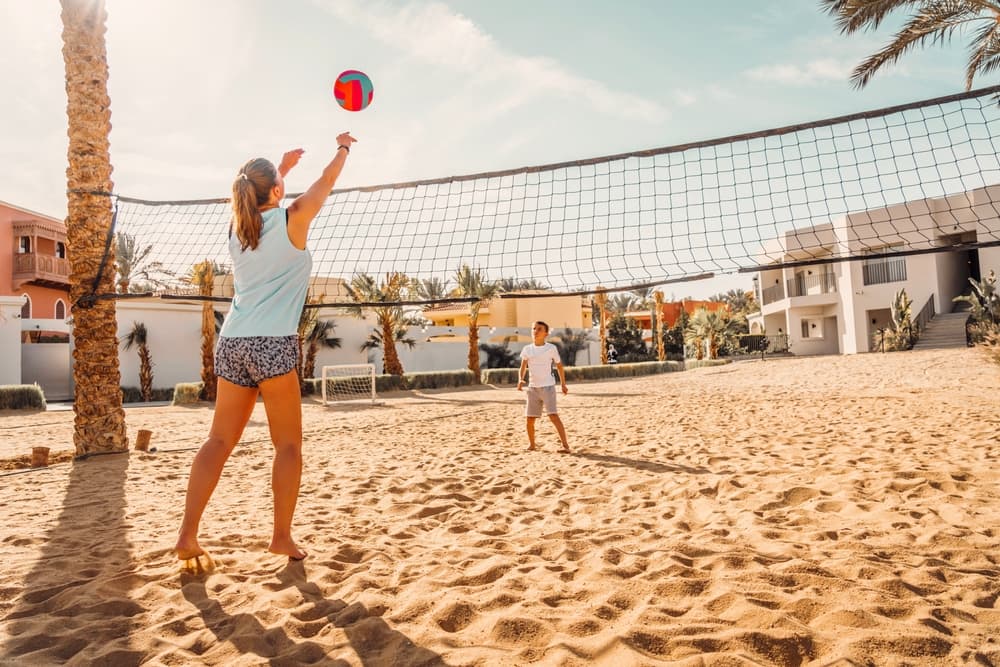
Living in Hurghada, Egypt's Red Sea dive town
Cost of living, safety and retiring on a sunny strip of reefs and resorts, where the foreign crowd is mostly European and it barely ever rains.
- 214,247
- Population (2023)
- $1,000/mo
- Monthly budget · single
- 78°F / 25°C
- Avg temperature
Plan on around $1,000 a month in U.S. dollars for one person in Hurghada, with most single budgets landing between $800 and $1,200. A couple spends about $1,500, and a family of four about $2,200. A one-bedroom near the center rents for about $400, or about $300 farther out. Those are our 2026 estimates.
The town strings resorts, dive centers and apartment blocks along the Red Sea, and it suits divers, snorkelers, remote workers and retirees who want sun nearly every day. The whole year brings less than an inch of rain, and January highs sit near 72F.
Here's the catch: summer. Average highs reach about 99F in July and August, when daily life shrinks to the sea, the pool and air conditioning. Most foreign residents are European, so Americans are a small minority here, and the resort strip offers less local culture than Cairo or Alexandria.

Reviewed and updated October 15, 2026 · 4 min read
At a glance
$1,000
Monthly budget · single person
$400/mo 1-bed rent, center
56/100
Safety index
$10
Internet / month
78°Fannual average
Jan 62° · Aug 91°
Climate
214,247
Population (2023)
Expatsi estimates, updated Oct 2026, based on rental listings, government statistics, and local reporting.
Cost of living
What it costs to live in Hurghada
Single person
$800–$1,200/mo
about 70% below Austin, TX
Couple
$1,200–$1,800/mo
about 65% below Austin, TX
Family of four
$1,700–$2,600/mo
about 70% below Austin, TX
Compared with Austin, TX (Expatsi estimate, 2026).
- $4 −80%
- Inexpensive meal
- $350–$450/mo −79%
- 1-bed rent, center
- $250–$350/mo −78%
- 1-bed rent, outside
- $10/mo −85%
- Internet
- $102/sq ft −84%
- Buy price, center
Expatsi estimates, updated Oct 2026, based on rental listings, government statistics, and local reporting.
Daily life
How Hurghada lives
- C grade, 15th percentile among the cities we track
- Dining & cafésmodest
- C grade, 10th percentile among the cities we track
- Arts & culturemodest
- C+ grade, 18th percentile among the cities we track
- Parks & outdoorsmodest
- B- grade, 27th percentile among the cities we track
- Schools & educationtypical
- C grade, 9th percentile among the cities we track
- Healthcare accessmodest
- C- grade, 0th percentile among the cities we track
- Bike infrastructuremodest
- C- grade, 4th percentile among the cities we track
- Public transitmodest
Graded on OpenStreetMap amenity density relative to the 369 cities we track. Accessibility is the exception: it's graded against a fixed standard (terrain steepness and sidewalk surfaces), not a curve.
Climate
Weather through the year
Annual average 78°F (25°C) · 1 in of rain a year · Source: Meteostat station normals (62463, 1991-2020; no sunshine data); sunshine: Hurghada 1961–1990 via en.wikipedia.org/wiki/Hurghada
On the ground
Scenes from Hurghada
Getting around
Transport in Hurghada
Hurghada has no formal public transit system. What it has instead are white microbuses: privately owned vans that run along the main roads from around 6 AM until past midnight. There are no fixed stops or route maps. You wave one down from the roadside and tell the driver where to let you off. A ride costs about 5 to 10 Egyptian pounds, under 25 cents, as of December 2025.
Uber and Careem both work in town, and they spare you the haggling. Street taxis are plentiful, but agree on the fare before you get in and carry cash. A ride across central Hurghada runs about 50 to 100 pounds, or $1 to $2.
Walking works in pockets. The Marina is pedestrianized and pleasant for an evening stroll, while sidewalks in the older El Dahar district are uneven or missing entirely. Cycling on the city's main roads isn't safe, though El Gouna, a planned resort town to the north, has dedicated bike paths.
You can live here without a car if you stay near the Marina or downtown. Plenty of long-term residents buy or rent one anyway, especially in outlying compounds like Sahl Hasheesh, where a microbus won't come to your door.
- 0.1/sq mi
- Transit stops
- 0.0/sq mi
- Bike infrastructure
- 0.4/sq mi
- Wheelchair-accessible places
Mapped features per square mile from OpenStreetMap.
Keep exploring
Places like Hurghada
Takoradi
Ghana
389.1K people · $1,100/mo
Kumasi
Ghana
3.9M people · $1,000/mo
 Coming soon
Mombasa
Kenya
1.2M people · $1,200/mo
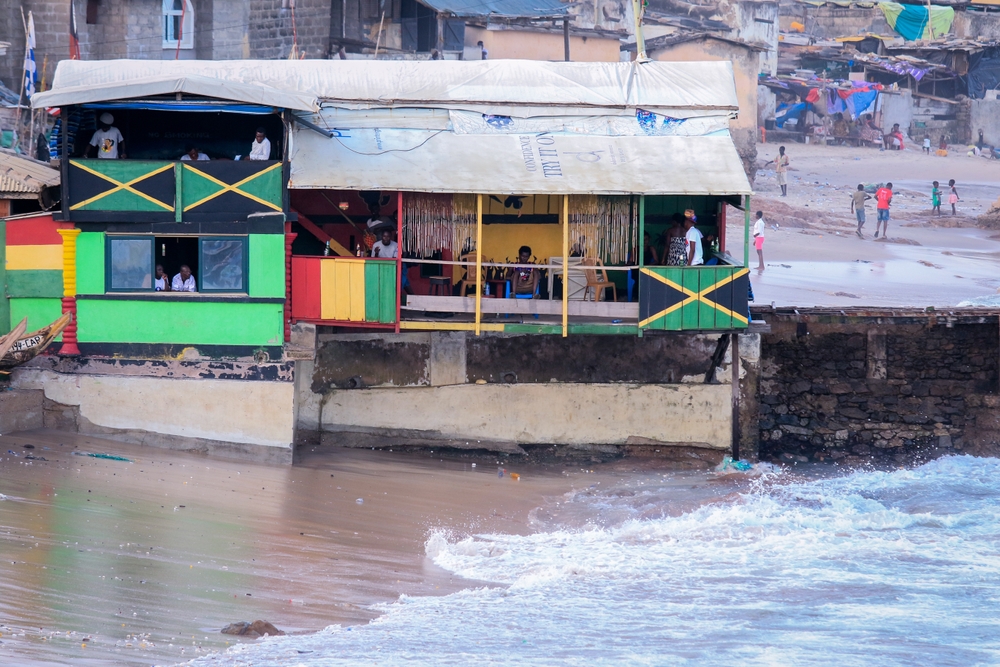
Cape Coast
Ghana
189.9K people · $900/mo
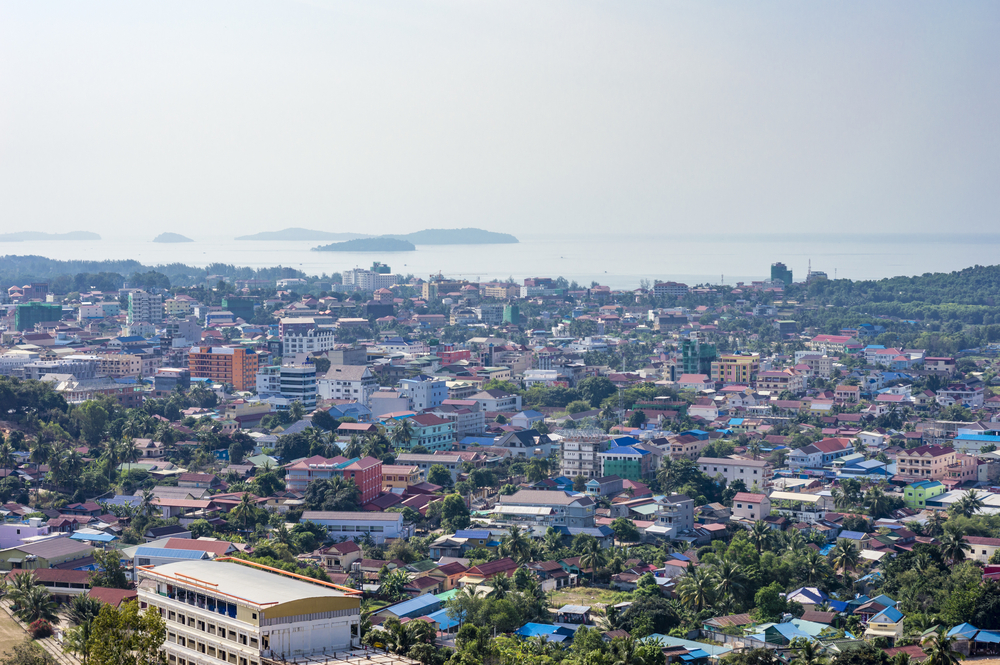 Coming soon
Sihanoukville
Cambodia
71.1K people · $1,100/mo
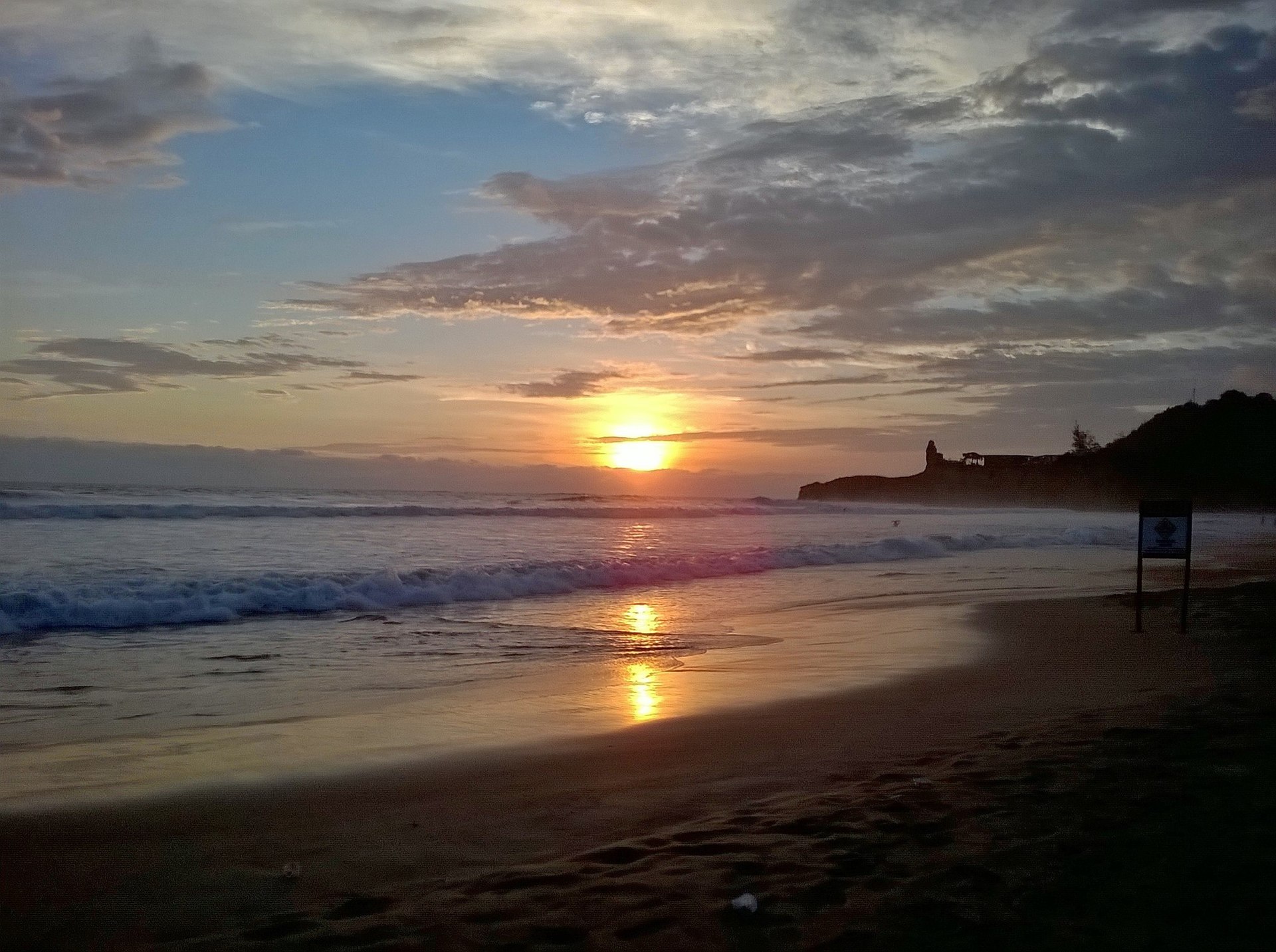
Salinas
Ecuador
35.1K people · $1,200/mo
Community & practical notes
Day-to-day life on the Red Sea
The expat scene: Hurghada's foreigners are mostly European, with large German, British and Eastern European communities, plus retirees, dive instructors and remote workers. English is widely spoken in tourist and expat areas. Long-term residents tend to settle in central El Kawther and El Mamsha; Sahl Hasheesh, south of town, draws retirees and buyers. El Gouna appeals to people who want a self-contained, more upscale compound life.
Healthcare: Plan on private care and bring cash. The UK government's list of medical facilities names several private hospitals in the area, including Nile Hospital, El Salam Hospital and El Gouna Hospital. The State Department warns that emergency and intensive care are limited in Egypt, that most providers don't take U.S. insurance, with many accepting only cash. Medicare won't cover you. International health coverage with medical evacuation is the sensible baseline since serious cases may mean a transfer to Cairo.
Diving safety: The State Department reports multiple fatal accidents on Red Sea tourist boats, including dive boats. Check an operator's safety record and equipment before you book, and don't skip dive insurance.
Remote work: Home internet runs about $10 a month. Keep a mobile data plan as backup. Egypt's legal stance on working remotely for a foreign employer is unsettled, so read the residence section of our Egypt moving guide before you count on it.
Schools: MES International School Hurghada teaches the American Diploma Program. El Gouna International School follows the English National Curriculum for ages 4 to 18, and Deutsche Schule Hurghada teaches in German.
Women living alone: The State Department lists harassment of women, foreigners included, as a problem in Egypt, with groping reported in taxis and public places. Booking rides through an app and living in a compound or busy central street both help.
LGBTQ expats: Be realistic about the risks. The State Department says same-sex relationships aren't illegal, but gay and lesbian people face significant discrimination. Many report harassment and arrests by police, who have even detained people for carrying rainbow flags. There's no visible community here, and residents keep their private lives private.
Black Americans: We didn't find reliable, current accounts of daily life for Black Americans in Hurghada, and the State Department's Egypt page doesn't cover race. Before you sign anything, spend a few weeks here and talk with Black expats living in Egypt about what to expect.
Limited mobility: Tough. The State Department says most businesses and public places in Egypt lack disability access and that sidewalks are often uneven or taken over by cars and motorcycles. Microbuses have high steps and narrow doors. The pedestrianized Marina and newer resort compounds are the easiest places to get around, so look there and confirm the building has a working elevator.
Retirement: Hurghada fits retirees who want warm winters, the sea and a couple's budget near $1,500 a month. Egypt has no specific retirement visa, so most retirees qualify through property or a bank deposit instead. Our retirement visa guide compares countries that do offer one, and our Egypt moving guide explains each route here.
Housing
Renting and buying
- 1-bed rent (center)
- $350–$450/mo
- 1-bed rent (outside center)
- $250–$350/mo
- Buy price (center)
- $102/sq ft
- Buy price (outside center)
- $74/sq ft
Expatsi estimates, based on rental listings, government statistics, and local reporting.
Good to know
Frequently asked questions
How hot does Hurghada get in summer?
Very hot. Average daily highs in Hurghada reach about 99F in July and August, and nighttime lows stay in the low 80s. Winters are mild, with January highs near 72F, and the town gets less than an inch of rain in a typical year.
Do you need a car in Hurghada?
Not if you live near the Marina or downtown Hurghada. Microbuses run along the main roads from early morning until past midnight for a few Egyptian pounds, and Uber and Careem both operate in town. A car helps if you live in an outlying compound such as Sahl Hasheesh.
Is Hurghada safe for Americans?
Hurghada isn't in any of the areas the State Department tells Americans to avoid. Egypt as a whole is rated Level 2, Exercise Increased Caution, and the do-not-travel zones are North and Middle Sinai, the Western Desert and the border areas. The bigger day-to-day risks are harassment of women, which the State Department flags countrywide, and boating: it reports multiple fatal accidents on Red Sea tourist and dive boats.
Is Hurghada good for remote workers?
For lifestyle, yes: home internet costs about $10 a month, the sun shines nearly every day, and diving and kitesurfing fill the weekends. The legal side is less clear, because Egypt hasn't settled whether foreigners may work remotely for overseas employers. Get advice on residence before you plan to stay long term.
How much does it cost to live in Hurghada?
Our 2026 estimates put a single person in Hurghada at about $1,000 a month in U.S. dollars, with most budgets between $800 and $1,200. A couple spends about $1,500 a month and a family of four about $2,200. Rent is the biggest variable: a one-bedroom apartment near the center goes for about $400 a month.
What is healthcare like in Hurghada?
Expats in Hurghada use private hospitals, and the UK government lists several, including Nile Hospital and El Gouna Hospital. The State Department warns that emergency and intensive care are limited in Egypt, that U.S. insurance and Medicare aren't accepted, and that many providers take only cash. Carry international health coverage that includes medical evacuation.
Can I retire in Hurghada?
Yes, and many European retirees do, but Egypt has no specific retirement visa. Most retirees get residence by buying property or keeping a deposit in an Egyptian bank, then renew the permit. A retired couple in Hurghada spends about $1,500 a month by our 2026 estimates.
See how Hurghada fits your life
Take the free Expatsi Test and compare Egypt with other countries on the things that matter most to you: cost, healthcare, climate, and safety.
Why not you?