Complete guide to moving to Jamaica
Moving to Jamaica: the 2026 guide for Americans
English is the official language, U.S. passports get 90 days visa-free, and Jamaica lets you keep your American citizenship. What's missing is a simple retirement or remote-work visa, so here's how the real routes work and what they cost.
Residence rules, monthly budgets, healthcare, taxes and safety, checked against Jamaican and U.S. government sources in September 2026.

Reviewed and updated October 22, 2026 · 13 min read
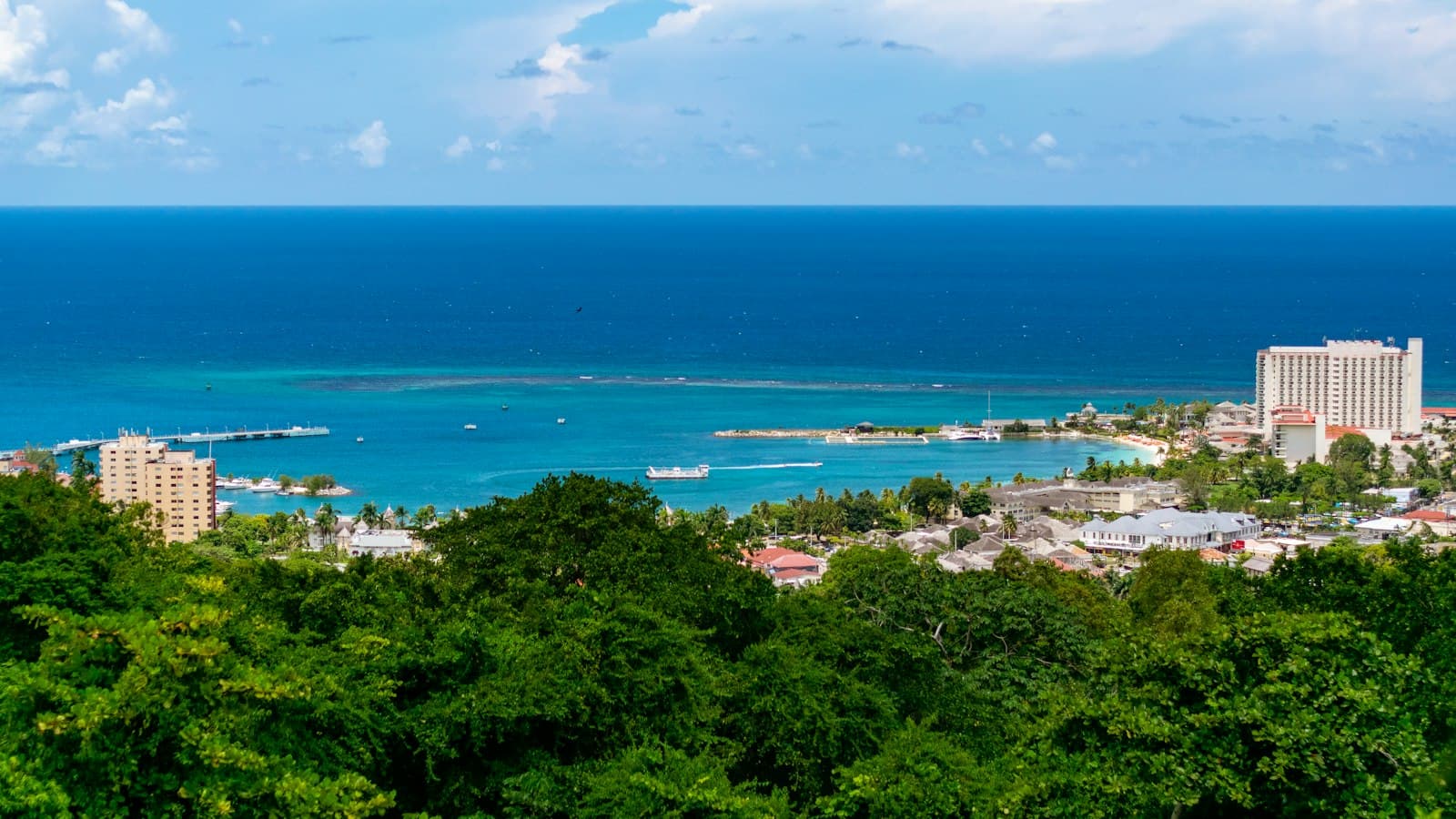
01 · The case for Jamaica
An English-speaking island with no shortcut visa
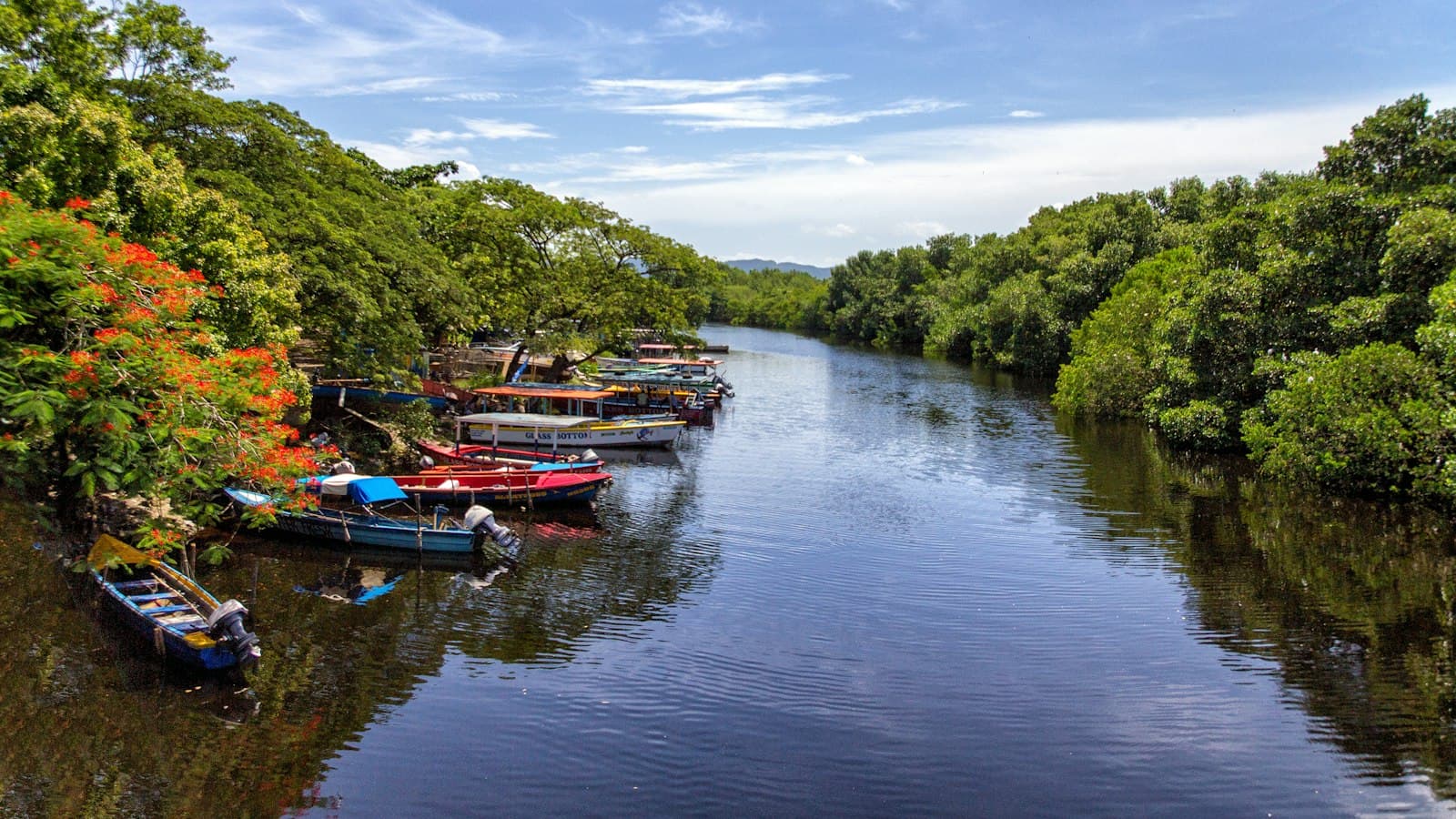
Jamaica pulls in a particular kind of American: people who want the Caribbean without learning a new language, people with Jamaican parents or grandparents, and retirees who've already fallen for the island on visits. It's a real country with a capital city, universities and a music and food culture known far beyond the island, not a resort strip with a flag.
English is the official language, and business, paperwork and court run in it. That alone takes a lot of the fear out of a move. You'll hear Patois everywhere in daily life, and you'll pick up more of it than you expect, but you won't be filling out forms in a language you can't read.
Getting in to look around is easy. U.S. citizens can visit for 90 days or less without a visa; you can ask PICA, Jamaica's immigration agency, to extend a stay before it runs out. That makes a long scouting stay simple to arrange.
The long game is friendlier than in many countries, too. Jamaica accepts dual nationals, so becoming a citizen after five years of residence doesn't mean giving up your U.S. passport. For people with a Jamaican parent or grandparent, the path is shorter still: you can claim citizenship by descent and skip most of the residence paperwork.
The tax rules can be kind to retirees, too: Jamaica adds extra tax-free allowances for pension income and for people 65 and older.
Here's the catch
Jamaica is a harder move than it looks from a beach chair, and we'd rather say so now.
First, there's no retirement visa or digital nomad visa with a published income bar. Americans who want to stay for good apply for permanent residence, in person in Jamaica, with letters from two Jamaican references and an interview. A remote-work program was only a proposal as of March 2026.
Second, crime is a daily planning factor, not a footnote. The U.S. State Department rates Jamaica Level 2, says violent crime is a risk throughout the country, and names specific neighborhoods in ten parishes where it tells Americans to reconsider travel.
Third, the storms are real. Hurricane Melissa hit as a Category 5 in October 2025, and parts of the west were still rebuilding in 2026. Good healthcare is concentrated in Kingston and Montego Bay.
And if you're gay or lesbian, know that Jamaican law still criminalizes "acts of gross indecency" with up to 10 years in prison, and the State Department reports serious discrimination.
If you're still here, keep reading. The rest of this guide covers what life costs, each way to stay legally, healthcare and taxes, and where people settle.
- Cost of living (single)
- $1,600/mo
- Safety index
- 42/100
- English proficiency
- 90/100
- Internet speed
- 45 Mbps
- Currency
- Jamaican Dollar (JMD)
- Capital
- Kingston
02 · The numbers
Monthly costs for Americans in Jamaica
$2,800
Monthly budget, couple
all in, comfortable
$1,600
Monthly budget, single
all in, comfortable
$4,900
Monthly budget, family
housing included
$700
Rent, 1-bed city center
$350 outside center
$9
Inexpensive meal out
local spots
$50
Transportation, monthly
traffic drives on the left
$47
Home internet, monthly
about 45 Mbps
42/100
Safety index
crime level: high
Where the money goes

As of September 2026, our data puts a comfortable life in Jamaica at about $1,600 a month for one person, $2,800 for a couple and $4,900 for a family, all in and in U.S. dollars. One dollar bought about J$158 in late September 2026, so J$1,000 is roughly $6.
Housing sets the tone. A one-bedroom in a city center averages about $700, and about $350 further out. Those are averages across the island.
Eating local is affordable: a simple meal out runs about $9. Patties, jerk and market produce keep a food budget in check.
Our transportation figure is about $50 a month. Jamaica drives on the left, and the State Department warns that night driving is dangerous because of poor lighting and unpredictable pavement.
Home internet runs about $47 a month for speeds around 45 Mbps.
If you're buying rather than renting, the buyer pays 4% stamp duty and the seller pays 2% transfer tax, though foreigners pay no extra taxes on top. On a $250,000 house, that's $10,000 in stamp duty on your side of the closing, before legal fees.
Why your budget and your paperwork are linked
Jamaica's permanent residence application asks for pension details, bank statements, tax records and evidence of property or assets. There's no published income floor, so the officer judges whether you can support yourself. A couple showing steady pension or Social Security income that comfortably covers the $2,800 monthly budget above is in a far stronger spot than someone with savings and no income. Plan the money first, then the application.
03 · Ways to stay
How Americans stay in Jamaica legally
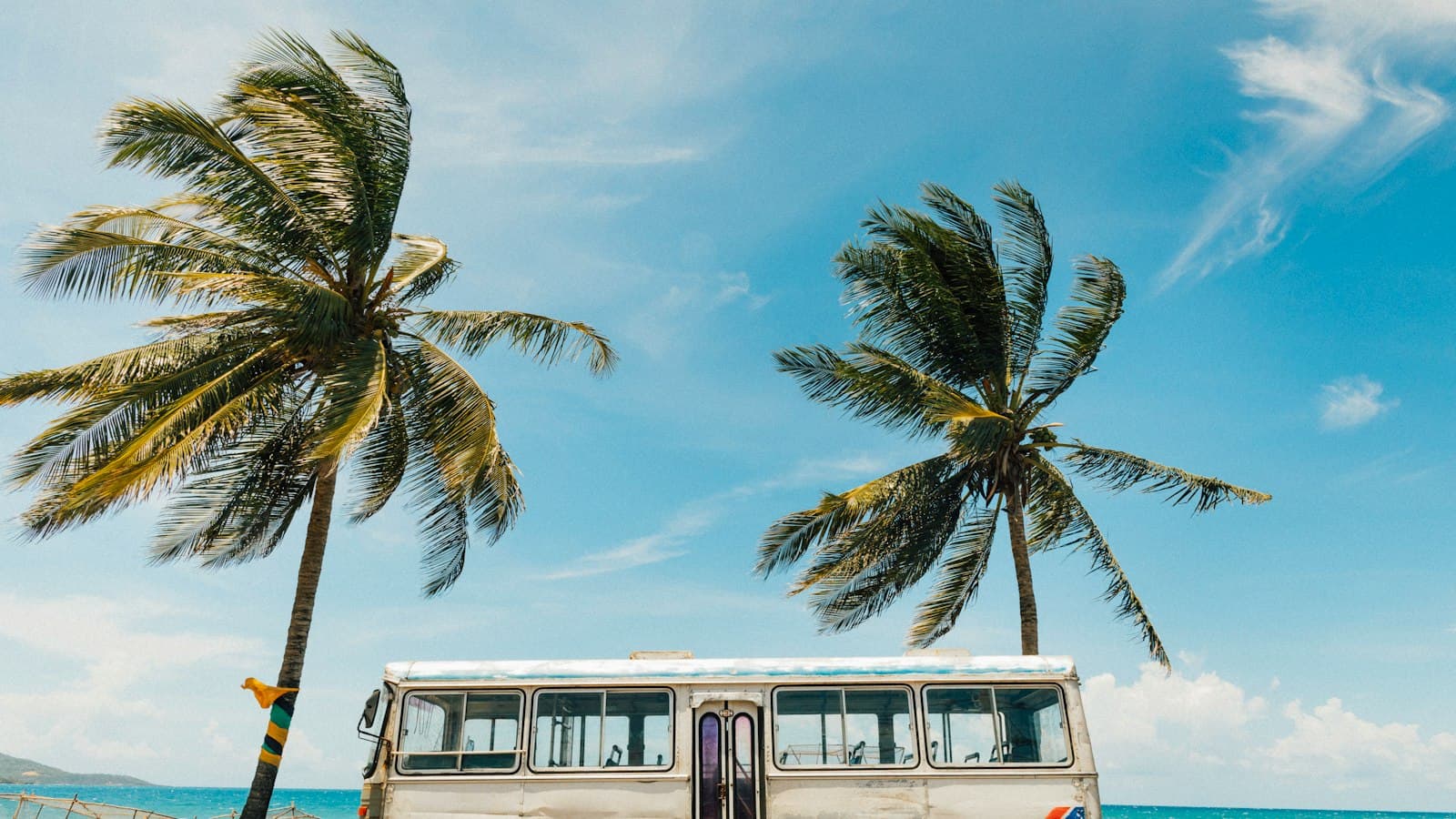
Jamaica doesn't sell a residence visa off a menu. The right route depends on your roots, your marriage, or a Jamaican employer, and for everyone else it's permanent residence. Here's each one, with the fees as PICA and the Labour Ministry state them.
Start as a visitor, then extend
U.S. citizens don't need a visa for stays of 90 days or less, though the immigration officer at the airport decides how long you actually get. You'll need a return or onward ticket and proof you can support yourself at arrival. If you want longer, apply to PICA for an extension stamp before your time runs out. PICA says extensions process within 3 working days, and Americans, as non-Commonwealth visitors, top out at 6 months. Miss the deadline and you've broken immigration law, and there's no grace period. It's an easy way to test-drive the island before committing.
Settling for good: permanent residence
This is the main door for retirees and anyone staying long term. PICA lists five categories: retirement, marriage to a Jamaican, employment (after 3 or more years working in Jamaica), dependents, and people who held landing status by marriage. The fee is J$100,000, about $630 as of September 2026, and you must apply in person in Jamaica, not at a consulate. Expect to supply financial records, a local medical certificate, police certificates, photos certified in Jamaica, evidence of property or assets, a letter explaining why you want to live there, and letters from two Jamaican references. Everyone is interviewed by PICA's Investigation and Surveillance Unit. PICA says processing usually takes 3 to 6 months. Once approved, you can live and work in Jamaica without restrictions. PICA doesn't publish a minimum income for retirees, which is why it pays to have someone who has filed these before.
Working for a Jamaican employer: the work permit
Work permits go through the Ministry of Labour, and the application comes from your employer, a contractor or a lawyer, not from you as a walk-in. The Ministry's fees are J$17,250 to apply (about $110) plus J$195,500 (about $1,240) for a 9-to-12-month permit, and approval takes roughly 4 to 6 weeks. Some groups are exempt under 1964 regulations. For most Americans, this route only exists if a company in Jamaica wants to hire you.
Working remotely for a U.S. employer
The good news is that the idea is being discussed: in March 2026 an opposition lawmaker proposed a digital nomad program. As of September 2026, we found no such visa in force. Until one exists, a remote worker's long-term route is the same permanent residence application as a retiree's. Get a lawyer's view before you work on a visitor stamp.
Studying in Jamaica
Students enrolled at a Jamaican school or university come in on a student visa. The card below shows its current requirements.
Jamaican parents or grandparents
If a parent or grandparent was Jamaican, you can apply for a Certificate of Jamaican Citizenship. PICA charges J$10,000 or US$100 for regular service, which takes 90 working days. People of Jamaican descent can also get unconditional landing, a passport stamp that lets you live, study and work there. It has to be moved to each new passport.
Married to a Jamaican
Spouses can apply for permanent residence under the marriage category, and later for citizenship by marriage on form R1. PICA lists that fee as J$50,000, or US$260 paid overseas, and the government's information service says it takes about a year.
The citizenship finish line
Naturalization takes at least five years of residence in total, including the 12 months right before you apply. You'll publish a notice of intent in a daily newspaper twice, a week apart, and show a tax compliance certificate and evidence of community involvement. The fee is J$50,000, about $315. Since Jamaica accepts dual nationals, you keep your U.S. citizenship.
Permanent Residency
The main route for Americans without Jamaican roots
Filed in person in Jamaica with financial records, two Jamaican references and an interview. Categories cover retirees, spouses and long-term workers.
- Valid U.S. passport
- Police certificates from Jamaica and prior countries of residence
- Medical certificate
Student Visa
For degree and exchange students
Lets you live in Jamaica for the length of your program.
- Valid U.S. passport (at least 6 months validity)
- Completed visa application form
- Two recent passport-sized photos
Your first year, in order
Arrive visa-free
Fly in on your U.S. passport for up to 90 days, with a return or onward ticket and proof you can support yourself.
Get your TRN
Apply for Jamaica's free taxpayer number early. Banks and government offices ask for it, and you can start the application from the U.S.
Extend before day 90
Ask PICA for an extension stamp before your time runs out. Americans can be extended to a maximum of 6 months in total.
Lock in coverage
Buy international health insurance that includes evacuation. An air ambulance to the U.S. starts at about $30,000.
Rent before you buy
Live in the area for a few months, check the neighborhood against the State Department list, and ask how the house came through Melissa.
File for residence in person
Line up two Jamaican references and your financial records, then apply to PICA in Jamaica. Expect an interview and 3 to 6 months.
04 · The practical stuff
Healthcare, taxes, money, safety and storms

These are the questions that decide whether Jamaica works for you day to day.
Healthcare
Jamaica runs 24 public hospitals and about 10 private ones. Public care is free or heavily subsidized but crowded and short of staff, so expats who can pay usually go private. Advanced emergency care and specialist procedures are concentrated in Kingston and Montego Bay; much of the countryside has primary care only. The State Department warns that basic and specialized care may not be available in many parts of the island, that emergency response is slower, and that most providers want cash up front and don't take U.S. insurance. An air ambulance to the U.S. starts at about $30,000. That makes two things non-negotiable: international health coverage that includes evacuation, and living within reach of Kingston or Montego Bay if you have a chronic condition. Hunter Schultz, our healthcare coach, helps you judge whether local care meets your needs before you move, and ExpatInsure sets up the coverage.
Taxes
The U.S. taxes its citizens wherever they live, so you'll keep filing a U.S. return. On the Jamaican side, tax residents are taxed on worldwide income, though people who aren't domiciled in Jamaica are generally taxed on foreign income only when they bring it into the country. From April 2026 the first J$1,902,360 a year (about $12,000) is tax-free. Pension income gets an extra J$250,040 allowance, and people 65 and older get another J$250,040, so a pensioner over 65 has J$2,376,654 (about $15,000) tax-free in 2026. Above that, the rate is 25% up to J$6 million (about $38,000) and 30% beyond. A U.S.-Jamaica tax treaty from 1980 is still in force; under it, U.S. Social Security is generally taxed only in the U.S., while private pensions are usually taxed where you live. MyExpatTaxes files the U.S. side, and Beacon Global Advisors can plan how your accounts and pensions fit both systems.
Banking and money
Your first stop is a TRN, Jamaica's nine-digit taxpayer number. Banks and government offices ask for it, anyone can apply, and there's no fee. With a TRN in hand, you can start on a local bank account. Moving dollars in regularly is where you save or lose money, which is what Moneycorp handles.
Safety
The State Department's June 2026 advisory rates Jamaica Level 2, Exercise increased caution, and says armed robberies and sexual assaults are common. It lists Level 3 neighborhoods in ten parishes, including Mount Salem and Flankers in St. James, where Montego Bay sits, and August Town and Denham Town in Kingston and St. Andrew. The practical answer is to choose your neighborhood carefully, avoid driving at night, and ask locals which streets to skip.
Hurricanes
Peak season runs August to October. Hurricane Melissa struck in late October 2025 as a Category 5 with 185 mph winds, hitting the western parishes hardest. About 120,000 buildings lost roofs, Black River Hospital was destroyed, and some areas still had water outages in 2026. In January 2026, the IMF approved US$415 million to help Jamaica recover. Ask any landlord or seller how a house came through Melissa before you sign.
Bringing pets
The U.S. is on Jamaica's approved list for dogs and cats, but you'll need a Veterinary Import Permit, an ISO microchip and, for boostered animals, a rabies titer test. Start at least 30 days out, and plan to land in Kingston unless you get permission otherwise. Pitbull terriers and three other breeds are banned. Bodzin Pet Travel Solutions runs this paperwork trail for you.
This guide is dated on purpose
Everything here reflects Jamaican and U.S. rules as of September 2026. Several things are in motion: the State Department updated its advisory in June 2026; the income tax threshold rose in April 2026; a digital nomad program has been proposed but not enacted; parts of the west are still recovering from Hurricane Melissa. PICA doesn't publish every fee online, so confirm current figures with PICA or a licensed professional before you file.
05 · Finding your spot
Choosing where to live in Jamaica
In Jamaica, where you live matters more than which town you pick. Three questions narrow it down fast.
How far are you from real hospital care? Specialist and emergency care are concentrated in Kingston and Montego Bay, so anyone with ongoing health needs should stay within a comfortable drive of one of them.
How did the area come through Melissa? The western parishes, especially Westmoreland, took the worst of the 2025 storm. Water systems were still offline in parts of the island in 2026. Check the specific street, not just the parish.
Which neighborhoods does the State Department flag? Its Level 3 list names specific neighborhoods, not whole cities, so a flagged area doesn't rule out the rest of its parish. Rent a place for a few months before you buy, and ask your neighbors.
Below are the Jamaican places we've profiled in depth. We're adding more.
Where to live
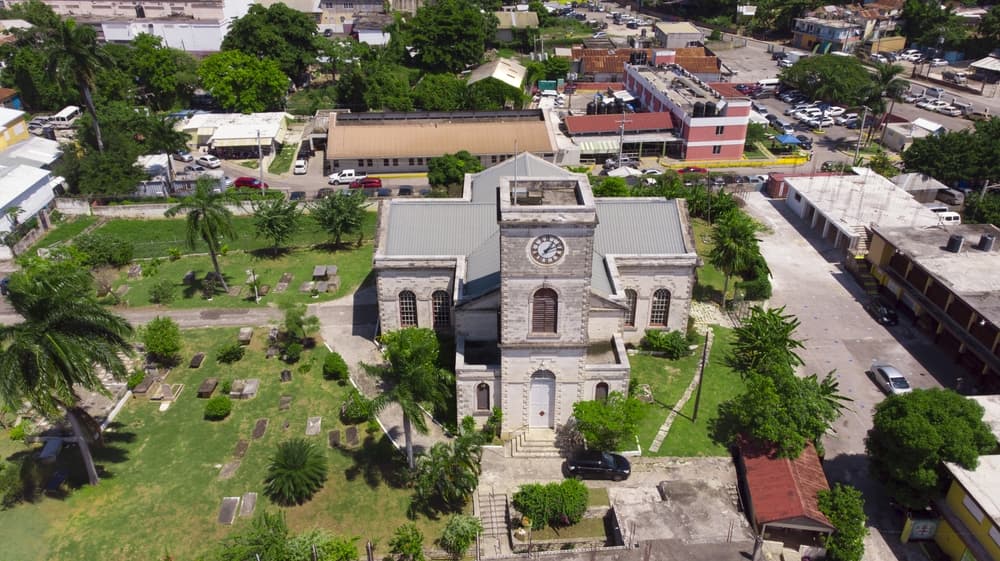
Places to live in Jamaica
06 · Help on the ground
The people who can help you land
A move to Jamaica has more personal judgment calls than most: which neighborhood, how much insurance, what the officer will want to see. These are the Expatsi-vetted people we'd call for each piece, grouped by what they do.
None of them will make the decision for you. They'll make sure you're deciding with the right information, and they'll handle the parts that are easy to get wrong the first time.

Hunter Schultz
Healthcare Coach
A healthcare coach with more than 20 years of living abroad and a background in air medical transport. In a one-hour session he maps your health needs against what's available where you plan to live.
Learn more
ExpatInsure
Global Health Insurance
Expatsi's international health insurance partner, led by Andy Seale and Stephanie Edwards. They match you with a plan that fits your destination and your health history.
Learn more
MyExpatTaxes
U.S. Expat Tax Service
Tax software built for Americans abroad, filing U.S. returns online since 2018, with help available for complicated cases.
Learn more
Beacon Global Advisors
Financial Planning
Financial planners for Americans living overseas who keep your 401(k), IRA and investments working after you leave the U.S.
Learn more

07 · Quick answers
Moving to Jamaica: frequently asked questions
Is Jamaica safe for Americans to live in?
It takes care. The U.S. State Department rated Jamaica Level 2, Exercise increased caution, in June 2026, noting that violent crime is a risk across the island, and it lists specific neighborhoods in ten parishes as Level 3. Choosing your neighborhood carefully and avoiding driving at night are the usual precautions. LGBTQ residents should know that Jamaican law still criminalizes same-sex intimacy.
Does Jamaica have a digital nomad visa?
No. As of September 2026 Jamaica has no digital nomad or remote-work visa in force. A structured program was proposed by an opposition lawmaker in March 2026, but it hasn't become law. Remote workers who want to stay long term generally need permanent residence, and should get legal advice before working while on a visitor stamp.
Do Americans need a visa to move to Jamaica?
Not to arrive. U.S. citizens can visit Jamaica for up to 90 days without a visa, and can ask Jamaica's immigration agency, PICA, to extend a stay to a maximum of 6 months. To live there long term, Americans without Jamaican roots generally apply for permanent residence, which is filed in person in Jamaica and costs J$100,000 (about $630 as of September 2026).
Does Jamaica have a retirement visa?
No, not as a separate visa with a published income requirement. Retirees apply for permanent residence under PICA's retirement category, showing pension details, bank statements, tax records and evidence of assets, plus letters from two Jamaican references and an interview. PICA says these applications usually take 3 to 6 months.
Does Jamaica tax U.S. Social Security?
Under the U.S.-Jamaica tax treaty signed in 1980, U.S. Social Security is generally taxable only in the United States. Private pensions are usually taxed in the country where you live. Jamaica also gives pension income an extra J$250,040 tax-free allowance and people 65 and older another J$250,040 on top of the standard J$1,902,360 threshold, as of April 2026.
How long can an American stay in Jamaica without a visa?
Up to 90 days, though the immigration officer at the port of entry decides the exact length. You can apply to PICA for an extension before your time expires; extensions are usually processed within 3 working days, and Americans can be extended to a maximum of 6 months. Staying past your permitted time without an extension breaks Jamaican immigration law.
How much does it cost to live in Jamaica?
Expatsi's data puts a comfortable budget at about $1,600 a month for a single person, $2,800 for a couple and $4,900 for a family, all in, as of 2026. A one-bedroom apartment averages about $700 a month in a city center and about $350 outside it.
Can I be a citizen of both Jamaica and the U.S.?
Yes. Jamaica accepts dual nationals, so becoming a Jamaican citizen doesn't require giving up U.S. citizenship. Americans without Jamaican roots can naturalize after at least five years of residence, including the 12 months before applying, for a fee of J$50,000. People with a Jamaican parent or grandparent can apply for citizenship by descent instead.
Sources
- Permanent Residence · Passport, Immigration and Citizenship Agency (PICA) (checked September 2026)
- Permanent Residence (fee and in-person filing) · Jamaican High Commission, London (checked September 2026)
- Extension of Stays · PICA (checked September 2026)
- Citizenship and Immigration Fees · PICA (checked September 2026)
- Naturalisation · PICA (checked September 2026)
- Dual Citizenship · PICA (checked September 2026)
- New Work Permit Fees · Ministry of Labour and Social Security (checked September 2026)
- Increase in Income Tax Threshold Now in Effect · Jamaica Information Service (checked September 2026)
- Jamaica Travel Advisory (June 2026) · U.S. Department of State (checked September 2026)
- Hurricane Melissa aftermath and 2026 risks · International SOS (checked September 2026)
- Guidelines for the Importation of Dogs and Cats · Ministry of Agriculture, Jamaica (checked September 2026)
- Jamaica: taxes on personal income · PwC (checked September 2026)
Find out if Jamaica fits your life
Take the free Expatsi Test and compare Jamaica with other countries on cost, healthcare, climate and safety.
Why not you?