Split, Croatia: Roman walls, island ferries, and a $2,100 monthly budget
Cost of living, safety, healthcare and weather for Americans thinking about moving to, or retiring in, Dalmatia's harbor city.
- 160,577
- Population (2021)
- $2,100/mo
- Monthly budget · single
- 63°F / 17°C
- Avg temperature
Plan on about $2,100 a month in U.S. dollars for one person in Split, with most single budgets falling between $1,800 and $2,400 (2026 figures). A couple spends around $3,100, and a family of four around $4,500. Rent is the biggest line: a one-bedroom in the center averages about $950, and about $750 farther out.
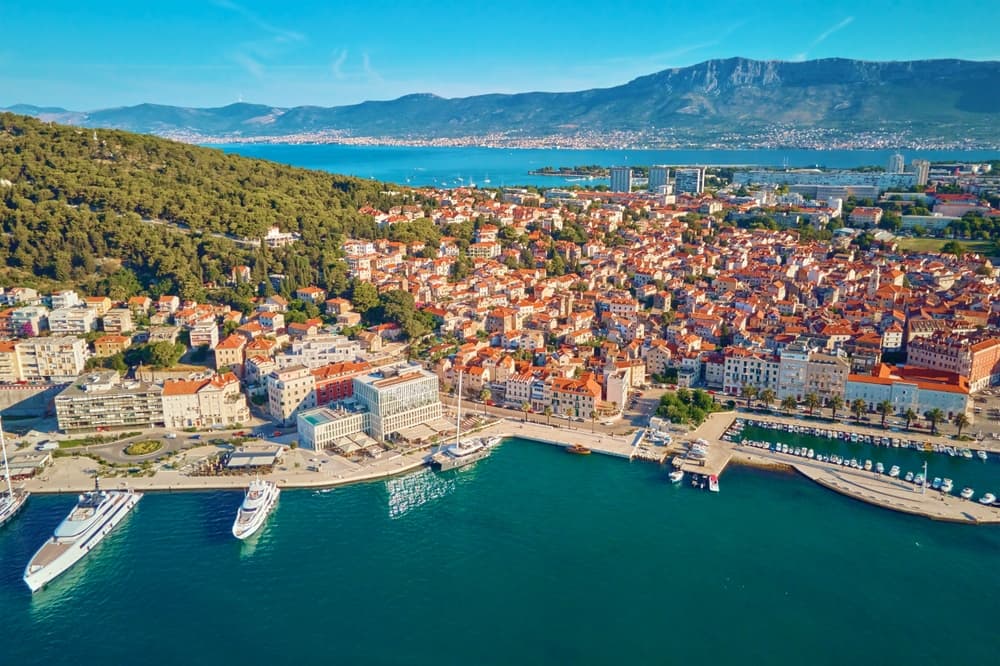
With about 160,000 residents (2021 count), Split is a working city, not just a resort. Diocletian's Palace is still the center of town, the Riva waterfront is where everyone ends up in the evening, and ferries to Brač, Hvar and Vis leave from the harbor. It suits people who want a real city on the sea with a university hospital close by.
Here's the catch: summer. Many landlords switch apartments to tourist rentals for the season, so a year lease is easiest to sign in autumn, and July brings average highs near 88F along with the crowds.

Reviewed and updated October 9, 2026 · 4 min read
At a glance
$2,100
Monthly budget · single person
$950/mo 1-bed rent, center
76/100
Safety index
$35
Internet / month
63°Fannual average
Jan 47° · Jul 80°
Climate
160,577
Population (2021)
Expatsi estimates, updated Oct 2026, based on rental listings, government statistics, and local reporting.
Cost of living
What it costs to live in Split
Single person
$1,800–$2,400/mo
about 30% below Austin, TX
Couple
$2,700–$3,500/mo
about 35% below Austin, TX
Family of four
$3,700–$5,300/mo
about 45% below Austin, TX
Compared with Austin, TX (Expatsi estimate, 2026).
- $14 −30%
- Inexpensive meal
- $850–$1,050/mo −51%
- 1-bed rent, center
- $650–$850/mo −44%
- 1-bed rent, outside
- $35/mo −46%
- Internet
- $40/mo −3%
- Transit pass
- $502/sq ft −23%
- Buy price, center
Expatsi estimates, updated Oct 2026, based on rental listings, government statistics, and local reporting.
Daily life
How Split lives
- B+ grade, 65th percentile among the cities we track
- Dining & cafésstrong
- B grade, 51st percentile among the cities we track
- Arts & culturetypical
- B+ grade, 66th percentile among the cities we track
- Parks & outdoorsstrong
- A- grade, 73rd percentile among the cities we track
- Schools & educationstrong
- B+ grade, 68th percentile among the cities we track
- Healthcare accessstrong
- B- grade, 37th percentile among the cities we track
- Bike infrastructuretypical
- B grade, 43rd percentile among the cities we track
- Public transittypical
- A grade, good physical accessibility
- Accessibilitygood
Graded on OpenStreetMap amenity density relative to the 298 cities we track. Accessibility is the exception: it's graded against a fixed standard (terrain steepness and sidewalk surfaces), not a curve.
Climate
Weather through the year
Annual average 63°F (17°C) · 31 in of rain a year · Source: Meteostat station normals (14445, 1991-2020)
On the ground
Scenes from Split
Getting around
Transport in Split
Promet Split runs the city and suburban buses. Its app and the Moj Promet online portal sell tickets, and the app shows stops with live arrival times. Line 37 connects Split with the airport and Trogir, and line 60 heads down the coast to Omiš. Budget about $40 a month for local transport.
The old town is a place you walk, over a mix of smooth paving and cobblestones, with the Riva running along the water just outside the palace walls. Ferries and catamarans to Brač, Hvar and Vis leave from the harbor, so island weekends don't need a car.
Do you need one at all? Not if you live near the center and work from home. If you settle in the hillside neighborhoods or want to explore inland Dalmatia, wheels help. Plan ahead on paperwork: the State Department says drivers who stay longer than 12 months need a Croatian driver's license.
- 18/sq mi
- Transit stops
- 2.1/sq mi
- Bike infrastructure
- 28/sq mi
- Wheelchair-accessible places
Mapped features per square mile from OpenStreetMap.
Keep exploring
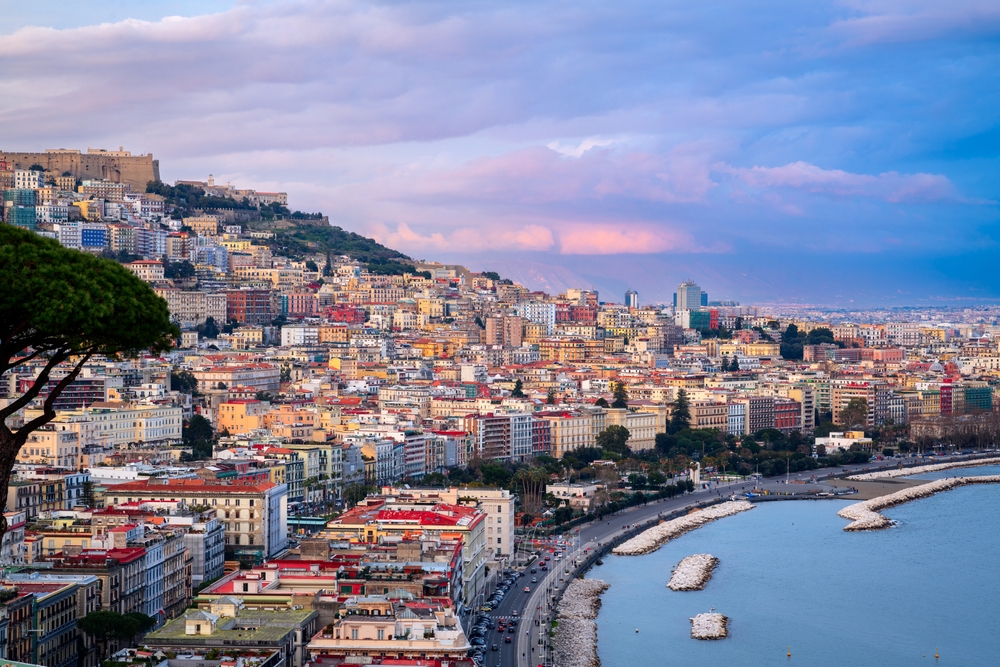
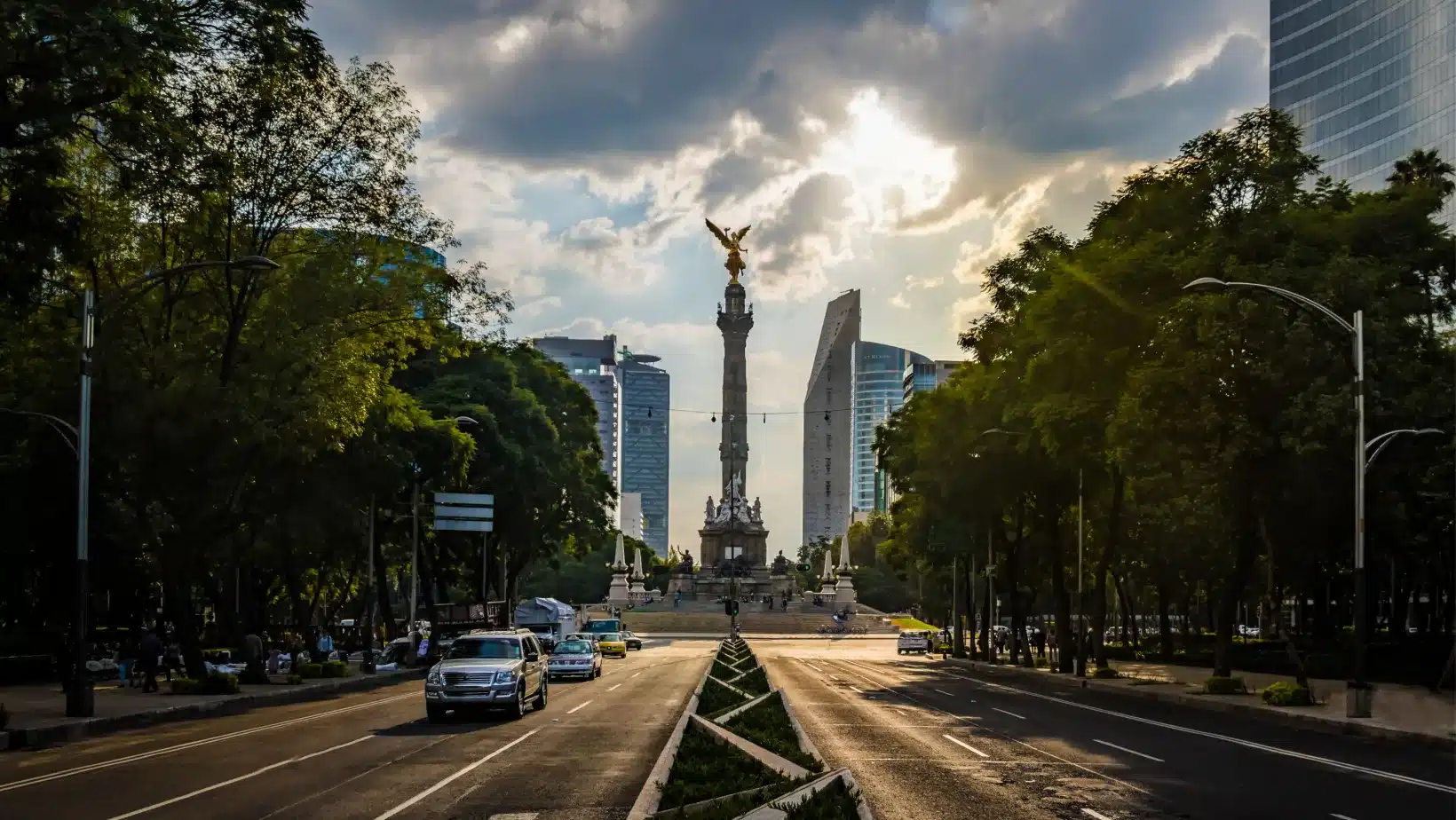
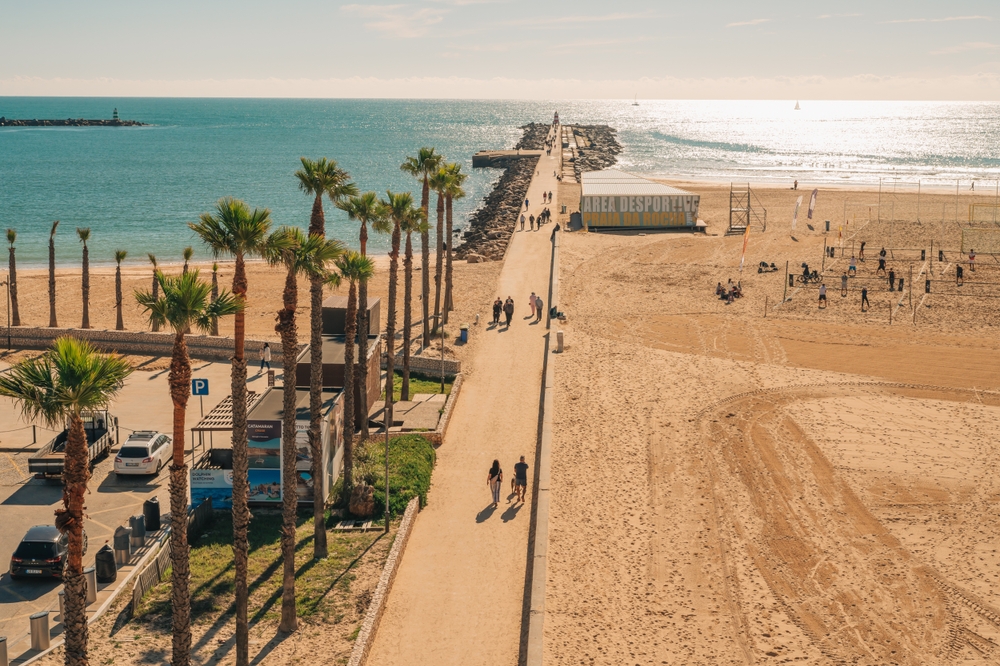
Places like Split
Community & practical notes
What everyday life in Split runs on
Healthcare
University Hospital of Split (KBC Split) is the largest hospital center in Dalmatia and the central hospital for southern Croatia, with sites at Firule, Križine and in the city center. The State Department notes that Croatian hospitals don't accept U.S. health insurance, private hospitals often want payment upfront, and some doctors take cash only. Staff may speak little English, so bring a translator app or a Croatian-speaking friend to appointments. Our Croatia healthcare report explains how expats get into the public system.
Internet and remote work
Home internet runs about $35 a month. Coworking listings for Split come and go, so confirm a space is open before you plan your week around it. If your income comes from U.S. clients or an employer, start with the Croatia digital nomad permit.
Your first week
You have to register your address with the local police within 3 days of arriving. If you're staying in a hotel or vacation rental, the host does it for you; once you sign your own lease, it's on you. Foreign documents for residence need Croatian translations, so get that started early with Legalize That Doc.
Limited mobility
Split is workable with limited mobility, with planning. The State Department says accessible public transportation is common in Split, but accessible lodging is harder to find, especially in private rentals on the coast's hilly, steep streets. Step-free routes into the palace and its underground halls do exist, over a mix of smooth streets, large paving stones and cobblestones. Before you sign, visit the apartment and walk the route to your nearest bus stop and shops.
LGBTQ expats
Croatia passed its Law on Life Partnership of Same Sex Couples in 2014. The State Department says same-sex couples may still run into legal issues with adoption and next-of-kin matters, reporting isolated incidents of discrimination.
Black Americans
We couldn't find reliable reporting on daily life for Black Americans in Split, and the State Department's Croatia page doesn't address race. Talk to Black expats already living in Croatia before you commit to a lease, and visit in the off-season to get a feel for the city as a resident.
Retiring in Split
Split works well for retirees who want a walkable seaside city with a major hospital in town. Winters are mild, with average January highs near 51F and lows near 43F, though November is the rainiest month. The tradeoffs are hills, summer crowds and the seasonal rental squeeze. Compare residence routes in our retirement visa guide and our guide to moving to Croatia.
Housing
Renting and buying
- 1-bed rent (center)
- $850–$1,050/mo
- 1-bed rent (outside center)
- $650–$850/mo
- Buy price (center)
- $502/sq ft
- Buy price (outside center)
- $353/sq ft
Expatsi estimates, based on rental listings, government statistics, and local reporting.
Good to know
Frequently asked questions
When is the best time to find a long-term rental in Split?
Autumn. Many Split landlords rent to tourists in summer, so year-round leases are easiest to find once the season ends. Visit the apartment before you sign, and check how steep the walk is to the nearest bus stop and shops.
What do Americans need to do after moving to Split?
Americans can stay in Croatia for up to 90 days without a visa. You must register your address with the local police within 3 days of arriving; hotels and vacation rental hosts do this for their guests. Staying longer than 90 days takes a residence permit, such as the digital nomad permit for people earning from outside Croatia.
Is Split a good place to retire?
For many retirees, yes. Split has mild winters, a walkable waterfront, and University Hospital of Split, the largest hospital center in Dalmatia. The downsides are hills and cobblestones, crowded summers, and landlords who switch apartments to tourist rentals in season. Since U.S. Medicare doesn't work there, plan your health coverage before you move.
Is Split, Croatia safe for Americans?
Yes, by most measures. The U.S. State Department rates Croatia Level 1, its lowest advisory, and says violent crime is rare. Petty crime and scams do happen in busy tourist areas, so watch your phone and wallet around the old town in summer. Split scores 76 on our safety index, where higher is safer.
Do doctors in Split accept U.S. health insurance?
No. The U.S. State Department says hospitals and medical facilities in Croatia don't accept U.S. health insurance. Private hospitals often want payment upfront, and some doctors take cash only. Expats usually get international coverage or join Croatia's public system once they have residence.
Can you live in Split without a car?
Yes, if you live near the center. Promet Split buses cover the city and suburbs, line 37 runs to the airport and Trogir, and ferries to the islands leave from the harbor. A car helps if you live in the hillside neighborhoods or want to explore inland. Drivers who stay longer than 12 months need a Croatian driver's license.
How much does it cost to live in Split, Croatia?
One person in Split spends about $2,100 a month in U.S. dollars, with most single budgets between $1,800 and $2,400 (2026 figures). A couple spends around $3,100 and a family of four around $4,500. A one-bedroom apartment in the center rents for about $950 a month, and about $750 outside the center.
What is the weather like in Split year-round?
Split has hot, dry summers and mild, wet winters. Average highs reach about 88F in July and August, while January averages highs near 51F and lows near 43F. November is the rainiest month, and the city gets about 31 inches of rain a year.
See how Split fits your life
Take the free Expatsi Test and compare Croatia to over 100 countries on what actually matters: cost, healthcare, climate, and safety. About five minutes.
Why not you?