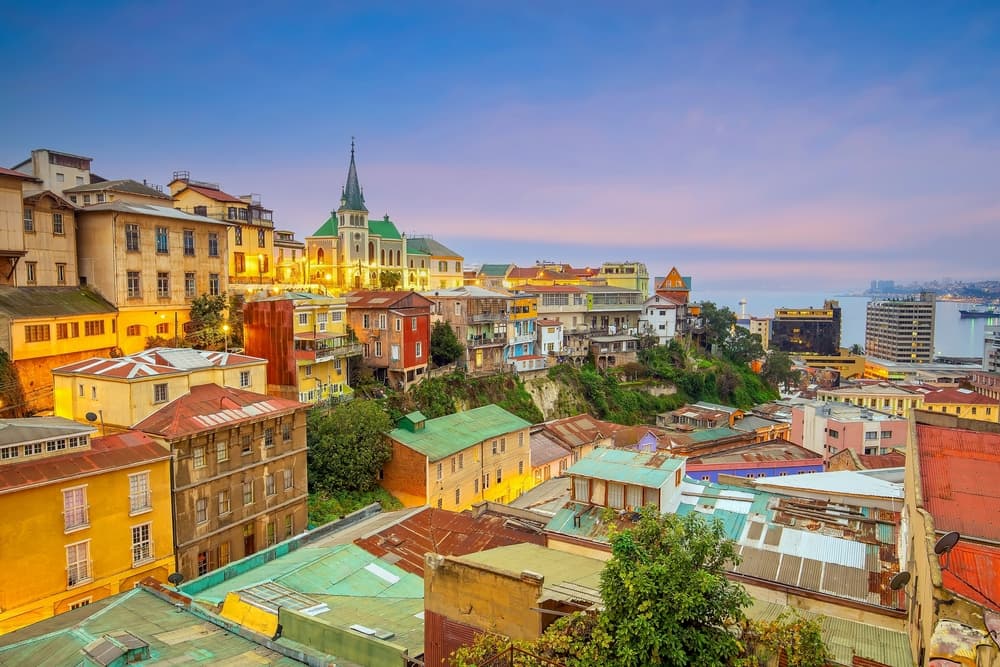
Living in Valparaíso, Chile: a painted port city stacked up the hills
What a month costs on the cerros, how the funiculars and trolleybuses fit into daily life, and the crime and fire risks to weigh before you sign a lease.
- 296,655
- Population (2017)
- $1,200/mo
- Monthly budget · single
- 58°F / 14°C
- Avg temperature
Budget about $1,200 a month in U.S. dollars to live alone in Valparaíso, with most single people landing somewhere between $1,000 and $1,500. A couple should plan on about $1,800, and a family of four about $2,800. A one-bedroom apartment in the center rents for around $500, or about $400 farther out.
The city suits people who want character over polish: artists, writers, remote workers who'd like the Pacific out the window, and retirees who don't mind steps. Its historic quarter, climbing the hills above a working port, has been a UNESCO World Heritage site since 2003, and Chile's National Congress has met here since 1990.
Here's the catch: the hills that make Valparaíso so striking also make it tiring, and safety can change from one street to the next. Pick your hill carefully, and visit before you commit to a lease.

Reviewed and updated October 9, 2026 · 4 min read
At a glance
$1,200
Monthly budget · single person
$500/mo 1-bed rent, center
47/100
Safety index
$20
Internet / month
58°Fannual average
Jul 53° · Feb 63°
Climate
296,655
Population (2017)
Expatsi estimates, updated Oct 2026, based on rental listings, government statistics, and local reporting.
Cost of living
What it costs to live in Valparaíso
Single person
$1,000–$1,500/mo
about 60% below Austin, TX
Couple
$1,500–$2,200/mo
about 60% below Austin, TX
Family of four
$2,200–$3,400/mo
about 65% below Austin, TX
Compared with Austin, TX (Expatsi estimate, 2026).
- $8 −60%
- Inexpensive meal
- $400–$600/mo −74%
- 1-bed rent, center
- $350–$450/mo −70%
- 1-bed rent, outside
- $20/mo −69%
- Internet
- $158/sq ft −76%
- Buy price, center
Expatsi estimates, updated Oct 2026, based on rental listings, government statistics, and local reporting.
Daily life
How Valparaíso lives
- B grade, 51st percentile among the cities we track
- Dining & caféstypical
- B+ grade, 61st percentile among the cities we track
- Arts & culturestrong
- B- grade, 30th percentile among the cities we track
- Parks & outdoorstypical
- A- grade, 77th percentile among the cities we track
- Schools & educationstrong
- B+ grade, 57th percentile among the cities we track
- Healthcare accessstrong
- C+ grade, 24th percentile among the cities we track
- Bike infrastructuremodest
- B grade, 49th percentile among the cities we track
- Public transittypical
- C+ grade, challenging physical accessibility
- Accessibilitychallenging
Graded on OpenStreetMap amenity density relative to the 298 cities we track. Accessibility is the exception: it's graded against a fixed standard (terrain steepness and sidewalk surfaces), not a curve.
Climate
Weather through the year
Annual average 58°F (14°C) · 15 in of rain a year · Source: Open-Meteo Historical Weather API (temps: ERA5-Land 0.1°; precip/sunshine: ERA5 best-match; 1991-2020 normals); precipitation: Meteostat station 85543 normals 1981-2010
On the ground
Scenes from Valparaíso
Getting around
Transport in Valparaíso
Valparaíso splits into two worlds. The plan, the flat strip along the bay, is easy to walk and holds the banks, markets and government offices. The cerros rising behind it are where most people live, and getting up them means stairs, a bus, or one of the ascensores, the old funicular elevators that still carry riders from the plan up the slopes.
The city also runs Chile's only trolleybus system. Some of its cars were built in 1952 and were declared a national monument in 2003, so your commute may come with a history lesson. They run Monday through Saturday, not Sundays.
For trips along the coast, the Metro Valparaíso commuter train (locals call it Merval) covers 27 miles from Valparaíso through Viña del Mar, Quilpué and Villa Alemana to Limache, running underground through Viña. Santiago is about 75 miles away, roughly 80 minutes on a toll highway.
Most people living here don't need a car. Parking on the hills is a puzzle, and the State Department calls carjackings and car thefts a serious problem in Valparaíso.
- 25/sq mi
- Transit stops
- 0.3/sq mi
- Bike infrastructure
- 22/sq mi
- Wheelchair-accessible places
Mapped features per square mile from OpenStreetMap.
Keep exploring
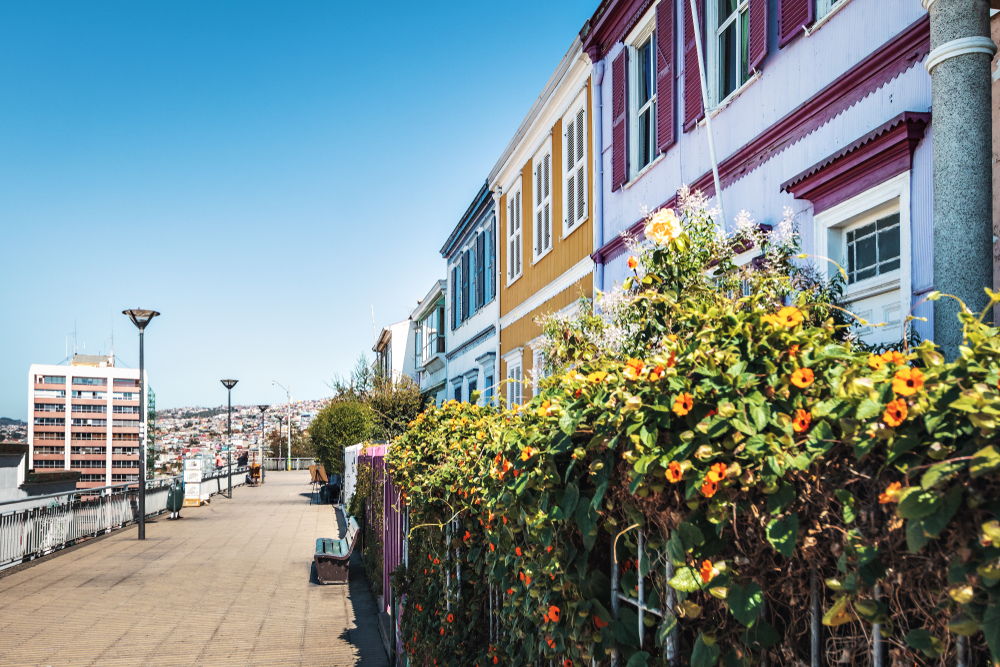
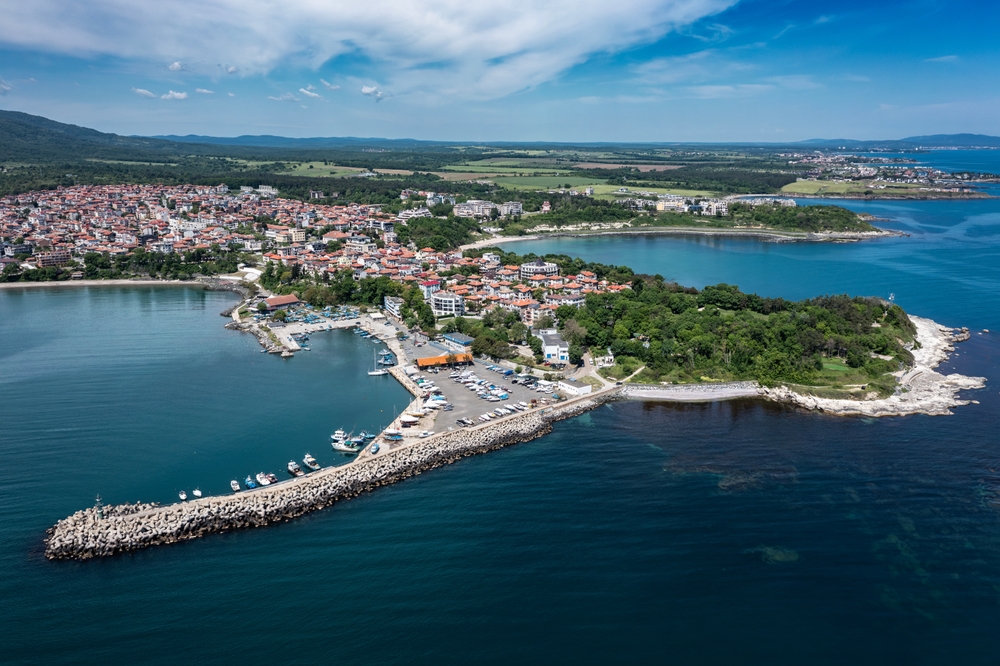
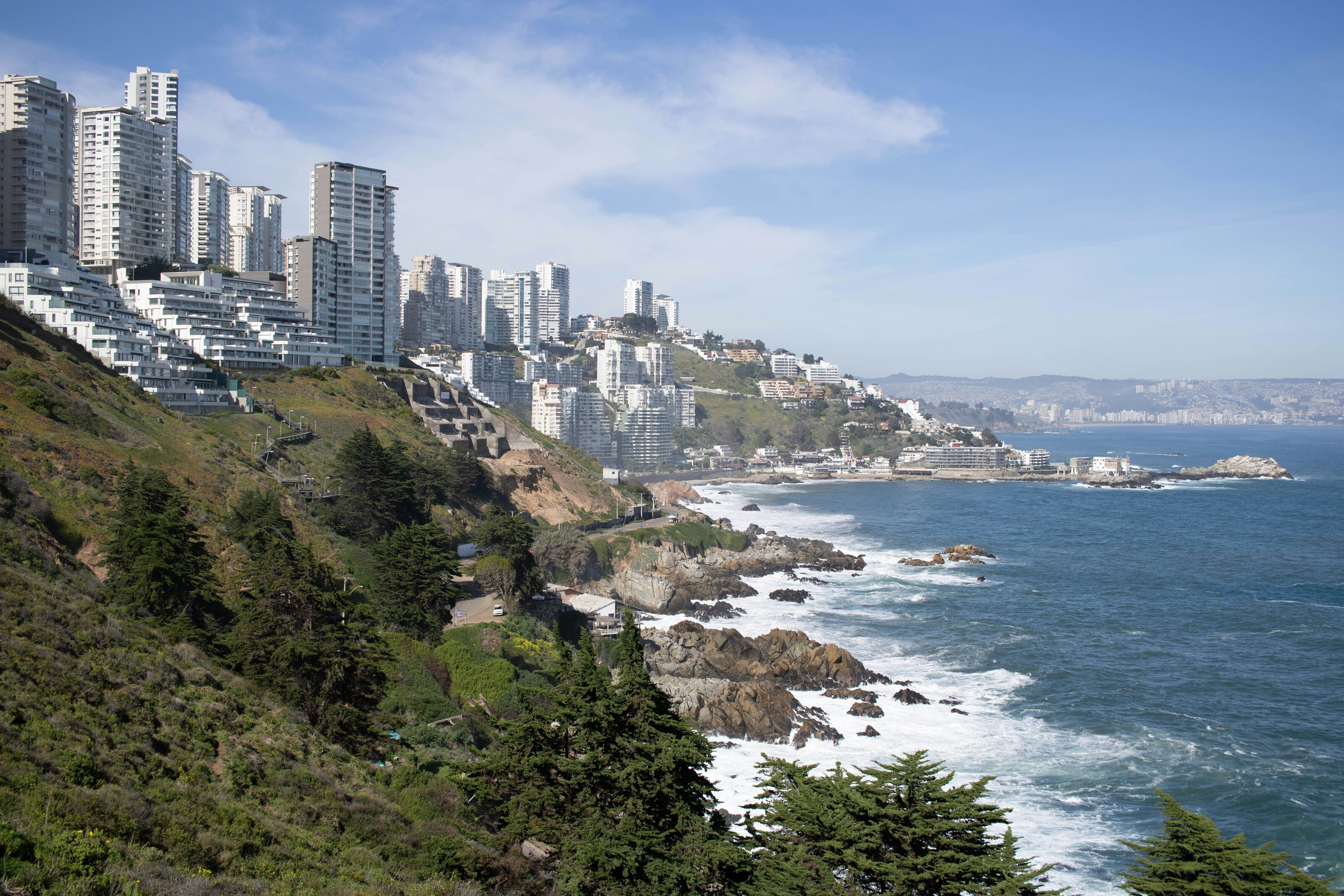
Places like Valparaíso


Community and practical notes
Life on the cerros
Where newcomers look first
Cerro Alegre and Cerro Concepción are the oldest hills, known for their English-era houses and the views that fill most photos of the city. Cerro Bellavista has an open-air museum of murals painted straight onto homes and walls. Three universities, the Pontifical Catholic University of Valparaíso, the University of Valparaíso and Playa Ancha University, keep the city young. Many people also compare it with Viña del Mar, the next stop up the coast on the train.
Healthcare
Public care leans mainly on Hospital Carlos Van Buren, down in the plan, with Hospital Eduardo Pereira up on Cerro San Roque. Care in Chile isn't free, and most hospitals won't take U.S. insurance, so arrange international or Chilean private coverage before you arrive. The State Department also notes that psychological and psychiatric services are limited, even in larger cities. Our Chile healthcare report compares public and private coverage.
Internet and remote work
Home broadband is affordable and widely available. Speeds can vary a lot between buildings on the hills, though, so run a speed test in any apartment before you sign.
Fire and earthquakes
Brush fires are a real risk on the upper hills, where homes meet dry scrub. A 2014 fire in Valparaíso destroyed 2,800 homes and killed 16 people, and the February 2024 fires that hit Viña del Mar and Quilpué killed 131. Fire season peaks December to March. Chile is also earthquake country, so ask any landlord about the building's age and construction, and learn your street's evacuation route.
Retiring here
Valparaíso works for retirees who want sea air, culture and a lower budget than Santiago, and who are fit enough for daily climbs or happy to live in the plan. If your income is a pension or Social Security, start with our guide to Chile's retirement visa, compare options on the retirement visa hub, and read Moving to Chile for the bigger picture.
LGBTQ expats
Same-sex couples have been able to marry anywhere in Chile since March 2022, and support for marriage equality reached 82% in a 2022 poll. Valparaíso's arts and university scene adds to a generally open atmosphere in the historic hills.
Black Americans
We couldn't find an organized Black American group in Valparaíso or Viña del Mar. Book a call with an Expatsi advisor or ask in Chile-wide expat groups to be introduced to people already living here.
Limited mobility
This is a hard city on the legs. Many streets on the cerros are steep or turn into staircases, and the State Department warns that accessibility is limited in most places, including public transportation and lodging. If walking is difficult for you, look for housing in the plan or close to a working ascensor, and ask about steps at the building entrance before you sign.
Housing
Renting and buying
- 1-bed rent (center)
- $400–$600/mo
- 1-bed rent (outside center)
- $350–$450/mo
- Buy price (center)
- $158/sq ft
- Buy price (outside center)
- $121/sq ft
Expatsi estimates, based on rental listings, government statistics, and local reporting.
Good to know
Frequently asked questions
What is the weather like in Valparaíso?
Mild all year and rarely hot. Average highs reach about 67°F in January and February, Chile's summer, and drop to about 56°F in July, with July lows near 49°F. Most of the city's roughly 15 inches of yearly rain falls from May through August.
Can Americans move to Valparaíso without a visa?
Only for short stays. U.S. citizens can visit Chile without a visa for up to 90 days. To live in Valparaíso longer, you'll need a Chilean residence visa, such as the retirement visa for people with steady pension income or a work visa.
Is Valparaíso safe for Americans?
It's manageable with care, but not carefree. The U.S. State Department rates Chile Level 2, exercise increased caution, and names Valparaíso among the cities where mugging, pickpocketing and theft happen most often. It also calls carjackings a serious problem there. Safety varies a lot from hill to hill, so research the specific street before renting.
Is Valparaíso a good place to retire?
It can be, if you're comfortable with hills and stairs. Retirees get sea air, a strong arts scene, public hospitals in the city, and a lower cost of living than Santiago. People with limited mobility should live in the flat center near the bay. Americans living on a pension or Social Security usually look at Chile's retirement visa for periodic income.
How much does it cost to live in Valparaíso, Chile?
Most single people spend $1,000 to $1,500 a month in U.S. dollars in Valparaíso, including rent. Couples usually need $1,500 to $2,200, and a family of four $2,200 to $3,400. A one-bedroom apartment in the center typically rents for $400 to $600 a month (2026 figures).
How far is Valparaíso from Santiago?
About 75 miles. The drive takes roughly 80 minutes on a toll highway, so a day trip to the capital for flights, appointments or shopping is easy.
Do you need a car to live in Valparaíso?
No, most residents get by without one. Buses, trolleybuses and the ascensores (funicular elevators) cover the city, and the Metro Valparaíso commuter train runs along the coast to Viña del Mar, Quilpué, Villa Alemana and Limache. Car theft is a known problem, which is one more reason to skip owning one.
See how Valparaíso fits your life
Take the free Expatsi Test and compare Chile to over 100 countries on what actually matters: cost, healthcare, climate, and safety. About five minutes.
Why not you?