Chile's retirement visa lets you work, and doesn't tax a foreign pension
No published income minimum, a $205 filing fee for Americans, and three different document lists depending on where your money comes from.
A retirement visa normally comes with a ban on working. Chile's doesn't. What it wants to know is where your money comes from, and whether it arrives on a schedule.
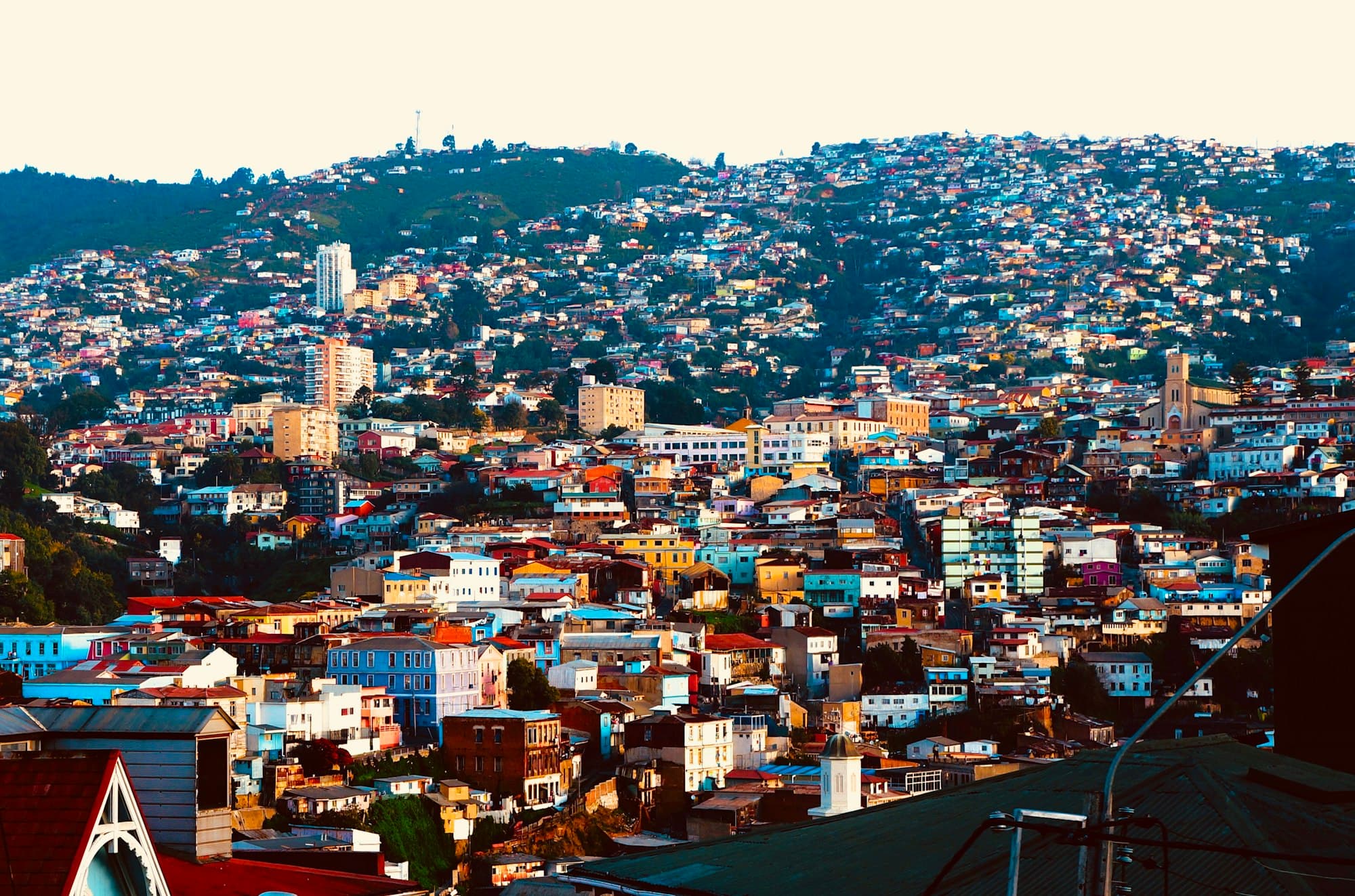
- Capital
- Santiago
- Language
- Spanish
- English proficiency
- 35/100
- Safety index
- 55/100
Who it's for
One permit, two kinds of money

Chile's migration service calls this subcategory 11 of 15: retired foreigners or leasers. The half you land in decides your paperwork.
Jubilado, if a pension pays the bills
You hold a retirement pension granted under the rules of wherever you live now. Public or private both count. There's no minimum age, and you don't have to be done working.
Rentista, if assets do
You live on steady income thrown off by real estate or financial assets. Rent, dividends, interest. The money has to arrive regularly, not in one lump.
The bar, and why nobody publishes it
Either way the test is one sentence: the income has to cover at least your basic needs in Chile, measured against parameters set by the Ministry of Social Development and Family. No dollar figure is published. Firms who file these weekly land on $1,000 to $1,500 a month for one person, plus $500 to $600 for each family member.
Retirement and Periodic Income Visa
For individuals with a stable source of passive income, such as pensions, rental income, or dividends. Applicants must demonstrate financial self-sufficiency and provide health insurance coverage. The application is submitted online through the Chilean Department of Immigration’s website, with possible interview or biometrics appointment. Processing times and fees may vary by case.
- Processing time
- ~60 days
- Timeline
- Varies, typically 2–4 months
- Difficulty
- Moderate
Key requirements
- Valid U.S. passport
- Background check from the U.S.
- Proof of stable passive income (e.g., pension, rental income, dividends)
- Health insurance coverage
About that data card
The description above is right as far as it goes. It stops short twice. Timing first. The row says 60 days and calls it two to four months. Everyone who files these for a living says six to twelve months instead. The faster figure describes the office that stopped handling these files in 2022. Then there's the fee. Our data holds none for this permit, so here it is. Chile charges by nationality, and the table it publishes today puts an American at $205, plus $15 for an adult dependent. Children are exempt.
The numbers that decide it
$1,000 to $1,500
Monthly income, one applicant
practice, not a published rule
$205
Government fee for a U.S. passport
plus $15 per adult dependent
6 to 12 months
Realistic wait for a decision
no official service standard exists
24 months
Temporary residence before you can apply
12 is possible on income grounds
The application
What you upload, and the two clocks on it
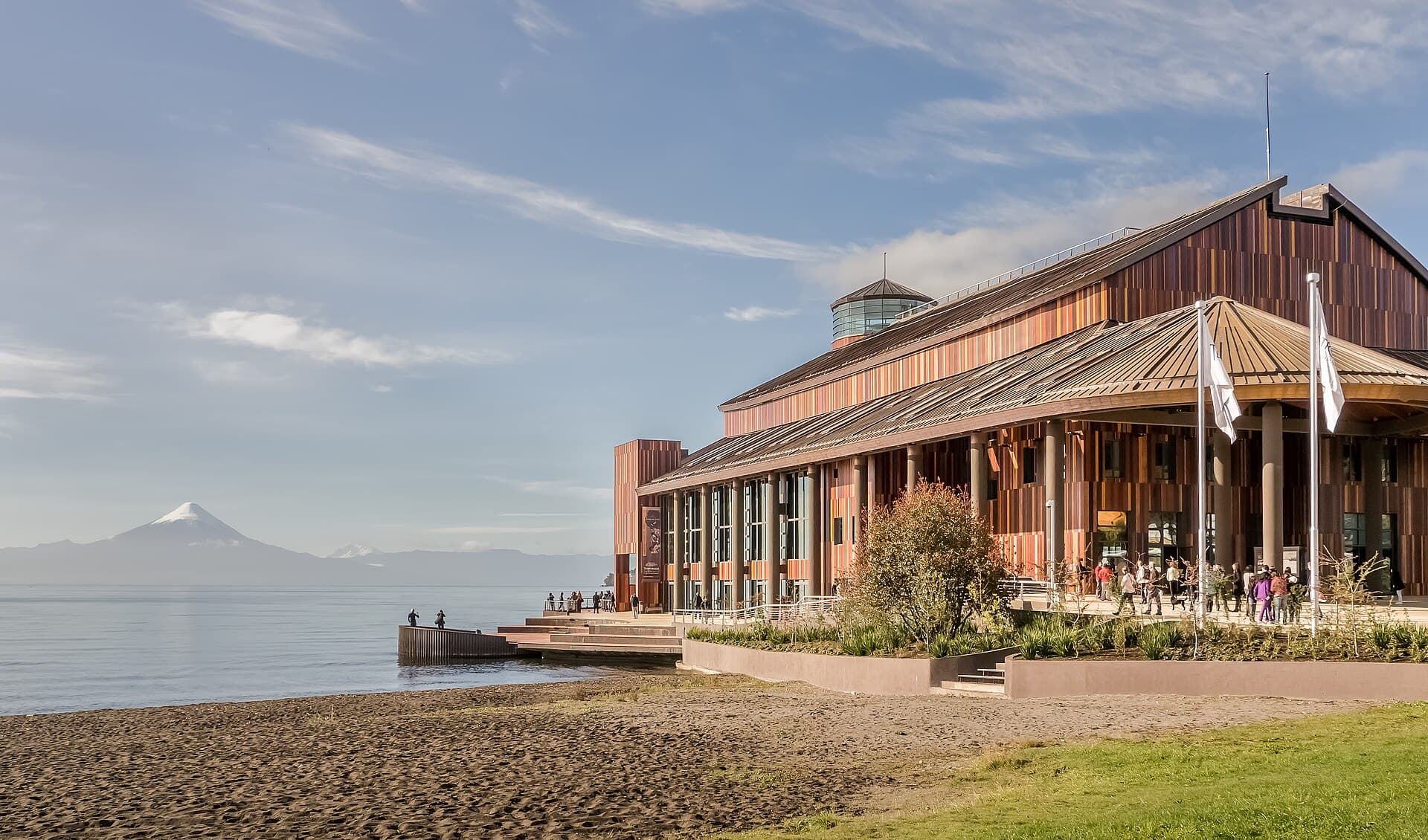
It's all online, on the digital portal the migration service runs, and you file from outside Chile. Since the 2022 law you can't fly in on a tourist stamp and switch. Close family of a Chilean is the exception.
Three lists, and you're on one of them
A pensioner sends five things: passport, criminal record check, a plain photo, the certificate awarding the pension with the amount and period on it, and receipt for the latest payment. That last one catches people. A landlord sends proof of ownership, the lease that obliges someone to pay them on a schedule, and evidence the rent arrives. Someone living on investments sends a certificate showing the assets are theirs and documents showing what those assets pay out.
Two expiry clocks, running at different speeds
Anything issued by a private party is good for 30 days. Anything from a government office is good for 60. Your passport has to have a year left on it. So you can't order the whole pile in one afternoon and expect it to still be valid together.
English is fine, and that surprises people
The rule is that documents in a language other than Spanish or English need a certified translation. Yours are in English. They still need an apostille and have to be PDFs, but no translator required.
Passive means passive
Here's the catch that bounces files. A salary from a remote employer isn't passive income. Neither is a freelance invoice, however reliably it shows up. Chile reads both as work, and work belongs in a different subcategory. If you're a remote worker who also owns a rental, you qualify on the rental, not on the job.
The tax question
Where a foreign pension actually gets taxed

Guides lead with Chile's three quiet years, the window where a new foreign resident owes tax only on Chilean income. For a pensioner, there's a better rule underneath it.
Chile doesn't count it as income at all
Article 17 of the income tax law lists what isn't income; item 17 is pensions from a foreign source. Not a deduction, not a holiday. It never enters the Chilean base. The tax office has said in writing that your nationality has nothing to do with it. That rule is permanent, so the three-year clock is beside the point for a pension.
Social Security has its own rule
The U.S. and Chile finally have a tax treaty, in force since December 2023. Article 18 says social security payments are taxable only by the country paying them. Your check stays a U.S. matter for good.
The rentista half is a different story
Rent, dividends and interest from abroad are ordinary income. They get the three-year window and nothing more. After that, Chile taxes them worldwide. A regional tax director can extend the window in qualified cases. Your U.S. return never stops either way.
What the permit turns into
An ID card in 30 days
Residents have 30 days from the day the permit starts to collect a cédula at the civil registry.
Two years, then two more
Temporary residence runs up to two years and can be extended for two additional years.
A health system to join
Public FONASA or a private isapre, and the cédula is what gets you into either one.
A 90-day filing window
The permanent residency application has to go in no later than 90 days before your permit expires.
A passport at five years
Citizenship opens after five years of residence, and Chile has allowed dual nationality since 2005.
A limit on how long you leave
Long absences stretch the wait for permanent residency. Once you have it, two continuous years abroad cancels it.
Four calls worth making first

Legalize That Doc
Document Preparation
This is a sequencing problem before it is a paperwork problem. A police check dies at 60 days and a pension statement at 30, so what you request first decides whether the set is still valid together. Legalize That Doc pulls the FBI record and gets it apostilled.
MyExpatTaxes
U.S. Expat Tax Service
Chile's pension rule and the treaty's Social Security rule both point at Washington. Ask MyExpatTaxes what that leaves you to work with at filing time, since a credit needs foreign tax paid and a pension Chile exempts produces none.

Hunter Schultz
Healthcare Coach
The two systems are legally incompatible, so this is a single decision rather than a shopping list. Hunter Schultz works that choice for a living. The private side asks a health questionnaire and prices by age. The public fund does neither.

Miss Rosa Spanish Lessons
Spanish Language Teacher
Agustina teaches Latin American Spanish. Worth starting the month you file, not the month you land. The permanent residency application runs in Spanish only, and the citizenship interview is a real conversation.
Seven questions people send us
Does Chile tax my U.S. Social Security or my pension?
No on both, and for two separate reasons. Chilean law lists foreign pensions among the things that don't count as income at all. And the U.S. tax treaty gives Social Security payments to the country that pays them. Money you earn inside Chile is taxable normally, and you keep filing with the IRS.
Can I apply from inside Chile as a tourist?
No. This one has to be filed from outside the country through the digital portal, and you travel once the visa is issued. The 2022 law closed the old tourist-to-resident switch. The narrow exception is a close family tie to a Chilean or a permanent resident.
Can you work in Chile on the retirement visa?
Yes. Chile's migration law says temporary residents may carry out paid activities, and this permit is a temporary residence. Employment, freelancing and running your own business are all open to you. A few guides say the opposite. They're reading the name of the visa instead of the law.
How long does the Chile retirement visa take?
Plan on six to twelve months for a decision, plus a month or two up front for apostilles. Older pages still quote two to three months, which was the pre-2022 system. No agency publishes a target, so treat every number you read, ours included, as an estimate.
How soon can I get permanent residency or citizenship?
Permanent residency normally comes after 24 months of temporary residence. The law lets it drop to 12 in certain circumstances, and having income or a pension is one of the grounds it names, though the decision isn't automatic. Citizenship opens at five years, and you keep your U.S. passport.
Can my spouse and children come with me?
Yes. Spouses, civil partners, children under 18, children with a disability and students aged 18 to 24 can apply as dependents under the migration law. Your income has to stretch over them, so every extra person raises the bar you have to document.
How much income do you need for the Chile retirement visa?
Chile publishes no minimum. The legal test is that your income covers at least your basic needs, judged against parameters from the Ministry of Social Development and Family. Firms that file these say $1,000 to $1,500 a month works for one person, plus $500 to $600 per dependent. Document well above the line, not at it.
Put Chile next to the alternatives
Tell us your income, your timeline and what you want your week to look like. We'll tell you where you fit.
Why not you?