Durrës: beach life in Albania's port city, a short drive from Tirana
What it costs, how safe it feels, and whether it works for retiring or moving abroad from the U.S.
- 101,728
- Population (2023)
- $1,200/mo
- Monthly budget · single
- 59°F / 15°C
- Avg temperature
Budget about $1,200 a month for one person in Durrës, about $2,000 for a couple, and about $2,900 for a family of four. A one-bedroom near the center rents for about $500 a month, or about $350 farther out, and home internet is about $20. These are Expatsi estimates as of October 2026, so treat them as a starting range.
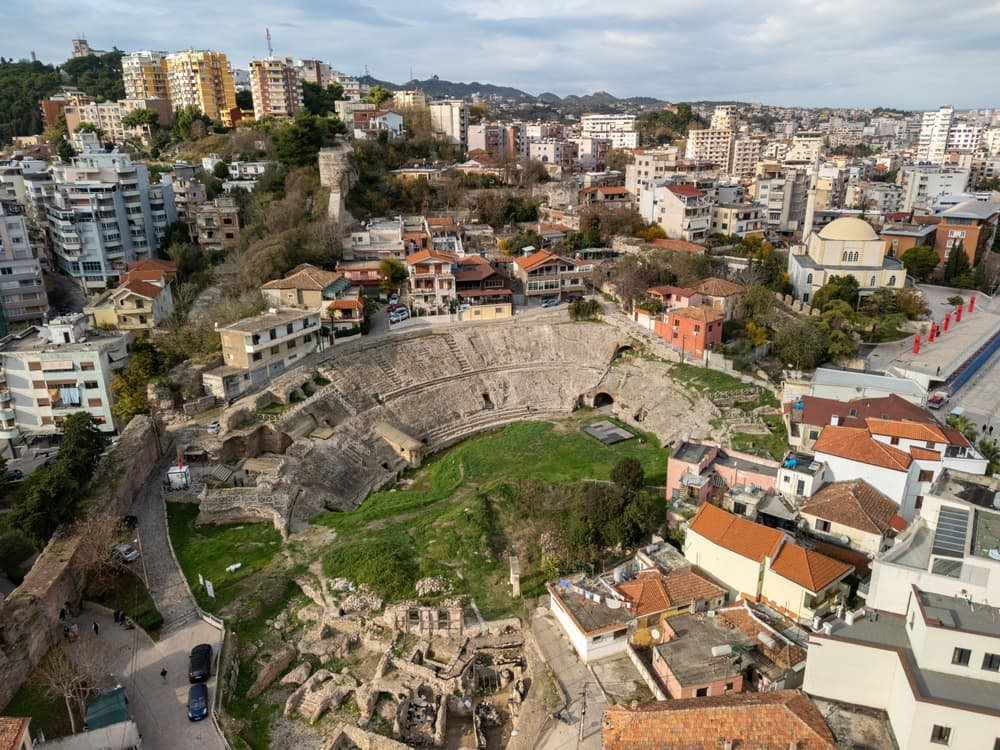
Durrës is Albania's main port, a city of about 101,700 people on the Adriatic, with a Roman amphitheater in the middle of town and a long promenade along the beach. Tirana's airport is about 37 km (23 miles) away, and the capital's bigger hospitals are about 35 km (22 miles) off. It suits people who want the sea without living in a resort town: remote workers, retirees who want Tirana within reach, and anyone happy to walk to the beach.
It's a weaker fit if you want peace and quiet in July and August. The seafront is lined with apartment blocks, and summer weekends get crowded and loud.

Reviewed and updated October 8, 2026 · 4 min read
At a glance
$1,200
Monthly budget · single person
$500/mo 1-bed rent, center
66/100
Safety index
$20
Internet / month
59°Fannual average
Jan 44° · Jul 75°
Climate
101,728
Population (2023)
Expatsi estimates, updated Oct 2026, based on rental listings, government statistics, and local reporting.
Cost of living
What it costs to live in Durrës
Single person
$1,000–$1,500/mo
about 60% below Austin, TX
Couple
$1,600–$2,400/mo
about 55% below Austin, TX
Family of four
$2,400–$3,400/mo
about 65% below Austin, TX
Compared with Austin, TX (Expatsi estimate, 2026).
- $7 −65%
- Inexpensive meal
- $400–$550/mo −74%
- 1-bed rent, center
- $300–$400/mo −74%
- 1-bed rent, outside
- $20/mo −69%
- Internet
- $149/sq ft −77%
- Buy price, center
Expatsi estimates, updated Oct 2026, based on rental listings, government statistics, and local reporting.
Daily life
How Durrës lives
- B grade, 41st percentile among the cities we track
- Dining & caféstypical
- C grade, 15th percentile among the cities we track
- Arts & culturemodest
- C+ grade, 18th percentile among the cities we track
- Parks & outdoorsmodest
- B- grade, 26th percentile among the cities we track
- Schools & educationtypical
- B+ grade, 58th percentile among the cities we track
- Healthcare accessstrong
- C+ grade, 20th percentile among the cities we track
- Bike infrastructuremodest
- C+ grade, 24th percentile among the cities we track
- Public transitmodest
- A grade, good physical accessibility
- Accessibilitygood
Graded on OpenStreetMap amenity density relative to the 298 cities we track. Accessibility is the exception: it's graded against a fixed standard (terrain steepness and sidewalk surfaces), not a curve.
Climate
Weather through the year
Annual average 59°F (15°C) · 49 in of rain a year · Source: Meteostat station normals (13615, 1961-1990)
On the ground
Scenes from Durrës
Getting around
Transport in Durrës
The amphitheater, the port and the seafront promenade are all in the middle of town, so a lot of daily life happens on foot. Vollga, a quiet residential area just south of the center and close to the beach, is popular with foreigners. For longer trips, take a taxi and agree on the fare before you get in. Ride-hailing apps aren't a reliable option in Albania.
For Tirana, you'll take an intercity bus or a furgon, the shared minibuses that leave when they fill. A rebuilt rail line between Durrës, Tirana and the airport was still closed to the public as of May 2026, and officials now say 2027. The airport is roughly 37 minutes away by car, and most people book a transfer or a taxi. Ferries run year-round from the port to Bari and Ancona in Italy, usually overnight.
You don't need a car to live here. If you do drive, bring an International Driving Permit along with your U.S. license, and know that Albania's legal blood alcohol limit is 0.01 percent, effectively zero.
- 4.4/sq mi
- Transit stops
- 0.1/sq mi
- Bike infrastructure
- 1.7/sq mi
- Wheelchair-accessible places
Mapped features per square mile from OpenStreetMap.
Keep exploring
Places like Durrës
 Coming soon
Quetzaltenango
Guatemala
207.6K people · $1,200/mo
 Coming soon
Vlorë
Albania
66.3K people · $1,200/mo
Burgas
Bulgaria
189.1K people · $1,200/mo
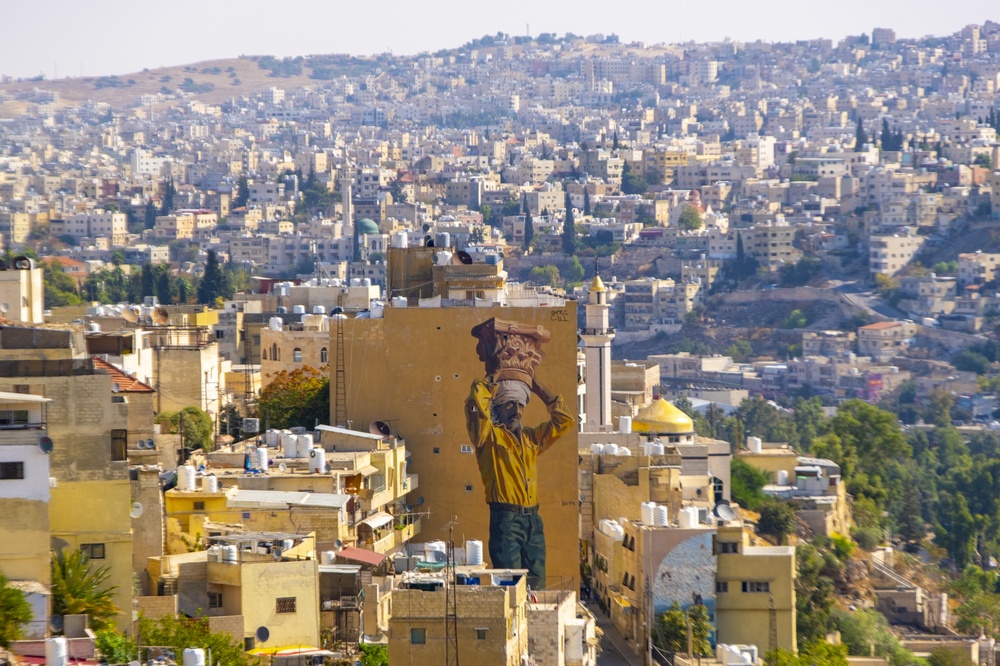
Amman
Jordan
4M people · $1,200/mo
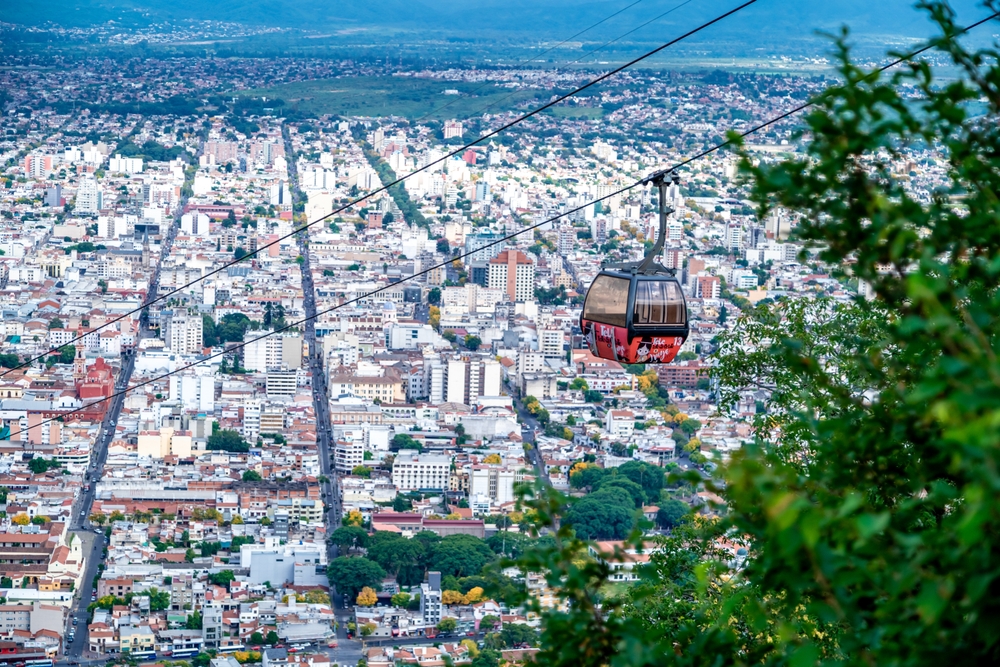 Coming soon
Salta
Argentina
594.8K people · $1,100/mo
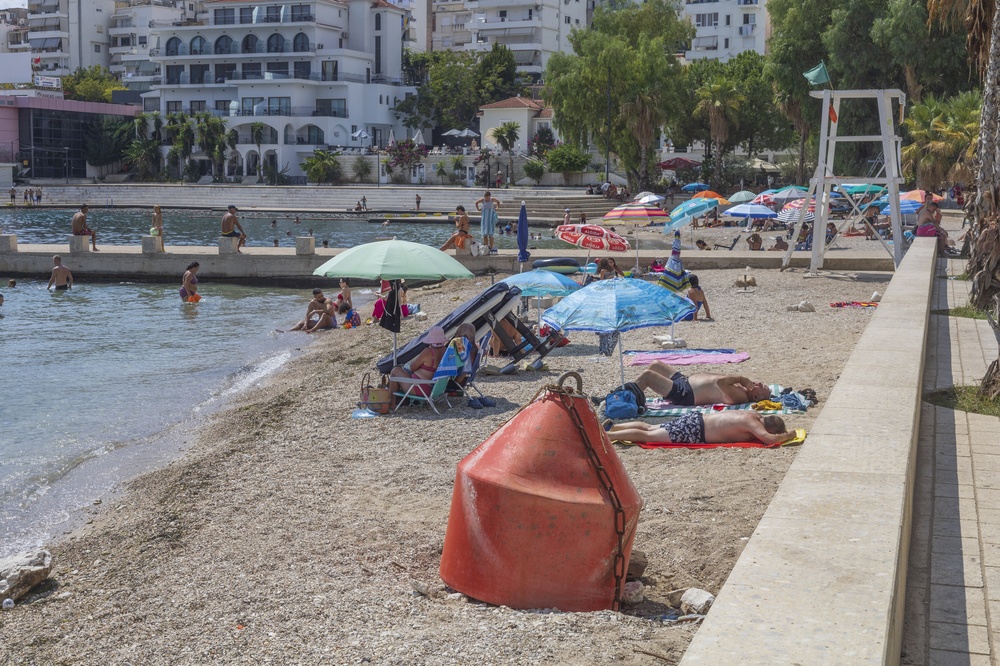 Coming soon
Sarandë
Albania
22.6K people · $1,200/mo
Community & practical notes
What everyday life in Durrës asks of you
The expat crowd
Durrës has a growing expat community, though in summer most foreigners you'll meet are tourists. Younger Albanians often speak English. For leases, offices and older neighbors, learn some Albanian or keep a translation app handy. Kelly McCoy, an Albania local guide in Expatsi's expert network, lives in Durrës and can show you around before you commit.
Doctors and hospitals
The city has a public regional hospital, Spitali Rajonal Durrës, and a private one, American Hospital Durrës. For specialists and major surgery, people go to Tirana. The U.S. State Department warns that public clinics lack basic supplies, care isn't free, and staff may speak little English. Medicare doesn't pay for care abroad, so carry private health coverage that includes medical evacuation. Hunter Schultz, Expatsi's healthcare coach, and ExpatInsure can help you choose a plan. For emergencies, dial 112. Don't drink the tap water.
Working online
Home internet runs about $20 a month. We couldn't confirm a coworking space in Durrës to point you to, so plan on working from home or a café, with mobile data as a backup.
If you're retiring
Durrës works for retirees who want a beach town with the capital's hospitals a short drive away. Americans can stay in Albania for up to a year from first entry without a visa, so you can try a wet, mild winter here before deciding. To stay longer, you'll need a residence permit. Start with Albania's Retirement Permit, our Albania guide, and our overview of visas for retiring abroad.
LGBTQ expats
Same-sex relations are legal, and a 2010 anti-discrimination law covers sexual orientation and gender identity. Same-sex marriage and civil unions aren't recognized, though, and public attitudes rank among the least accepting in Europe. We didn't find any LGBTQ venues or groups in Durrës.
Black Americans
We couldn't find enough first-hand accounts from Black Americans living in Durrës to describe daily life here, and we'd rather say so than guess. Use the visa-free stay to spend a few weeks in the city first, and ask Kelly McCoy, our Durrës-based guide, to introduce you to people who live there.
Limited mobility
Durrës is hard going for wheelchair users. The State Department says that outside Tirana, accessible infrastructure and specialized services are generally unavailable, and that public transportation offers limited access. If mobility is a concern, look for buildings with an elevator and visit before you sign a lease.
Housing
Renting and buying
- 1-bed rent (center)
- $400–$550/mo
- 1-bed rent (outside center)
- $300–$400/mo
- Buy price (center)
- $149/sq ft
- Buy price (outside center)
- $102/sq ft
Expatsi estimates, based on rental listings, government statistics, and local reporting.
Good to know
Frequently asked questions
Is there a train from Durrës to Tirana?
Not yet. A rebuilt line linking Durrës, Tirana and Tirana's airport was still closed to the public as of May 2026, and Albanian officials now say it will open in 2027. Until then, people travel between the two cities by intercity bus, furgon (shared minibus), taxi or car.
Is Durrës safe for Americans?
Durrës scores 66 out of 100 on Expatsi's safety index. The U.S. State Department rates Albania Level 2, "exercise increased caution," because of crime (August 2026). The crimes it lists most often are robbery, theft, vehicle break-ins and pickpocketing in tourist areas. Albania also has a high rate of traffic accidents, so take care on the roads.
What is the weather like in Durrës?
Durrës has hot, dry summers and mild, wet winters. Average highs are near 87F in July and August and near 53F in January, when average lows are near 35F. November is the wettest month.
How much does it cost to live in Durrës, Albania?
Expatsi estimates, as of October 2026, put most single budgets in Durrës between $1,000 and $1,500 a month. Couples typically spend $1,600 to $2,400, and a family of four $2,400 to $3,400. A one-bedroom near the center rents for $400 to $550 a month, and one outside the center for $300 to $400.
Is Durrës a good place to retire?
Yes, for retirees who want to live by the sea and stay close to Tirana, whose bigger hospitals are about 35 km (22 miles) away. It's less suited to anyone who wants quiet summers or needs step-free streets. Medicare doesn't cover care in Albania, so plan on private health coverage, and apply for a residence permit if you'll stay past a year.
Do people speak English in Durrës?
Many younger Albanians in Durrës speak some English, but leases, official forms and older residents are mostly in Albanian. Learning basic phrases and keeping a translation app on your phone makes daily errands much easier.
How long can Americans stay in Albania without a visa?
U.S. citizens can stay in Albania for up to one year from their first entry without a visa, according to the U.S. State Department. If you plan to stay longer than a year, or to work or study, you need a residence permit.
See how Durrës fits your life
Take the free Expatsi Test and compare Albania to over 100 countries on what actually matters: cost, healthcare, climate, and safety. About five minutes.
Why not you?