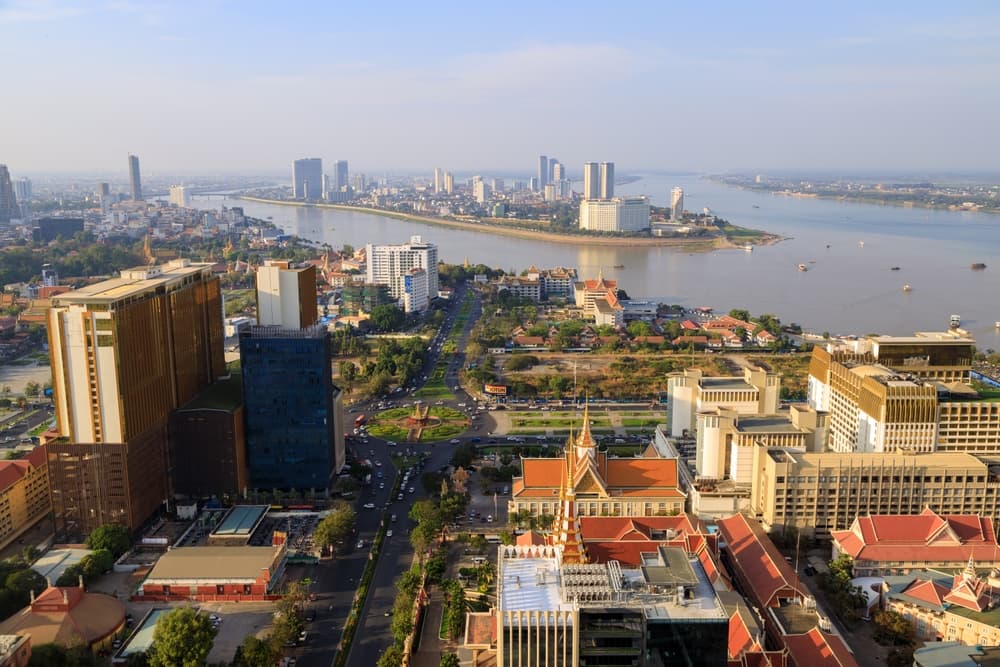
Living in Phnom Penh: dollar rents, a river capital, and real tradeoffs
What a move to Cambodia's capital costs, how safe it is for Americans, and who it suits, including retirees and remote workers.
- 2,129,371
- Population (2019)
- $1,500/mo
- Monthly budget · single
- 83°F / 29°C
- Avg temperature
Plan on about $1,500 a month for one person in Phnom Penh, with most single budgets landing between $1,200 and $1,800 (2026 figures). A couple needs around $2,200 and a family of four about $3,200. Rent and most bills are paid in U.S. dollars, and a one-bedroom in the center runs about $700, roughly $550 to $850 depending on the building. Farther out, expect closer to $450.
Phnom Penh is Cambodia's capital and its expat base, a flat river city of about 2.1 million people (2019 count). It suits people who want an energetic Asian capital on a modest budget, with the country's widest choice of private clinics, international schools, and cafes, and who don't mind heat that averages about 84 F (28.6 C) across the year.
It's a harder fit if you want to walk everywhere or feel relaxed holding your phone at the curb. The U.S. State Department rates Cambodia Level 2, exercise increased caution (September 2026), and says U.S. citizens are among the victims of the country's street crime.

Reviewed and updated October 15, 2026 · 4 min read
At a glance
$1,500
Monthly budget · single person
$700/mo 1-bed rent, center
45/100
Safety index
$15
Internet / month
83°Fannual average
Dec 80° · Apr 87°
Climate
2,129,371
Population (2019)
Expatsi estimates, updated Oct 2026, based on rental listings, government statistics, and local reporting.
Cost of living
What it costs to live in Phnom Penh
Single person
$1,200–$1,800/mo
about 50% below Austin, TX
Couple
$1,800–$2,600/mo
about 50% below Austin, TX
Family of four
$2,600–$3,800/mo
about 60% below Austin, TX
Compared with Austin, TX (Expatsi estimate, 2026).
- $4 −80%
- Inexpensive meal
- $550–$850/mo −64%
- 1-bed rent, center
- $350–$550/mo −67%
- 1-bed rent, outside
- $15/mo −77%
- Internet
- $214/sq ft −67%
- Buy price, center
Expatsi estimates, updated Oct 2026, based on rental listings, government statistics, and local reporting.
Daily life
How Phnom Penh lives
- A grade, 89th percentile among the cities we track
- Dining & cafésstandout
- B+ grade, 56th percentile among the cities we track
- Arts & culturestrong
- B- grade, 34th percentile among the cities we track
- Parks & outdoorstypical
- A- grade, 75th percentile among the cities we track
- Schools & educationstrong
- A grade, 89th percentile among the cities we track
- Healthcare accessstandout
- C- grade, 0th percentile among the cities we track
- Bike infrastructuremodest
- B grade, 44th percentile among the cities we track
- Public transittypical
- A grade, good physical accessibility
- Accessibilitygood
Graded on OpenStreetMap amenity density relative to the 369 cities we track. Accessibility is the exception: it's graded against a fixed standard (terrain steepness and sidewalk surfaces), not a curve.
Climate
Weather through the year
Annual average 83°F (29°C) · 58 in of rain a year · Source: Meteostat station normals (48991, 1991-2020; no sunshine data); sunshine: Phnom Penh (temperature: 1988–2013 extremes: 1906–2013) via en.wikipedia.org/wiki/Phnom_Penh
On the ground
Scenes from Phnom Penh
Getting around
Transport in Phnom Penh
Most newcomers get around by app. PassApp and Grab are the two main ride-hailing services, and Grab takes a credit card, so you don't have to carry cash for every trip. For short hops, tuk-tuks are the pleasant everyday option. Once you've settled in, it pays to get to know a few drivers you trust: regulars mean lower prices and less explaining where you're headed.
The city now has a small network of air-conditioned buses with inexpensive fares. It's useful on the routes it covers, but it isn't something you can plan a daily routine around yet.
Walking is the weak spot. The city is flat, but sidewalks are scarce, and the ones that exist are mostly used for motorbike parking. Plan to walk a block or two and ride for everything else.
Few expats need a car. Traffic is chaotic, and the State Department warns that Cambodian drivers routinely ignore traffic laws. Renting a motorbike by the week or month is common, though it only makes sense if you're already a confident rider. If you drive anything, the State Department says you'll need an International Driving Permit.
- 17/sq mi
- Transit stops
- 0.0/sq mi
- Bike infrastructure
- 1.6/sq mi
- Wheelchair-accessible places
Mapped features per square mile from OpenStreetMap.
Keep exploring
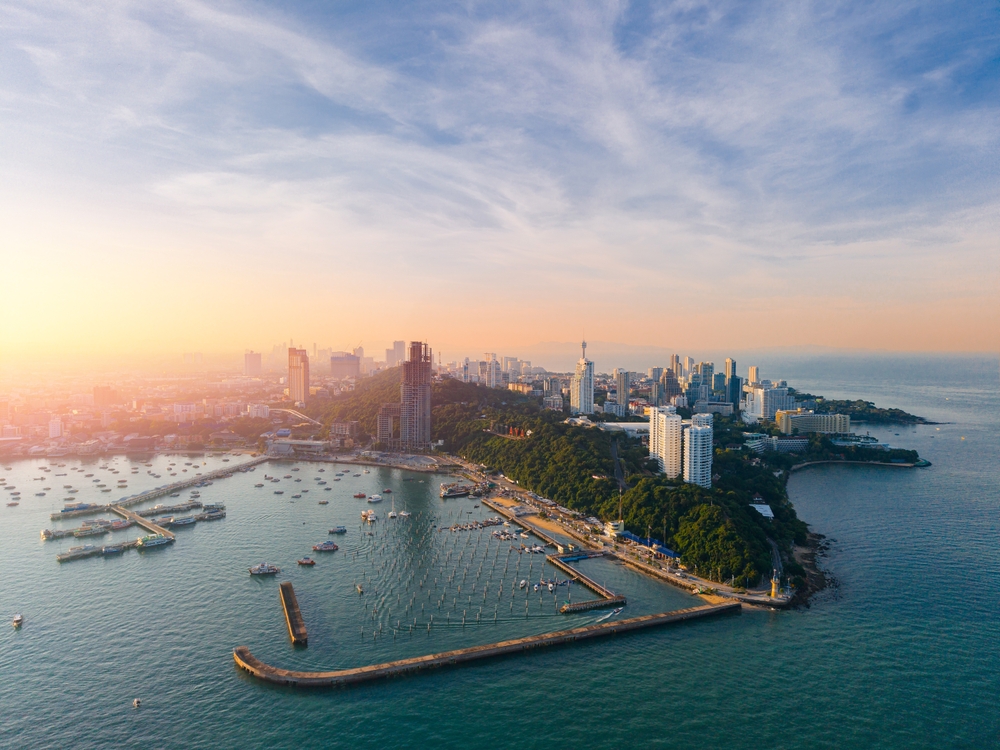
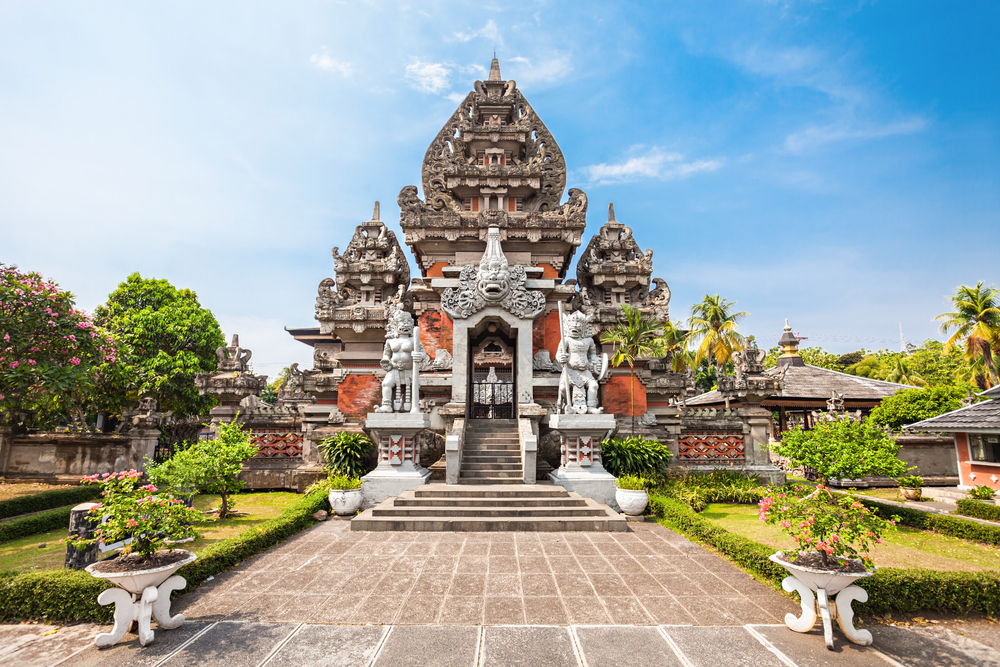
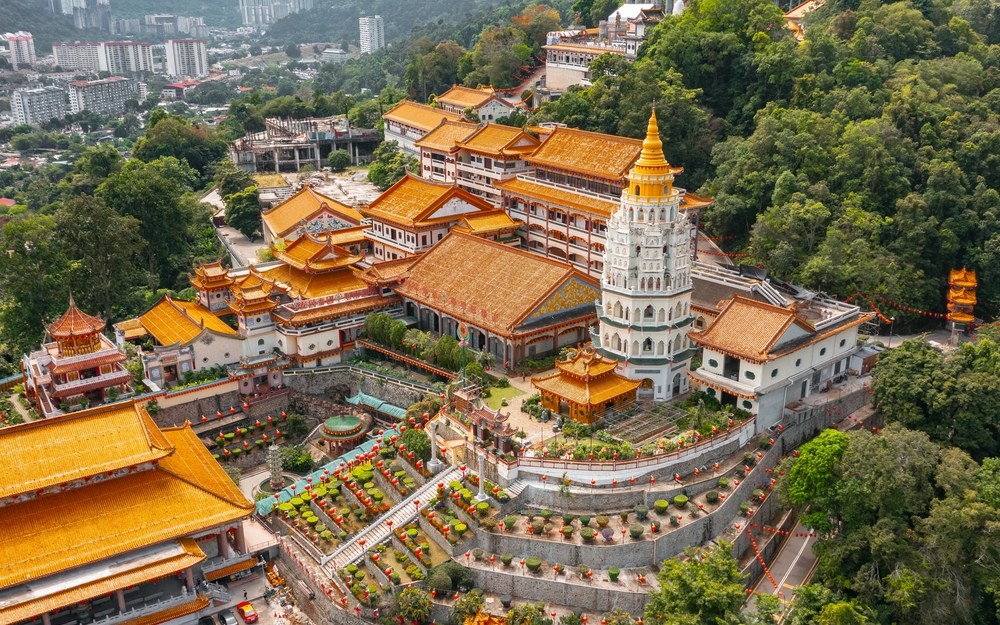
Places like Phnom Penh
Community
Community & practical notes
Community: Phnom Penh is where most of Cambodia's foreign residents land; social life tends to orbit the riverside promenade along Sisowath Quay and the city's cafe scene. Because rent and daily bills run in dollars, Americans skip the usual currency math on day one.
LGBTQ expats: Same-sex relationships are legal in Cambodia, but same-sex marriage isn't recognized. Phnom Penh has a solid set of gay and gay-friendly bars, plus drag shows. Public affection is frowned on for couples of any orientation, so most people keep it low-key in public. Traditional Khmer culture recognizes gender identities beyond the binary, yet transgender Cambodians often face discrimination.
Black Americans: We couldn't find reliable, recent reporting on what daily life is like for Black Americans in Phnom Penh, and the State Department's Cambodia page doesn't address race. Before you commit, talk with Black expats living there now about how they're treated in housing, at work, and day to day.
Healthcare: Expats mostly use private care. Royal Phnom Penh Hospital, run by Thailand's Bangkok Dusit Medical Services, can refer patients to Bangkok Hospital, and Sen Sok International University Hospital and Naga Clinic are other common choices. Most Cambodian hospitals don't accept U.S. health insurance, and the State Department strongly recommends coverage for medical evacuation, so buy an international policy that includes it.
Limited mobility: Phnom Penh is a hard city for wheelchair users. The ground is flat, but most streets have no usable footpath, curb cuts are rare, and city buses have steps at the door. The State Department says to expect limited accessibility in transport, lodging, and general infrastructure, even though Cambodian law bans disability discrimination. Plan on door-to-door rides and check building entrances in person before signing a lease.
Remote work: Home internet runs about $15 a month. Coworking spaces cater to the remote crowd, but plan around the wet season: September and October are the rainiest months, so keep mobile data as a backup.
Retirement: Cambodia offers retirees a renewable stay through its retirement (ER) visa extension. See our Cambodia retirement visa guide, compare retirement visa options, or read the full Cambodia guide.
Housing
Renting and buying
- 1-bed rent (center)
- $550–$850/mo
- 1-bed rent (outside center)
- $350–$550/mo
- Buy price (center)
- $214/sq ft
- Buy price (outside center)
- $130/sq ft
Expatsi estimates, based on rental listings, government statistics, and local reporting.
Good to know
Frequently asked questions
Is Phnom Penh LGBTQ friendly?
Phnom Penh is generally tolerant, with a set of gay and gay-friendly bars and a drag scene. Same-sex relationships are legal in Cambodia, but same-sex marriage isn't recognized, and public affection is frowned on for couples of any orientation. Transgender Cambodians often face discrimination.
How much is rent in Phnom Penh?
A one-bedroom apartment in central Phnom Penh rents for about $700 a month, usually between $550 and $850 (2026 figures). Outside the center, a one-bedroom averages about $450. Leases are normally priced and paid in U.S. dollars.
Is Phnom Penh safe for Americans?
Phnom Penh is livable for Americans who take street crime seriously. As of September 2026, the U.S. State Department rates Cambodia Level 2, exercise increased caution, and says armed robberies occur frequently, with U.S. citizens among the victims. Keep phones and bags away from the street side, especially near passing motorbikes.
What is healthcare like in Phnom Penh?
Expats in Phnom Penh mostly use private hospitals and clinics such as Royal Phnom Penh Hospital, Sen Sok International University Hospital, and Naga Clinic. Royal Phnom Penh Hospital can refer complex cases to Bangkok Hospital. The U.S. State Department strongly recommends insurance that covers medical evacuation.
Can I retire in Phnom Penh?
Yes. Cambodia offers retirees a renewable stay through its retirement (ER) visa extension, and Phnom Penh has the country's widest choice of private clinics. Most Cambodian hospitals don't accept U.S. health insurance, so retirees should carry an international policy that includes medical evacuation.
How much does it cost to live in Phnom Penh?
A single person in Phnom Penh typically spends about $1,500 a month in U.S. dollars, with most budgets between $1,200 and $1,800 (2026 figures). A couple spends around $2,200 a month and a family of four about $3,200. Rent is the biggest line item.
Can you use U.S. dollars in Phnom Penh?
Yes. Rent and most household bills in Phnom Penh are paid in U.S. dollars, so many Americans can budget without converting currency.
When is the rainy season in Phnom Penh?
Rain builds from May and peaks in September and October in Phnom Penh, while December through February is the dry season. It's hot all year: the city averages about 84 F (28.6 C), and April average highs reach about 96 F (35.5 C).
See how Phnom Penh fits your life
Take the free Expatsi Test and compare Cambodia to over 100 countries on what actually matters: cost, healthcare, climate, and safety. About five minutes.
Why not you?