Manila for Americans: big hospitals, international schools, heavy traffic
Most expats live in Makati or BGC rather than the old city. Here's what the capital costs, how safe it is, and who it suits.
- 1,902,590
- Population (2024)
- $1,400/mo
- Monthly budget · single
- 82°F / 28°C
- Avg temperature
A single person in Manila spends about $1,400 a month in U.S. dollars. A couple runs about $2,100, and a family of four about $3,200. A one-bedroom near the center rents for about $750, or about $450 farther out, and home internet costs about $25 a month.
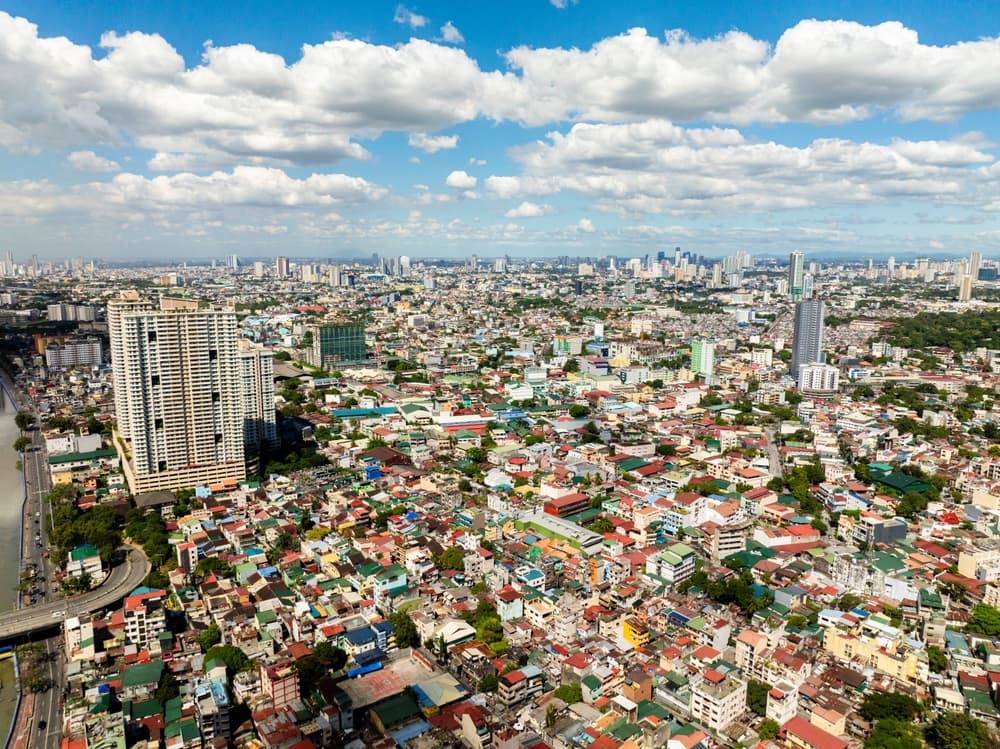
The City of Manila has about 1.9 million people on its own, but most Americans don't live there. They pick Makati or Bonifacio Global City (BGC), separate cities inside Metro Manila with condo towers, walkable business districts, and malls. The metro has the U.S. Embassy, major hospitals, and international schools, so it suits retirees who want specialist care close by, remote workers, and families with school-age kids.
Skip it if you want calm. Traffic eats hours, it's hot and humid all year, and the rainy season brings floods. If you'd rather trade some convenience for quiet, look at a smaller Philippine city instead.

Reviewed and updated October 22, 2026 · 4 min read
At a glance
$1,400
Monthly budget · single person
$750/mo 1-bed rent, center
40/100
Safety index
$25
Internet / month
82°Fannual average
Jan 79° · May 85°
Climate
1,902,590
Population (2024)
Expatsi estimates, updated Oct 2026, based on rental listings, government statistics, and local reporting.
Cost of living
What it costs to live in Manila
Single person
$1,200–$1,700/mo
about 55% below Austin, TX
Couple
$1,700–$2,500/mo
about 55% below Austin, TX
Family of four
$2,500–$3,900/mo
about 60% below Austin, TX
Compared with Austin, TX (Expatsi estimate, 2026).
- $4 −80%
- Inexpensive meal
- $600–$900/mo −62%
- 1-bed rent, center
- $350–$550/mo −67%
- 1-bed rent, outside
- $25/mo −62%
- Internet
- $325/sq ft −50%
- Buy price, center
Expatsi estimates, updated Oct 2026, based on rental listings, government statistics, and local reporting.
Daily life
How Manila lives
- A- grade, 74th percentile among the cities we track
- Dining & cafésstrong
- A- grade, 72nd percentile among the cities we track
- Arts & culturestrong
- B grade, 52nd percentile among the cities we track
- Parks & outdoorstypical
- A- grade, 79th percentile among the cities we track
- Schools & educationstrong
- A- grade, 84th percentile among the cities we track
- Healthcare accessstrong
- B+ grade, 57th percentile among the cities we track
- Bike infrastructurestrong
- A- grade, 78th percentile among the cities we track
- Public transitstrong
- A grade, good physical accessibility
- Accessibilitygood
Graded on OpenStreetMap amenity density relative to the 436 cities we track. Accessibility is the exception: it's graded against a fixed standard (terrain steepness and sidewalk surfaces), not a curve.
Climate
Weather through the year
Annual average 82°F (28°C) · 109 in of rain a year · Source: Meteostat station normals (98430, 1991-2020; no sunshine data)
On the ground
Scenes from Manila
Getting around
Transport in Manila
Grab is the default for newcomers: you book a car in the app and see the fare before you ride. An American posted to Manila in 2024 wrote that most people get around this way, and advised against shipping a nice car over. Pick your home around the places you'll go most often, because a few miles can take an hour at rush hour.
Rail and the busway cover the main corridors. The MRT-3 runs along EDSA, the metro's main ring road, and the LRT-1 serves older districts like Ermita. The EDSA Carousel is a busway in its own lane from Monumento in the north to the PITX terminal in Parañaque, running 24 hours a day and stopping at some MRT-3 and LRT-1 stations. All of it gets packed at peak times.
The Pasig River Ferry, run by the MMDA, links parts of the metro along the river and skips the road traffic. Bad weather shuts it down, though: in August 2026 it was suspended several days in a row.
Jeepneys are the classic low-cost ride, but the routes take local knowledge. Inside Makati's business district and BGC, you can do a lot on foot or through covered walkways and malls.
- 48/sq mi
- Transit stops
- 7.9/sq mi
- Bike infrastructure
- 37/sq mi
- Wheelchair-accessible places
Mapped features per square mile from OpenStreetMap.
Keep exploring
Places like Manila

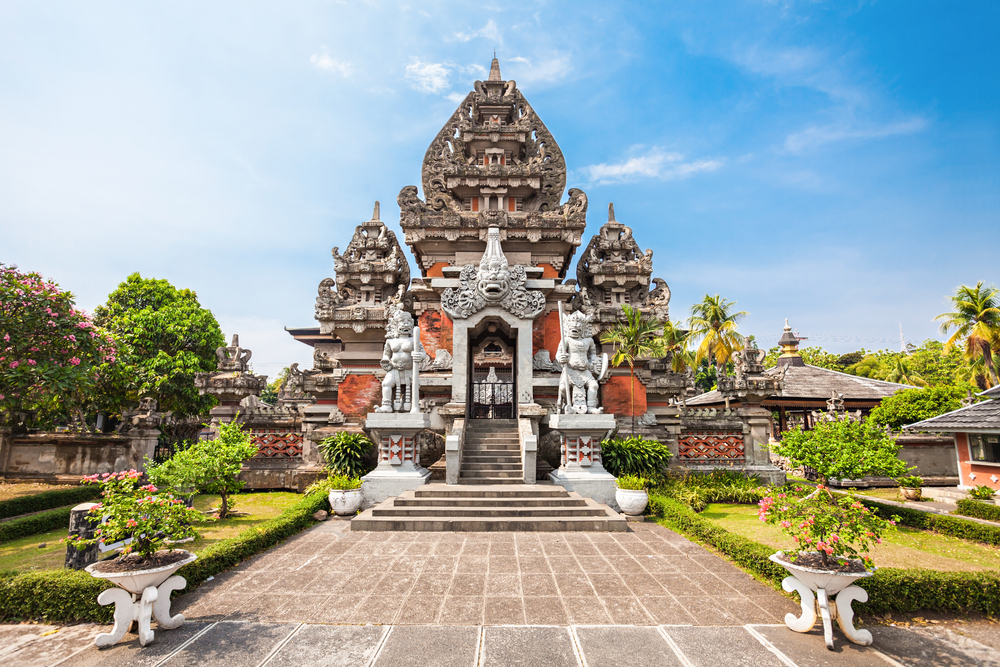
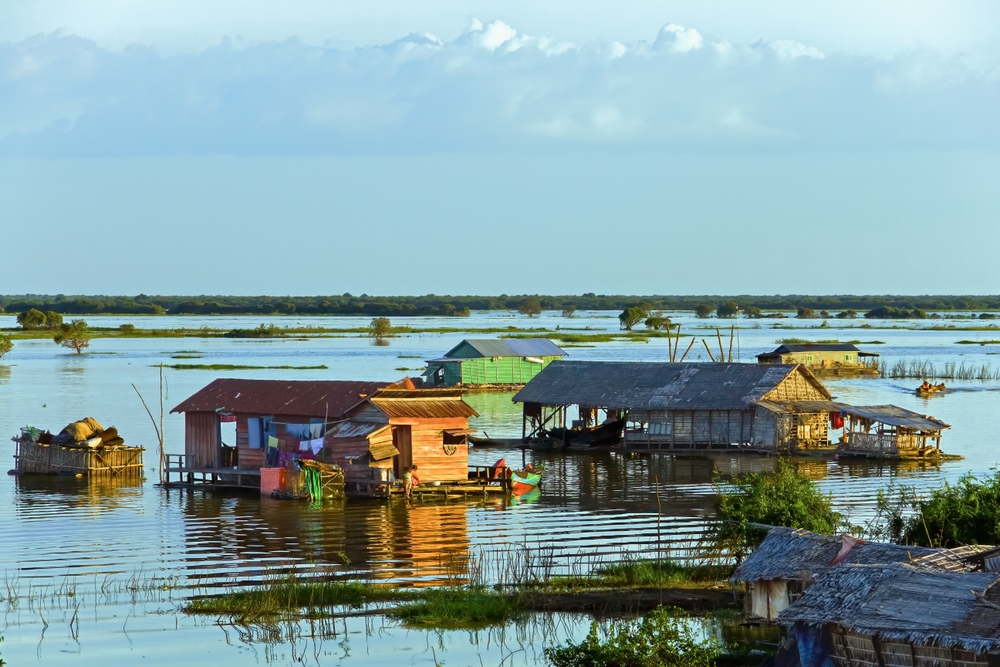
Community
Community & practical notes
Where Americans settle: In Makati, Legazpi and Salcedo villages put you within walking distance of the business district, with parks and the Legazpi Sunday Market; Bel-Air is the gated, higher-cost option. BGC in Taguig is newer and greener, built around condo towers and lifestyle malls. Ortigas Center in Pasig draws professionals and families. Ermita, inside the City of Manila, sits near universities and the LRT-1, and expat guides say to stay alert there.
Healthcare: Makati Medical Center reported in March 2025 that it became the first Philippine hospital accredited under Joint Commission International's 8th Edition standards, and St. Luke's has a campus in BGC. The State Department tells Americans living in the Philippines to carry local health insurance, so set up coverage before you arrive.
Work and school: Coworking is easy to find. KMC, Regus, and WeWork all run centers in Makati around Ayala Avenue and Salcedo Village. For families, International School Manila, founded in 1920, has its campus in BGC and offers the International Baccalaureate.
LGBTQ expats: The City of Manila signed Ordinance 8695, the Manila LGBTQI Protection Ordinance, in October 2020. It bans discrimination based on sexual orientation and gender identity or expression, and Quezon City has a similar law. These are city ordinances, so check the rules where you'll actually live, since Makati and BGC are separate cities.
Black Americans: We found little reporting on daily life for Black Americans in Manila. Talk with Black expats in Philippines-focused online groups before you commit, and rent short-term for a few weeks in the neighborhood you're eyeing before signing a lease.
Limited mobility: Hard going on the street. In a December 2025 walkthrough with officials, people with disabilities found uneven surfaces and missing ramps on EDSA near Ayala, plus stretches with almost no sidewalk. Many crossings are footbridges or underpasses; some newer ones have elevators, while others have only stairs. A condo inside Makati's business district or BGC, plus Grab, is the most workable setup. The accessibility grade above rests on thin street mapping, so treat it as a rough signal.
Retiring here: Manila fits retirees who'd rather live near major hospitals than near a beach. The Philippine Retirement Authority's Special Resident Retiree's Visa (SRRV) is the country's dedicated retiree visa, and guidelines effective September 2025 opened it to applicants aged 40 to 49, with bigger deposits for that age group. Read our SRRV Classic page, compare retirement visa options, and get the full picture in our Philippines guide.
Housing
Renting and buying
- 1-bed rent (center)
- $600–$900/mo
- 1-bed rent (outside center)
- $350–$550/mo
- Buy price (center)
- $325/sq ft
- Buy price (outside center)
- $177/sq ft
Expatsi estimates, based on rental listings, government statistics, and local reporting.
Good to know
Frequently asked questions
Where do expats live in Manila?
Most choose Makati, especially Legazpi, Salcedo, and Bel-Air villages, or Bonifacio Global City (BGC) in Taguig. Both are separate cities within Metro Manila with walkable business districts, malls, and condo towers. Ortigas Center in Pasig is another option for professionals and families.
How much does it cost to live in Manila per month?
Most single people in Manila spend between $1,200 and $1,700 a month in U.S. dollars (2026 estimate), depending mostly on neighborhood and rent. A one-bedroom outside the center usually rents for $350 to $550 a month, while Makati and BGC sit at the top of the range. Imported American groceries cost noticeably more than local food.
Is Manila safe for Americans?
It takes street smarts. The U.S. State Department rates the whole Philippines Level 2, Exercise increased caution, citing crime, terrorism, unrest, and kidnapping, and warns that criminals have robbed travelers shortly after leaving Manila's NAIA airport. Phone snatching on the street is a common complaint. Most expats live in guarded condo buildings in Makati or BGC and use Grab instead of hailing rides on the street.
Do I need a visa to move to Manila?
For a stay longer than 30 days, yes. Americans who want to live there long term usually look at the retiree visa (SRRV), a work visa, or a marriage visa. The State Department also notes that anyone staying more than six months must get an Emigration Clearance Certificate before leaving the country.
Can I retire in Manila as an American?
Yes. The Special Resident Retiree's Visa (SRRV), run by the Philippine Retirement Authority, lets you live in the Philippines indefinitely while you keep a required deposit in an accredited bank. Under guidelines effective September 2025, SRRV Classic applicants aged 50 and over deposit $15,000 if they have a pension or $30,000 if not, and the main application fee is $1,500. Applicants aged 40 to 49 can now apply too, with larger deposits.
What's the weather like in Manila?
Hot year-round. Average highs run about 87 F in January and peak around 94 F in April. The wet season runs roughly June through October, and August is the rainiest month, with about 109 inches of rain falling in a typical year. Flooding and typhoon disruptions are part of life in those months.
See how Manila fits your life
Take the free Expatsi Test and compare Philippines to over 100 countries on what actually matters: cost, healthcare, climate, and safety. About five minutes.
Why not you?