Bangkok: big-city life from about $1,700 a month
Rent, safety, getting around, and retiring in Thailand's capital, written for Americans weighing the move.
- 5,676,648
- Population (2018)
- $1,700/mo
- Monthly budget · single
- 85°F / 30°C
- Avg temperature
A single person can live comfortably in Bangkok on about $1,700 a month in U.S. dollars, and most land somewhere between $1,400 and $2,000. Couples budget around $2,600, and a family of four about $3,800 (2026 figures). A one-bedroom in the center averages about $650 a month, or closer to $450 farther out. A meal at a casual spot is about $3, and home internet runs around $20.
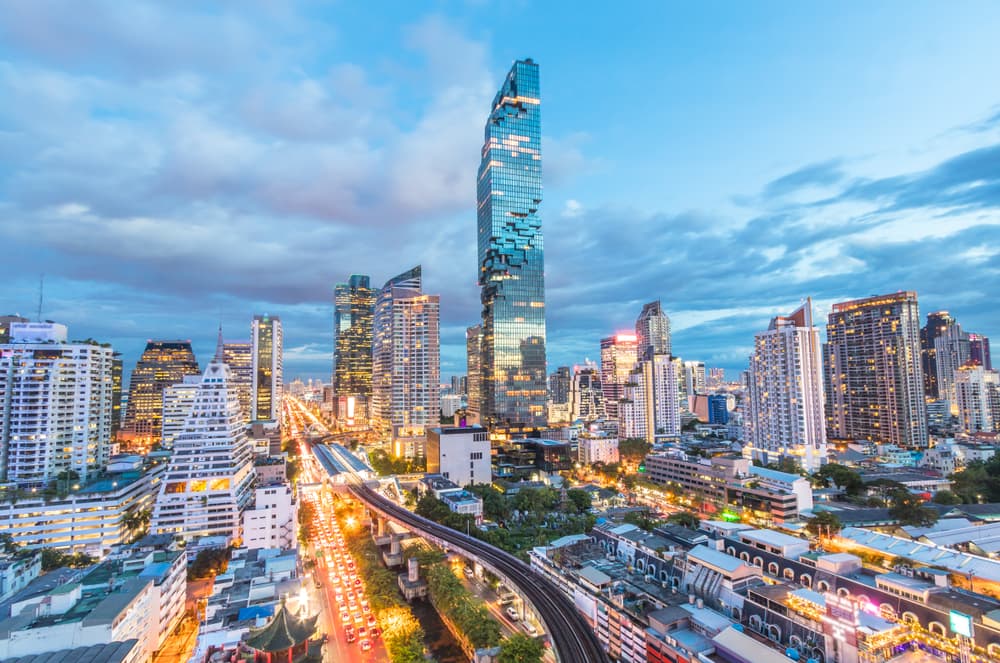
Bangkok fits remote workers, retirees who want major hospitals close by, and anyone who'd pick a megacity's energy over a beach town's quiet. The expat neighborhoods each have their own feel: Sukhumvit is dense and international, Sathorn leans toward offices and towers, and Ari is greener and slower, with plenty of cafés. About 5.7 million people lived in the city proper at the 2018 count.
The hard parts are physical. Average highs sit near 90F even in December and climb to about 96F in April. The rainy season soaks the city from about May through October, traffic can eat an hour of your day, and in the cooler, drier months haze can push the air into unhealthy territory.

Reviewed and updated October 8, 2026 · 4 min read
At a glance
$1,700
Monthly budget · single person
$650/mo 1-bed rent, center
58/100
Safety index
$20
Internet / month
85°Fannual average
Dec 82° · Apr 89°
Climate
5,676,648
Population (2018)
Expatsi estimates, updated Oct 2026, based on rental listings, government statistics, and local reporting.
Cost of living
What it costs to live in Bangkok
Single person
$1,400–$2,000/mo
about 45% below Austin, TX
Couple
$2,100–$3,100/mo
about 45% below Austin, TX
Family of four
$3,100–$4,500/mo
about 50% below Austin, TX
Compared with Austin, TX (Expatsi estimate, 2026).
- $3 −85%
- Inexpensive meal
- $550–$750/mo −67%
- 1-bed rent, center
- $350–$550/mo −67%
- 1-bed rent, outside
- $20/mo −69%
- Internet
- $35/mo −15%
- Transit pass
- $511/sq ft −21%
- Buy price, center
Expatsi estimates, updated Oct 2026, based on rental listings, government statistics, and local reporting.
Daily life
How Bangkok lives
- A grade, 93rd percentile among the cities we track
- Dining & cafésstandout
- A- grade, 84th percentile among the cities we track
- Arts & culturestrong
- B grade, 45th percentile among the cities we track
- Parks & outdoorstypical
- B+ grade, 64th percentile among the cities we track
- Schools & educationstrong
- B+ grade, 67th percentile among the cities we track
- Healthcare accessstrong
- B grade, 53rd percentile among the cities we track
- Bike infrastructuretypical
- A- grade, 70th percentile among the cities we track
- Public transitstrong
- A+ grade, good physical accessibility
- Accessibilitygood
Graded on OpenStreetMap amenity density relative to the 298 cities we track. Accessibility is the exception: it's graded against a fixed standard (terrain steepness and sidewalk surfaces), not a curve.
Climate
Weather through the year
Annual average 85°F (30°C) · 65 in of rain a year · Source: Meteostat station normals (48455, 1991-2020)
On the ground
Scenes from Bangkok
Getting around
Transport in Bangkok
Rail is what makes Bangkok livable without a car. The BTS Skytrain runs above the main roads, the MRT runs mostly underground, and together they reach the neighborhoods where most foreigners rent. When you're apartment hunting, a short walk to a station is worth more than an extra room. The same trip by road can take an hour at rush hour. A month of getting around runs about $35.
From Suvarnabhumi Airport, the Airport Rail Link gets you downtown in 15 to 30 minutes and connects with the Skytrain at Phaya Thai. For everything the trains don't reach, people use Grab, metered taxis, motorcycle taxis for short hops, and the boats on the Chao Phraya River, which double as a commute for anyone living near the water.
Walking is more limited than the map suggests. Sidewalks in the newer, busier districts are mostly fine, but elsewhere they're uneven or blocked, and the heat cuts most walks short anyway. In the rainy season, a sudden downpour can flood low spots and leave you waiting a long time for a ride.
Do you need a car? No. Most expats never drive here, and the traffic gives you little reason to start.
- 47/sq mi
- Transit stops
- 8.6/sq mi
- Bike infrastructure
- 13/sq mi
- Wheelchair-accessible places
Mapped features per square mile from OpenStreetMap.
Keep exploring
Places like Bangkok
Community & practical notes
Settling into Bangkok
Finding your people
Bangkok's foreign community is large and spread out, but it clusters. Sukhumvit has the most English on menus and in condo lobbies, Sathorn draws people working in finance and offices, and Ari attracts a younger crowd that wants a neighborhood feel. Making Thai friends takes more effort than making expat ones, and a few months of language classes goes a long way with landlords, market vendors and your building staff.
Healthcare
Private hospitals are a big part of why people choose Bangkok. Bumrungrad International, on Sukhumvit Soi 3, was the first hospital in Asia accredited by Joint Commission International and has held that accreditation since 2002. Private care is billed to you directly, so arrive with health coverage that works in Thailand. Our Thailand healthcare report goes deeper on costs and insurance.
Working remotely
Home internet runs about $20 a month, and coworking spaces and laptop-friendly cafés are easy to find in the main expat areas. The time difference is the real constraint: Thailand doesn't use daylight saving time, so Bangkok is 11 to 12 hours ahead of Eastern, by season. A U.S. team's morning lands in your evening.
Limited mobility
Bangkok is a mixed picture for wheelchair users. Every MRT station has elevators, while the Skytrain is accessible at some stations but not all, and the city buses aren't accessible at all. Sidewalks are the bigger problem. In newer and tourist-heavy areas they're generally passable, but across much of the city missing ramps and broken pavement push wheelchair users into the road for stretches. If you use a wheelchair, choose an apartment near an MRT station and visit before you sign a lease.
Retiring here
Bangkok pairs well with retirement if you want hospitals and city life rather than a quiet coast. Thailand has a retirement visa for people 50 and over that asks for proof of savings or pension income, and it bans any kind of work. The heat and the dry-season haze are the main reasons some retirees end up elsewhere. Compare your options in our guide to retirement visas and the full guide to moving to Thailand.
Housing
Renting and buying
- 1-bed rent (center)
- $550–$750/mo
- 1-bed rent (outside center)
- $350–$550/mo
- Buy price (center)
- $511/sq ft
- Buy price (outside center)
- $260/sq ft
Expatsi estimates, based on rental listings, government statistics, and local reporting.
Good to know
Frequently asked questions
Can Americans retire in Bangkok?
Yes. Thailand offers a retirement visa for people 50 and older who can show savings or pension income, and it doesn't allow you to work. Bangkok appeals to retirees for its private hospitals and city amenities, but the year-round heat and dry-season haze are worth testing in person before committing.
How much does it cost to live in Bangkok per month?
A single person spends about $1,700 a month in Bangkok, with most budgets falling between $1,400 and $2,000 (2026 figures). A couple spends about $2,600, and a family of four about $3,800. Rent is the biggest variable: where you live and whether you're near a train line matter more than anything else.
Is Bangkok safe for Americans?
Bangkok scores 58 out of 100 on the safety index we use, a middle-of-the-road result for a large capital. Most visitors and residents deal with petty problems like scams aimed at tourists rather than violent crime. Use registered taxis or ride-hailing apps, watch your belongings in crowded areas, and treat road traffic as the bigger everyday risk.
Do you need a car to live in Bangkok?
No. The BTS Skytrain and MRT subway reach the main neighborhoods where foreigners live, and Grab, metered taxis and river boats cover the gaps. Traffic is heavy enough that most residents choose an apartment near a station instead of driving.
What is the weather like in Bangkok?
Bangkok is hot all year, with an annual average temperature around 85F. Average highs are near 90F in December and about 96F in April, the hottest month. The rainy season runs from about May through October, and September is usually the wettest month.
How much is rent in Bangkok?
A one-bedroom apartment in central Bangkok averages about $650 a month, usually between $550 and $750 (2026 figures). Outside the center, expect about $450, typically $350 to $550. Living close to a Skytrain or subway station usually costs a bit more and saves a lot of time.
Is the air pollution bad in Bangkok?
It can be, mostly in the cooler, drier months, when still air and regional haze let fine-particle pollution (PM2.5) build up. The rainy season brings cleaner air. Residents check daily air-quality readings, run air purifiers at home, and wear well-fitting masks on bad days.
See how Bangkok fits your life
Take the free Expatsi Test and compare Thailand to over 100 countries on what actually matters: cost, healthcare, climate, and safety. About five minutes.
Why not you?