You might already be Canadian, eh?
A 2025 law reopened citizenship by ancestry. A Canadian parent, grandparent, or great-grandparent may be all it takes.
Bill C-3 scrapped the old one-generation limit, and millions of Americans with Canadian roots now qualify.


You don't apply. You prove it.
This isn't a visa or a naturalization. Under Bill C-3, Canada already counts you as a citizen from birth. You file for a citizenship certificate as proof, then use it to get a Canadian passport. No move, no test, no exam.
The short version
CAD $75
Government fee to file.
per person
No generation cap
For births before December 15, 2025.
parent, grandparent, or earlier
About 19 months
Typical wait for the certificate.
and rising
Zero tests
No residency, language, or exam.
it's proof, not naturalization

Who actually qualifies
Here's the big change. Canada used to pass citizenship only to the first generation born abroad. A 2023 court ruling struck that down, and Bill C-3 made the fix into law. Now, eligibility extends all the way back to Canada's founding - the most generous citizenship by ancestry program we've seen.
- A grandparent or great-grandparent born in Canada is often enough
- No cap on generations, for births before Dec 15, 2025
Citizenship by Descent
If you have a Canadian parent, grandparent, or earlier ancestor, you may already be a Canadian citizen — you would prove it, not apply for a visa. Canada’s old rule limiting citizenship by descent to one generation born abroad was struck down as unconstitutional and repealed by Bill C-3 (in force Dec 15, 2025), which restored citizenship to many people previously excluded, with no cap on how many generations back the claim can go for anyone born before that date. Children born abroad on or after Dec 15, 2025 need their Canadian parent to show at least 3 years of physical presence in Canada before the birth.
- Government cost
- $54
- Processing time
- ~450 days
- Timeline
- 12–19+ months for the citizenship certificate (proof of status); rising due to 2026 application surge
- Difficulty
- Moderate
Key requirements
- A documented Canadian-citizen parent, grandparent, or earlier ancestor in your direct line
- Proof of that ancestor's Canadian citizenship (birth certificate, citizenship certificate, or naturalization record)
- An unbroken chain of birth/marriage/adoption records connecting you to that ancestor
- If your claim runs through a parent/grandparent born abroad: their own proof of citizenship first
- For anyone born abroad on or after Dec 15, 2025: proof the Canadian parent had 1,095 cumulative days of physical presence in Canada before the birth
- Completed Citizenship Certificate application (Form CIT 0001 or CIT 0014), CAD $75 fee per applicant, paid online
- No Canadian residency, language test, or citizenship test — this is proof of status, not a naturalization
Here's the catch
Qualifying is one thing. Proving it is the work. You need official birth, marriage, and death records linking every generation back to your Canadian ancestor. As of 2026, ancestry-site printouts don't count on their own. The application backlog has pushed the wait past a year and a half, so start early.



Who can help you prove it

Legalize That Doc
Document Preparation
Melissa Di Nardo tracks down and certifies the U.S. and Canadian vital records that build your chain.

Master Immigration Services (Canada)
Canada Immigration
A licensed Canadian consultant checks your lineage and files the certificate.

Amanda Franzoni
Canada Local Guide
Once the passport arrives, a local guide helps you plan the move and find the right province for you.
Once you're a citizen
A Canadian passport opens the whole country. Here's where American roots most often lead.
Where your Canadian line might trace

Quebec City
Walled and French
The only walled city north of Mexico, with a UNESCO old town, a February carnival built around the cold rather than in spite of it, and a level of French that isn't optional day to day. Quebec runs its own immigration selection, so you plan the visa through the province. Snow arrives in November and stays.
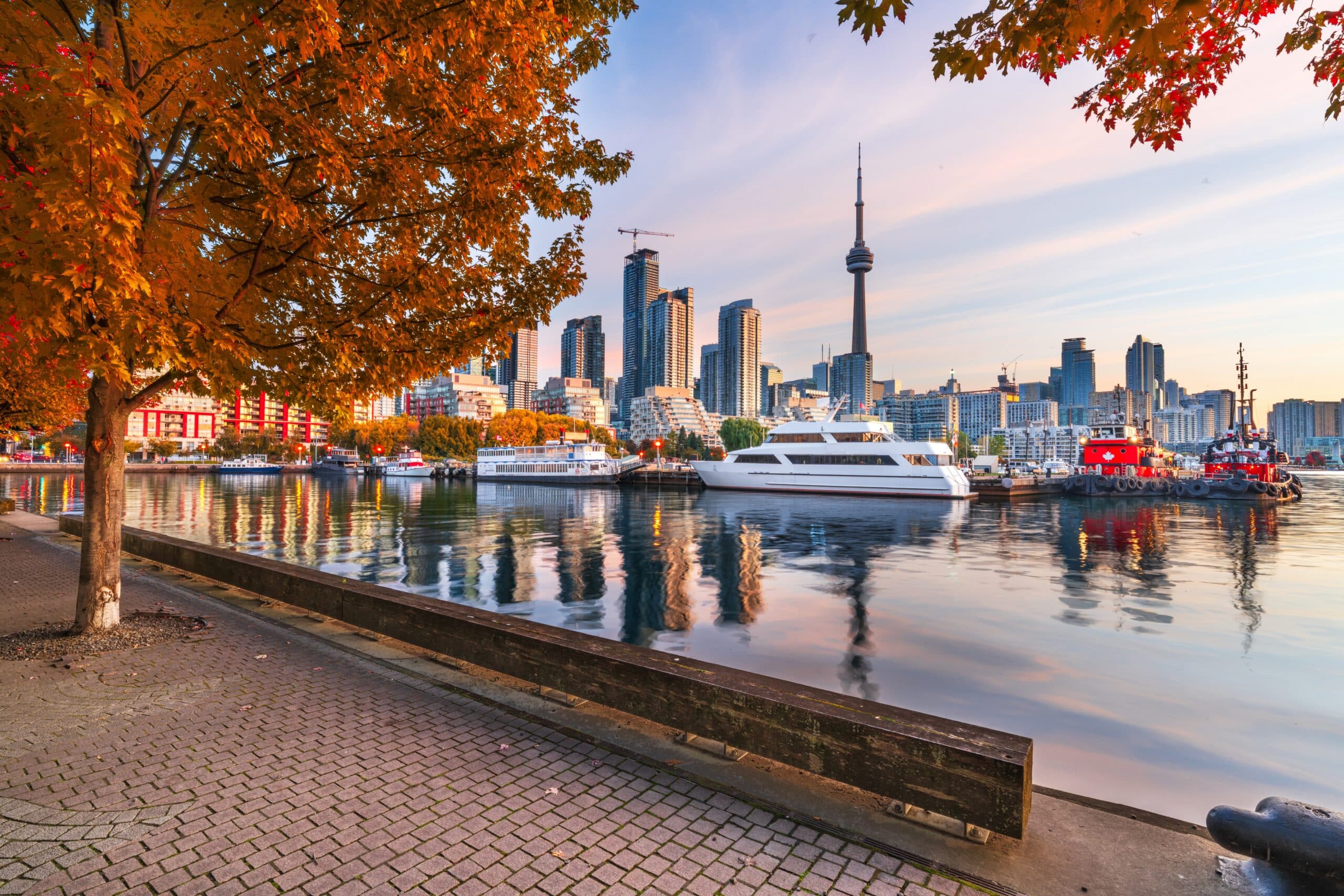
Toronto
Jobs and big-city life
Canada's largest city and financial engine, and the deepest job market in the country. It's diverse, walkable in the core, and endlessly connected, but it's also the priciest place to rent, with one-bedrooms running CAD 2,200 to 3,200. Love it if your paycheck can handle it.
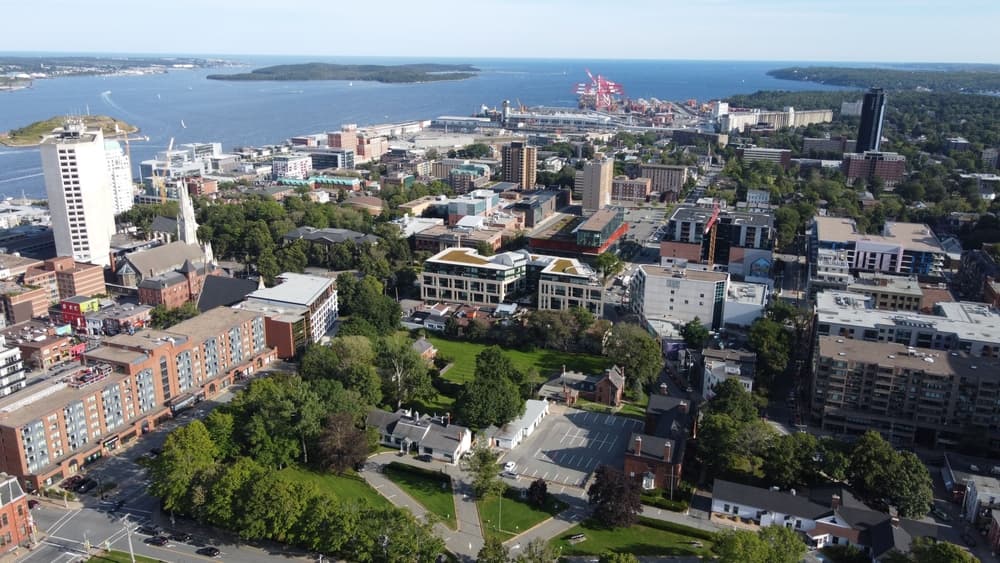
Halifax
Atlantic port city
The Maritimes' one real city, built around a working harbor, with six universities, an oyster and lobster coast, and beaches and fishing villages half an hour out. Winters are the mildest in Atlantic Canada. Housing got tight fast here, and the rest of the country is a long way west.
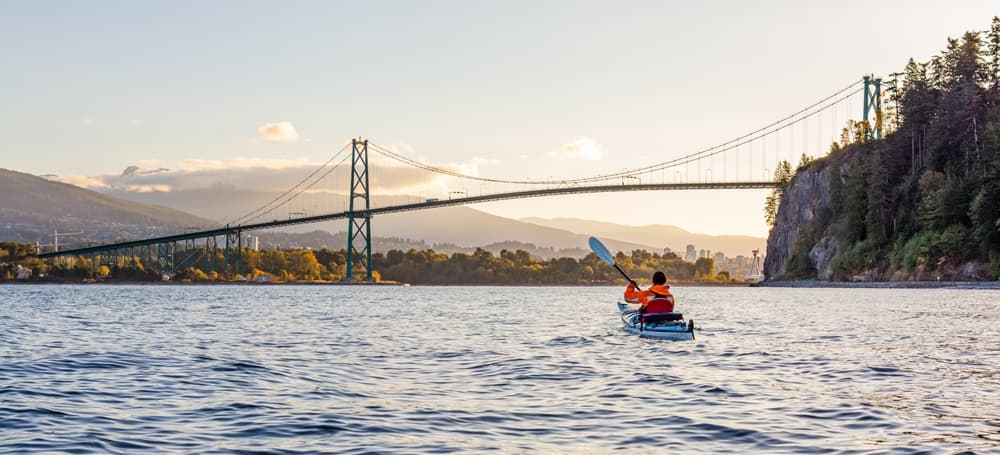
Vancouver
Mountains meet the sea
Canada's West Coast anchor, where glass towers meet snow-capped peaks and the sea. The province's job engine, strong in tech and a film industry big enough to earn the 'Hollywood North' nickname. What you pay for it is rent, which rivals Toronto's for the priciest in Canada. Winters are mild but rainy.
Common questions
How do I know if I qualify?
If you have a Canadian-born parent, grandparent, or earlier ancestor in your direct line and can document the connection with official records, you very likely qualify. Bill C-3 removed the old limit that cut off anyone past the first generation born abroad, as long as you were born before December 15, 2025.
Will I owe Canadian taxes if I don't live there?
Generally no. Canada taxes based on residency, not citizenship, so simply holding a Canadian passport while you live in the U.S. doesn't create a Canadian tax bill. As an American, you still file U.S. taxes wherever you live.
How long does it take, and what does it cost?
The government fee is CAD $75 per person. Processing is slow right now, about 19 months and rising because of the 2026 application surge, plus a few extra months of mailing time if you're outside Canada or the United States.
Do I have to move to Canada or give up my U.S. citizenship?
No on both counts. Canada allows dual citizenship and you don't have to live there. The United States also allows dual citizenship, so you keep your U.S. passport.
Is this citizenship or just residency?
Full citizenship. You aren't applying to become Canadian; the law already treats you as a citizen from birth. The citizenship certificate is proof of that status, and it lets you apply for a Canadian passport.
How far back can my Canadian ancestor be?
For anyone born before December 15, 2025, there's no cap on the number of generations. The real limit is documentation. Keep in mind that Canadian citizenship only began on January 1, 1947, so an earlier ancestor generally needs to have been born in Canada or become a citizen when that law took effect.
What documents do I need?
An unbroken paper trail: your Canadian ancestor's proof of citizenship, plus birth, marriage, and sometimes death records connecting each generation down to you. As of 2026, IRCC won't accept genealogy-site printouts on their own, so you need official vital records.
Other ways into Canada
Move to Canada as a skilled worker
Express Entry is Canada's points-based fast track to permanent residence, no job offer required to start.
Let a Canadian province pick you
The Provincial Nominee Program gives eleven provinces and territories their own say over who becomes a permanent resident. A nomination is worth 600 points, and Canada set aside 91,500 spots for 2026.
Canada's Start-up Visa Is Paused
IRCC stopped taking applications on June 30, 2026 and promised a new entrepreneur pilot instead. Here is where that leaves American founders.
How Americans get a Canadian study permit
A province has to hold a seat for you before Ottawa will even look at your file. Here's what that costs, what you can earn, and what the permit turns into after you graduate.
Think there's a Canadian in your family tree?
Talk to an advisor and find out if you already qualify.
navy