Move to Uruguay as a Digital Nomad
Work remotely from South America's safest, steadiest country, then turn a short stay into residency.

Why Uruguay
A calm, connected home base
Uruguay is the safest country in South America, with a stable, boring-in-a-good-way democracy. The time zone makes remote work easy: you're two hours ahead of New York, so U.S. calls and a beach afternoon fit into one day.
- Two hours ahead of EST, so U.S. hours line up
- Fast, reliable internet, about 70 Mbps, countrywide
- Foreign income isn't taxed under the territorial system
- You'll want some Spanish; English is limited outside tourist spots
- Strong LGBTQ protections since 1934
The numbers that matter
+2 hrs
Ahead of US East Coast
clean client overlap
~$1,500/mo
Income most people show
no fixed legal minimum
$0
Tax on your foreign income
territorial system
5 years
To citizenship
3 if you marry a local

How it works
Two doors, one easy country
Start with the Digital Nomad Permit: apply online after you land as a tourist, sign a statement you can support yourself, and you're legal for six months (renew once for a year total). Ready to stay longer? Move up to temporary residency for two years, then renew into permanent residency. Here's the catch: there's no fixed income minimum, so it's case by case, and your income must come from clients outside Uruguay.
Temporary or Permanent Residency
U.S. citizens can apply for temporary residency, typically valid for one to two years, as a step toward permanent residency. Applicants must demonstrate financial self-sufficiency and meet health and character requirements. You can also apply for permanent residency outright.
- Processing time
- ~30 days
- Timeline
- 1–2 years
- Difficulty
- Easy
Key requirements
- Proof of sufficient financial means
- Clean criminal record
- Health certificate
The long game
Your path to permanent residency
Uruguay is unusual: you can apply straight for permanent residency, or step up from the nomad permit. You hold a temporary ID for about two years, then get the permanent card. Foreign income stays untaxed, new residents get a multi-year tax holiday, and after five years (three if you marry a Uruguayan), you can apply for citizenship while keeping your U.S. passport.
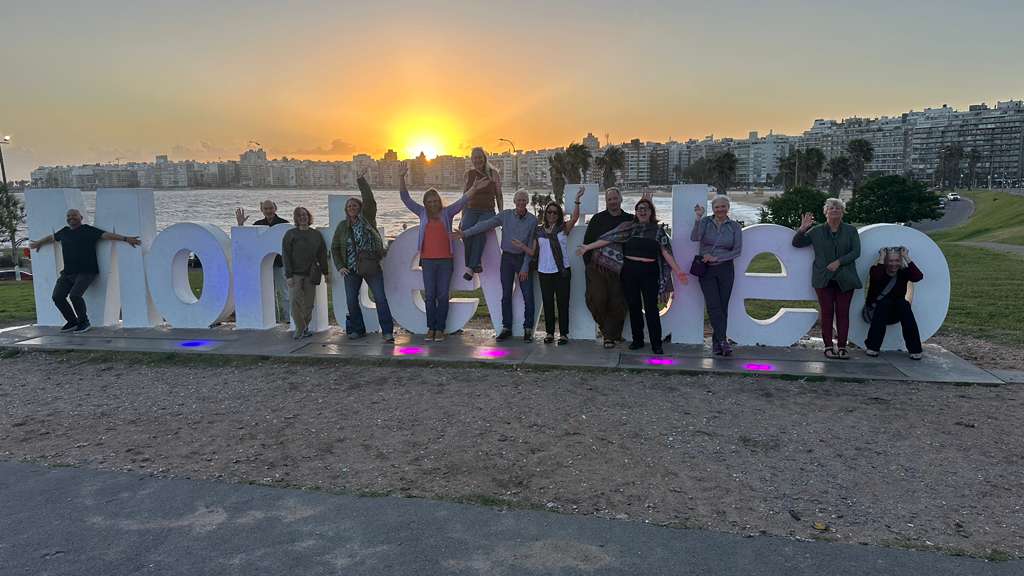
Scouting Trips
Before you move, see Uruguay like a future resident.
- We walk neighborhoods
- Meet local experts
- Tour healthcare facilities
- Explore housing options
- Help you understand what daily life actually feels like
Get it done with people on the ground
Uruguay specialists who handle the paperwork, the health card, and the migration appointments.
Trusted Uruguay partners
Guru'Guay
Uruguay Relocation Specialist
Guru'Guay is a long-running Montevideo resource for newcomers, with guides and hands-on help.
Sierra Atlántica
Uruguay Relocation Specialist
Sierra Atlantica handles relocation and visa assistance for people settling in Uruguay.
Where nomads land
Four places to base yourself
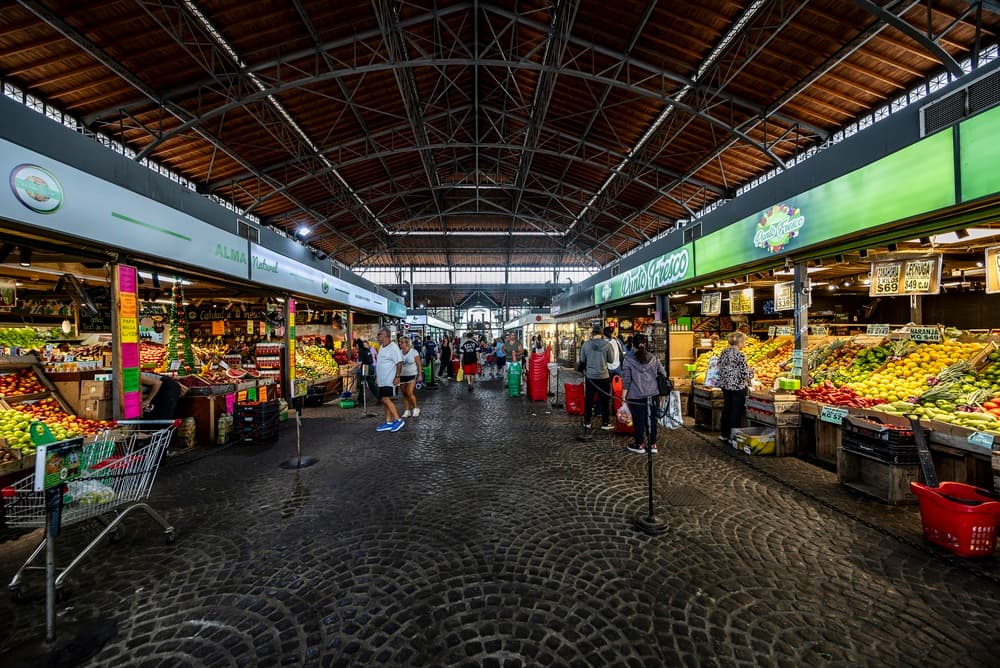
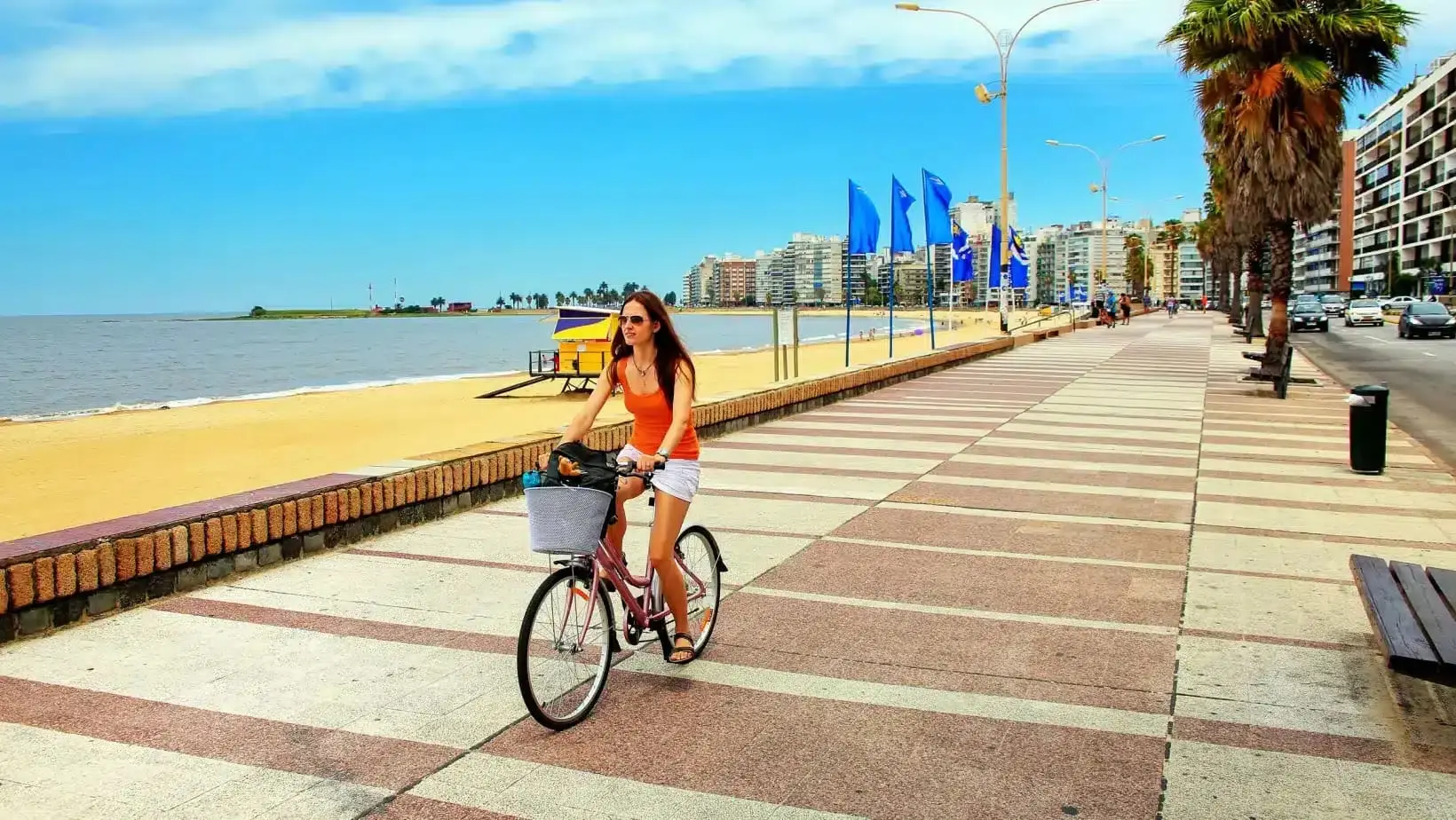
Montevideo
City life on the water
Half the country lives in the capital, and it is where most expats start. Walkable neighborhoods like Pocitos and Ciudad Vieja, the endless rambla, theaters, and the best healthcare in the country.
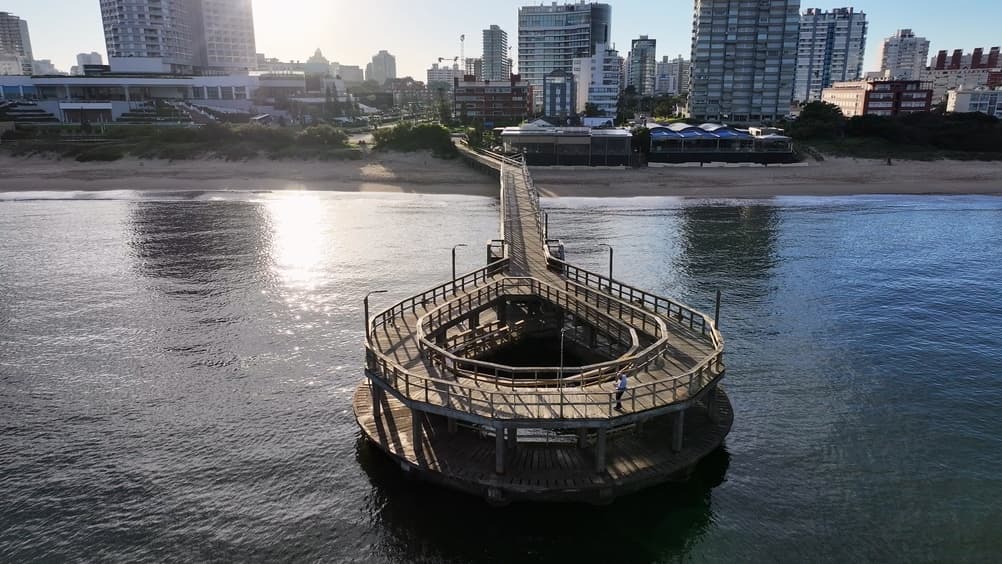
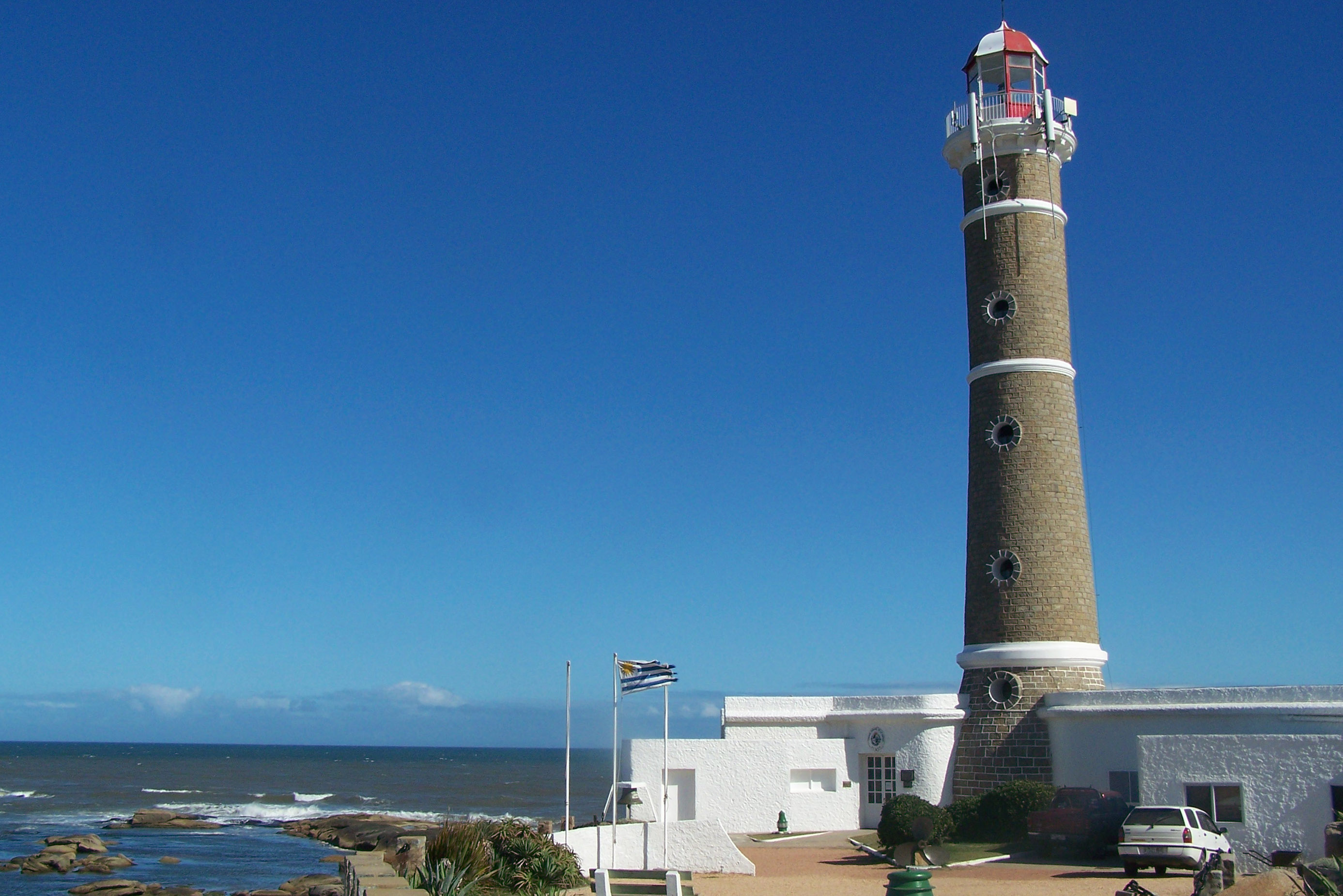
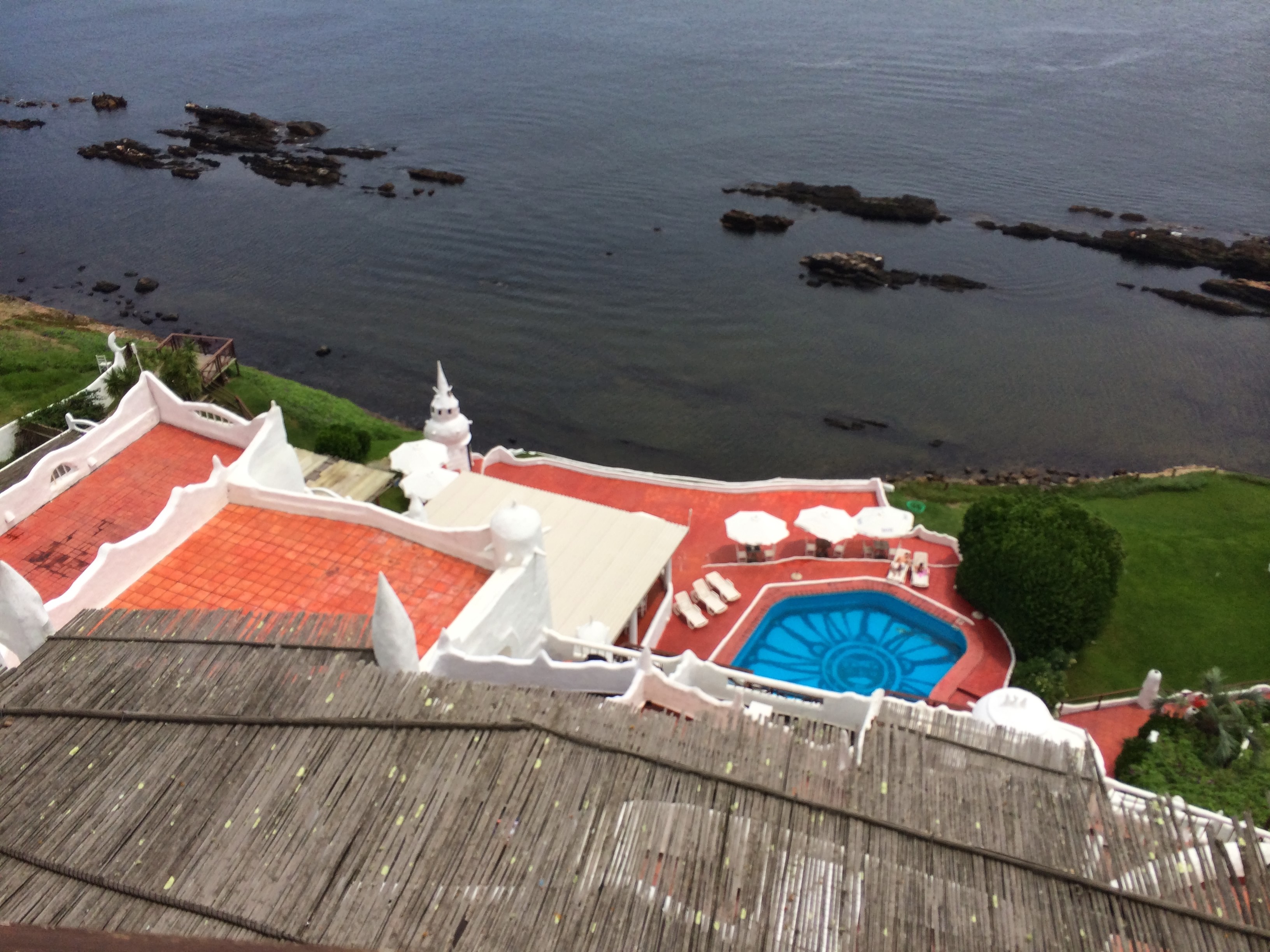
Punta del Este
Beaches and glamour
South America's flashiest beach resort in summer and a calm seaside town the rest of the year. Higher prices, big-sky sunsets, and Casapueblo down the coast.

Colonia del Sacramento
Colonial calm
A UNESCO-listed colonial town of cobblestone streets and bougainvillea, an hour by ferry from Buenos Aires. Small, pretty, and popular with people who want quiet.
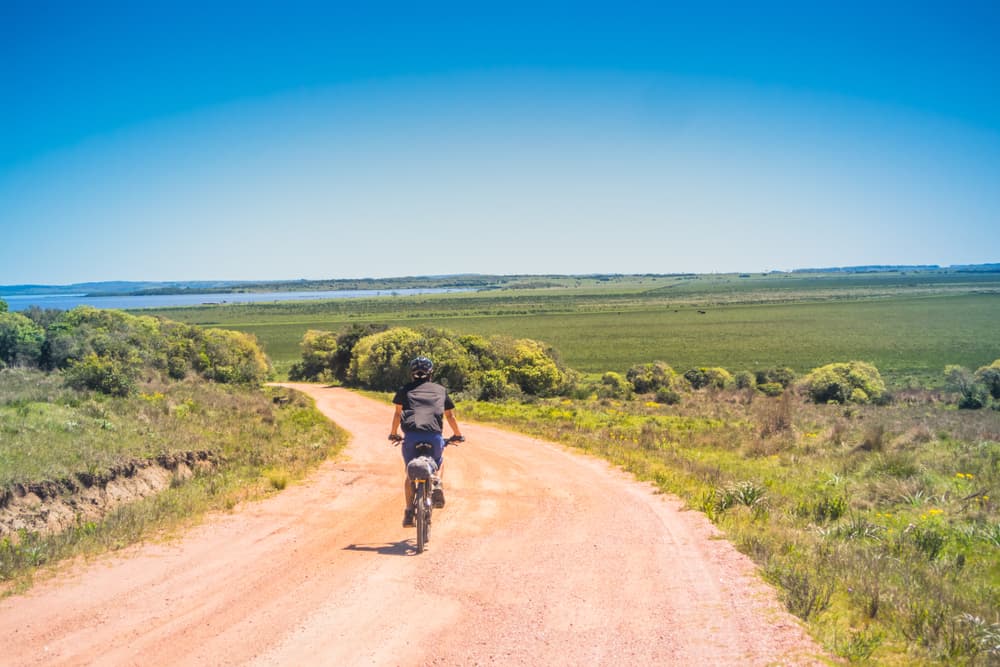
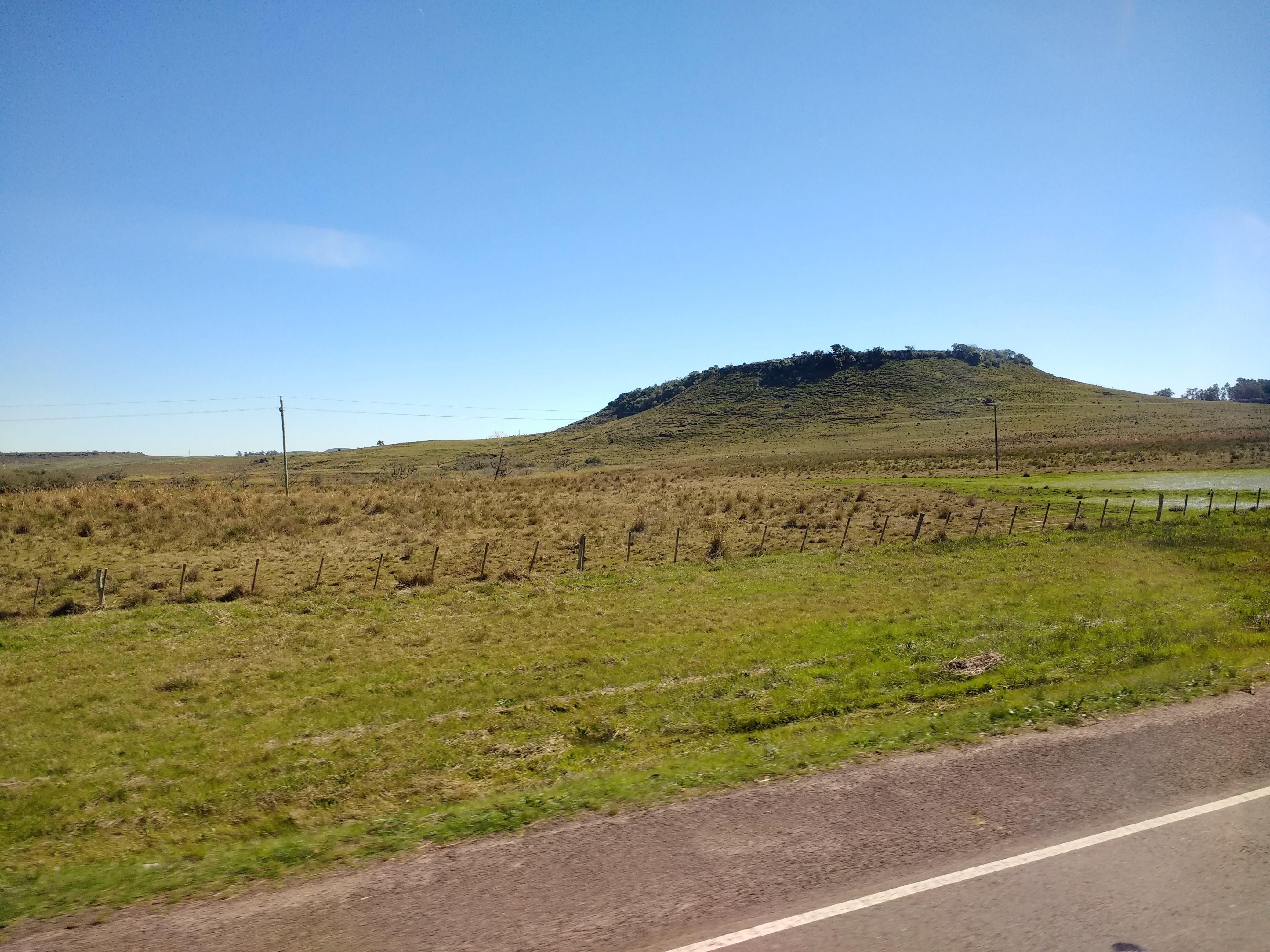
Interior
Hot springs and ranchland
Uruguay away from the coast: Salto and the river towns, hot-spring resorts, cattle country, and Argentina a bridge away across the river. Almost nobody speaks English here, services are basic, and Montevideo is a long drive south. For people who want the quiet itself, not the idea of it.
Uruguay nomad questions
Do I need to speak Spanish?
You'll want some. Spanish is the everyday language, and English is limited outside tourist areas and coworking spots. You can start with the basics, but daily life, paperwork, and the citizenship interview all go much better in Spanish.
Does Uruguay have a digital nomad visa?
Yes. Uruguay's Digital Nomad Permit lets you live and work remotely for 180 days, and you can extend it once for another 180, up to a year total. You apply online after you arrive as a tourist and sign a statement that you can support yourself. It's one of the easiest permits in the region, and if you want to stay longer, you move to temporary or permanent residency.
Will I pay Uruguayan tax on my remote income?
Usually no. Uruguay taxes local income, not foreign income, under its territorial system. You become a tax resident after 183 days a year, and new residents get a multi-year tax holiday on foreign earnings. As a U.S. citizen you still file a U.S. return, so check your setup with a cross-border tax pro.
Can this lead to permanent residency and citizenship?
Yes. You can apply straight for permanent residency or step up from the nomad permit. You hold a temporary ID for about two years while it's reviewed, then get the permanent card. After five years of residency, or three if you marry a Uruguayan, you can apply for citizenship. Uruguay even lets you keep your U.S. passport.
Where do most nomads live?
Montevideo is the hub, with coworking spaces, cafes, and the beachfront rambla. Punta del Este is the summer beach city, and Colonia del Sacramento is a walkable colonial town that's a short ferry from Buenos Aires.
How much money do I need to show?
There's no minimum income written into the law; it's judged case by case. In practice most people show around $1,500 a month, more for a family, from any steady source: remote work, freelance clients, savings, or a pension. You prove it with bank statements or a notarized income certificate.
Other ways into Uruguay
Retire in Uruguay, South America's steady hand
Temporary or permanent residency for Americans who want a calm, stable home by the sea.
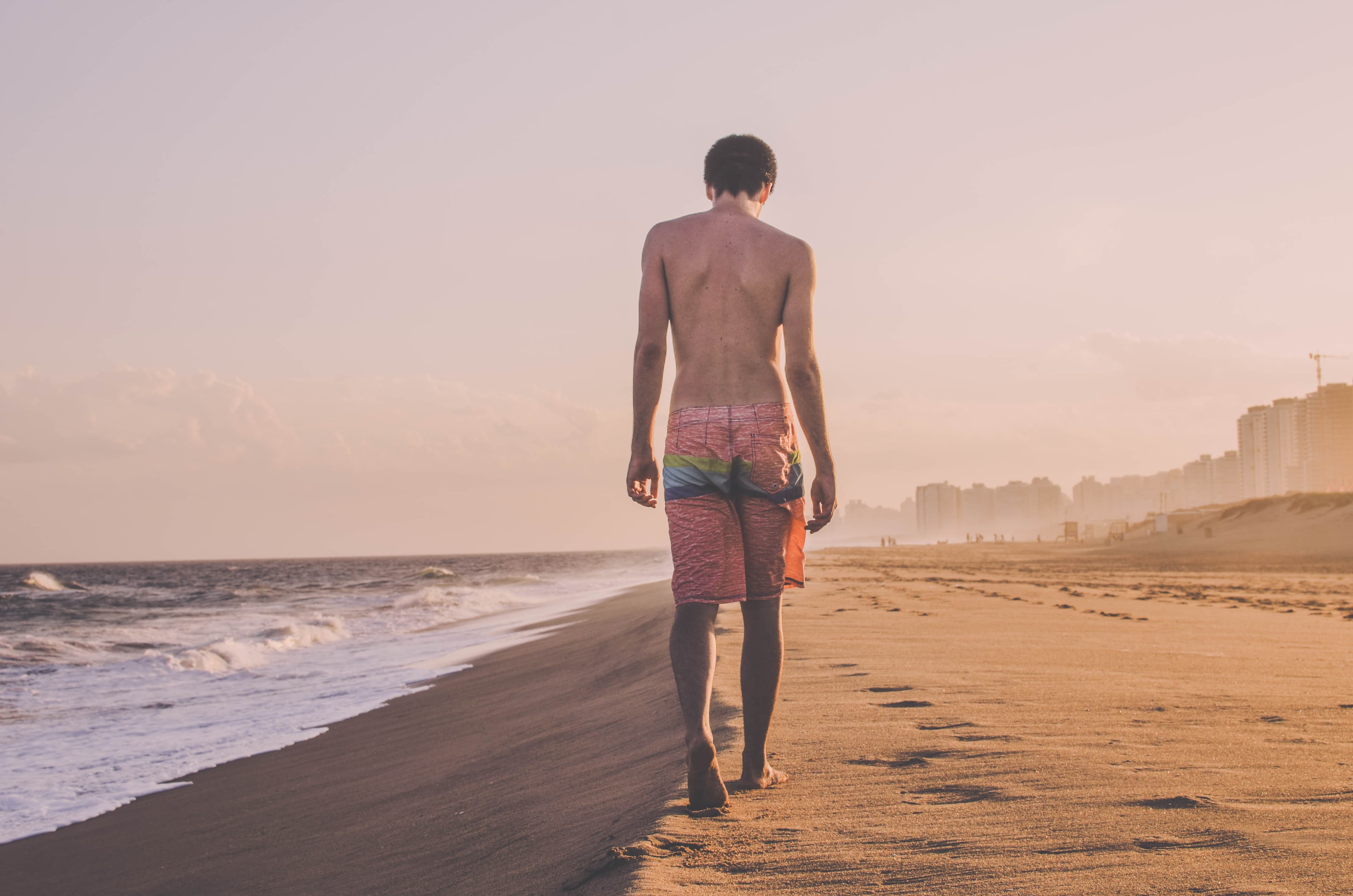
Your desk could face the Atlantic.
Talk to an advisor and see if Uruguay fits your nomad needs.
Why not you?