Japan's digital nomad visa won't make you a resident
Six months, no extension, and an income bar near $63,700 a year. That income has to be earned outside Japan.
Japan spent decades keeping tourism and work on opposite sides of a wall. In March 2024, it opened one door, and made it deliberately narrow. Here's what the door asks for, what it gives back, and where it stops.
Who qualifies
Your passport is the first test, and it's pass or fail
The status is real and has been running since March 2024. Worth saying, because write-ups still describe it as announced rather than open.
Nationality
Japan publishes the list of countries whose nationals may apply. A country earns a place by holding two things at once: a short-stay visa waiver and a tax treaty with Japan. American passports hold both, so this test clears itself. The list runs to 51 countries and regions and keeps growing, so check the immigration agency's PDF.
Income, not savings
The word doing the work is income. A big brokerage balance proves nothing. Immigration wants paystubs, contracts or filed returns, plus a reason to believe the same money arrives next year. Work for yourself and it reads what's left after expenses, not what you billed.
A policy, bought before you fly
Private medical insurance has to run the whole stay and cover death, injury and illness, with at least 10 million yen of treatment coverage. Consulates want the certificate with that figure printed on it, not a policy number.
Where the bar sits
$63,700
Minimum annual income
Japan writes it as 10 million yen
6 months
The entire permission
There is no extension application
Zero
Residence cards issued
Your passport is your ID instead
$96
What the consulate charges
15,000 yen, five times the old price
Daily life
The card you don't get

Everything unusual about living here traces back to one line in the rules. This status isn't mid-to-long-term residence, so no residence card is issued and your name never reaches the resident register. Japan runs almost all of its everyday admin off that register.
Housing is where you feel it
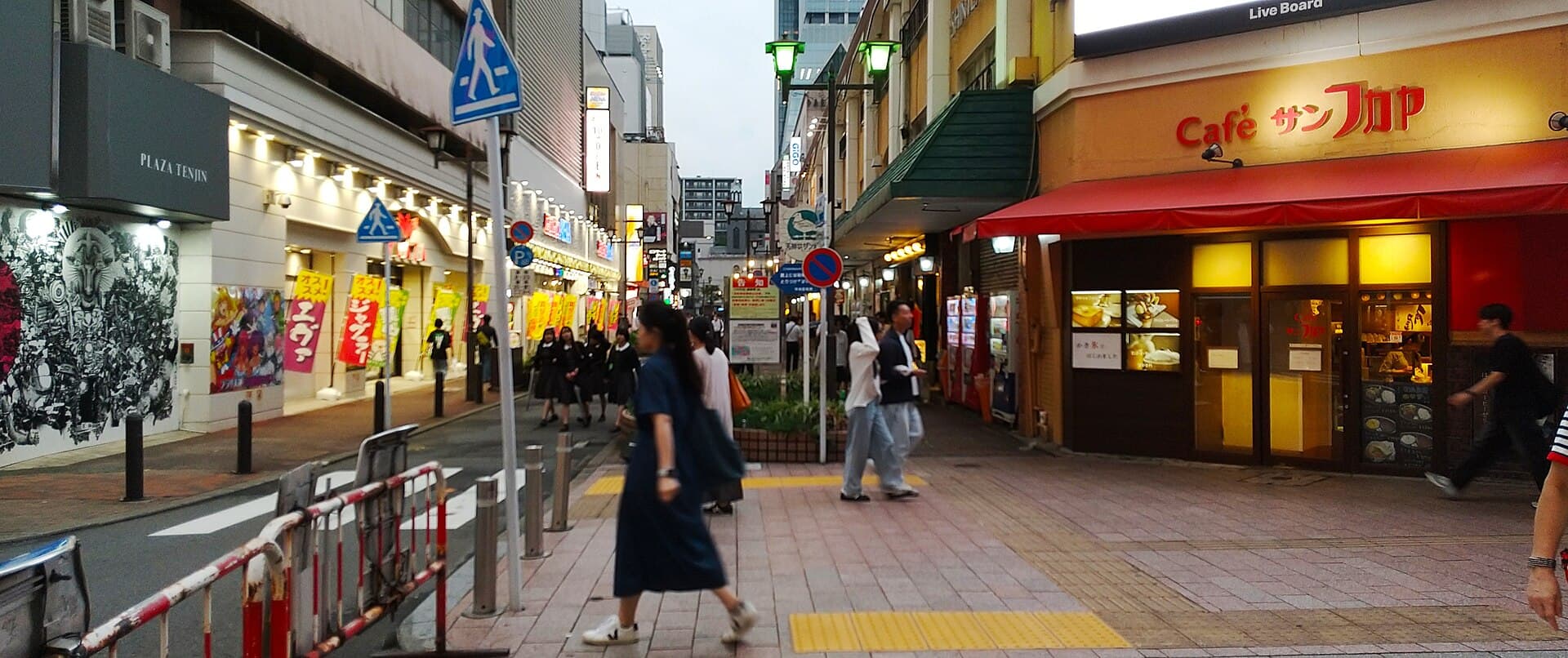
A standard lease wants a two-year term, a guarantor and a card you don't have, so the building in this photo is closed to you at any price. What's open instead: monthly furnished apartments, share houses, serviced flats and long hotel bookings. They cost more per month and ask for almost nothing upfront. Book month one before you fly and the rest once you've walked around.
Money and a phone number
Banks want the card too. Keep your money where it is and spend on cards and convenience-store ATMs. A data-only travel eSIM handles maps and calls over the internet, but it gives you no Japanese number, and a Japanese number is what restaurants, delivery apps and verification codes keep asking for. Mobal, HanaCell and Sakura Mobile issue real ones without a card.
- Internet speed
- 110 Mbps
- Safety index
- 80/100
- Currency
- Japanese Yen (JPY)
- Language
- Japanese
- Region
- Asia
Why the insurance line isn't a formality
Staying off the resident register closes one more door: National Health Insurance, for the whole stay, at any price. Japan prices care in points. An insured resident pays 30 percent of a bill struck at 10 yen a point. A patient with no Japanese card pays all of it, and a minority of hospitals charge foreign patients more per point. Fukuoka University Hospital publishes 20 yen. The cap that shields residents from a catastrophic bill is part of the insurance, so it misses you, too.

The clock
Six months, then six months away
Japan's own visa page puts the limit in parentheses: six months, no extension will be granted. There's no renewal form or appeal; your stay can't add up to more than six months inside any one year.
Then you leave. The wait before you can hold the status again runs another six months, counted from your departure date rather than from the day the stamp expired. Half a year in Japan, half a year elsewhere, repeating. That's the design, not a gap within it.
Two smaller clocks catch people out. The visa is single-entry and expires roughly three months after issue, so you have to land inside that window. Stepping out of Japan for a week mid-stay is allowed, but the automatic re-entry route assumes a residence card; holders report being sent to a regional immigration office for permission in person. Ask before you book the trip.
Reading the rules literally
Foreign money only
Every client and employer sits outside Japan. Invoicing a Japanese company is out, even once.
Family comes too
Spouse and children get a matching status, and their eligible-country list is longer than yours.
You file from abroad
Applications go to an embassy or consulate. There's no converting into it from a tourist entry.
A dead end, by design
The months earn nothing toward permanent residence, and it isn't a step toward a work visa.
A certificate cuts the paperwork
An optional Certificate of Eligibility from immigration lets the consulate skip your income and insurance documents.
Base yourself anywhere
Nothing ties you to a city. Tokyo, Osaka and Fukuoka are all an easy train apart.
Money at home and here
The visa runs six months. The treaty runs 183 days
Japan taxes non-residents on Japan-source income, and work is sourced where your hands are. Typing in Tokyo for a Denver employer who pays into a Denver bank is Japan-source income. The flat non-resident rate is 20.42 percent.
What keeps Japan out of your paycheck
It's not the visa. It's the tax treaty. Its employment article exempts your salary only when three things hold at once: 183 days or fewer in Japan in any twelve-month period beginning or ending in the tax year, a non-Japanese employer paying you, and no Japanese branch picking up the cost. Miss one and that exemption is gone.
Now count. Six calendar months runs 181 to 184 days, depending on which six you pick. March through August is 184. January through June is 181. Same visa, same length, different answer, set by the month you fly. Arrival and departure days both count. Freelancers fall under a different article and a different test. Bear in mind that reaching day 183 within the same calendar year could make you a tax resident of Japan, so plan accordingly.
The American half
You file a 1040 regardless. The exclusion that rescues Americans abroad runs its own count: 330 full days on foreign soil inside any twelve. Half a year in Japan plus half a year at home does not reach it, so if the exclusion matters, spend the off months somewhere that isn't home.
This guide is dated on purpose
Japan repriced this visa in July 2026 and has added countries to the eligible list since it opened, so a write-up from last year is not the thing you will file. The dollar amounts here were converted at roughly 157 yen in September 2026, and the yen has traded between 153 and 164 this year. Confirm both against the Immigration Services Agency and your nearest consulate before you buy a flight.
Line up the policy and the day count

ExpatInsure
Global Health Insurance
On other visas a private policy bridges you to the public system. Here the public system never opens, because you never register as a resident. Ask ExpatInsure for a certificate that names the treatment figure in yen and outlasts your flight home.

Flamingo Compliance | Tax Residency and Visa Tracker Platform
Tax Residency and Visa Tracker Platform
Two counts shape your year: 183 days inside Japan for the treaty, and 330 days away from the United States for the exclusion. Flamingo Compliance tracks residency days as a product. Start it before the first flight, not after the second.
Everything else worth asking
Do digital nomads get a Japanese residence card?
They don't. Immigration doesn't count the status as long-term residence, so nobody goes on the resident register and a passport does the work of an ID for the whole stay. That one rule is what closes off national health insurance, ordinary bank accounts and two-year apartment leases.
Can you move onto a Japanese work visa from inside the country?
Plan on no. You can't convert into this status from inside Japan, and immigration doesn't present it as a way out either. Time on it earns nothing toward permanent residence. Treat a sponsored work status as something that starts after you leave, with a Japanese employer filing for you.
How much do you have to earn for Japan's digital nomad visa?
Japan sets the bar at 10 million yen of annual income, roughly $63,700 at a rate near 157 yen in September 2026. It has to be earnings from work, shown with contracts, pay records or filed returns. Savings don't count, and self-employed applicants are read on income after expenses.
Can your spouse and children come with you to Japan?
Yes, on a matching designated-activities status, with their own insurance certificates and the same six-month limit. One quirk: the eligible-country list for accompanying family is longer than the one for the main applicant, so a partner whose own passport would never qualify may still travel with you.
Can you rent an apartment in Japan without a residence card?
Not a standard one. Short-term furnished housing is priced by the month with almost nothing due at signing, so you skip the deposit, key money, agency fee and guarantee-company fee that make a normal Japanese move-in cost four to six months of rent.
Do you pay Japanese income tax on the digital nomad visa?
Usually not, though it turns on day count rather than on the visa. Work performed inside Japan counts as Japanese-source income, and the U.S. tax treaty exempts salary only when the stay is 183 days or fewer in the relevant twelve months, a non-Japanese employer pays it, and no Japanese branch absorbs the cost.
Can the six-month stay be extended?
No. Japan's foreign ministry states that no extension will be granted, and no renewal application exists. A stay on it also can't total more than six months within one year. Holding it again means leaving and waiting six months from your departure date.
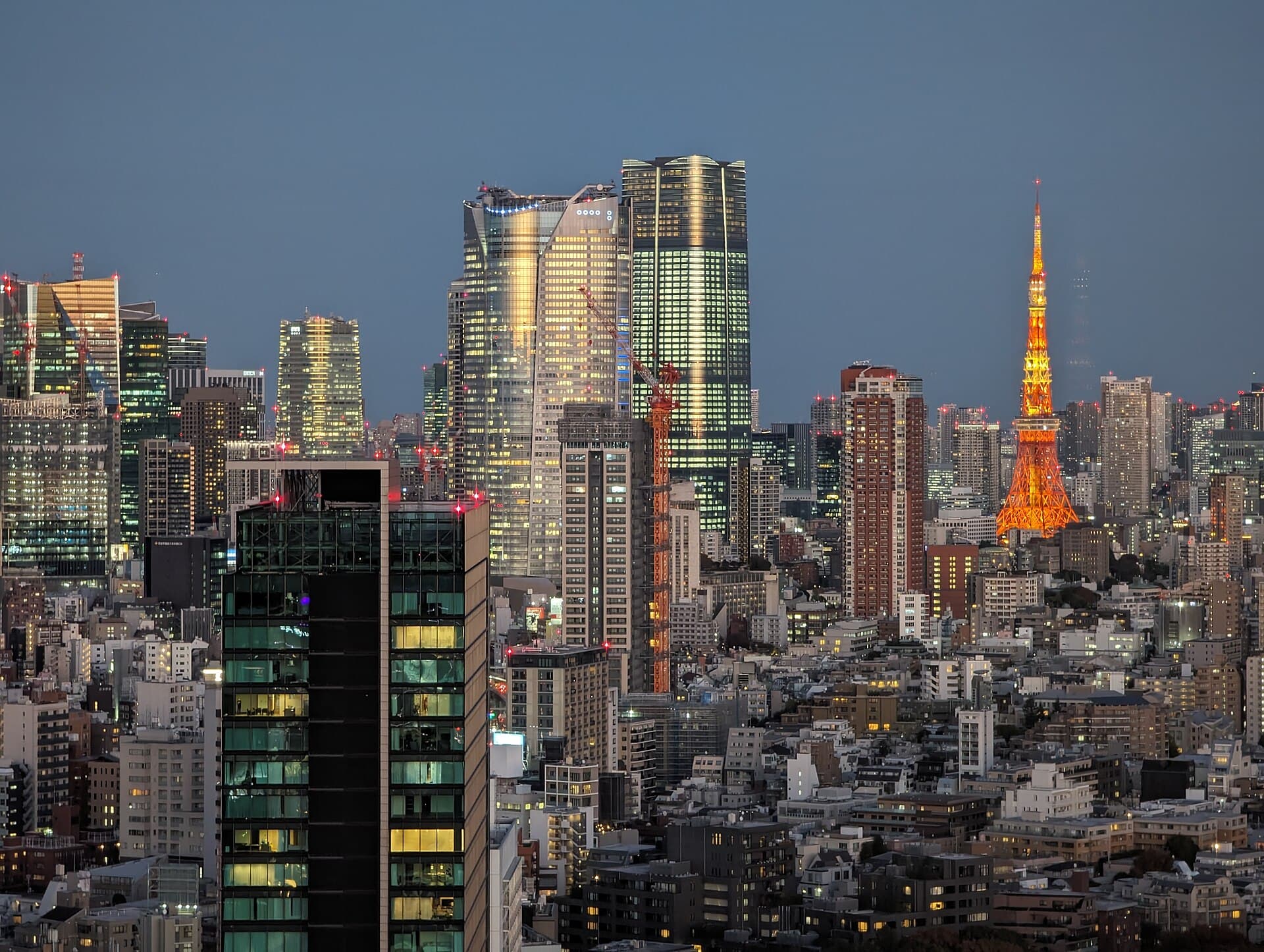
Japan gives you half a year. Plan the other half.
Tell the Expatsi Test what you earn and who's coming with you, then see which countries would let you stay for good.
Why not You?