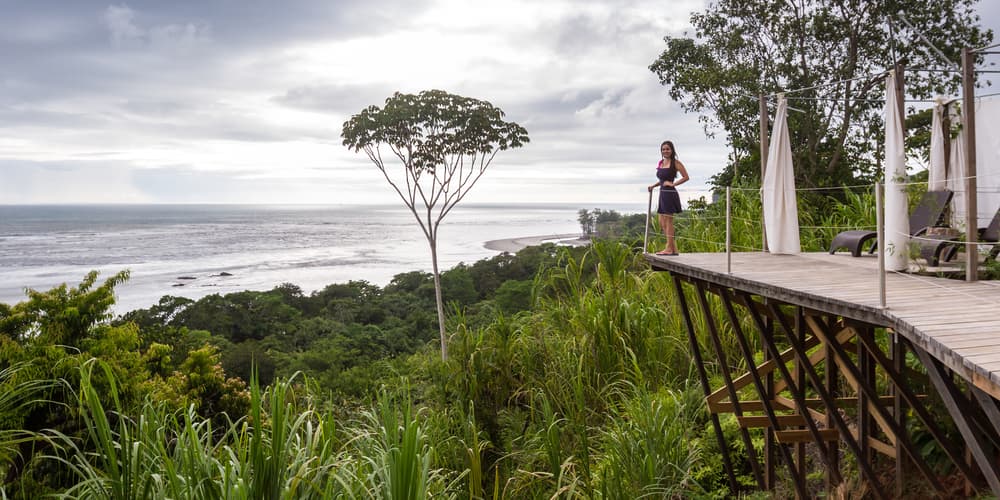
Costa Rica's southern Pacific: jungle, ocean and about $2,200 a month
The Whale Coast strings three towns along one paved highway. Here is what living there costs, how safe it is, how wet it gets, and who does well.
- $2,200/mo
- Monthly budget · single
- 77°F / 25°C
- Avg temperature
A single person can live on this coast for about $2,200 a month. A couple runs about $3,100, a family of four about $4,500. A one-bedroom near the center of the main towns averages $1,000.
This is not one town. It's roughly 20 miles of coastline where rainforest hills drop straight into the Pacific, strung along one road. Dominical sits at the north end and surfs. Uvita, in the middle, holds the banks, the supermarkets, the pharmacies and the clinics. Ojochal, to the south, is the quiet one, with a restaurant scene far bigger than its size explains. Most residents use all three and drive between them.
It suits retirees on a steady income, remote workers who don't need a city nearby, and families who want their kids outside. The trade-off is convenience. You'll drive everywhere, the nearest hospital is half an hour off, and from May through November it rains most days.

Reviewed and updated September 23, 2026 · 4 min read
At a glance
$2,200
Monthly budget · single person
$1,000/mo 1-bed rent, center
60/100
Safety index
$60
Internet / month
77°Fannual average
Nov 76° · Mar 79°
Climate
Expatsi estimates, updated Aug 2026, based on rental listings, government statistics, and local reporting. Coverage here is thin, so treat these as a rough guide.
Cost of living
What it costs to live in Southern Pacific
Single person
$1,700–$2,800/mo
about 30% below Austin, TX
Couple
$2,300–$3,900/mo
about 35% below Austin, TX
Family of four
$3,500–$5,500/mo
about 45% below Austin, TX
Compared with Austin, TX (Expatsi estimate, 2026).
- $9 −55%
- Inexpensive meal
- $750–$1,250/mo −49%
- 1-bed rent, center
- $550–$950/mo −44%
- 1-bed rent, outside
- $60/mo −8%
- Internet
Expatsi estimates, updated Aug 2026, based on rental listings, government statistics, and local reporting. Coverage here is thin, so treat these as a rough guide.
Daily life
How Southern Pacific lives
- C- grade, 2nd percentile among the cities we track
- Dining & cafésmodest
- C- grade, 4th percentile among the cities we track
- Arts & culturemodest
- C- grade, 1st percentile among the cities we track
- Parks & outdoorsmodest
- C- grade, 1st percentile among the cities we track
- Schools & educationmodest
- C- grade, 1st percentile among the cities we track
- Healthcare accessmodest
- B- grade, 28th percentile among the cities we track
- Bike infrastructuretypical
- C grade, 5th percentile among the cities we track
- Public transitmodest
Graded on OpenStreetMap amenity density relative to the 369 cities we track. Accessibility is the exception: it's graded against a fixed standard (terrain steepness and sidewalk surfaces), not a curve.
Climate
Weather through the year
Annual average 77°F (25°C) · 278 in of rain a year · Source: Open-Meteo Historical Weather API (temps: ERA5-Land 0.1°; precip/sunshine: ERA5 best-match; 1991-2020 normals)
On the ground
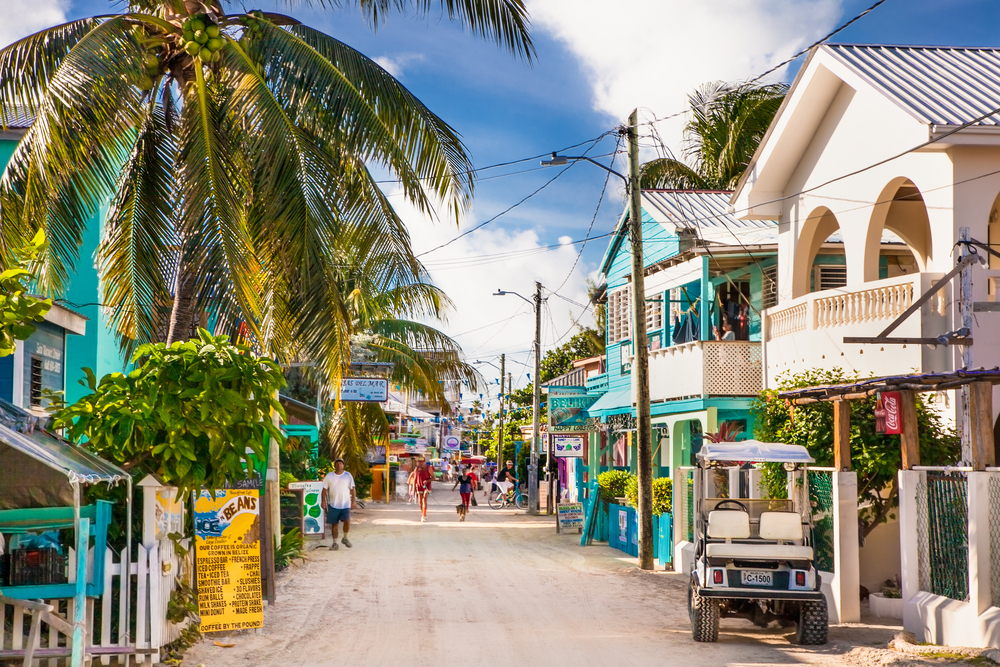
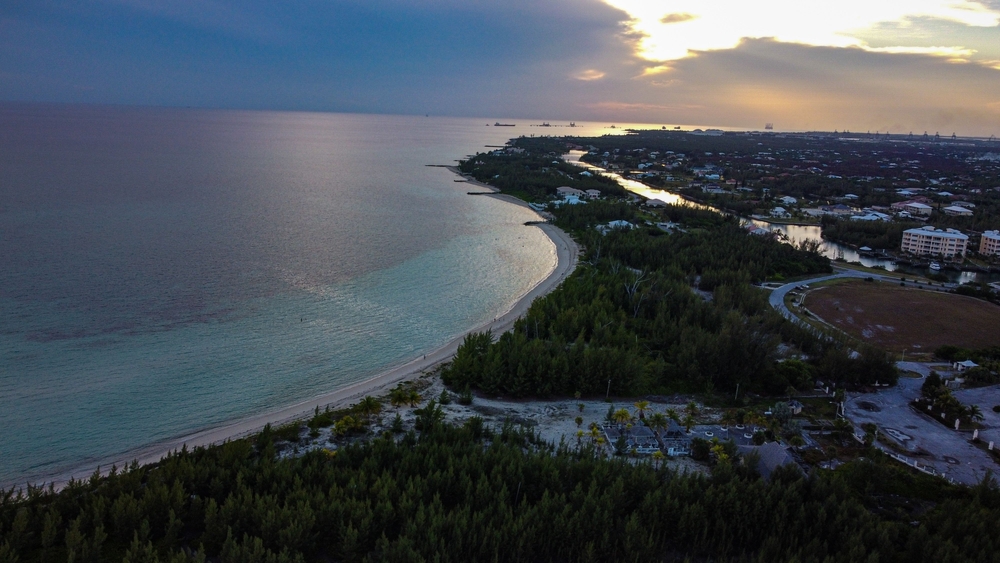
Scenes from Southern Pacific
Getting around
Transport in Southern Pacific
Plan on owning a car. Route 34, the Costanera Sur, is the spine of the whole corridor; it's paved, flat and easy to drive. Everything else branches off it, and plenty of those branches are steep gravel. Houses in the hills above Dominical, Uvita and Ojochal usually want four-wheel drive or real ground clearance. That matters most in the wet months, when the ruts get deep.
There's no local bus network. What runs instead is intercity service: Tracopa coaches from the Uvita terminal toward San Jose, Ciudad Neily and Golfito, plus a local bus that shuttles between Quepos, Dominical and Uvita. You flag them from the highway. They're cheap and slow; most foreign residents treat them as a backup rather than a routine.
Walking works in pockets. Uvita's commercial strip is flat enough that you can cover the bank, the grocery store and a clinic on foot or by bike. Step off it and the sidewalks end, with a working highway alongside you.
San Jose and the international airport are three and a half to four hours north on Route 34.
- 0.1/sq mi
- Transit stops
- 0.3/sq mi
- Bike infrastructure
- 0.1/sq mi
- Wheelchair-accessible places
Mapped features per square mile from OpenStreetMap.
Keep exploring
Places like Southern Pacific

Community
Community & practical notes
The expat scene Foreign residents are spread along the whole corridor instead of gathered in one neighborhood. Ojochal has the longest-established group, heavily French Canadian and French, and it sets the tone down there. Dominical skews younger and surf-centered. Uvita is the mixed middle. English is common in the businesses that serve foreigners, while Spanish still runs everything else. With no walkable center holding it together, social life runs on invitations, Facebook groups and Saturday mornings at the Mercado Bahia Ballena in Uvita.
Healthcare Day to day, you've got the public EBAIS clinics in Uvita. Near Ojochal, there's private doctors and labs, and an urgent care center on the Costanera. The nearest public hospital is Hospital Tomas Casas in Ciudad Cortes, ten minutes from Ojochal. San Isidro de El General, over the mountains inland, has the bigger facilities, and Quepos an hour north is the other option. The Caja, Costa Rica's public system, covers legal residents once they enroll, and most people here add private coverage for speed.
Remote work Fiber reaches the flat parts of Uvita and Dominical, and internet runs about $60 a month. Hillside houses are the weak spot, and plenty of them lean on fixed wireless, Starlink or a phone hotspot. Rainy-season power cuts are routine, so a backup connection is standard equipment rather than a precaution. Costa Rica keeps the same clock all year, which puts it an hour behind U.S. Eastern in winter and two hours behind in summer.
Schools Families do raise kids here. Uvita Christian Academy teaches pre-K through 12 in English and grants a U.S. accredited diploma. Centro Educativo Costa Ballena is bilingual and has been accredited by Costa Rica's education ministry since 2012. Escuela Verde in Uvita and Life Project Education in Ojochal are smaller and more alternative. Public high school means busing to Ciudad Cortes.
Limited mobility Terrain rules everything here. The corridor was built for cars on a coastal shelf with mountains behind it, so grades are steep, paving is patchy and step-free routes are close to accidental. Anyone using a wheelchair, a walker or a cane should treat the hillside neighborhoods as out and rule on the rest property by property, in person.
Retirement This is a genuine retirement spot, so long as you accept the tradeoff: you're swapping fast access to specialists for jungle and ocean. Costa Rica's pensionado residency runs on a lifetime pension. Our guide to moving to Costa Rica covers the rest of the paperwork, and the retirement visa hub compares Costa Rica with the other countries that make this easy.
Housing
Renting and buying
- 1-bed rent (center)
- $750–$1,250/mo
- 1-bed rent (outside center)
- $550–$950/mo
Expatsi estimates, based on rental listings, government statistics, and local reporting. Coverage here is thin, so treat these as a rough guide.
Good to know
Frequently asked questions
Is Costa Rica's southern Pacific coast safe?
The safety index here is 60, better than the capital's and below the inland mountain towns. The realistic risk is property crime rather than violence: break-ins at beach and waterfall parking lots, theft from bags left on the sand, and burglaries at isolated rental houses. The State Department keeps Costa Rica at Level 2, exercise increased caution, with no warning specific to this coast. The hazard it flags hardest is water, since rip currents drown dozens of Americans in Costa Rica every year.
What is the weather like, and how much does it rain?
It is warm and even. Average highs sit between 80F and 84F in every month of the year, nights average 71F to 73F, and the annual average is near 77F. Rain is the real story. The normals here work out to roughly 278 inches a year. February and March are the driest stretch, October and November the wettest, and no month stays dry.
Do I need a car to live in Uvita or Dominical?
Yes. Nothing local runs on a schedule, the towns sit miles apart, and most of the housing is up dirt roads in the hills. A ridge house wants four-wheel drive or good clearance once the rains start. Intercity coaches along the highway handle San Jose and points south, but they will not run your week.
What is healthcare like on the Costa Ballena?
Routine care is easy and inexpensive: public clinics, private doctors, labs and pharmacies in Uvita, plus an urgent care center with its own ambulance. What the corridor does not have is a hospital. The closest sits about twenty-five minutes down the highway, the larger ones are an hour inland, and anything serious or specialized means San Jose. Legal residents pay into the Caja and many buy private insurance on top.
What does it cost to live in Uvita, Dominical or Ojochal?
A couple should plan on about $3,100 a month. Rent is the swing factor: a one-bedroom averages $750 outside the town centers against $1,000 inside them. A meal at a local soda runs about $9 and home internet about $60. Electricity is the bill Americans underestimate, since fans, air conditioning and dehumidifiers work hard here.
Is the Costa Ballena wheelchair accessible?
Not easily, and it is worth planning around. One flat commercial strip in Uvita is workable. Past it, sidewalks are scarce, the housing stock climbs unpaved hillsides, and reaching the sand means crossing it. Mapped step-free data for the area covers far too few places to mean anything either way. Anyone with mobility needs should hold out for level ground near the highway and see each route first.
Which town should I live in, Dominical, Uvita or Ojochal?
Uvita if you want services within reach, since the banks, supermarkets, clinics and the park entrance are all there. Dominical if you surf and want a small, young, walkable center. Ojochal if you want quiet and the most established international community of the three. Rent in the hills above any of them and you trade convenience for the view.
Can I retire in Uvita or Ojochal?
Plenty of Americans have. The pensionado residency route is built around a lifetime pension, and the budgets above are what that pension has to cover. Answer the distance question honestly first. If you manage a condition that needs a specialist every few weeks, a three to four hour drive to the capital will shape your life more than the ocean view does.
See how Southern Pacific fits your life
Take the free Expatsi Test and compare Costa Rica to nearly 200 countries on what actually matters: cost, healthcare, climate, and safety. About five minutes.
Why not you?