Freelance your way to Italy
A real route for non-EU freelancers to live and work in Italy. Here's who it fits, what it costs, and the catch.

Who it's for
Built for freelancers, not remote employees
This visa is for non-EU folks who run their own show: freelancers, consultants, artists, and small business owners who invoice their own clients and open a Partita IVA (an Italian VAT number). If you're a salaried remote worker for a U.S. company, this isn't your lane.
The numbers that matter
650
Self-employment spots for 2026
500 shared across 5 categories
~8,500 euros
Minimum personal income
Prior year, from any source
~14,000 euros
Business resources to show
About 3x the social allowance
15%
Flat tax option (regime forfettario)
5% for the first 5 years

How it works
How the visa actually works
The process runs Italy-first. You (or a lawyer) line up a nulla osta, the local immigration desk's green light, then apply for a Type D visa at your consulate for 116 euros. Within 8 days of landing, you file for your residence permit, which lasts a year and renews.
Self-Employment/Freelance Visa
For independent professionals, artists, consultants, etc. Limited annual quota; highly competitive. Requires demonstration of sustainable business activity.
- Government cost
- $116
- Processing time
- ~90 days
- Timeline
- 1 year initially, renewable
- Difficulty
- Hard
Key requirements
- Proof of viable business activity
- Sufficient financial means
- Professional qualifications (if applicable)
- Health insurance
- Sometimes specific quotas or endorsements
The honest catch
There's a faster door for nomads
Here's the catch. The self-employment visa is quota-limited, competitive, and heavy on paperwork. If your clients sit outside Italy, look hard at Italy's Digital Nomad Visa instead. It launched in 2024, skips the quota, needs no nulla osta, and wants about 28,000 euros in income. For many freelancers, that's the smoother path.
Get help from vetted Italy experts

Move To Dolce Vita
Italian Immigration
Italian immigration and tax specialists who handle self-employment cases end to end.

Thea Duncan
Italy Relocation Specialist
Milan-based specialist who helps freelancers land, register, and settle in.
Plan-B Outbound Migration
Multi-Country Visa Support
Multi-country visa team for independents planning a move.
Where to live
Where freelancers base themselves

Milan
Work, fashion, and money
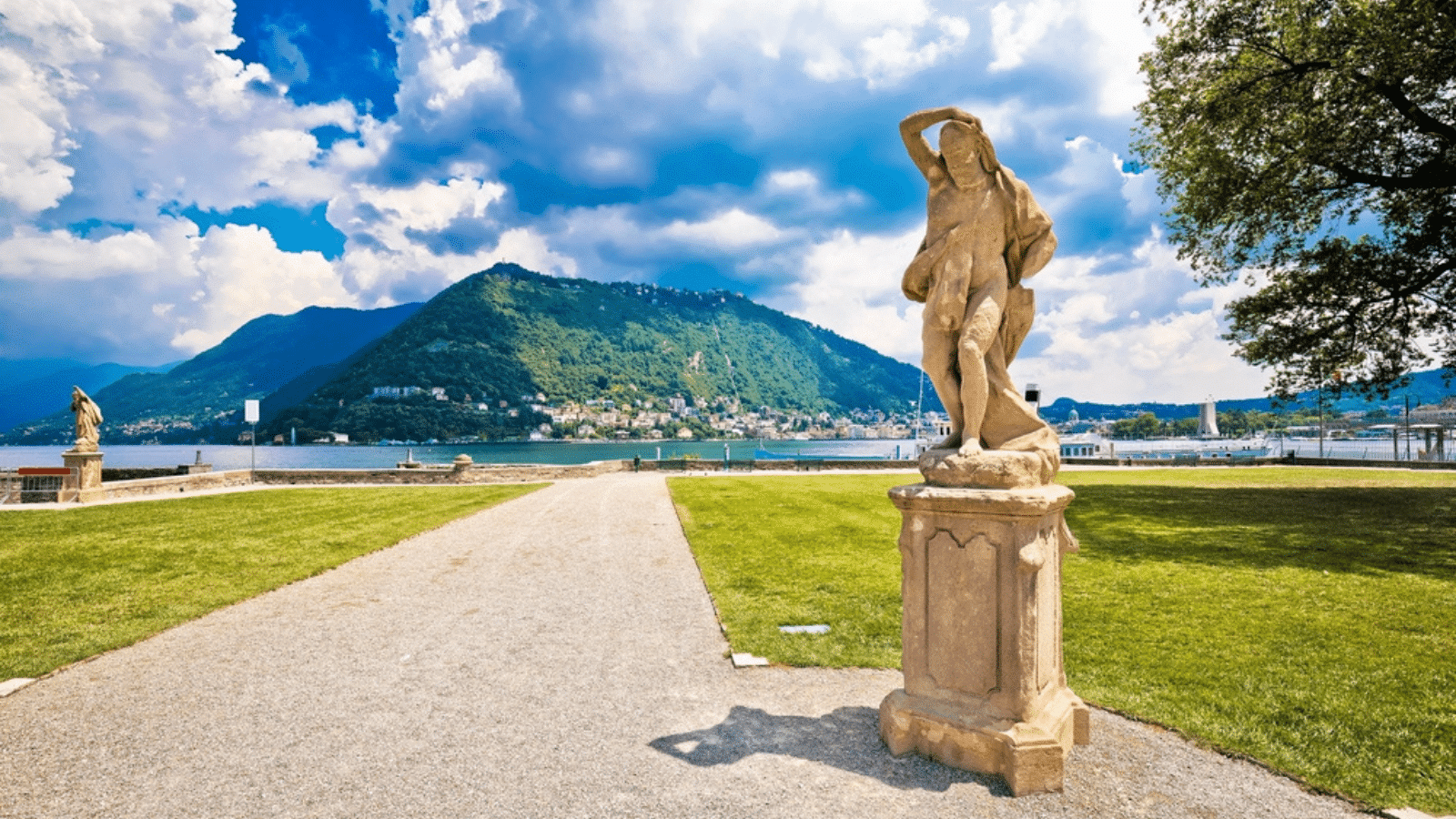
Italy's business capital, where the jobs and the salaries actually are, with the Duomo's marble spikes at the center and aperitivo along the Navigli canals. The Alps and the lakes are an hour north for weekends. The most expensive city in Italy, and the least classically beautiful, as locals will tell you.
Florence
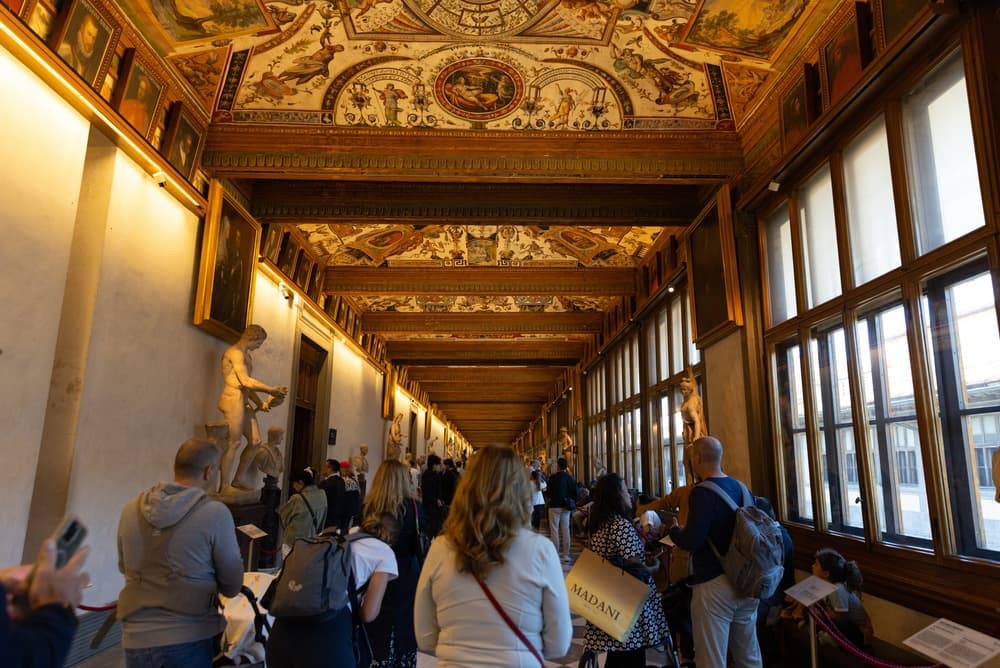
Art and expat classic
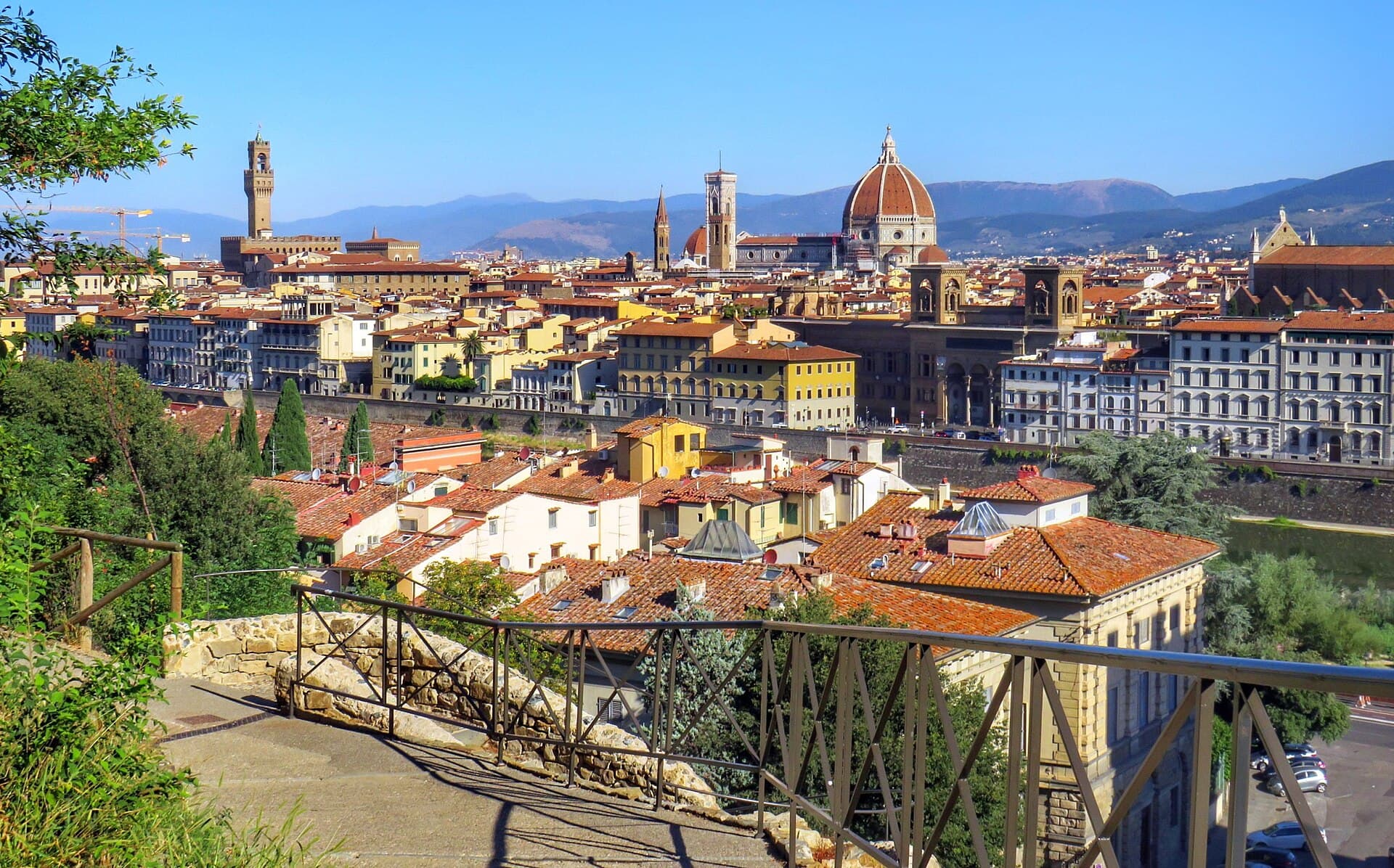
Renaissance beauty, a large American community, and the rest of Tuscany at the doorstep. Popular, walkable, and not cheap, but the quality of life is hard to beat.

Bologna
Porticoes and pasta
A red-brick university city with miles of covered walkways, the food Italy is famous for at its source, and Florence 35 minutes by train. Few tourists linger, so it stays Italian. The trade is humid summers and a foggy plain in winter.
Naples
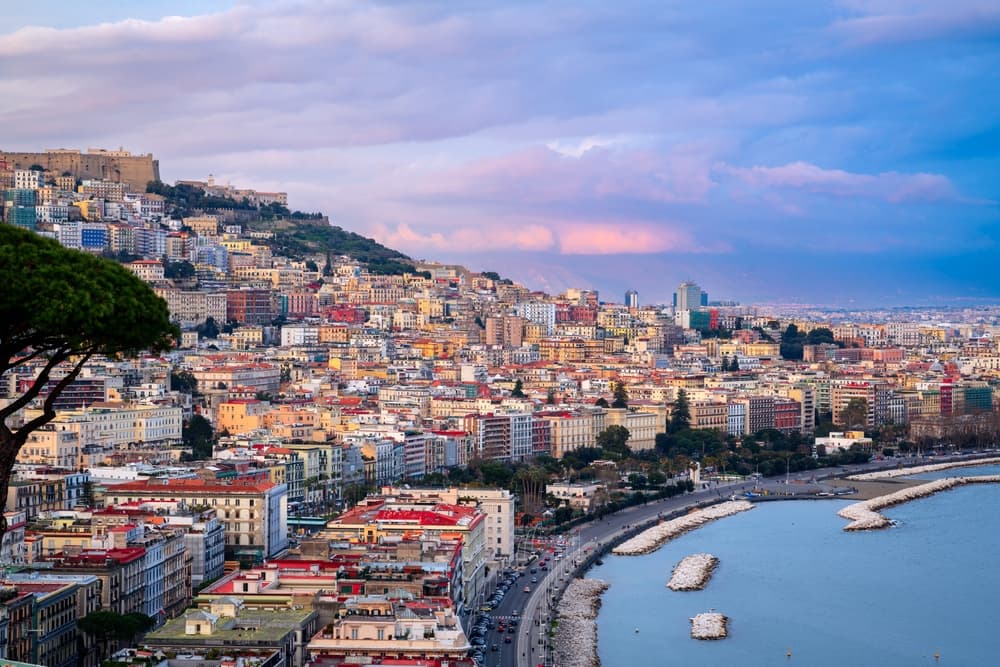
Pizza and Vesuvius
Where pizza was invented, under a volcano, with Pompeii on the local commuter line and Rome an hour away by fast train. Nothing here is orderly and nothing is quiet. Petty crime is constant, and the bureaucracy defeats people who managed fine elsewhere in Italy.
Freelance visa FAQ
How am I taxed as a freelancer in Italy?
Most small freelancers use the regime forfettario, a flat 15% tax (just 5% for the first five years) on revenue up to 85,000 euros. You'll also pay INPS social security, around 26%. As an American, you still file US taxes, though the US-Italy treaty helps you avoid double taxation.
What is a nulla osta?
It's the clearance from the local immigration desk (the Sportello Unico) confirming your activity is allowed. You get it before applying for the visa, and regulated professions (like law or medicine) may need their qualifications recognized in Italy first.
Can a digital nomad use Italy's self-employment visa?
Yes, if you're a true freelancer with your own clients. It's built for independent workers, not salaried remote employees. But it's quota-limited, so most nomads whose clients are outside Italy find Italy's separate Digital Nomad Visa easier to get.
How many self-employment spots are there?
For 2026, Italy's Flows Decree (Decreto Flussi) sets 650 self-employment entries, and 500 of those are shared across five categories like eligible professionals, artists, company officers, and innovative-startup founders. Spots go fast, so timing your application matters as much as your file.
How much money do I need to show?
Two things. Personal income above roughly 8,500 euros a year (the threshold that exempts you from healthcare contributions), plus business resources of about 14,000 euros, set by the local Chamber of Commerce. The exact figures vary by consulate and profession, so treat these as a floor, not a target.
How long does it take, and can it lead to residency?
Plan on a couple of months once your consulate application is in, plus the time to secure the nulla osta first. The first permit lasts a year and renews. After five years of legal residence you can apply for long-term EU residency, and citizenship after ten.
Other ways into Italy
If your parent or grandparent was born in Italy, you may already be Italian
Citizenship by descent (jure sanguinis) can make you an Italian and EU citizen while you keep your US passport. Italy's 2025 reform changed the rules, so here's exactly who still qualifies.
Retire to Italy on a passive income
The Elective Residency Visa lets retirees settle in Italy on a pension or savings. Here's how it works and what it really costs.
Italy's golden visa doesn't do real estate
Four ways in, from 250,000 euros, and Italy approves you before your money moves.
Italy answers startup founders in 30 days
The money test is 50,000 euros for the whole founding team. The hard test is how narrowly Italian law defines an innovative startup.
Is Italy's freelance visa the right path for you?
Talk to an Expatsi advisor.
Why not you?