Get paid abroad, live in Ecuador
Ecuador's Digital Nomad Visa asks for $1,446 a month from foreign clients and hands back two years of residency, a cédula and a path to staying for good.
Ecuador's Visa Nómada was built for people who get paid from somewhere else. Show foreign income of $1,446 a month, keep your clients abroad, and you get two years of residency in a country that already uses your currency.

Why Ecuador
Remote work, paid in the currency you already earn
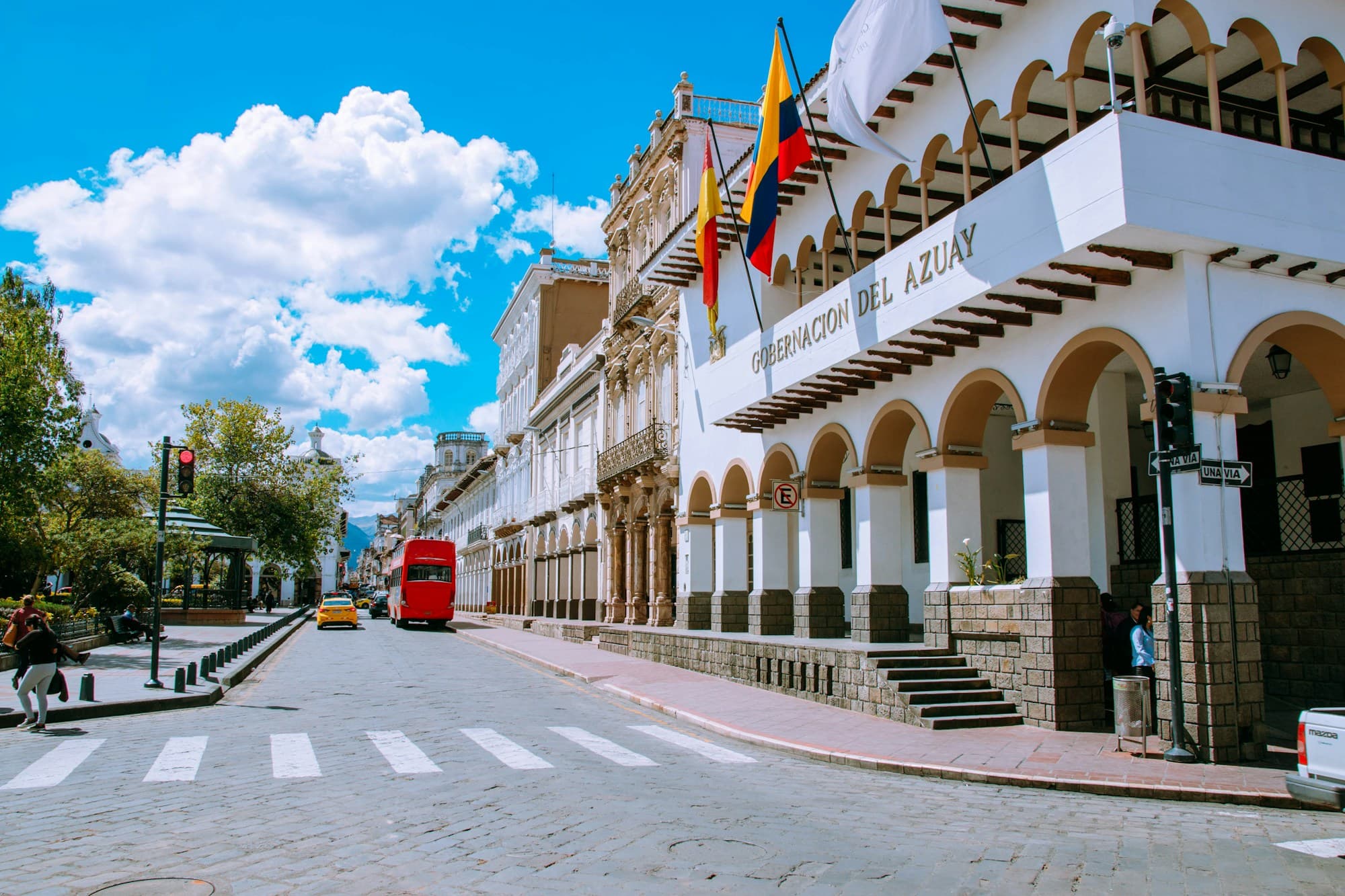
Ecuador has used the U.S. dollar since 2000, so your paycheck lands without a conversion, rent doesn't move when a rate does, and bank statements read the way an American reviewer expects. The money also stretches. A one-bedroom in the middle of a city runs about $350; one person's whole monthly budget sits near $900; and a sit-down lunch is around $4. The good news for anyone living on client calls: Ecuador keeps the same clock as New York in winter and runs an hour behind in summer, so nobody has to move a meeting.
- Fiber is normal in Quito and Cuenca, and both cities have coworking
- Six to seven hours in the air from the United States
- A tourist stamp gives you 90 days, so this visa is for staying longer
Money, fees and the clock
$1,446/mo
Foreign income you show
3x Ecuador's 2026 minimum wage of $482
$320
Published government fees
$50 to apply, $270 on approval
2 years
Then one renewal
Up to four years on this visa
21 months
Before you can switch to permanent
If you keep trips home under 90 days a year

How it works
What Ecuador actually asks for
The money test is the simple part. You show three months of international bank statements with at least $1,446 a month arriving from outside Ecuador, or $17,352 across a full year. Every family member you bring adds $250 a month to that number.
Here's the catch
The income has to be foreign and provable. Reviewers want a signed contract with the employer or client paying you, or papers showing you own a company registered abroad. A stack of invoices and a friendly verbal arrangement is what gets files sent back. And once you're living there, Ecuadorian clients and Ecuadorian jobs are off limits on this visa.
Your document stack
Proof of foreign work
A contract with an employer or client abroad, or documents showing you own a company registered outside Ecuador.
Three months of statements
International bank statements showing the income actually arriving from abroad, month after month.
Health insurance
A policy that runs as long as the visa and states in writing that it covers you in Ecuador.
Clean record
An apostilled background check. It counts for 180 days from the issue date, so don't order it too early.
The path
The 21-month clock to permanent
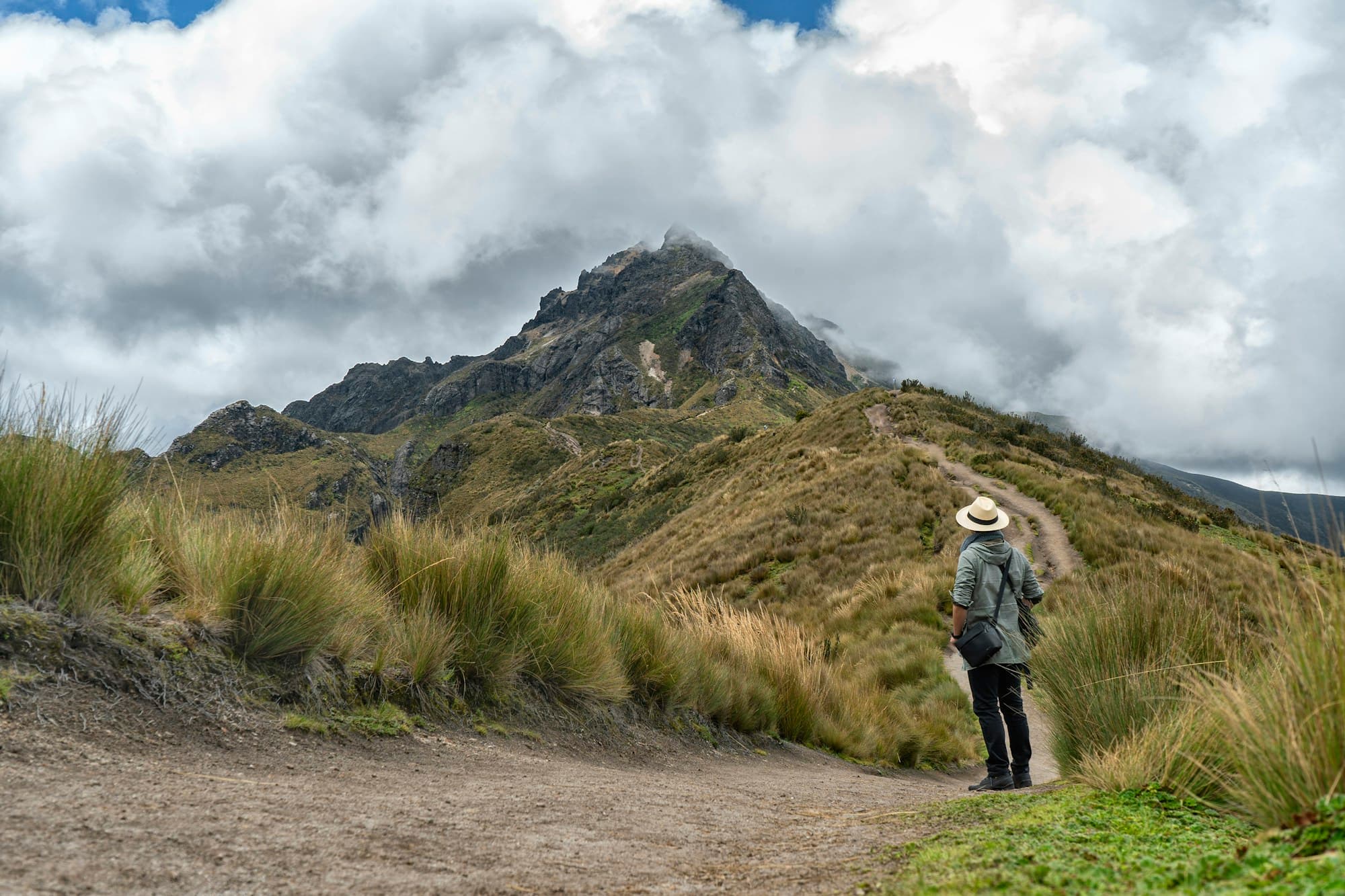
Temporary residency runs two years and renews once. The bigger prize is permanent residency, which you can apply for after 21 months in the country, ending the income test for good. To get there, you have to watch your absences. Ecuador counts the days you spend abroad; crossing 90 in any of those years restarts the clock. Three years after permanent residency, you can apply to naturalize. Ecuador has no problem with you keeping your U.S. passport.

Reality check
Three things that matter more here than the visa
Power
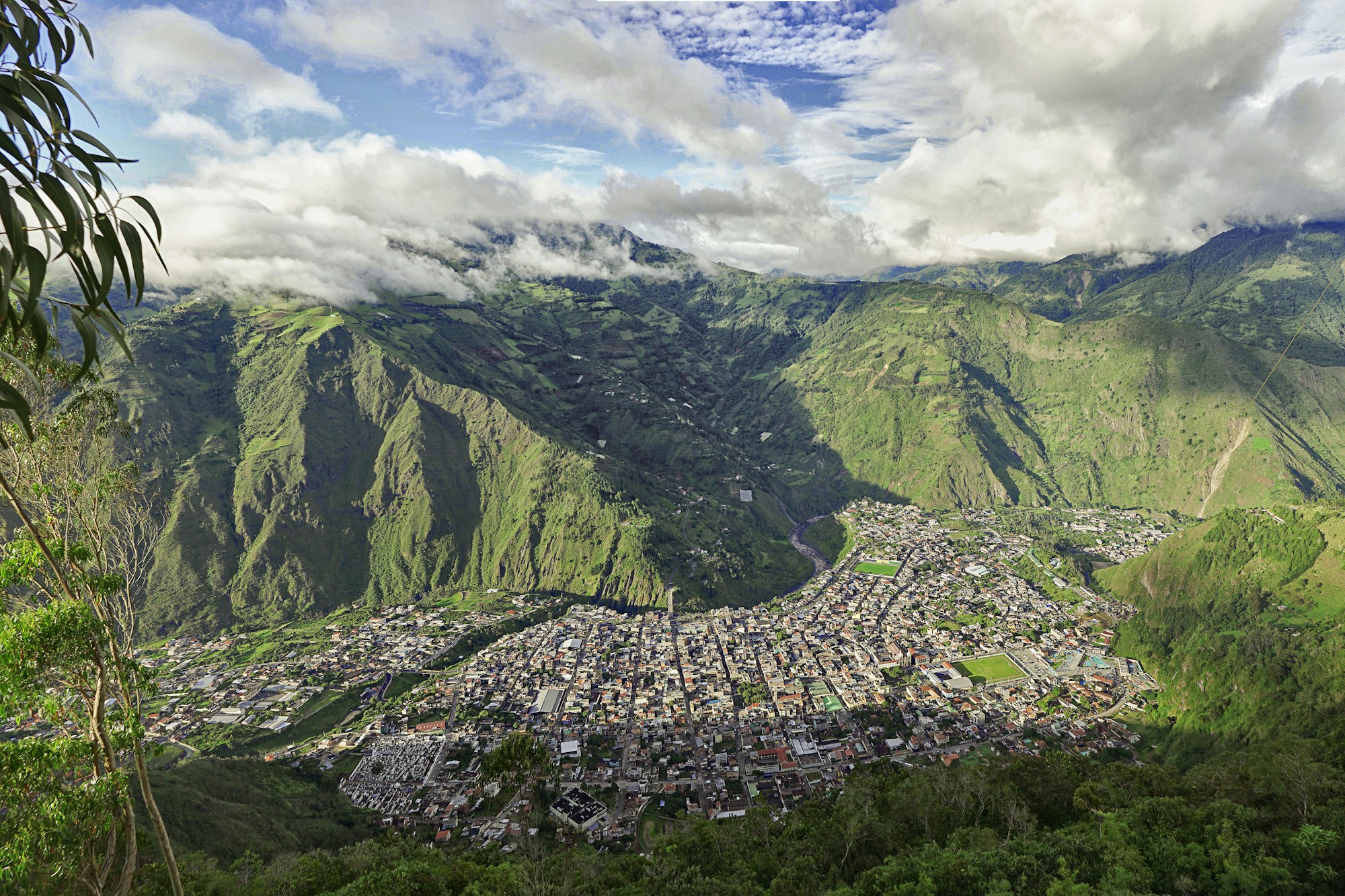
Ecuador draws roughly three quarters of its electricity from hydro plants. A drought in 2024 pushed the country into daily blackouts of eight hours and more. 2025 and the first half of 2026 ran without mass cuts, but the IMF still lists blackouts among its risks for late 2026. Ask a landlord what happens when the lights go out, and own a battery backup.
Altitude
Quito sits at 2,850 meters and Cuenca at 2,560. Give yourself a slow first week before you promise anyone a deadline.
Spanish
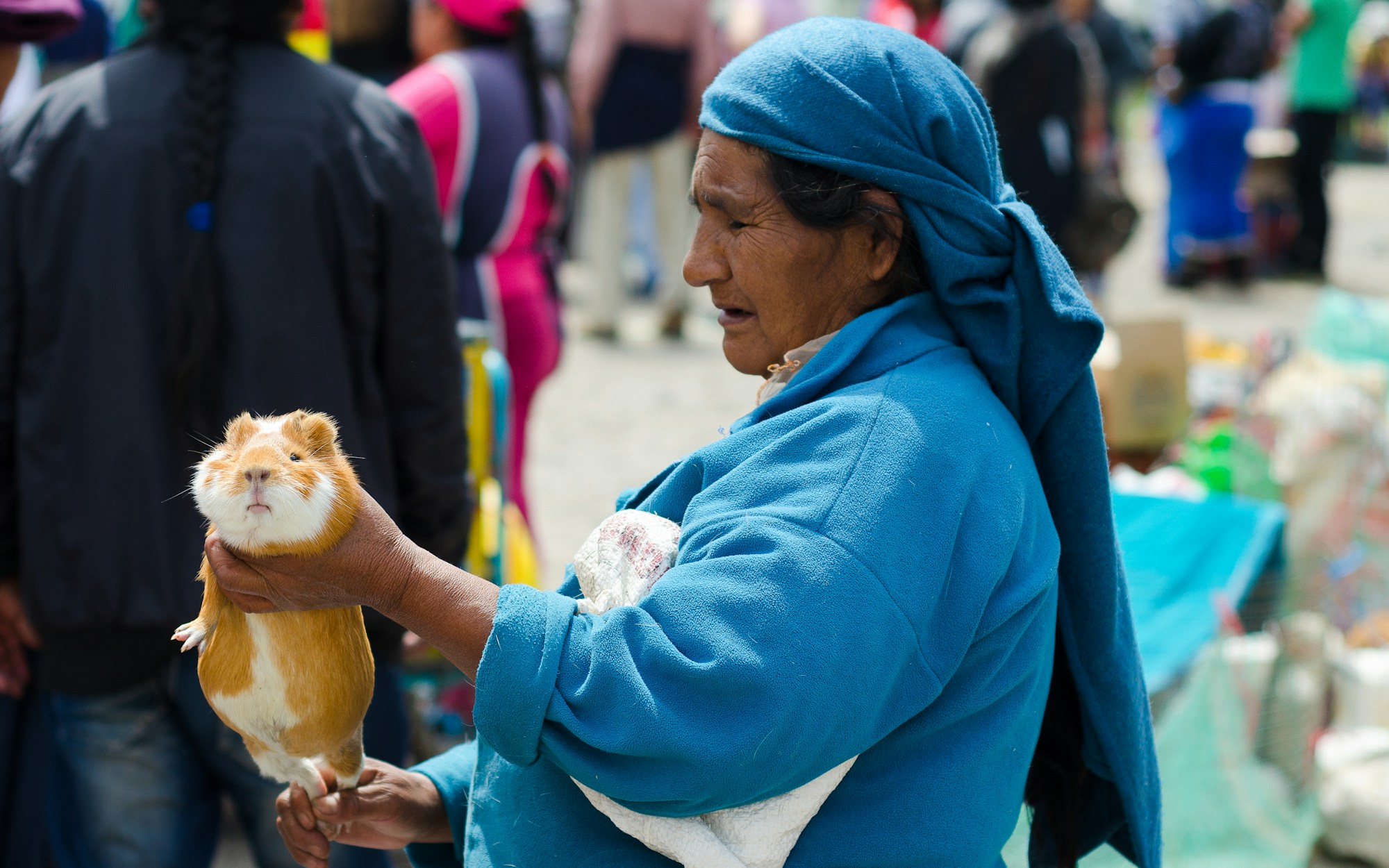
Outside expat circles, English is thin. You can get by in Cuenca and Quito. A few months of lessons changes daily life completely.
Where to live
Where remote workers actually set up

Cuenca
The expat capital
A UNESCO colonial city at 8,400 feet with the largest, most settled American and Canadian community in Ecuador. Mild all year, walkable, rich in cafes and culture, and famously calm, with cheap rents and hospitals a short taxi away. The default first stop for a reason.
Quito
High Andean capital
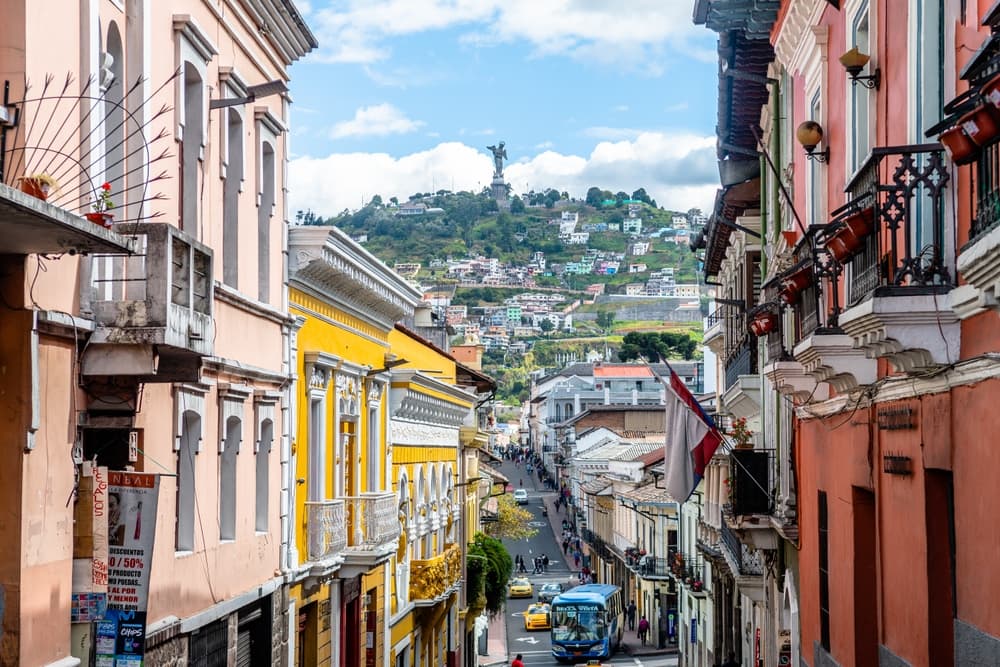
A colonial center on the UNESCO list, spring weather every month, and the whole of Ecuador within a short flight. It sits at 9,350 feet, so the altitude takes weeks to settle into, and petty crime means you pick your neighborhood carefully. It also runs cheaper than Cuenca, the expat favorite to the south.
Get it right
Who to call before you upload anything
Ecuador's visa portal is online, in Spanish, and unforgiving: if you don't pay on the same day you file, the system deletes the application. Between apostilles, translations and an insurance certificate that has to name Ecuador in writing, a local firm usually pays for itself. These are the people Expatsi works with there.

EcuaAssist
Ecuador Relocation Specialist
Cuenca-based immigration specialists who file Ecuadorian residency visas and manage the apostille and translation chain.

Blue Box Insurance Broker
Insurance Broker in Ecuador
This visa needs coverage valid in Ecuador for the whole two years. Blue Box brokers policies that qualify.

Miss Rosa Spanish Lessons
Spanish Language Teacher
One-on-one Spanish lessons online. English is thin outside expat circles here, and lessons change daily life fast.
Ecuador Digital Nomad Visa questions
How much income do I need for Ecuador's digital nomad visa?
Ecuador pegs the bar to its minimum wage, so for 2026 it lands at $1,446 a month ($482 x 3). Prove it with three months of international bank statements, or show $17,352 across a full year. Each dependent you bring adds $250 a month. The threshold moves every January when the minimum wage does, so check the current figure before you gather documents.
Do I need a university degree for Ecuador's nomad visa?
No. Ecuador's Professional Visa asks for only $482 a month of income, but the degree behind it has to be apostilled and registered with SENESCYT, which adds weeks. The Digital Nomad Visa skips the degree and asks for the higher income plus proof that the work is foreign.
How long does the Ecuador digital nomad visa take to approve?
Ecuador does not publish a processing time for this category. Applicants report anywhere from a couple of weeks to a couple of months once a complete file is in. The slowest piece is usually the FBI background check and its apostille, so start that before anything else.
Can I work for an Ecuadorian company on the digital nomad visa?
No. The Visa Nómada only covers work for an employer, clients or your own company based outside Ecuador. Taking Ecuadorian clients or a local job needs a different visa, and doing it on this one can cost you the residency.
Will I pay Ecuadorian tax on income I earn from abroad?
Usually not, but this deserves an hour with an accountant. Foreign earnings are not taxed under the terms of the visa itself, and a temporary tax residency regime introduced in 2024 can keep foreign income out of the Ecuadorian tax base for five years. Past 183 days in the country you count as a tax resident under general law. There is no U.S. tax treaty with Ecuador, and Americans still file at home.
Does the digital nomad visa lead to permanent residency in Ecuador?
Yes. It is a temporary residency visa, so after 21 months you can apply for permanent residency, provided your time outside the country stayed under 90 days in each of those years. Permanent residency ends the income test, and citizenship becomes possible three years after that. Ecuador allows dual citizenship, so Americans do not have to give up a U.S. passport.
What does Ecuador's digital nomad visa cost?
Ecuador's foreign ministry publishes $50 to apply plus $270 when the visa is granted. Applicants 65 and over pay half, and people with a disability of 30 percent or more pay nothing. Some agencies quote $400 for the grant fee instead, so confirm the current tariff before you pay. Apostilles, translations and legal help are separate costs.
Other Ecuador visas worth comparing
Ecuador's easiest door to residency
If you hold a university degree, the Professional Visa lets you live and work in Ecuador on about $482 a month.
Buy a home in Ecuador, get residency
One titled property worth about $48,200 turns a place to live into a two-year residency, in a country that already runs on the U.S. dollar.
Ecuador residency without a pension
The Income Visa asks for $1,446 a month in passive income, not a lifetime pension. No age limit, and every figure in it is already in dollars.
Retire in Ecuador on your pension
Show a steady pension of about $1,446 a month and Ecuador gives you residency in a country that runs on U.S. dollars.
Could you actually live here?
Take the Expatsi Test and see how Ecuador scores against what you want.
Why not you?