Australia's Work and Holiday Visa: One Year Abroad Before You Turn 31
The subclass 462 gives Americans aged 18 to 30 twelve months in Australia with full work rights, for about US$605 (A$840) and often about two weeks of waiting.
It's the closest thing to a no-strings year abroad an American can get. No job offer, no sponsor, no plan required. What you do need: a college transcript, a birthday that hasn't hit 31 yet, and about $3,600 in the bank.
Almost every working holiday guide you've read is for the wrong visa
Australia runs two working holiday programs. The famous one, the subclass 417, covers the UK, Ireland, Canada and much of Europe, and Americans can't apply for it. U.S. passports go on the subclass 462 instead. Same 12 months, same work rights, different rules: the 462 adds a study requirement, an annual cap on U.S. places, and a tighter list of jobs that earn you a second year.
Work and Holiday Visa (subclass 462)
Allows work and travel for up to 12 months; limited to certain types of work.
- Government cost
- $635
- Processing time
- ~14 days
- Timeline
- Up to 12 months (can be extended with specified work in regional areas)
- Difficulty
- Easy
Key requirements
- Aged 18-30
- US passport
- No dependent children
- Sufficient funds
- Health and character checks
Eligibility
Who actually gets one
The age rule is hard
You have to be 18 to 30 inclusive on the day you apply, and there's no extension for Americans. The 417 crowd (Brits, Irish, Canadians, French) got bumped to 35. The 462 didn't, for anyone. Apply at 30 and you can still stay well past your 31st birthday.
The study rule is where U.S. applications fail
You need post-secondary study: a completed diploma or degree, or at least two years of an undergraduate degree. A high school diploma alone isn't enough, and it's the most common reason American applications get refused. Dig out the transcript before you pay anything.
What you don't need
No English test, because a U.S. passport covers it. No letter of support from your government, which several other 462 countries must produce. No job offer, no sponsor.
- Sufficient funds, about $3,600, which the department assesses as roughly A$5,000, plus a ticket home
- No dependent children can come with you, and a partner applies on their own visa
- Your first 462 has to be lodged while you're outside Australia, and decided while you're still outside
The numbers that decide it
$605
Visa application charge
A$840, billed by Home Affairs
18 to 30
Your age when you lodge
no extension for Americans
~2,500
U.S. places per program year
resets each July 1
$24
Casual minimum wage per hour
A$33.05 from July 2026
About these dollar figures
Australia sets all of these in Australian dollars: the visa charge, the wage floors, the tax brackets. We've converted at about 72 U.S. cents to the Australian dollar in September 2026 and kept the Australian figure beside each one. The U.S. number drifts with the rate. The Australian one is what you're charged and paid.
Money
What you'll earn and what you'll hand back
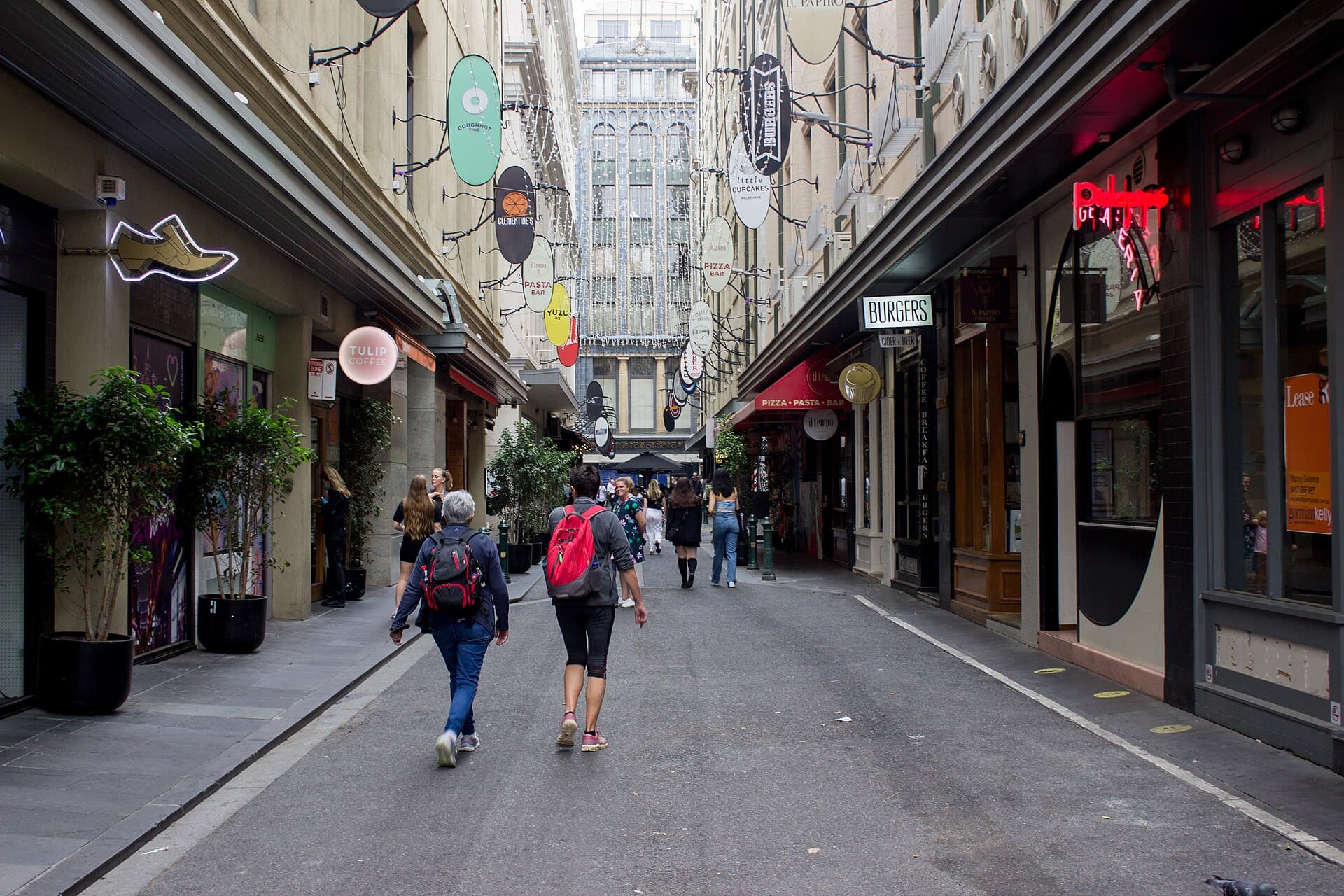
Australia pays its casual workers well. The floor is about US$19 an hour, which Fair Work sets at A$26.44 from July 1 2026, and casuals get a 25 percent loading on top, so about US$24 an hour is the real minimum for the bar, cafe and farm jobs most people on this visa take. Hospitality award rates often sit higher, and weekend penalty rates are real money.
The good news stops at the tax office. Working holiday makers pay a flat 15 percent from the first dollar, with no tax-free threshold, up to about US$32,400 of earnings, a bracket the ATO sets at A$45,000, and skip the 2 percent Medicare levy. Your employer has to be registered with the ATO as a working holiday maker employer or they withhold 30 percent, and with no tax file number it's 45 percent. Sort the TFN out in week one.
Your employer also pays 12 percent superannuation on top. You can claim it when you leave for good, and Australia taxes that payout at 65 percent.
If you plan to keep working for US clients
Bringing your laptop is fine, and plenty of people fund the year that way. Just know that condition 8547 treats the end user of your work as your employer. One U.S. client for more than six months reads exactly like one employer for more than six months. Several clients, and each one counts separately, so you're clear. That's Home Affairs' own wording on the six month work limitation, not our interpretation.
Extensions
How one year turns into three
88 days buys you a second year
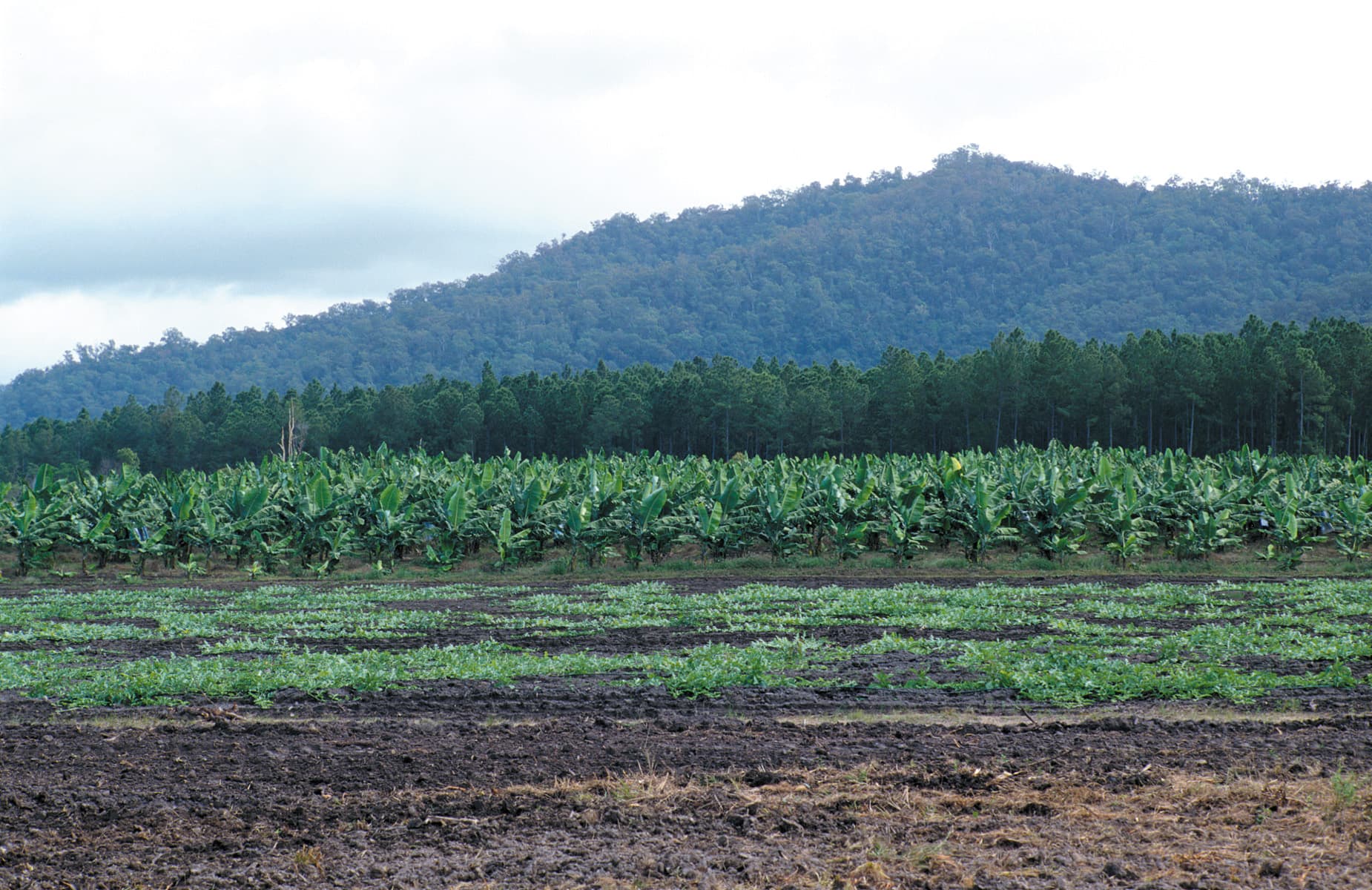
Do three months of specified work while you hold your first 462 and you can apply for a second. Here's the catch: the 462 list is tighter than the 417 list everyone writes about. Tourism and hospitality only count in northern, remote or very remote Australia. Farm work counts in the north plus specified regional postcodes. Fishing, pearling, tree farming and felling count in the north only, and construction in the north and specified regional areas. Bushfire and flood recovery counts in declared areas.
And six months buys a third
88 days means 88 calendar days over at least three months, so you can't double-shift through it in six weeks. It has to be paid at award rates with payslips, because cash in hand doesn't count. Second and third year visas aren't capped, so the U.S. limit stops mattering once you're in.
What the visa actually lets you do
Any job, any state
No occupation list, no skills assessment. Bar work in Melbourne, dive shop in Cairns.
Six months per employer
Condition 8547, with exemptions for farm work, hospitality, health and care roles.
Four months of study
Condition 8548 covers a short course or a dive ticket, but study can't be the point of the year.
In and out as you like
Multiple entries, and the 12 month clock starts on your first arrival.
No Medicare
The U.S. has no reciprocal health agreement with Australia. Buy real cover before you fly.
You go alone
No dependent children, and a partner has to qualify on their own 462.
Before you book
Here's the catch
The 462 goes nowhere on its own. It isn't a residency path and never turns into one by itself. If you want to stay past your year, you switch to something else: employer sponsorship on a 482, student visa, skilled visa, or a partner visa. Start that at least three months before your 462 runs out, not in the last fortnight.
The other two catches are timing. The U.S. allocation is roughly 2,500 first-year places and the program year opens July 1, so applying early is the safe move. The age limit is a wall: no appeal, no exception, no extension once you turn 31.
If you're past 30, or you want a route built for remote work rather than bar work, start with our digital nomad visa comparison instead.
Other ways into Australia
Distinguished Talent Visa (subclass 124/858)
- Internationally recognized exceptional achievement
- Nomination by an Australian organization or individual
- Health and character checks
Employer Nomination Scheme Visa (subclass 186)
- Nomination by approved Australian employer
- Relevant skills and qualifications
- Health and character checks
Skilled Independent Visa (subclass 189)
- Occupation on skilled occupation list
- Points test (age, English, qualifications, experience)
- Health and character checks
Skilled State Sponsored Work (subclass 190 )
- Skills assessment in eligible occupation
- State or territory nomination
- Minimum 65 points on points test
Skills in Demand Visa (subclass 482)
- Job offer from approved Australian employer
- Relevant skills and qualifications
- Health and character checks
Student Visa (subclass 500)
- Enrollment in a CRICOS-registered course
- Sufficient funds
- Health insurance
Questions Americans actually ask
What tax do working holiday makers pay in Australia?
A flat 15 percent on the first US$32,400 or so of earnings, a bracket the ATO sets at A$45,000, with no tax-free threshold, then the normal brackets, and no Medicare levy. Your employer adds 12 percent super, which you claim on departure, though Australia withholds 65 percent of that payout. You still file a US return on your worldwide income.
Can Americans get an Australian working holiday visa?
Yes, but on the subclass 462 Work and Holiday visa, not the subclass 417 that most online guides describe. The year looks the same once you land, but the 462 adds a study requirement, a cap on US places and a narrower list of regional work.
What's the age limit for the 462?
18 to 30 inclusive on the day you apply. Australia extended the 417 to 35 for UK, Irish, Canadian and French passports, but no 462 nationality got that deal, including the US. Granted at 30, you can still live there past your 31st birthday.
Do I need a college degree for the 462?
Not a finished degree, but you need post-secondary study: a completed diploma or degree, or at least two years of an undergraduate program. A high school diploma alone isn't enough, and missing this is the most common reason US applications get refused.
How much does it cost and how fast is it?
The charge is about US$605, which Home Affairs bills as A$840 from 1 July 2026, and you show about US$3,600 in savings (roughly A$5,000) plus the means to buy a ticket home. Grants are fast, often inside two weeks, but allow up to two months in case health or police checks are asked for.
Can I work remotely for my US employer while I'm there?
You can work, and the 462 comes with full work rights. The trap is condition 8547, which caps you at six months with any one employer and treats the end user of your work as that employer. One US client for the whole year is a problem. Several clients, or a job you change after six months, is not.
Does the Work and Holiday visa lead to permanent residency?
No. The 462 is temporary with no built-in path to residency. Plenty of people stay on by switching to an employer-sponsored 482, a student visa, a skilled visa or a partner visa, and a year of Australian work and contacts makes that easier. Plan the switch early, because you can't apply from an expired visa.
How do I get a second year in Australia?
Complete 88 days of specified subclass 462 work while your first visa is valid: tourism and hospitality in northern, remote or very remote Australia, farm work in the north or specified regional postcodes, or fishing, construction and disaster recovery in the listed areas. It has to be paid at award rates, over at least three calendar months. Six months of it in year two earns a third year.
Is Australia really your move?
Take the Expatsi Test and see how Australia stacks up against the other places on your list, on the things you actually care about.