
Living in Paphos, a slow-paced harbor town on Cyprus's southwest coast
What it costs, how safe it is, and whether it fits a retirement or remote-work move, with an international airport about 9 miles from town.
- 35,961
- Population (2019)
- $2,200/mo
- Monthly budget · single
- 67°F / 20°C
- Avg temperature
One person can live in Paphos on about $2,200 a month in U.S. dollars, and most single budgets in our 2026 data fall between $1,800 and $2,500. A couple needs about $3,100 and a family of four about $4,500. A one-bedroom rents for about $1,000 in the center and about $800 farther out.
It's a good match for retirees and remote workers who want a small harbor town with its own international airport and plenty of other newcomers around. In the 2021 census, nearly half of the town's residents held a passport from somewhere other than Cyprus.
Here's the catch: winter. Average highs in January and February sit near 59F, most of the year's rain falls between November and February, and many of the cafes on the tourist side of town close until spring.

Reviewed and updated October 9, 2026 · 4 min read
At a glance
$2,200
Monthly budget · single person
$1,000/mo 1-bed rent, center
76/100
Safety index
$35
Internet / month
67°Fannual average
Jan 55° · Aug 81°
Climate
35,961
Population (2019)
Expatsi estimates, updated Oct 2026, based on rental listings, government statistics, and local reporting.
Cost of living
What it costs to live in Paphos
Single person
$1,800–$2,500/mo
about 30% below Austin, TX
Couple
$2,500–$3,700/mo
about 35% below Austin, TX
Family of four
$3,700–$5,300/mo
about 45% below Austin, TX
Compared with Austin, TX (Expatsi estimate, 2026).
- $14 −30%
- Inexpensive meal
- $800–$1,200/mo −49%
- 1-bed rent, center
- $650–$900/mo −41%
- 1-bed rent, outside
- $35/mo −46%
- Internet
- $60/mo +45%
- Transit pass
- $307/sq ft −53%
- Buy price, center
Expatsi estimates, updated Oct 2026, based on rental listings, government statistics, and local reporting.
Daily life
How Paphos lives
- B grade, 49th percentile among the cities we track
- Dining & caféstypical
- B- grade, 35th percentile among the cities we track
- Arts & culturetypical
- A- grade, 72nd percentile among the cities we track
- Parks & outdoorsstrong
- B- grade, 40th percentile among the cities we track
- Schools & educationtypical
- B+ grade, 61st percentile among the cities we track
- Healthcare accessstrong
- B grade, 51st percentile among the cities we track
- Bike infrastructuretypical
- B grade, 48th percentile among the cities we track
- Public transittypical
- A- grade, good physical accessibility
- Accessibilitygood
Graded on OpenStreetMap amenity density relative to the 298 cities we track. Accessibility is the exception: it's graded against a fixed standard (terrain steepness and sidewalk surfaces), not a curve.
Climate
Weather through the year
Annual average 67°F (20°C) · 14 in of rain a year · Source: Open-Meteo Historical Weather API (temps: ERA5-Land 0.1°; precip/sunshine: ERA5 best-match; 1991-2020 normals)
On the ground
Scenes from Paphos
Getting around
Transport in Paphos
Most residents drive, and you'll probably want to as well. The State Department notes that Cyprus has few public buses and no rail lines, and traffic keeps to the left. Local driving takes some adjusting: speeding and tailgating are common even though they're illegal.
The Pafos Transport Organization (OSYPA) runs the buses, with routes grouped into four areas: the city and its suburbs, the district's villages, Polis and Latchi on the north coast, and the airport. Route 612 links the airport with the Tombs of the Kings station near the harbor, and route 613 runs to Karavella station in the town center. Our data puts local transport at about $60 a month. Check the OSYPA timetable for your own stop before you build a car-free routine around it.
The harbor and the seafront path in Kato Paphos are easy to cover on foot, and a city bus connects the harbor with the old town and its market. The airport sits about 9 miles from town, and since the State Department tells Americans to enter and leave Cyprus only through Paphos or Larnaca airports, it's also your official way in and out.
- 24/sq mi
- Transit stops
- 7.5/sq mi
- Bike infrastructure
- 11/sq mi
- Wheelchair-accessible places
Mapped features per square mile from OpenStreetMap.
Keep exploring
Places like Paphos

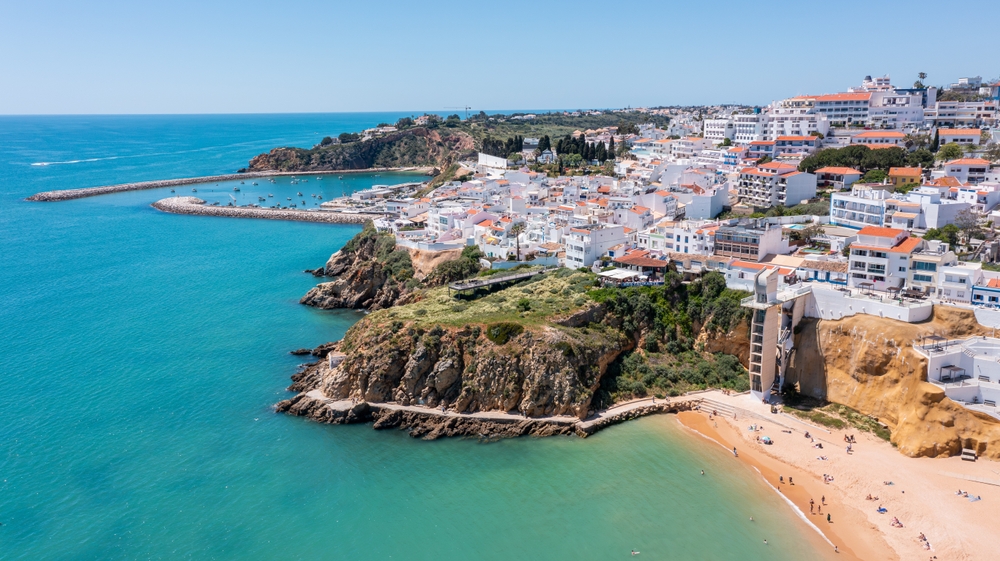


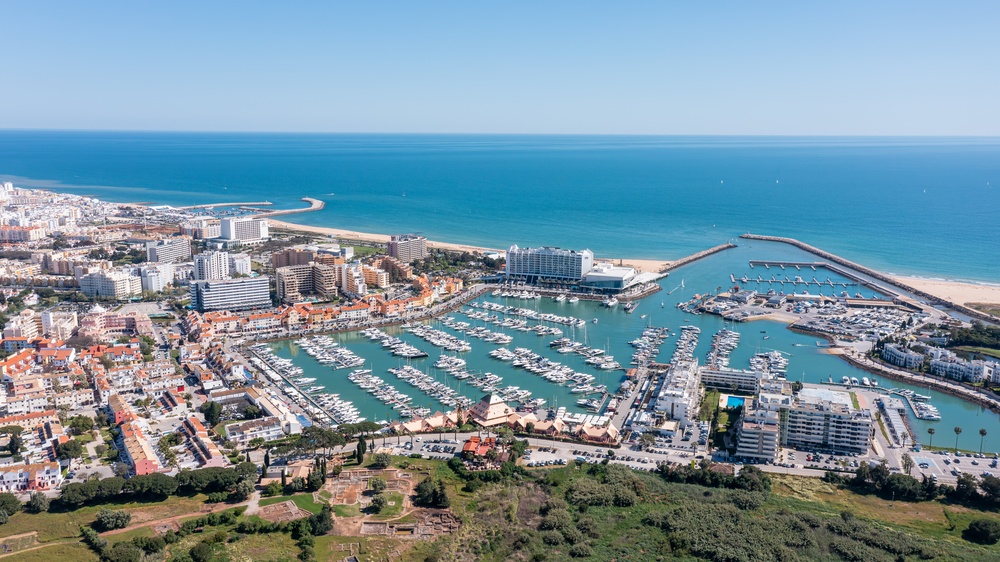

Community
Community & practical notes
The foreign community: Paphos has drawn British and northern European retirees for decades, so newcomers are easy to find. Expect most of the foreigners you meet to be European rather than American, with a social life built around neighbors, clubs and the seafront.
Healthcare: Paphos General Hospital in Anavargos is the public hospital, run by the state health services organization OKYPY. It's in the middle of a rebuild: the emergency department moved to a temporary unit next door in July 2025 so a new wing can go up. As of August 2026, residents were still pushing for an executive director to give it more independence from Limassol's hospital. Private options in town include Royal Artemis, Evangelismos and Iasis hospitals. Medicare won't pay for care abroad, so arrange private health coverage before you arrive.
Working online: Home internet runs about $35 a month in our data. If you'd rather not work from your kitchen table, Hugge Coworking in the central Gladstonos area has open desks, private offices and a rooftop lounge.
Schools: The International School of Paphos in Anavargos, founded in 1987, teaches children from age 2½ to 18 on an English National Curriculum leading to Cambridge and Pearson Edexcel exams. Ask the school directly about fees and openings.
LGBTQ expats: Same-sex couples can register a civil partnership under a law Parliament passed in November 2015, though this arrangement doesn't extend to adoption. The State Department reports no legal restrictions on same-sex relationships, saying public attitudes lean socially conservative. LGBTQ people sometimes face discrimination.
Black Americans: We couldn't find reliable published accounts of daily life in Paphos for Black residents, and the State Department's Cyprus page doesn't address travelers of African descent. Before you commit, connect with Black expats already living on the island and ask about renting, dealing with officials, and everyday life.
Limited mobility: The coast is the strong point. The tourism ministry's 2026 accessible-beach list, revised July 2026, counts 15 fully accessible beaches in Paphos district, and Alykes, Faros and the Municipal Baths beach all offer floating wheelchairs. Away from the water it's harder: the State Department warns that older buildings often lack access and sidewalks can be narrow or missing, so check a rental's entrance and elevator in person.
Retiring here: Winters mild enough for walks, public and private hospitals in town, and an airport close by make Paphos a natural retirement base if your income covers the budget. Americans can visit visa-free for up to 90 days. To stay longer, most self-funded retirees use the pink slip, a visitor residence permit renewed each year, while people who want permanent status from day one look at the golden visa. Compare your retirement visa options or start with our Cyprus guide.
Housing
Renting and buying
- 1-bed rent (center)
- $800–$1,200/mo
- 1-bed rent (outside center)
- $650–$900/mo
- Buy price (center)
- $307/sq ft
- Buy price (outside center)
- $214/sq ft
Expatsi estimates, based on rental listings, government statistics, and local reporting.
Good to know
Frequently asked questions
Is Paphos safe for Americans?
Yes. Paphos scores 76 on the safety index in our 2026 data, and the State Department advises Americans to exercise normal precautions in Cyprus. Driving deserves more care than crime: the State Department notes that speeding and tailgating are common on Cypriot roads.
Is healthcare good in Paphos for expats?
Care is available in town at the public Paphos General Hospital and at private hospitals including Royal Artemis, Evangelismos and Iasis. The public hospital's emergency department has been running from a temporary unit since July 2025 while a new wing is built. Medicare doesn't cover care abroad, so plan on private health insurance.
How much does it cost to live in Paphos, Cyprus?
Our 2026 data puts a single person's monthly budget in Paphos at about $2,200 in U.S. dollars, with most falling between $1,800 and $2,500. A couple needs about $3,100 a month and a family of four about $4,500.
How much is rent in Paphos?
A one-bedroom apartment in central Paphos rents for about $1,000 a month in our 2026 data, typically between $800 and $1,200. Outside the center, expect about $800, usually between $650 and $900.
Can Americans retire in Paphos?
Yes. Americans can visit Cyprus visa-free for up to 90 days, and most self-funded retirees who stay longer apply for the pink slip, a visitor residence permit renewed every year. Paphos has a public hospital, several private hospitals and its own international airport, which makes it a practical retirement base.
Do you need a car to live in Paphos?
Most residents drive. Cyprus has no rail lines and the State Department describes its public buses as few. Paphos does have a local bus network run by OSYPA, including routes to the airport, and the harbor area is walkable, but villages and the north coast are much easier with a car. Traffic drives on the left.
What is the weather like in Paphos year-round?
Summers are hot and dry, with average August highs near 85F and almost no rain from June through August. Winters are mild but wetter, with average highs near 59F in January and February. Paphos gets about 14 inches of rain a year, most of it between November and February.
See how Paphos fits your life
Take the free Expatsi Test and compare Cyprus to over 100 countries on what actually matters: cost, healthcare, climate, and safety. About five minutes.
Why not you?