Italy answers startup founders in 30 days
The money test is 50,000 euros for the whole founding team. The hard test is how narrowly Italian law defines an innovative startup.
Italy has a fast lane for founders. A committee in Rome reads your business plan first and answers before you incorporate anything or pay a notary. Here's what it asks for, what it really costs, and where American founders get stuck.

Who it fits
It has to be a company you run

This isn't the freelance visa or the golden visa. It's for people who want to incorporate an Italian company and run it themselves.
You show 50,000 euros of liquid money, about $57,500, set aside for the business. That figure covers the whole founding team, up to five people, not each of you. It can be your own savings, a venture fund's money, an angel's, a certified incubator's, or a public grant, so long as a bank can document it and it can move to Italy. On top of that, the consulate wants last year's income above Italy's healthcare exemption line, about 8,500 euros, and an address to live at.
There's a second door. If the company already exists and is registered as an innovative startup, you can put 100,000 euros into it, about $115,000, and join as a partner or director. A quiet check doesn't qualify you. You have to take a real job inside the business.
The money and the clock
50,000 euros
Money you show for the business
About $57,500, and it covers the whole founding team
30 days
The committee's window to answer
Free to apply, and you can file any month of the year
1 + 2 years
Your first two permits
File each renewal at least 60 days before it expires
8,500 euros
Personal income you prove
About $9,800 of last year's income, separate from the 50,000
The sequence
From an email to a permesso
Before you fly
Send the file by email to the Italia Startup Visa committee, which sits inside Italy's enterprise ministry: the application form, pitch deck, forecast of costs and revenue, a bank letter covering the 50,000 euros, and your passport. Italian or English, both are accepted, and nothing is charged at this stage. A secretariat confirms the file is complete, then a technical committee drawn from Italy's own startup world, its angel network, venture funds, and university incubators, votes on your project while the local police run a background check. A refusal comes with reasons; you get ten days to answer it and ask for a second look.
After the yes
The clearance is good for three months at your consulate, which issues the one-year visa. From there, you have 180 days to move, and eight days after you land to file for your permesso di soggiorno at the Questura. Budget another 97 euros or so for the post office bulletins and the stamp.
Renewals
Permit one runs a year. You renew it with the company's registry extract and proof the business is earning, and permit two runs two years. Five years of legal residence opens EU long-term residence, while ten years opens citizenship. Both of those want real Italian comprehension: first A2, then B1.
The official record
Startup Visa
For entrepreneurs launching innovative startups in Italy. Not tied to employment quotas; requires committee approval of business plan.
- Government cost
- $116
- Processing time
- ~90 days
- Timeline
- 1 year initially, renewable
- Difficulty
- Hard
Key requirements
- Viable innovative business plan
- Minimum capital (often €50,000+)
- Approval by Italian evaluation committee
- Proof of accommodation
- Health insurance
About that data card
Read that card with a pencil in hand. The fee is printed in dollars; it's really 116 euros, about $133, the standard Italian long-stay visa charge. The 90 days covers the whole run, consulate and police headquarters included; the committee's own legal window for a decision is 30 days. And "not tied to employment quotas" is too strong. Your visa still counts against Italy's self-employment quota, 650 entries a year under the 2026 to 2028 decree, with 500 of those ring-fenced for a short list that names innovative startup founders. What you skip is the click-day scramble that ordinary self-employment applicants face. Italy writes all of this in euros. We converted at about $1.15 per euro as this page went up in September 2026, so price it again on the day you file.
The real test
Innovative has a legal definition here

What the law asks for
The company has to be an Italian capital company, under five years old, with annual production value below 5 million euros, profits never paid out, and a main purpose of developing high-tech products or services. It has to also clear one of three bars: research and development worth at least 15 percent of its costs or its revenue; a team that's one third doctorate holders or two thirds master's holders; or ownership or a license of a registered patent or registered software.
What gets turned down
Since December 2024, the law also says a startup cannot have consulting or agency work as its main activity. The ministry's July 2025 circular names the business codes it means. A consulting shop, a sales agency or a plain online store won't pass, however good the forecast looks. The committee also reads your resume against your plan, so a founder with no track record in the field is a weak file.
Keeping the status
Innovative status runs three years from the day the register accepts you. You hold it to year five only by showing research spending of 25 percent of production value or a registered patent, and scale-up extensions after that turn on raising real money.


After you land
The company work starts once you are in
Setting it up
An Italian company is born in front of a notary, which runs roughly 1,000 to 3,500 euros, or about $1,150 to $4,000, depending on how custom the articles are. Since late 2022 the notary can do it over video. The company then has to be accepted into the special section of the business register before it counts as an innovative startup, which takes about six weeks in practice. The upside: registered startups skip the annual chamber of commerce fees for five years.
The tax you'll pay
An Italian company pays 24 percent corporate tax plus a regional production tax of about 3.9 percent, so advisers plan around the high twenties. The flat 5 percent regime American freelancers hear about is for sole traders, not companies, so it will not apply to you here. Own 10 percent or more of your Italian company and the IRS wants Form 5471 attached to your U.S. return. Cross 183 days in Italy and it taxes your worldwide income as well, on a scale that runs from 23 percent to 43 percent.
Family
Spouses and children come through family reunification, and the program's own rules say those files get priority handling.
The map is smaller than you think
Milan
Lombardy held 48 percent of the companies that raised venture money in 2025. More investors, more engineers, rents to match.
Turin
The engineering city. Its old car factories now hold campuses, labs and offices, and rents sit well under Milan's.
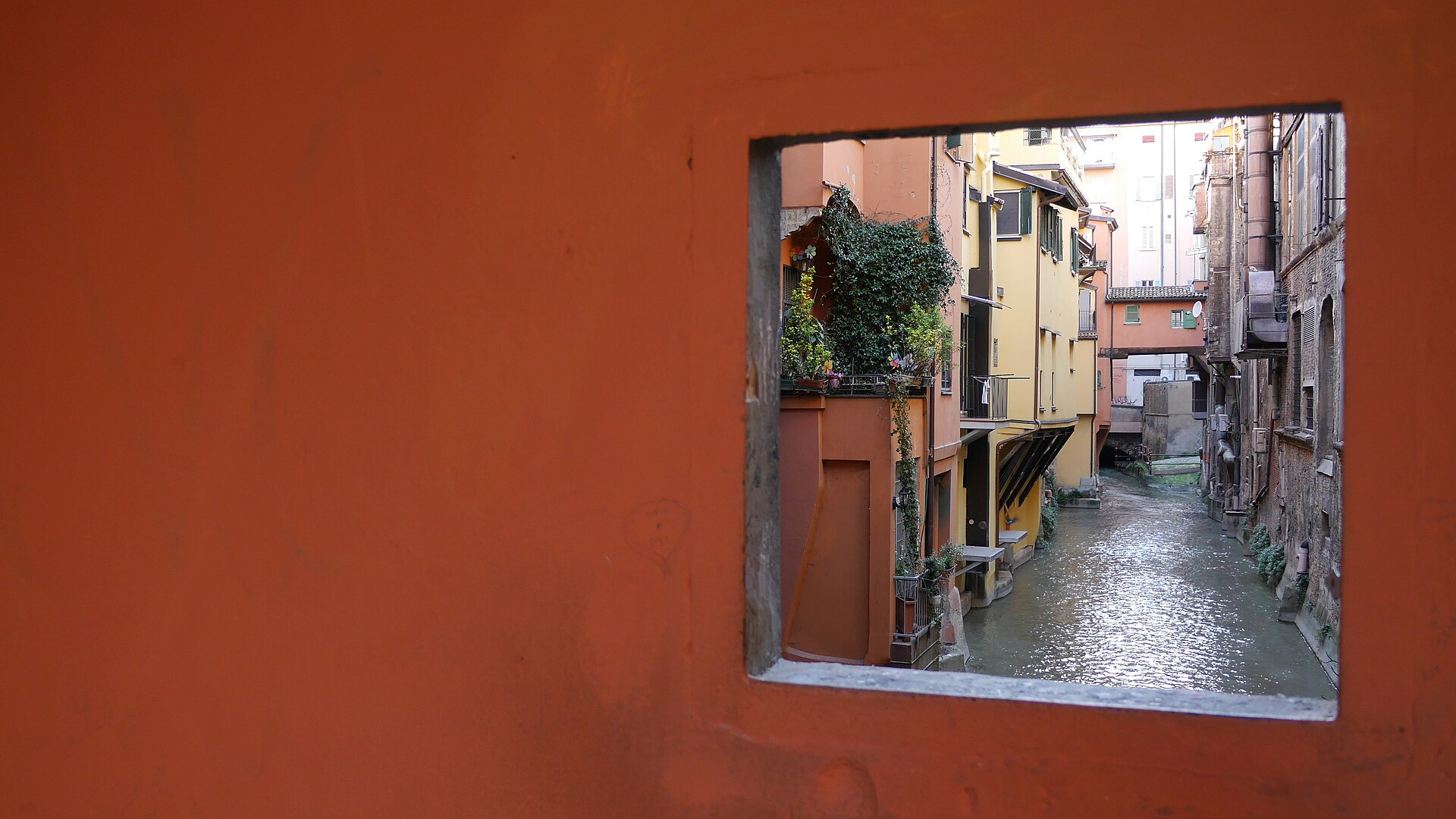
Bologna
Italy's Leonardo supercomputer sits in the Tecnopolo, beside a university founded in 1088 and a strong machinery belt.
Trento
Small, alpine and research heavy, with the university and Fondazione Bruno Kessler pulling public research money in.
Where outside help pays for itself

Move To Dolce Vita
Italian Immigration
They run the visa file and the tax structure together, for families and for founders, which is the pairing this route needs early.

Thea Duncan
Italy Relocation Specialist
Twenty years in Italy and a Bocconi degree behind her, Thea handles the Milan landing: housing, registration, and the parts nobody warns you about.
MyExpatTaxes
U.S. Expat Tax Service
Your U.S. return doesn't stop when the company becomes Italian. They handle expat filing, including the paperwork that comes with owning shares abroad.
Straight answers for founders
How much money do you need for Italy's startup visa?
You document 50,000 euros, about $57,500, held in liquid form and earmarked for the business. It counts for the founding team as a whole, up to five people. Joining an existing innovative startup instead costs 100,000 euros. Separately, you prove personal income of roughly 8,500 euros last year.
What happens if the startup does not work out?
The renewal rests on the company: the registry extract and proof of income are what the police headquarters asks for. If the business closes or loses its place in the innovative startup register, you need a different basis to stay, so talk to an immigration lawyer well before the permit expires.
How long does the Italy startup visa take?
The committee answers within 30 days by law. After that you have three months to collect the visa at your consulate, which takes a few weeks, then eight days after arrival to file for the residence permit, which the police headquarters issues later. Plan on three to four months door to door.
Can I take a job while the company gets going?
A self-employment residence permit also lets you work as an employee while it is valid, which gives founders a way to cover rent during a thin first year. Just remember the permit renewal still looks at whether the startup is registered, active and earning.
Do I need to speak Italian?
Not to apply. The committee accepts the whole file in English, and the consulate follows. Italian becomes unavoidable later: the notary, the accountant, the Questura and your suppliers all work in it, and permanent residence at five years needs A2 Italian, citizenship at ten years needs B1.
Can my spouse and children come with me?
Yes, through Italy's family reunification process, and the startup program's rules say those applications get priority handling. Plan for the housing and income tests that come with reunification, and get the paperwork moving early rather than after you land.
Can I use it for a consulting or agency business?
No. Since December 2024 Italian law bars companies whose main activity is consulting or acting as an agent from registering as innovative startups, and the ministry spelled out the business codes in July 2025. The route is built for companies developing technology, not for selling your own hours.
Different door, same country
If your parent or grandparent was born in Italy, you may already be Italian
Citizenship by descent (jure sanguinis) can make you an Italian and EU citizen while you keep your US passport. Italy's 2025 reform changed the rules, so here's exactly who still qualifies.
Freelance your way to Italy
A real route for non-EU freelancers to live and work in Italy. Here's who it fits, what it costs, and the catch.
Retire to Italy on a passive income
The Elective Residency Visa lets retirees settle in Italy on a pension or savings. Here's how it works and what it really costs.
Italy's golden visa doesn't do real estate
Four ways in, from 250,000 euros, and Italy approves you before your money moves.

Should the company be Italian at all?
The Expatsi Test weighs your money, your work and your family against the countries that would have you.
Why not you?