Ecuador residency without a pension
The Income Visa asks for $1,446 a month in passive income, not a lifetime pension. No age limit, and every figure in it is already in dollars.
Rent checks, dividends, a trust payout. If the money lands every month, Ecuador will count it.

Who it fits
Which income counts
Ecuador runs two income visas at the same dollar threshold, splitting them by where the money comes from. A lifetime pension goes on the retirement visa. Everything else passive lands here on the visa that Ecuadorian lawyers call the rentista.
- Counts: rent from property, dividends, interest, trust distributions, royalties, annuity payments
- Does not count: a salary, freelance or consulting fees, or a one-time sale
- There is no age minimum, which is why people who retired early end up here instead of on the pension visa
Income, fees, and the clock
$1,446/mo
Passive income you document
Three times the $482 minimum wage
+$250/mo
For each person you bring
Your spouse needs none of their own
$330
Government fees, per applicant
Around $195 once you turn 65
21 months
Before permanent residency
Which ends the income test

How it works
The file is a matching exercise
Six months of bank statements have to line up with the income you claim. A lease saying $1,700 next to deposits bouncing between $900 and $2,400 is what stalls these files. Your FBI check gets apostilled by the State Department, foreign documents get certified Spanish translations, and the packet goes through the e-visa portal. One wrinkle people miss: the health policy has to be live the day you apply, and it has to say Ecuador on it.
Here's the catch
You can manage your own money all day. You can't take work: no Ecuadorian employer, no local clients. Remote work for a company back home belongs on the digital nomad visa instead, so choose wisely.
Income Visa
For those with stable foreign income; can manage investments but not work locally; can apply for permanent residency after 21 months.
- Government cost
- $335
- Processing time
- ~60 days
- Timeline
- 2 years (can convert to permanent after 21 months in country, with no more than 90 days outside Ecuador)
- Difficulty
- Easy
Key requirements
- Recurring income of at least $1,410/month
- Proof of income
- Ecuadorian health insurance
- No criminal record
About that data card
The requirement above still reads $1,410 a month, which was 2025's figure. The floor tracks Ecuador's minimum wage, and that wage went to $482 in January, so budget for $1,446. It resets every January, so price it again the month you file.
The long game
What the first two years ask of you
Keep your time outside Ecuador under 90 days a year; at the 21-month mark, you can trade temporary residency for permanent and retire the income question for good. Three years later, you can request citizenship without giving up your U.S. passport. Taxes deserve an hour with a professional rather than a guess: Ecuador can tax residents on worldwide income. How that lands on foreign rent and dividends varies, but the IRS still wants a return either way.


Get it right
Nothing here is hard, but it is unforgiving
Background checks expire. Translations get bounced. A policy that never mentions Ecuador counts for nothing. These vetted partners work this paperwork every week.

EcuaAssist
Ecuador Relocation Specialist
Cuenca attorneys who file rentista applications and run the e-visa portal for you.

Blue Box Insurance Broker
Insurance Broker in Ecuador
Ecuador wants coverage in force on submission day, and a U.S.-only policy will not do. Blue Box sorts that out.

Legalize That Doc
Document Preparation
Apostilles, FBI checks and certified translations, which is where the waiting usually happens.
Where to live
Two places to start looking

Cuenca
The expat capital
A UNESCO colonial city at 8,400 feet with the largest, most settled American and Canadian community in Ecuador. Mild all year, walkable, rich in cafes and culture, and famously calm, with cheap rents and hospitals a short taxi away. The default first stop for a reason.
Salinas
Ecuador's beach resort
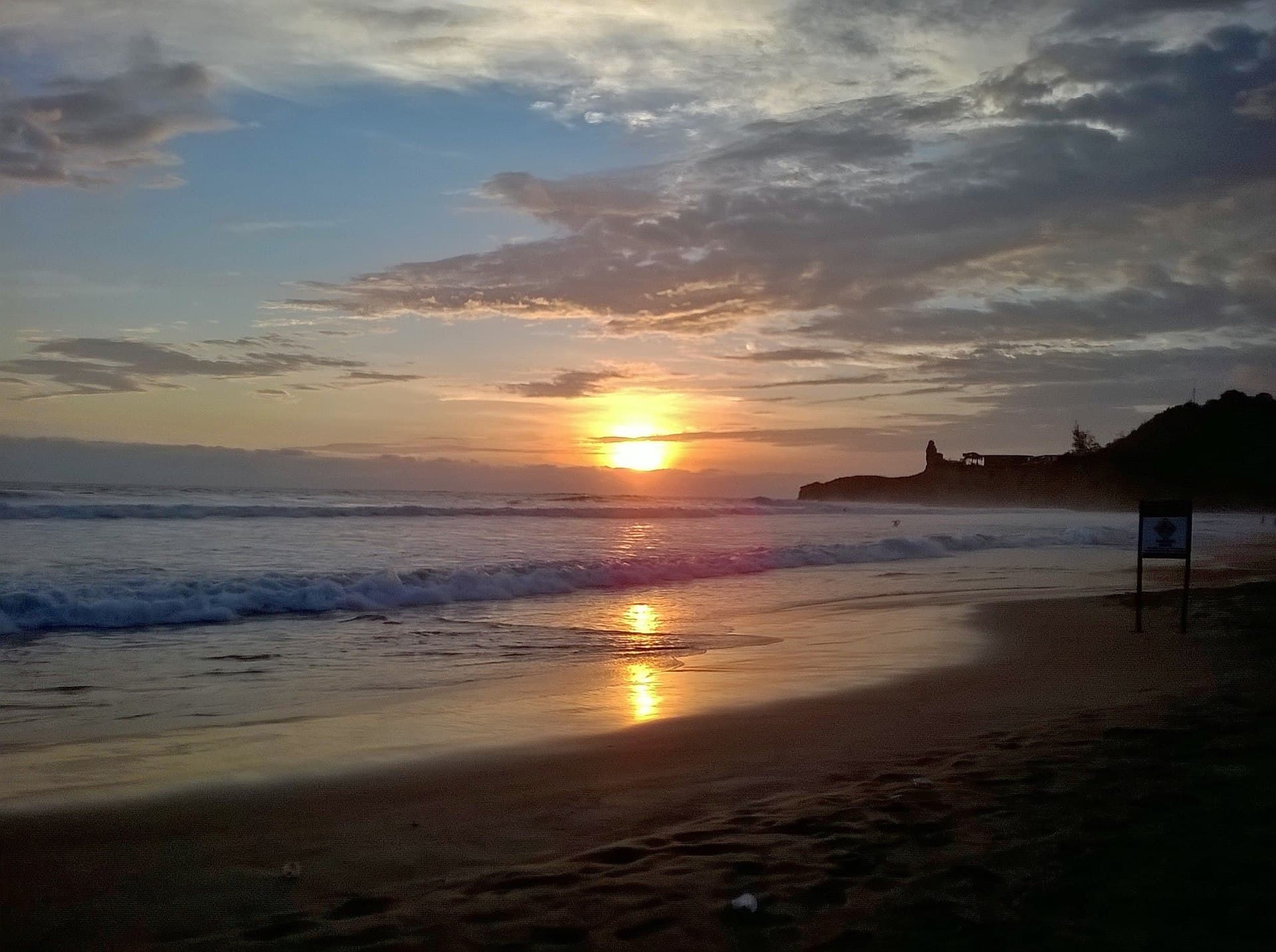
Ecuador's best-known beach town, a condo-lined crescent on the Santa Elena peninsula, with humpbacks passing offshore from late June into October and Guayaquil two hours inland. High season fills it and the rest of the year empties it out. A resort strip rather than an Ecuadorian town.
Income Visa questions
Does rent from a U.S. property count?
Yes. You show the lease or rental contract plus six months of bank statements where the deposits match it. Rent from a property inside Ecuador can also work, though the guides disagree on that point, so ask a local attorney before you count on it.
Do IRA or 401(k) withdrawals count as passive income?
Regular monthly distributions of a consistent amount, documented over six months, generally read as recurring income. Irregular withdrawals of varying sizes usually do not, and a one-time capital gain never does. If you have Social Security or a lifetime pension, the retirement visa is the simpler route.
Can I work in Ecuador on the Income Visa?
No. Managing your own investments and property is fine, but an Ecuadorian job or local clients are not. Remote work for a foreign employer belongs on Ecuador's digital nomad visa, and a degree holder who wants full work rights should look at the Professional Visa.
How is this different from Ecuador's retirement visa?
Same $1,446 threshold, different proof. The retirement visa wants a pension guaranteed for life, such as Social Security or a company plan. The Income Visa accepts money that is not guaranteed for life, like rent, dividends or trust payouts, and has no age requirement.
What does it cost and how long does it take?
Government fees run about $330 a person, roughly $195 if you are 65 or older, before apostilles, translations and any lawyer. A clean file is usually decided in six to eight weeks, and the full run, first document to cedula, usually takes three to five months.
What is Ecuador's Income Visa?
It is Ecuador's rentista visa: two years of temporary residency for people living on passive income rather than a pension or a job. The formal name is Visa de Residencia Temporal de Rentista, under Article 60 of the human mobility law, and it converts to permanent residency after 21 months.
What income do I need for Ecuador's rentista visa in 2026?
$1,446 a month, which is three times Ecuador's 2026 minimum wage of $482, plus $250 a month for each dependent. A couple needs $1,696 and a family of four needs $2,196. The number resets every January when the minimum wage changes.
Other ways to move to Ecuador
Get paid abroad, live in Ecuador
Ecuador's Digital Nomad Visa asks for $1,446 a month from foreign clients and hands back two years of residency, a cédula and a path to staying for good.
Ecuador's easiest door to residency
If you hold a university degree, the Professional Visa lets you live and work in Ecuador on about $482 a month.
Buy a home in Ecuador, get residency
One titled property worth about $48,200 turns a place to live into a two-year residency, in a country that already runs on the U.S. dollar.
Retire in Ecuador on your pension
Show a steady pension of about $1,446 a month and Ecuador gives you residency in a country that runs on U.S. dollars.

Is Ecuador the right fit?
Take the test and see which countries match your money and your must-haves.
Why not you?