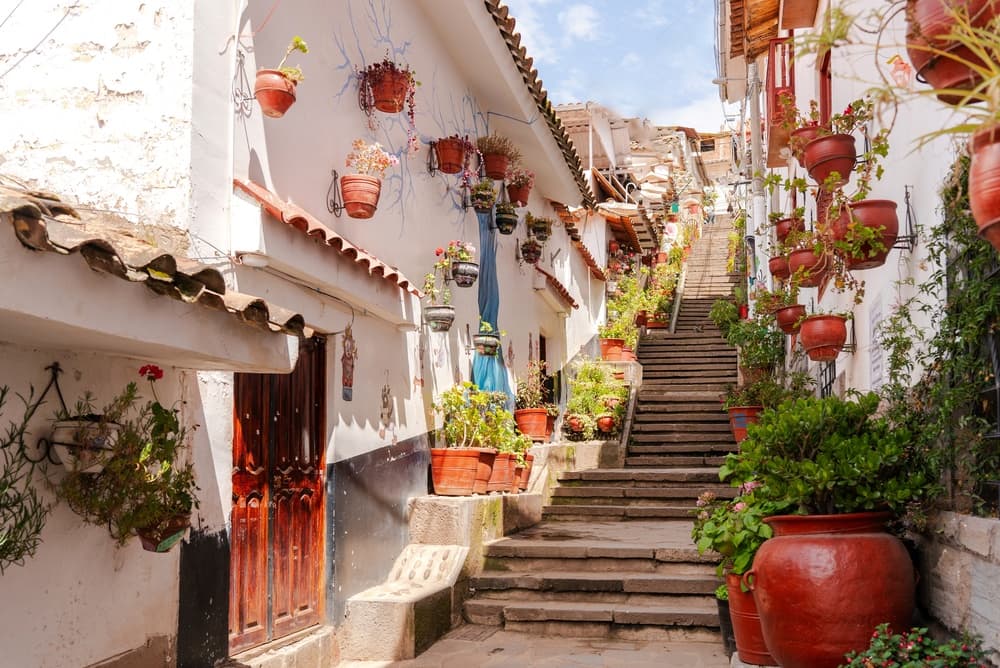
Cusco: daily life above 11,000 feet in the old Inca capital
What moving to or retiring in Cusco, Peru looks like for Americans: monthly costs, safety, weather and getting settled.
- 428,450
- Population (2017)
- $1,000/mo
- Monthly budget · single
- 56°F / 13°C
- Avg temperature
Plan on about $1,000 a month in U.S. dollars for one person in Cusco, with most single budgets landing between $900 and $1,200. A couple spends about $1,600 and a family of four about $2,400. A one-bedroom near the center rents for around $450, or about $350 farther out, and home internet runs about $20 a month (2026 figures).
Cusco suits people who want history on the doorstep and the Sacred Valley for weekends: remote workers who keep their own hours, healthy and active retirees, and anyone happy to live in Spanish. The old Inca capital has been a UNESCO World Heritage Site since 1983, and daily life still runs through its stone lanes and plazas.
The deciding factor is the altitude. The city sits at about 11,150 feet, and the U.S. State Department calls altitude sickness a serious concern here, so see your doctor first if you have high blood pressure or another chronic condition. Private care is thinner than in Lima, and a serious case can mean a flight to the capital.

Reviewed and updated October 8, 2026 · 4 min read
At a glance
$1,000
Monthly budget · single person
$450/mo 1-bed rent, center
52/100
Safety index
$20
Internet / month
56°Fannual average
Jul 51° · Nov 59°
Climate
428,450
Population (2017)
Expatsi estimates, updated Oct 2026, based on rental listings, government statistics, and local reporting.
Cost of living
What it costs to live in Cusco
Single person
$900–$1,200/mo
about 70% below Austin, TX
Couple
$1,400–$1,900/mo
about 65% below Austin, TX
Family of four
$1,900–$2,900/mo
about 70% below Austin, TX
Compared with Austin, TX (Expatsi estimate, 2026).
- $5 −75%
- Inexpensive meal
- $350–$550/mo −77%
- 1-bed rent, center
- $300–$400/mo −74%
- 1-bed rent, outside
- $20/mo −69%
- Internet
- $130/sq ft −80%
- Buy price, center
Expatsi estimates, updated Oct 2026, based on rental listings, government statistics, and local reporting.
Daily life
How Cusco lives
- B+ grade, 67th percentile among the cities we track
- Dining & cafésstrong
- B+ grade, 61st percentile among the cities we track
- Arts & culturestrong
- B grade, 44th percentile among the cities we track
- Parks & outdoorstypical
- A+ grade, 95th percentile among the cities we track
- Schools & educationstandout
- B grade, 51st percentile among the cities we track
- Healthcare accesstypical
- B- grade, 36th percentile among the cities we track
- Bike infrastructuretypical
- B grade, 48th percentile among the cities we track
- Public transittypical
- C- grade, challenging physical accessibility
- Accessibilitychallenging
Graded on OpenStreetMap amenity density relative to the 298 cities we track. Accessibility is the exception: it's graded against a fixed standard (terrain steepness and sidewalk surfaces), not a curve.
Climate
Weather through the year
Annual average 56°F (13°C) · 29 in of rain a year · Source: Meteostat station normals (84686, 1991-2020; no sunshine data)
On the ground
Scenes from Cusco
Getting around
Transport in Cusco
Walking is the main way to get around central Cusco. The historic center is compact, but the lanes are cobbled and steep, so the climb home to San Blas takes more out of you than the map suggests, especially in your first weeks at altitude.
For longer trips, book a ride on an app or call a taxi instead of flagging one down. Uber operates in Cusco, and the State Department tells Americans in Peru to use app-based or phone-ordered taxis because travelers have been robbed after hailing unknown cabs. Street taxis don't run meters, so agree on the fare before you get in. Local buses and shared vans (combis and colectivos) run around town and out to Sacred Valley towns. They're crowded, and figuring out the routes takes some Spanish.
You don't need a car in town. Traffic jams up around the Plaza de Armas and parking in the historic center is scarce. A car makes sense mainly if you settle out in the valley.
- 24/sq mi
- Transit stops
- 1.7/sq mi
- Bike infrastructure
- 5.8/sq mi
- Wheelchair-accessible places
Mapped features per square mile from OpenStreetMap.
Keep exploring
Places like Cusco
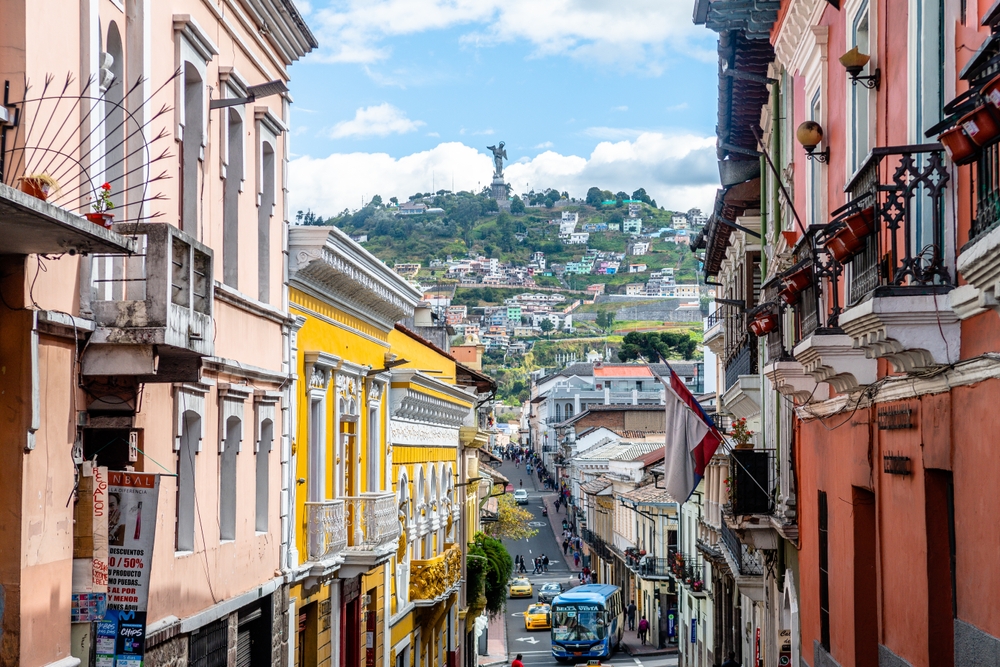
Quito
Ecuador
1.8M people · $1,100/mo
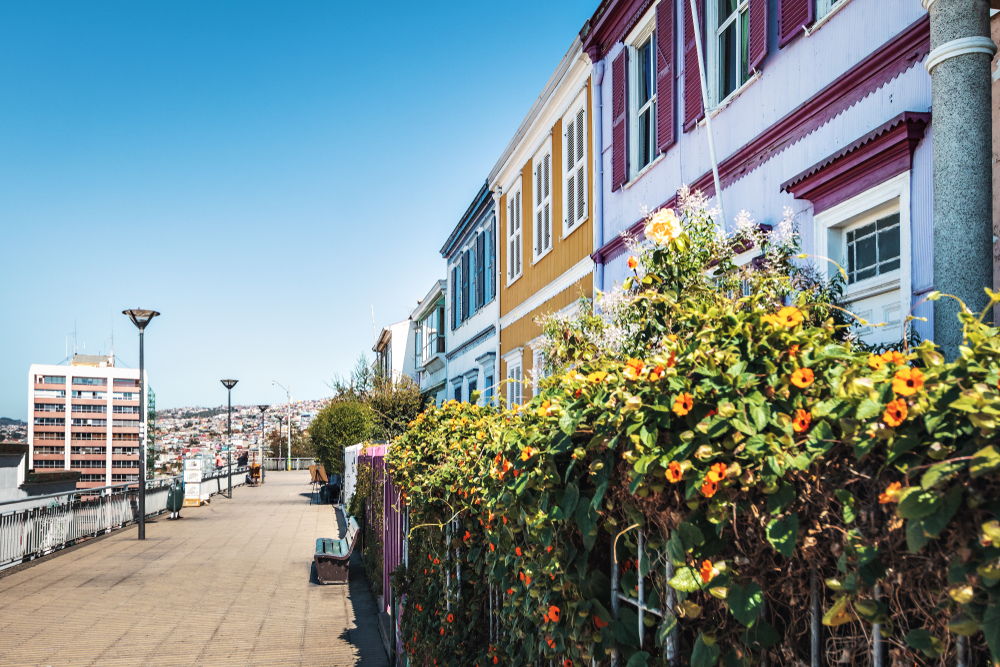
Concepción
Chile
217.5K people · $1,200/mo
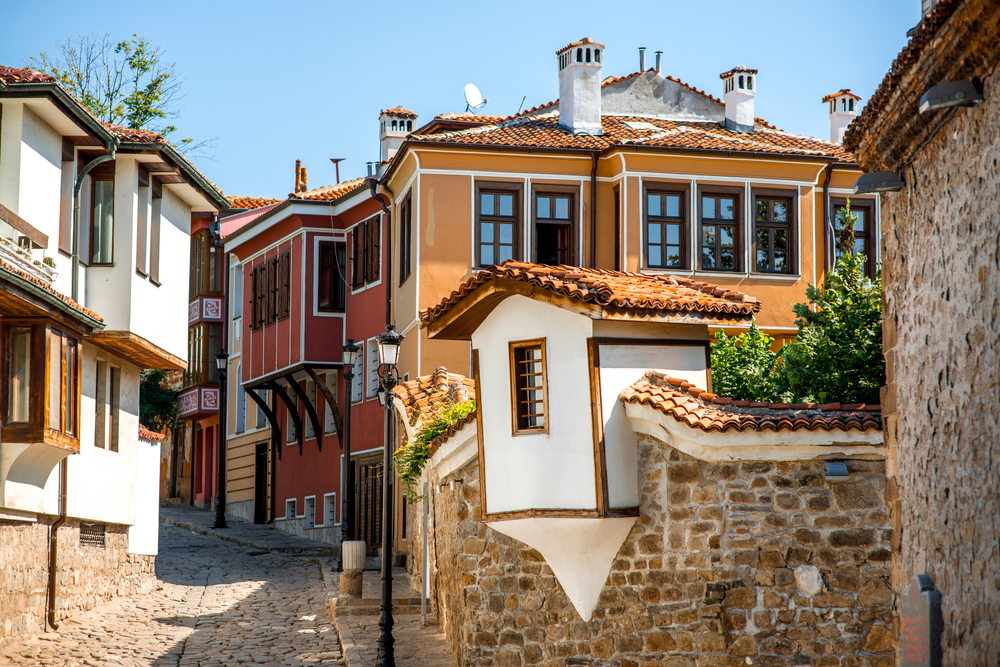
Plovdiv
Bulgaria
334K people · $1,200/mo
 Coming soon
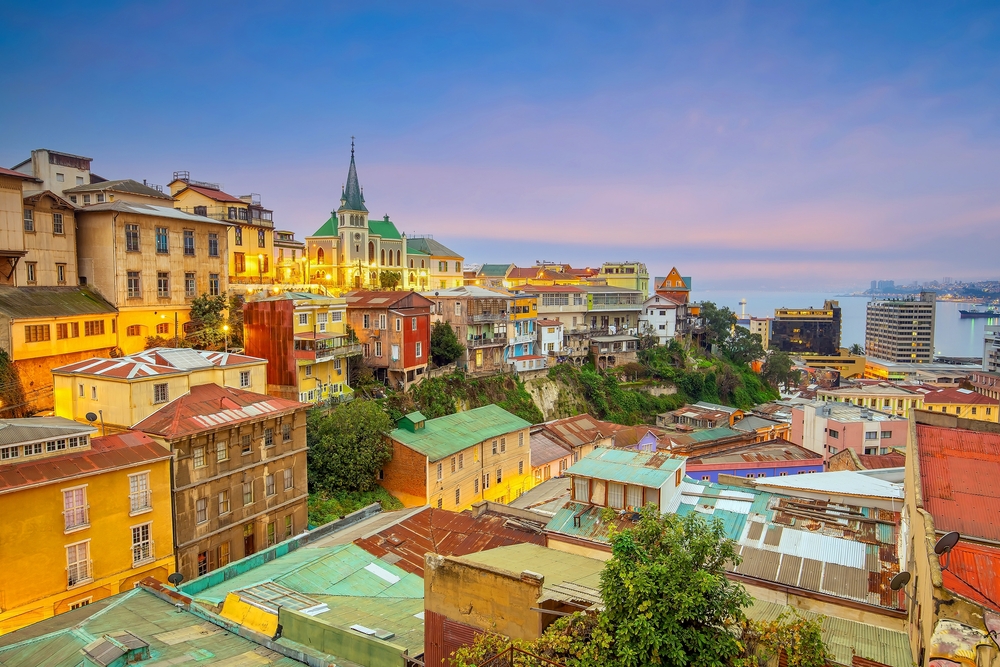
Valparaíso
Chile
296.7K people · $1,200/mo
 Coming soon
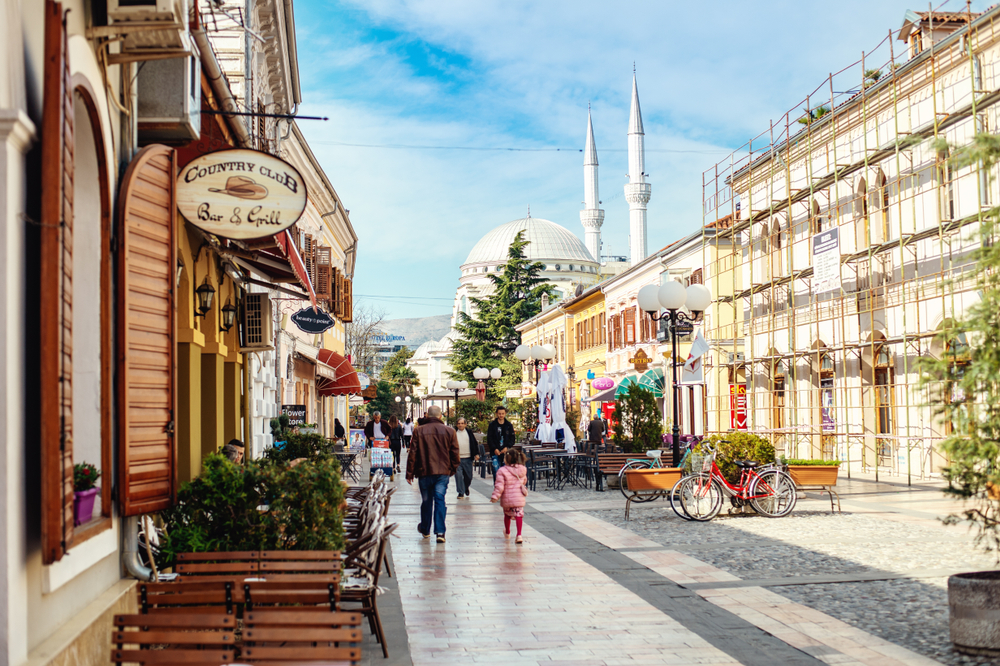
Shkodër
Albania
61.6K people · $1,100/mo
 Coming soon
Varna
Bulgaria
322.7K people · $1,300/mo
Community & practical notes
Neighbors, doctors and Wi-Fi in the old Inca capital
Where newcomers settle
San Blas, the hillside artisan quarter just above the historic center, is the expat favorite, with workshops, cafes and steep lanes. For a more local pace and fewer tour groups, people look at Wanchaq and Santiago. Expat meetups and local events are the fastest way to build a circle, and a working level of Spanish matters more here than in Lima.
Doctors and coverage
Most foreigners in Peru use private clinics. Cusco has some, though there's fewer than in Lima. Anyone with a serious condition may need to be moved to Lima or abroad, and the U.S. government doesn't pay medical bills, so buy a plan that includes medical evacuation. You'll be offered coca tea for the altitude; the State Department advises U.S. citizens not to use coca products.
Working remotely
The internet is decent rather than fast, and mobile data is strong in the center. Coworking spaces are growing, but coffee shops still host plenty of laptop workers. Test the connection in a specific apartment before you sign.
Retiring in Cusco
Cusco fits retirees who walk a lot, love history and are cleared by a doctor for life at altitude. Nights get cold in the dry season, so check how a rental is heated. Peru's route for pension income is the Rentista residence; our Rentista guide explains it, the Peru moving guide covers taxes and healthcare, and the retirement visa roundup shows how Peru stacks up.
LGBTQ expats
Same-sex relationships are legal in Peru, but same-sex marriage and civil unions aren't recognized. The State Department says societal discrimination against gay and lesbian people remains high, so many couples keep a low profile outside tourist venues.
Black Americans
Peru's Afro-Peruvian communities live mainly on the southern coast, in places like Ica and Nazca, so you'll see few Black residents in the Andes. Minority rights groups report that racism and discrimination against Black Peruvians persist. Talking with Black expats who've lived in Peru before you commit is time well spent.
Limited mobility
Cusco is a hard city on wheels or with a cane. The center's streets are cobbled and steep, public buses generally aren't wheelchair accessible, and the altitude adds effort to every block. Some main sights around the Plaza de Armas have been adapted, but plan on taxis for most trips and ask about steps and elevators before you sign a lease.
Housing
Renting and buying
- 1-bed rent (center)
- $350–$550/mo
- 1-bed rent (outside center)
- $300–$400/mo
- Buy price (center)
- $130/sq ft
- Buy price (outside center)
- $93/sq ft
Expatsi estimates, based on rental listings, government statistics, and local reporting.
Good to know
Frequently asked questions
How much does it cost to live in Cusco, Peru?
One person spends about $1,000 a month in Cusco, and most single budgets fall between $900 and $1,200. A couple spends about $1,600 and a family of four about $2,400. A one-bedroom apartment near the center rents for around $450, or about $350 outside it. All figures are in U.S. dollars, as of 2026.
Can you work remotely from Cusco?
Yes. Home internet costs about $20 a month in U.S. dollars, and the connection is decent rather than fast, so test a specific apartment before signing a lease. Mobile data is strong in the center, and coworking spaces are growing alongside the coffee shops many laptop workers use.
Do you need a car to live in Cusco?
No. The compact historic center is walkable, and taxis, ride apps such as Uber, local buses and shared vans cover longer trips. Traffic and scarce parking in the historic center make a car more trouble than it's worth unless you live out in the Sacred Valley.
What is the weather like in Cusco year-round?
Days are mild all year, with average highs from about 67F to 71F. Nights are cold, especially in the dry season: average lows drop near 34F in July. Most rain falls from about December through March, while May through August is very dry. The annual average temperature is about 56F.
Is Cusco safe for Americans?
Cusco sits in the middle of the range, with a safety index of 52 and a crime index of 48, both out of 100. The main precaution is transport: the U.S. State Department advises using app-based or phone-ordered taxis rather than hailing one on the street, and warns about robberies in which victims are forced to withdraw cash from ATMs.
How high is Cusco, and will the altitude affect me?
Cusco sits at about 11,150 feet (3,399 meters). The U.S. State Department calls altitude sickness a serious concern there and suggests talking to your doctor before you go, especially if you have a condition like high blood pressure or diabetes. Most newcomers improve with rest and time. The State Department also advises U.S. citizens not to use coca tea or candy, the local remedy.
Is Cusco a good place to retire?
Cusco can be a good fit for healthy, active retirees who love history and don't mind cold nights and steep streets. The altitude is the main question, so get a doctor's view first. Private healthcare exists but is more limited than in Lima, and evacuation coverage is worth having. Retirees with pension income can look at Peru's Rentista residence.
What healthcare is available in Cusco?
Most foreigners use Peru's private clinics, and Cusco has some, though fewer than Lima. Serious conditions may require transfer to Lima or abroad. The U.S. government doesn't pay medical bills, so Americans moving to Cusco should carry private health insurance that includes medical evacuation.
See how Cusco fits your life
Take the free Expatsi Test and compare Peru to over 100 countries on what actually matters: cost, healthcare, climate, and safety. About five minutes.
Why not you?