Invest in Costa Rica, get residency to match
A qualifying investment of about $150,000 earns Costa Rican residency, territorial taxes, and a path to citizenship.


Why Costa Rica
A stable base three hours from Miami
Costa Rica has been a democracy for 75-plus years, with strong property rights and no standing army. It taxes only income earned inside the country, so foreign dividends and gains stay untaxed. Capital San Jose is a short flight back to the States.
The investor math
$150,000
Minimum qualifying investment
property, a business, or shares
0%
Costa Rican tax on foreign income
territorial system
3 years
Temporary to permanent residency
citizenship at 7 years

How it works
The Investor Visa, in plain English
Put at least $150,000 into a qualifying Costa Rican asset and keep it in place. You'll get a renewable two-year residency and can apply to make it permanent after three years. What counts as an eligible asset:
- Real estate in your own name, paid off
- An active business or company shares
- Securities or a tourism project
- Reforestation, from $100,000
Investor Visa
For investors making a qualifying investment. Temporary residency is granted first; permanent residency is possible after three years if at least 180 days per year are spent in Costa Rica. No obligation to reside full-time to maintain temporary status.
- Government cost
- $2,815
- Processing time
- ~90 days
- Timeline
- Temporary, then permanent after 3 years
- Difficulty
- Hard
Key requirements
- Minimum investment of $150,000 in real estate, business, or national interest projects
- Proof of $1,000/month passive income
- Medical insurance valid in Costa Rica
Read this first
Here's the catch
That $150,000 figure and the tax perks came from a 2021 incentive set to lapse in mid-2026, so confirm the current number (it may climb toward $200,000) with StartAbroad's team first. You can run your own business on temporary residency but not take a salaried local job.

Scouting trips
See Costa Rica before you wire a dollar
Buying property sight unseen is how people get burned. Expatsi runs small-group scouting trips through San Jose and Tamarindo with local hosts, so you meet the neighborhoods and the people behind the paperwork first.
- We walk neighborhoods
- Meet local experts
- Tour healthcare facilities
- Explore housing options
- Help you understand what daily life actually feels like
The people who make it real
StartAbroad
Costa Rica Relocation Specialist
Handles Costa Rica moves end to end, from visa paperwork to a property that qualifies.
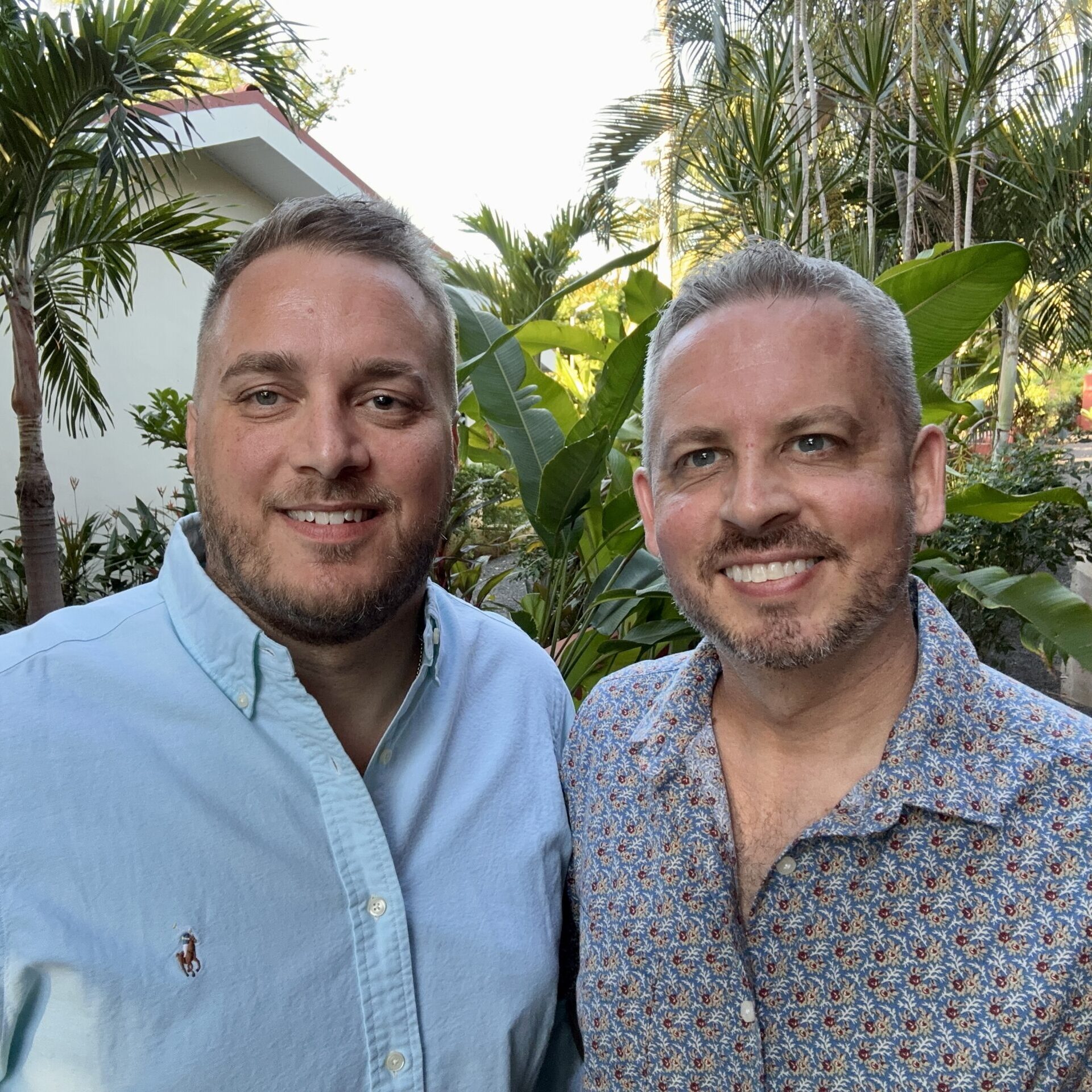
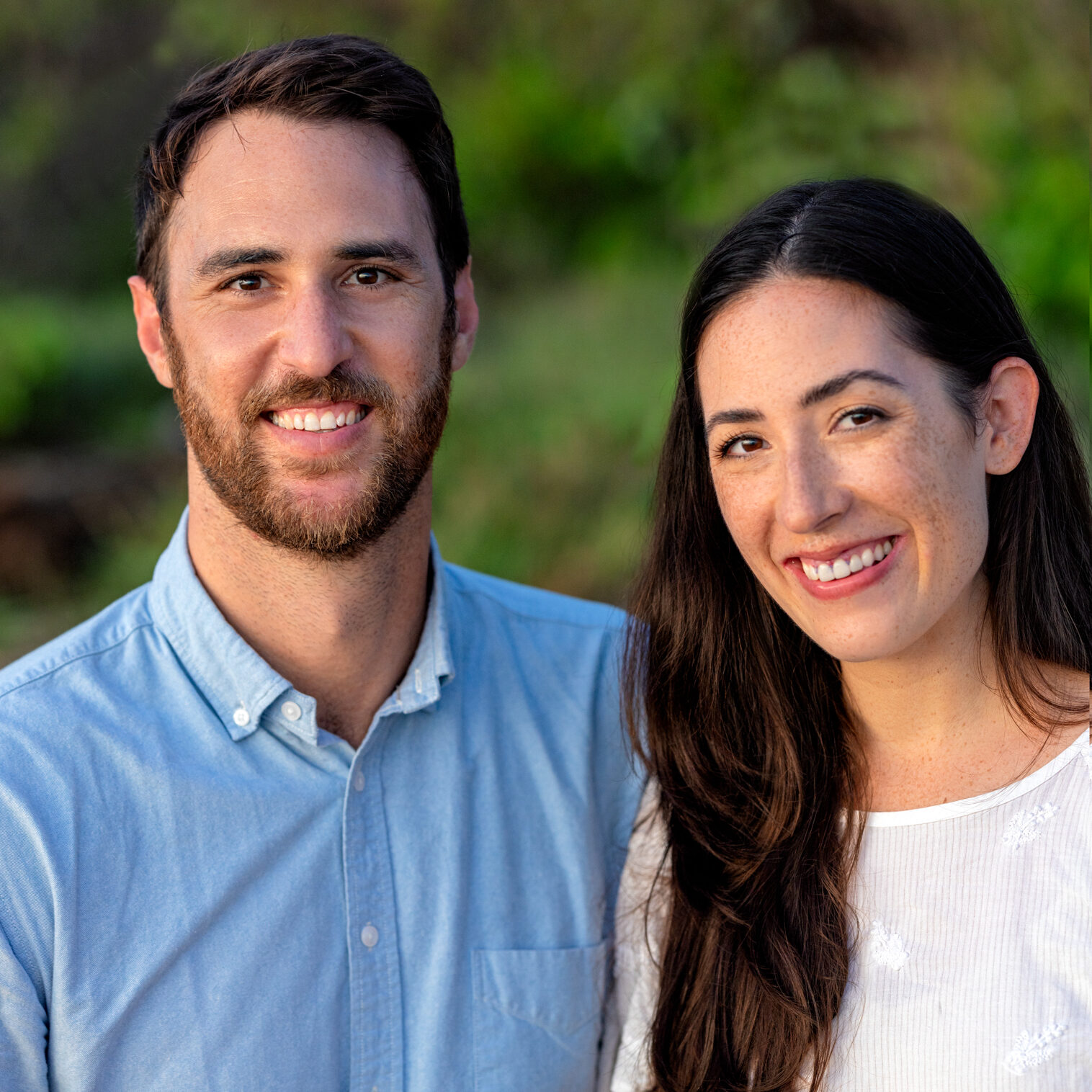
Robbie Parker & Steve Clayson
Costa Rica Local Guide
On-the-ground guides who know the neighborhoods, the market, and the LGBTQ-friendly spots.
Where to buy
Where investors are buying
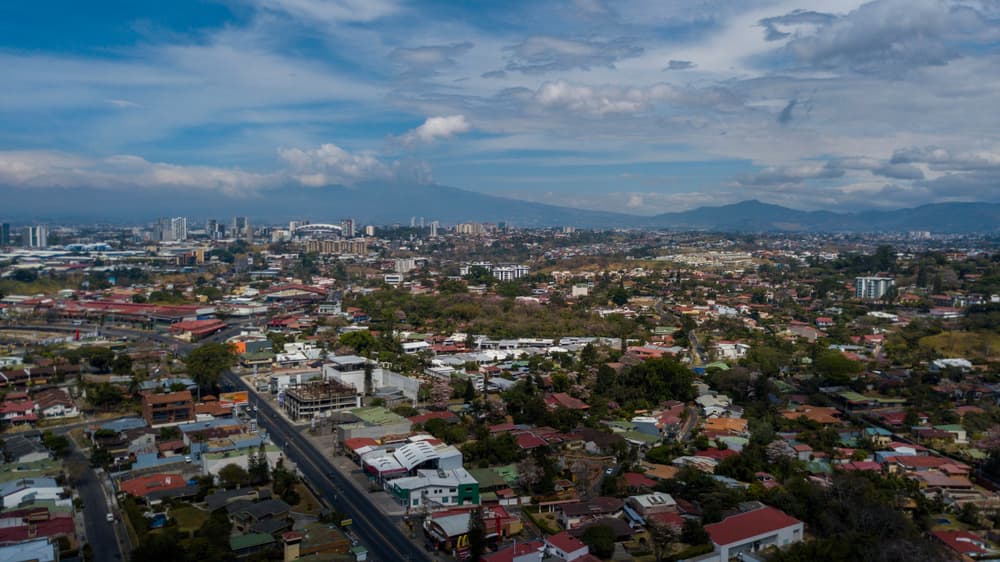
Escazú
San Jose's upscale suburb
The comfortable San Jose suburb where the private hospitals, international schools, and American-style malls all cluster, tucked under the hills west of the capital. Plenty of people here never learn Spanish. Traffic into the city is punishing, and this is the least Costa Rican corner of Costa Rica.
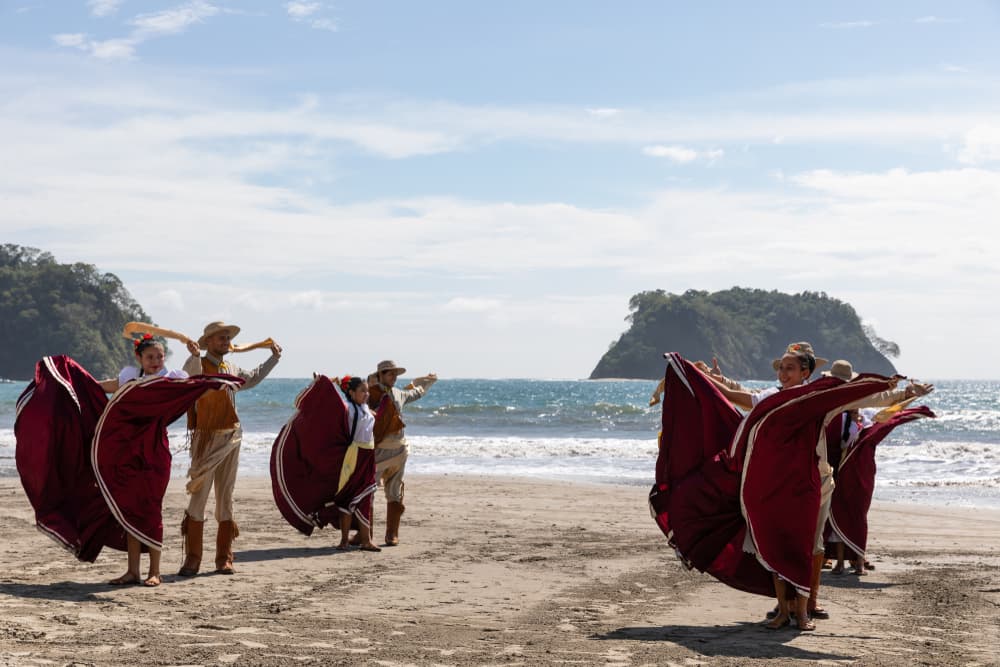
Guanacaste
Pacific beaches, dry heat
Costa Rica's northwest, where Liberia's airport takes direct US flights and the beach towns spread south from there, Tamarindo and Nosara among them. The dry season runs December to April and turns the hills brown and hot. Towns are far apart, so a car is not optional.
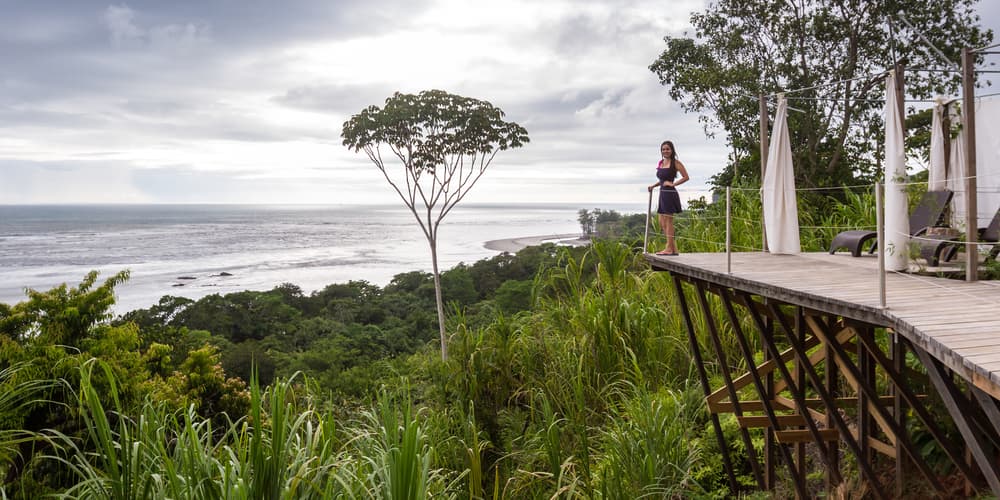
Southern Pacific
Where jungle meets sea
The Costa Ballena run from Dominical through Uvita to Ojochal, where rainforest drops straight into the water and a sandbar shaped like a whale's tail sits off the national park. Humpbacks calve here much of the year. One of the wettest coasts in the country, and the roads show it.
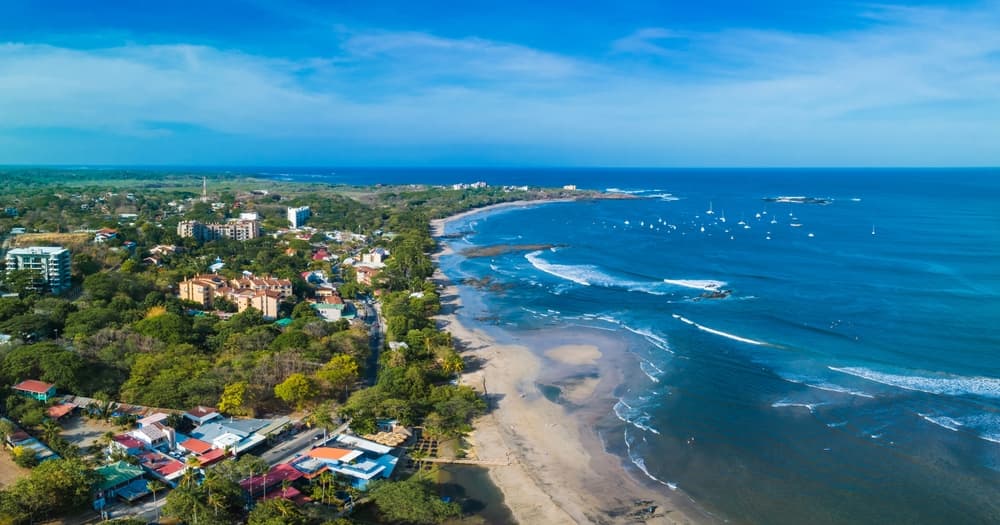
Tamarindo
Sun, surf, and expats
The marquee Guanacaste beach town on the Nicoya coast: reliable dry-season sun, beginner-friendly surf, and one of the country's deepest expat and nomad communities. Liberia's international airport is about 90 minutes away. The catch is the price right at the water and the crowds in high season.
Investor Visa questions
How long does approval take, and can I get citizenship?
The official target is about 90 days; in practice, plan for several months up to a year or more, depending on the backlog. After seven years of legal residency, you can apply for Costa Rican citizenship, which allows dual nationality.
Will Costa Rica tax my money?
Costa Rica uses a territorial tax system, so it only taxes income earned inside the country. Your foreign dividends, rental income, and capital gains aren't taxed there. You'll still file U.S. taxes, so bring in a cross-border accountant to ensure you pay properly.
How much do I have to invest?
At least $150,000 in a qualifying Costa Rican asset: real estate, an active business, company shares, securities, or a tourism project. Reforestation projects can qualify from $100,000. That $150,000 minimum came from a 2021 incentive law and may rise back toward $200,000, so confirm the current figure with a Costa Rican attorney before you commit.
Can I work in Costa Rica on this visa?
You can own and run your own business and live on your investment or foreign income. You can't take a salaried job with a Costa Rican employer while your residency is temporary. That option opens up once you reach permanent residency after three years.
Do I have to live there full time?
No. There's no obligation to live in Costa Rica full time to keep your temporary residency. But to convert to permanent residency after three years, plan on real time on the ground, generally around 180 days a year.
Does the investment cover my family?
Yes. One qualifying investment covers you, your spouse, and children under 25, plus dependents with disabilities. Each person pays their own filing fees, but you don't need to invest more per dependent.

You can move abroad.
Start with a plan for your money and your residency. We'll help you build it.
Why not you?