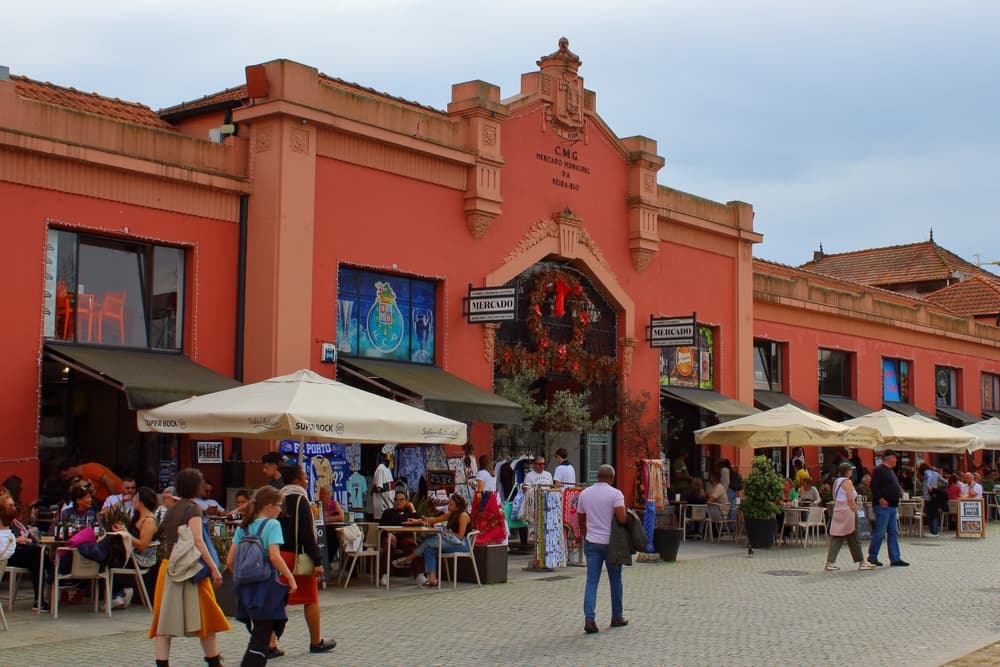
Vila Nova de Gaia, across the Douro from Porto
Port lodges on the river, 19 Blue Flag beaches on the coast, and a metro line over the bridge into central Porto.
- 303,824
- Population (2021)
- $2,100/mo
- Monthly budget · single
- 59°F / 15°C
- Avg temperature
Plan on about $2,100 a month for one person in Vila Nova de Gaia, with most single budgets landing between $1,700 and $2,500. A couple needs around $3,000 and a family of four about $4,400. A one-bedroom in the center rents for roughly $950 (anywhere from $750 to $1,100), or about $750 farther out. In Porto, across the river, that same apartment averages $1,250 and a single budget runs $2,300.
Gaia isn't a small suburb. The municipality had about 304,000 residents in 2021, more than Porto's 232,000. The port wine lodges line the riverfront at Cais de Gaia, but daily life happens inland in Santa Marinha and Mafamude, along the yellow metro line, and out on about 15 km (9 miles) of Atlantic coast in Canidelo, Madalena and Valadares.
Gaia fits people who want Porto's hospitals, airport and culture at Gaia prices, families who'd like a house near the beach, and retirees who prefer sea air to a historic center. Expect more Portuguese in daily life than in tourist Porto.

Reviewed and updated October 1, 2026 · 4 min read
At a glance
$2,100
Monthly budget · single person
$950/mo 1-bed rent, center
76/100
Safety index
$40
Internet / month
59°Fannual average
Jan 50° · Aug 69°
Climate
303,824
Population (2021)
Expatsi estimates, updated Aug 2026, based on rental listings, government statistics, and local reporting.
Cost of living
What it costs to live in Vila Nova de Gaia
Single person
$1,700–$2,500/mo
about 30% below Austin, TX
Couple
$2,500–$3,500/mo
about 35% below Austin, TX
Family of four
$3,900–$4,900/mo
about 45% below Austin, TX
Compared with Austin, TX (Expatsi estimate, 2026).
- $11 −45%
- Inexpensive meal
- $750–$1,100/mo −51%
- 1-bed rent, center
- $650–$900/mo −44%
- 1-bed rent, outside
- $40/mo −38%
- Internet
- $45/mo +9%
- Transit pass
- $321/sq ft −51%
- Buy price, center
Expatsi estimates, updated Aug 2026, based on rental listings, government statistics, and local reporting.
Daily life
How Vila Nova de Gaia lives
- A- grade, 77th percentile among the cities we track
- Dining & cafésstrong
- B+ grade, 68th percentile among the cities we track
- Arts & culturestrong
- B grade, 43rd percentile among the cities we track
- Parks & outdoorstypical
- A- grade, 70th percentile among the cities we track
- Schools & educationstrong
- B+ grade, 58th percentile among the cities we track
- Healthcare accessstrong
- B grade, 45th percentile among the cities we track
- Bike infrastructuretypical
- A grade, 94th percentile among the cities we track
- Public transitstandout
- C grade, challenging physical accessibility
- Accessibilitychallenging
Graded on OpenStreetMap amenity density relative to the 369 cities we track. Accessibility is the exception: it's graded against a fixed standard (terrain steepness and sidewalk surfaces), not a curve.
Climate
Weather through the year
Annual average 59°F (15°C) · 48 in of rain a year · Source: Meteostat station normals (08546, 1991-2020)
On the ground
Scenes from Vila Nova de Gaia
Getting around
Transport in Vila Nova de Gaia
The yellow metro, Line D, is Gaia's backbone. It crosses the upper deck of the Dom Luís I bridge into central Porto and runs south through Jardim do Morro, General Torres, Câmara de Gaia and Santo Ovídio. Since June 2024 it continues to Hospital Santos Silva and Vila d'Este. If you live within walking distance of a station, you won't need a car, and a monthly transit pass runs about $45.
For the coast, CP suburban trains on the Aveiro line stop at General Torres and then work south through Madalena, Valadares, Francelos, Miramar and Granja on the way to Espinho. That makes the beach parishes commutable without driving, as long as you live near a station. Buses fill in the rest.
Here's the catch: terrain. The riverfront sits far below the upper town, and the climb from Cais de Gaia up to the metro is steep. The Teleférico de Gaia cable car covers it in about five minutes. Away from the stations, the coastal neighborhoods are spread out and a car makes life easier.
- 77/sq mi
- Transit stops
- 3.8/sq mi
- Bike infrastructure
- 39/sq mi
- Wheelchair-accessible places
Mapped features per square mile from OpenStreetMap.
Keep exploring
Places like Vila Nova de Gaia

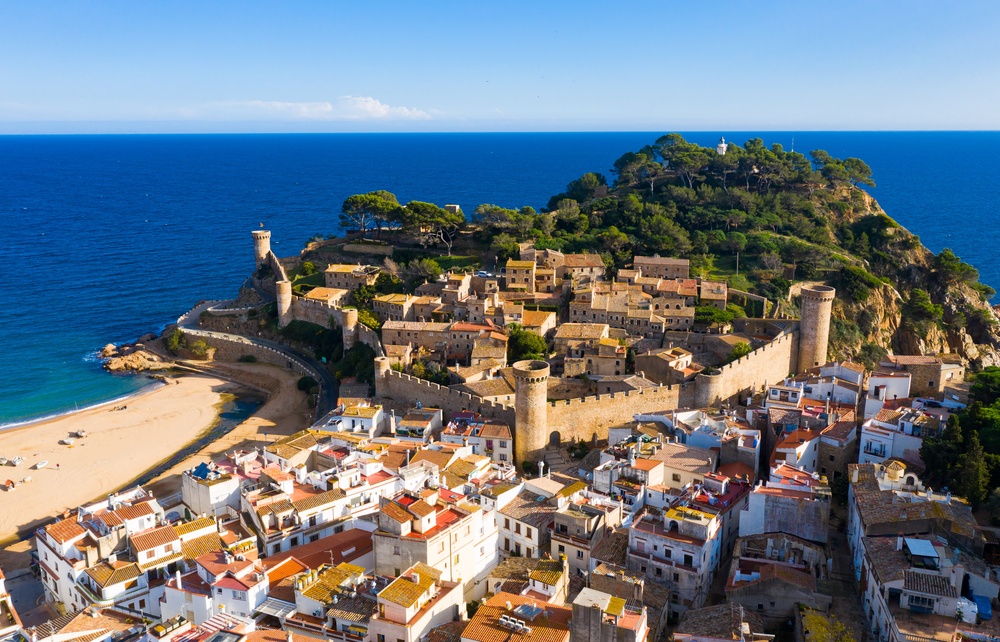
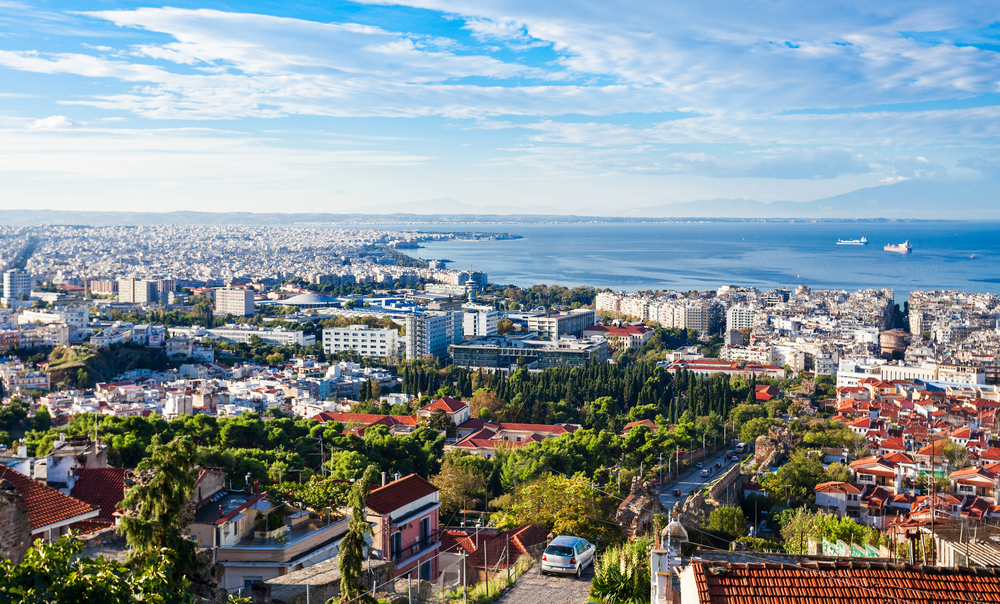
Community
Community & practical notes
Community: Gaia is a big, mostly Portuguese residential city, and much of the region's international life, from schools to Pride, sits across the river in Porto. That makes Gaia a good base if you're happy to cross the bridge for it and want neighbors who aren't other expats.
Healthcare: The public system here is ULS Gaia/Espinho, created in January 2024 and built around Hospital Eduardo Santos Silva, which has its own metro stop. In 2024 its emergency department moved to seeing referred patients, so call the SNS 24 line before you go. On the private side, Hospital da Luz Arrábida in Gaia runs 24-hour urgent care for adults and children and has a maternity unit. Porto's large hospitals are a short ride away.
Remote work: Home internet runs about $40 a month. Test the connection in any short-term rental before you commit to a lease.
International schools: The main English-language schools are in Porto, not Gaia. CLIP is on Rua de Vila Nova in western Porto, and Oporto British School and the Lycée Français are also on the Porto side, so plan the school run around a bridge crossing.
LGBTQ+ life: Portugal legalized same-sex marriage in 2010 and has strong anti-discrimination law. Gaia's daily life is low-key; the region's bars and the annual Porto Pride march are across the river.
Expats of color: Gaia is less international than Porto, so you may stand out more. Racism in the metro area is documented: in May 2024, attacks on immigrants in central Porto drew national condemnation. Most residents of color describe ordinary daily life with occasional incidents.
Limited mobility: Mixed. The riverside sits below steep bluffs, so living near the Cais means hills or the cable car. The inland core around the metro and the coastal avenues are easier going. Six Gaia beaches carry Portugal's Praia Acessível (accessible beach) certification in 2026: Aguda, Canide-Norte, Miramar, Salgueiros, Senhor da Pedra and Valadares-Sul.
Retirement: Gaia works for retirees who want beaches and a big public hospital without paying Porto prices, and the flatter coastal parishes are kinder on the knees than the riverfront. Most Americans who retire to Portugal use the D7 visa; our guide to retirement visas and Portugal country guide cover the rest.
- CLIP - Oporto International School
- Oporto British School
- Lycée Français International de Porto
Housing
Renting and buying
- 1-bed rent (center)
- $750–$1,100/mo
- 1-bed rent (outside center)
- $650–$900/mo
- Buy price (center)
- $321/sq ft
- Buy price (outside center)
- $251/sq ft
Expatsi estimates, based on rental listings, government statistics, and local reporting.
Good to know
Frequently asked questions
How much does it cost to live in Vila Nova de Gaia?
Expatsi estimates about $2,100 a month for one person in Vila Nova de Gaia (most budgets fall between $1,700 and $2,500), about $3,000 for a couple and about $4,400 for a family of four. A central one-bedroom rents for around $950 a month and an inexpensive restaurant meal costs about $11. Figures are in U.S. dollars, updated August 2026.
Is Vila Nova de Gaia less expensive than Porto?
Yes. A central one-bedroom in Gaia averages about $950 a month versus $1,250 in central Porto, and a single person's monthly budget runs about $2,100 versus $2,300. Buying shows a bigger gap: central Gaia apartments sell for about $320 per square foot ($3,450 per square meter), compared with about $465 ($5,000) in central Porto. Expatsi estimates, August 2026.
Are there international schools in Vila Nova de Gaia?
The main English-language international schools for the Gaia area, including CLIP and Oporto British School, are across the river in Porto. Families living in Gaia usually commute over one of the Douro bridges, so check the school run before choosing a neighborhood.
Is Vila Nova de Gaia a good place to retire?
For many retirees, yes. Gaia has a major public hospital, a private hospital with 24-hour urgent care, 19 Blue Flag beaches in 2026, and rents below Porto's. The riverfront is steep, so retirees with mobility concerns tend to look at the coastal parishes or near a metro station. Most Americans retiring to Portugal apply for the D7 visa.
Do I need a car in Vila Nova de Gaia?
Not if you live near the yellow metro line, which runs from Vila d'Este through central Gaia and over the Dom Luís I bridge into Porto, or near a coastal train station between General Torres and Granja. In the spread-out neighborhoods away from stations, most people find a car makes life easier.
Is Vila Nova de Gaia safe?
Yes. Gaia scores 76 out of 100 on the safety index Expatsi tracks, a little above Porto's 71. It's a large, mostly residential city, and the busiest area for visitors is the riverfront by the port wine lodges, where ordinary big-city awareness applies.
What's the weather like in Vila Nova de Gaia?
Mild and wet in winter, warm and dry in summer. January averages about 50°F with highs near 57°F, and August highs average near 77°F. Gaia gets about 48 inches of rain a year, mostly from October through April, with November and December the wettest months. Figures are 1991 to 2020 station normals.
See how Vila Nova de Gaia fits your life
Take the free Expatsi Test and compare Portugal to over 100 countries on what actually matters: cost, healthcare, climate, and safety. About five minutes.
Why not you?