Living in Maputo, Mozambique's capital on the bay
What a month costs, how safe it is, and the visa reality for Americans thinking about a move to this Portuguese-speaking port city.
- 1,133,200
- Population (2023)
- $1,500/mo
- Monthly budget · single
- 73°F / 23°C
- Avg temperature
Plan on about $1,500 a month in U.S. dollars for one person in Maputo, around $2,300 for a couple, and roughly $3,500 for a family of four. Housing is the big variable: a one-bedroom in a central neighborhood runs about $700 a month, and closer to $450 farther out.
Maputo works best for people who arrive with a reason to be here: a job, a diplomatic or NGO posting, a Mozambican spouse, or a business to run. Mozambique has no retirement or remote-work visa, daily life runs in Portuguese, and street crime shapes where you live and how you get home after dark. In return, you get a warm, low-lying coastal capital where average highs run from about 74F in July to about 84F in February.
It's a harder fit if you need advanced medical care close by or plan to work online full time. Home internet costs about $70 a month, and private hospitals want payment up front, so medical evacuation coverage belongs in your budget from day one.

Reviewed and updated October 22, 2026 · 4 min read
At a glance
$1,500
Monthly budget · single person
$700/mo 1-bed rent, center
36/100
Safety index
$70
Internet / month
73°Fannual average
Jul 66° · Feb 78°
Climate
1,133,200
Population (2023)
Expatsi estimates, updated Oct 2026, based on rental listings, government statistics, and local reporting. Coverage here is thin, so treat these as a rough guide.
Cost of living
What it costs to live in Maputo
Single person
$1,100–$1,900/mo
about 50% below Austin, TX
Couple
$1,700–$2,900/mo
about 50% below Austin, TX
Family of four
$2,700–$4,300/mo
about 55% below Austin, TX
Compared with Austin, TX (Expatsi estimate, 2026).
- $8 −60%
- Inexpensive meal
- $500–$900/mo −64%
- 1-bed rent, center
- $350–$550/mo −67%
- 1-bed rent, outside
- $70/mo +8%
- Internet
- $204/sq ft −69%
- Buy price, center
Expatsi estimates, updated Oct 2026, based on rental listings, government statistics, and local reporting. Coverage here is thin, so treat these as a rough guide.
Daily life
How Maputo lives
- B- grade, 35th percentile among the cities we track
- Dining & caféstypical
- B grade, 53rd percentile among the cities we track
- Arts & culturetypical
- B+ grade, 56th percentile among the cities we track
- Parks & outdoorsstrong
- B grade, 54th percentile among the cities we track
- Schools & educationtypical
- B- grade, 39th percentile among the cities we track
- Healthcare accesstypical
- B- grade, 32nd percentile among the cities we track
- Bike infrastructuretypical
- B+ grade, 69th percentile among the cities we track
- Public transitstrong
Graded on OpenStreetMap amenity density relative to the 436 cities we track. Accessibility is the exception: it's graded against a fixed standard (terrain steepness and sidewalk surfaces), not a curve.
Climate
Weather through the year
Annual average 73°F (23°C) · 28 in of rain a year · Source: Open-Meteo Historical Weather API (temps: ERA5-Land 0.1°; precip/sunshine: ERA5 best-match; 1991-2020 normals); precipitation: Meteostat station 67341 normals 1991-2020
On the ground
Scenes from Maputo
Getting around
Transport in Maputo
Many residents ride chapas, the minibuses that run set routes across the city, along with txopelas, the three-wheeled tuk-tuks. The U.S. Embassy advises Americans not to use chapas, and the State Department describes public transport here as limited with poor safety standards.
For newcomers, ride-hailing is the practical default. Apps like Yango and inDrive work in Maputo and neighboring Matola, which in September 2025 became the first Mozambican municipality to license app-based drivers, including cars, motorbikes and txopelas.
Walking is fine for short daytime errands in your own neighborhood, but sidewalks are patchy and poorly kept, and the State Department notes pedestrians have been mugged at all hours. It specifically warns against walking along the Marginal south of the Southern Sun Hotel, Avenida Friedrich Engels and Rua Caracol.
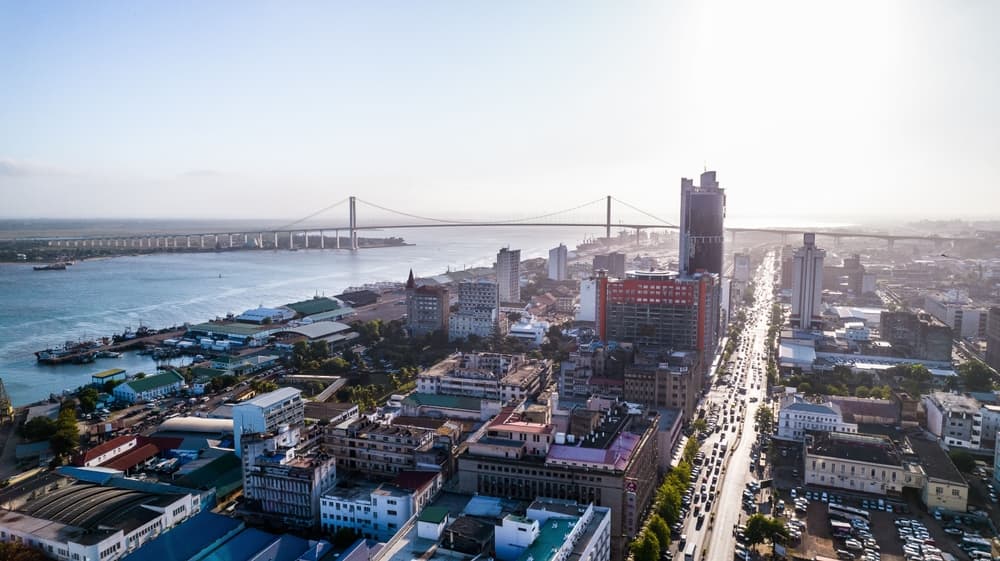
The bay has its own routes. The Maputo-Katembe suspension bridge, open since 2018, spans 3,041 meters (about 1.9 miles) to Katembe on the southern shore, and ferries run to Katembe and to Inhaca Island.
If you're staying long term, especially with kids, a car is the practical choice. Traffic drives on the left, police checkpoints are common, and the State Department calls serious road accidents one of the greatest threats to Americans in Mozambique. Anyone staying more than 90 days needs an International Driver's License, and road travel outside the city after dark is best avoided.
- 38/sq mi
- Transit stops
- 0.5/sq mi
- Bike infrastructure
- 1.1/sq mi
- Wheelchair-accessible places
Mapped features per square mile from OpenStreetMap.
Keep exploring
Places like Maputo
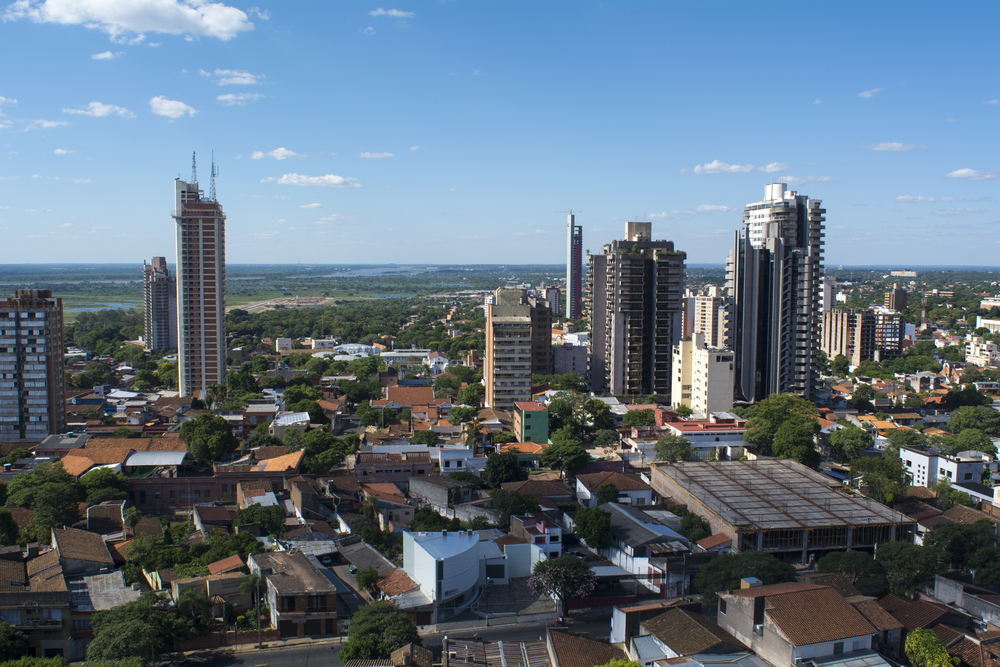
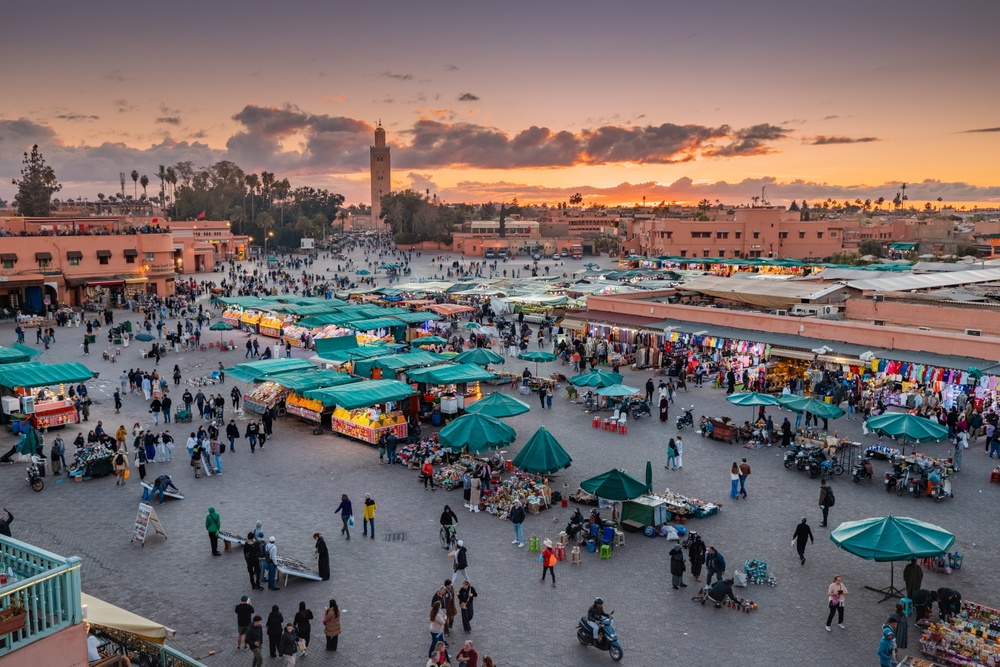
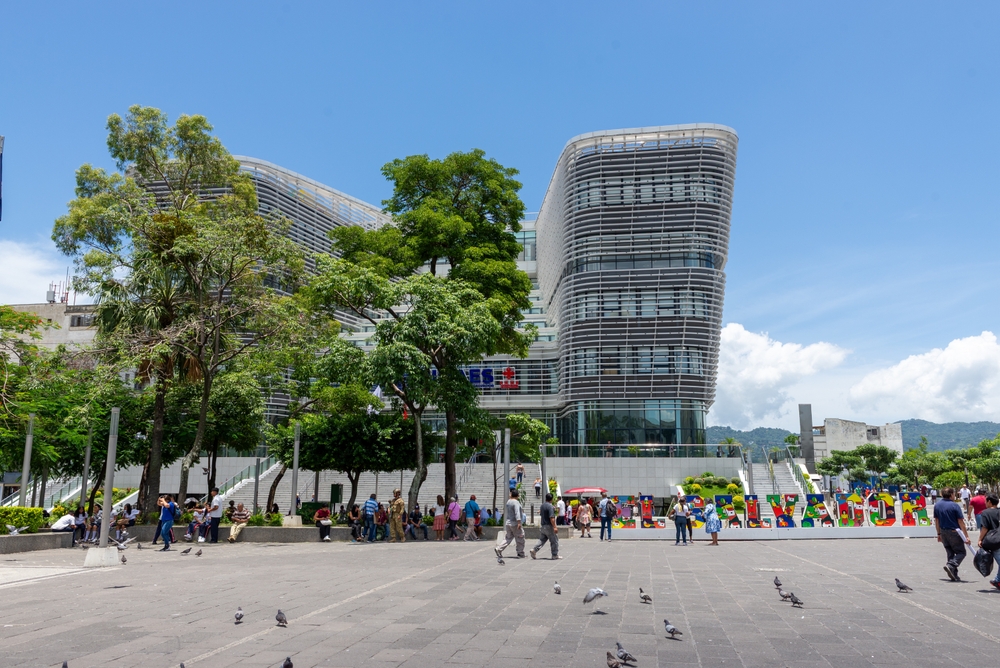
Community
Community & practical notes
Community: Many of the foreigners in Maputo are here for work, posted by embassies, NGOs or companies, and they tend to live in Polana and Sommerschield, often in guarded buildings. That gives the expat scene a professional, rotating feel. Social life happens in Portuguese far more than English, so lessons before you land will pay off.
LGBTQ expats: Same-sex relations have been legal since a new penal code took effect in June 2015. The State Department says consensual same-sex relations aren't criminalized, while noting some societal stigma remains. The government has also refused to officially register Lambda, the country's main LGBTQ advocacy group. Expect a quiet, low-profile scene rather than a visible one.
Black Americans: We couldn't find an organized African American expat network in Maputo, and the State Department's country guidance doesn't address travelers of African descent. If heritage and community are part of your reason to move, ask around in expat groups and at your employer before you commit, and treat language as the bigger day-to-day factor.
Healthcare: Maputo has both public and private facilities. Maputo Private Hospital, opened in 2012 and 60% owned by South Africa's Lenmed Health, has 105 beds and covers surgery, orthopedics, obstetrics, pediatrics and intensive care. Providers want payment at or before treatment, most don't take credit cards, and U.S. insurance generally isn't accepted, so carry international coverage with medical evacuation.
Limited mobility: Maputo is a tough city for wheelchair users. The law requires access to public buildings, but the State Department says many restaurants, hotels and apartment buildings have stairs at the entrance with no ramp, sidewalks are scarce and poorly maintained, and buses and taxis have no accommodations. Plan on door-to-door car travel and check a building's entrance before you sign a lease.
Remote work: Home internet runs about $70 a month, so keep a mobile data backup. Regus has a coworking center in the Millennium Park building on Avenida Vladimir Lenine if you want a reliable desk.
Schools: The American International School of Mozambique, founded in 1990, teaches in English from pre-K through grade 12. It offers all three IB programs, is accredited by the Middle States Association, and enrolls about 500 students from more than 70 countries.
Retirement: Maputo's costs are within reach of many retirees, but legal status is the hurdle. Mozambique's embassy in Washington lists visit, business, tourism, work, residence and transit visas, and none of them is built for retirees or remote workers. Retirees with a Mozambican spouse or family can look at the residence visa; others should compare retirement visa options elsewhere. Our Mozambique guide walks through every route.
Housing
Renting and buying
- 1-bed rent (center)
- $500–$900/mo
- 1-bed rent (outside center)
- $350–$550/mo
- Buy price (center)
- $204/sq ft
- Buy price (outside center)
- $121/sq ft
Expatsi estimates, based on rental listings, government statistics, and local reporting. Coverage here is thin, so treat these as a rough guide.
Good to know
Frequently asked questions
Is Maputo LGBTQ-friendly?
Mozambique decriminalized same-sex relations in 2015, and the State Department describes it as a tolerant society while noting some stigma remains. There's no visible gay scene, and the government has refused to register Lambda, the country's main LGBTI rights group, so many LGBTQ residents keep a low profile.
How much does it cost to live in Maputo?
Expatsi's 2026 data puts a single person's monthly budget in Maputo between about $1,100 and $1,900, depending on housing and lifestyle, and a couple's between about $1,700 and $2,900. A simple meal at a local restaurant costs around $8. Imported goods, international schooling and health insurance with evacuation coverage can push the total higher.
Can I retire in Maputo as an American?
Not on a retirement visa, because Mozambique doesn't offer one. Its embassy in Washington lists visit, business, tourism, work, residence and transit visas. Retirees with a Mozambican spouse or relative may qualify for a residence visa; others usually need to look at countries with a dedicated retirement route.
Is Maputo safe for Americans?
The State Department rated Mozambique Level 2, Exercise Increased Caution, in its August 2026 advisory. Mugging, purse-snatching and pickpocketing are common in Maputo, unplanned protests can turn violent and block roads, and the State Department advises against walking at night, even in well-known areas. The advisory's Do Not Travel areas are far to the north, in Cabo Delgado, the Niassa Special Reserve and parts of Nampula.
Can I work remotely from Maputo?
Mozambique has no digital nomad or remote-work visa, so living there long term requires a work, residence or other qualifying visa. Practically, home internet costs about $70 a month in Expatsi's data, and coworking options include a Regus center downtown. Keep mobile data as a backup.
Are there American or international schools in Maputo?
Yes. The American International School of Mozambique teaches in English from pre-K through grade 12, offers the International Baccalaureate's primary, middle years and diploma programs, and is accredited by the Middle States Association. It enrolls about 500 students from more than 70 countries.
What's the weather like in Maputo?
Maputo is warm year-round. Average highs reach about 84F in February and drop to about 74F in July, when average lows are near 59F. Most rain falls from November through February, and May through August is the dry season.
What is healthcare like in Maputo?
Maputo has public and private hospitals, including Maputo Private Hospital, a 105-bed facility part-owned by South Africa's Lenmed Health. The State Department calls Mozambique's health infrastructure weak, says private hospitals often want payment up front, and strongly recommends insurance that covers medical evacuation.
See how Maputo fits your life
Take the free Expatsi Test and compare Mozambique to over 100 countries on what actually matters: cost, healthcare, climate, and safety. About five minutes.
Why not you?