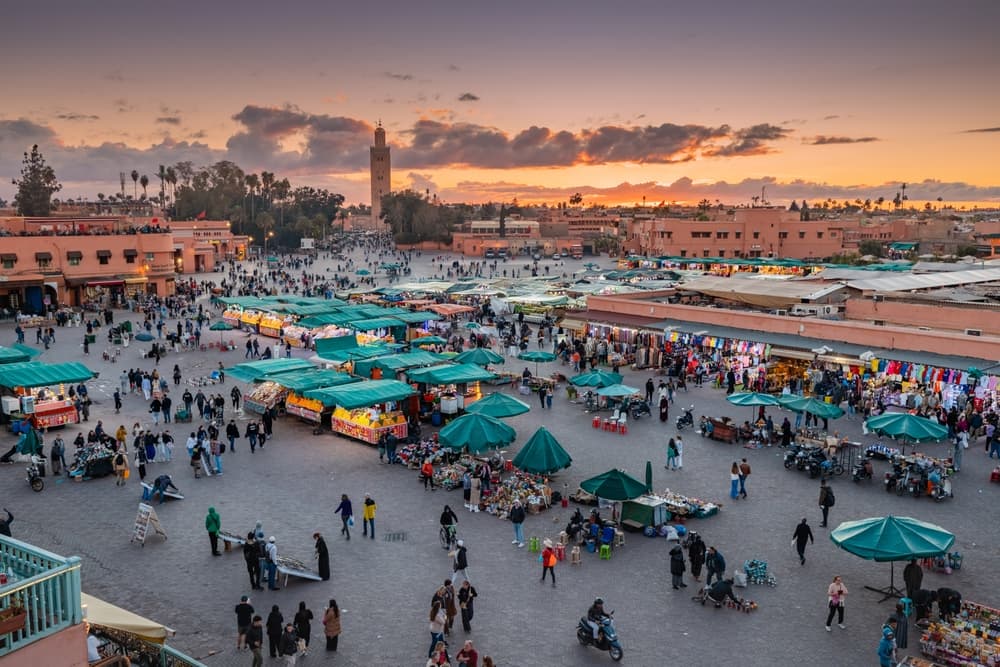
Marrakech for Americans: medina mornings, Atlas views, and serious summer heat
Costs, safety, residence, and getting around in Morocco's Red City, from the walled medina to modern Gueliz.
- 1,002,697
- Population (2024)
- $1,400/mo
- Monthly budget · single
- 69°F / 21°C
- Avg temperature
Budget about $1,400 a month in U.S. dollars to live alone in Marrakech, with most single budgets landing between $1,100 and $1,600, according to our 2026 data. A couple spends about $2,000, and a family of four about $2,900. Rent is the biggest swing: a central one-bedroom averages about $600 (usually $500 to $700), and about $400 outside the center.
Marrakech has about 1 million people as of 2024. It suits people who want Morocco at its most colorful: the walled medina with its riads and souks, the newer Gueliz district for cafes and apartments, and the Atlas Mountains on the horizon. Retirees and remote workers who can live with heat get the most out of it.
Test a summer before you commit. July and August average highs near 100 F (about 38 C), while January days average about 66 F (19 C) and nights about 43 F (6 C). It's dry, with about 8.7 inches (220 mm) of rain a year. And around the medina, touts and tourist crowds wear on some residents.

Reviewed and updated October 22, 2026 · 4 min read
At a glance
$1,400
Monthly budget · single person
$600/mo 1-bed rent, center
62/100
Safety index
$30
Internet / month
69°Fannual average
Jan 55° · Aug 85°
Climate
1,002,697
Population (2024)
Expatsi estimates, updated Oct 2026, based on rental listings, government statistics, and local reporting.
Cost of living
What it costs to live in Marrakech
Single person
$1,100–$1,600/mo
about 55% below Austin, TX
Couple
$1,600–$2,400/mo
about 55% below Austin, TX
Family of four
$2,400–$3,400/mo
about 65% below Austin, TX
Compared with Austin, TX (Expatsi estimate, 2026).
- $5 −75%
- Inexpensive meal
- $500–$700/mo −69%
- 1-bed rent, center
- $350–$450/mo −70%
- 1-bed rent, outside
- $30/mo −54%
- Internet
- $158/sq ft −76%
- Buy price, center
Expatsi estimates, updated Oct 2026, based on rental listings, government statistics, and local reporting.
Daily life
How Marrakech lives
- B+ grade, 65th percentile among the cities we track
- Dining & cafésstrong
- B grade, 47th percentile among the cities we track
- Arts & culturetypical
- B grade, 47th percentile among the cities we track
- Parks & outdoorstypical
- B- grade, 31st percentile among the cities we track
- Schools & educationtypical
- A- grade, 71st percentile among the cities we track
- Healthcare accessstrong
- B grade, 44th percentile among the cities we track
- Bike infrastructuretypical
- B grade, 42nd percentile among the cities we track
- Public transittypical
- B+ grade, moderate physical accessibility
- Accessibilitymoderate
Graded on OpenStreetMap amenity density relative to the 436 cities we track. Accessibility is the exception: it's graded against a fixed standard (terrain steepness and sidewalk surfaces), not a curve.
Climate
Weather through the year
Annual average 69°F (21°C) · 9 in of rain a year · Source: Meteostat station normals (60230, 1991-2020)
On the ground
Scenes from Marrakech
Getting around
Transport in Marrakech
Inside the medina, you walk. The old city's lanes are mostly car-free, but you share them with scooters, bikes, and donkey carts, so stay alert. Gueliz and Hivernage, the newer districts outside the walls, have wide avenues that are easier on foot.
For anything farther, the tan petit taxis are everywhere. Ask the driver to turn on the meter before you set off, which is the State Department's advice too. Uber came back to Marrakech in late 2025, using only licensed transport vehicles and offering UberX and UberXL, and inDrive is widely used. Morocco is still drafting the law that would fully legalize ride-hailing, and drivers and passengers have reported harassment by taxi drivers.
ALSA runs the city buses, including line 19 to Menara Airport, about 2 miles (3 km) from the center. The State Department doesn't consider Morocco's city buses safe, so most newcomers stick to taxis.
Regular trains connect Marrakech with Morocco's other major cities. A high-speed line from Kenitra to Marrakech passed 30% completion in May 2026 and is set for delivery in 2029. Morocco's transport ministry expects it to cut Tangier to Marrakech from about 6.5 hours to about 3.5.
You don't need a car to live here. If you do drive, a U.S. license is valid for up to one year, and the State Department calls local driving practices very poor.
- 15/sq mi
- Transit stops
- 2.4/sq mi
- Bike infrastructure
- 2.2/sq mi
- Wheelchair-accessible places
Mapped features per square mile from OpenStreetMap.
Keep exploring
Places like Marrakech
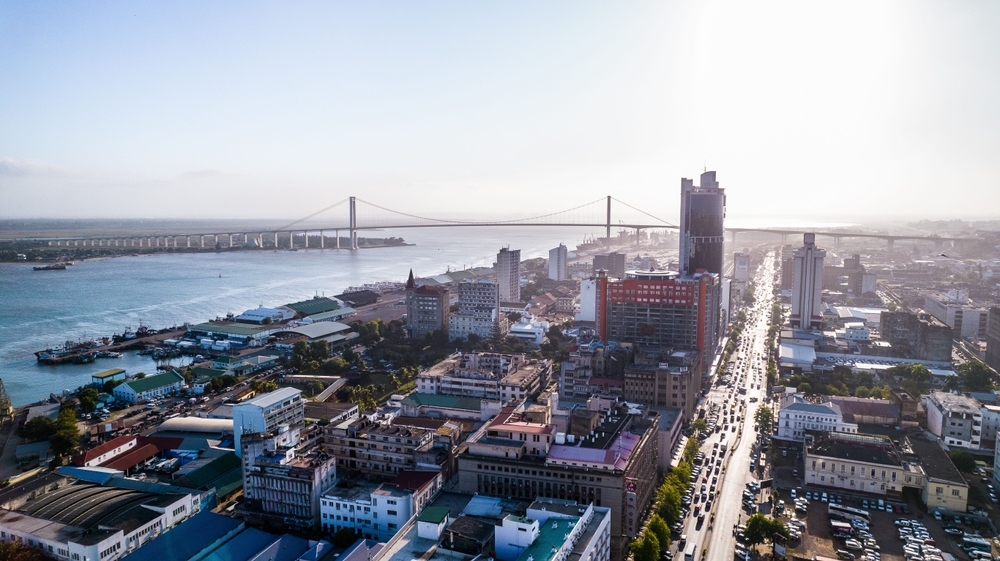
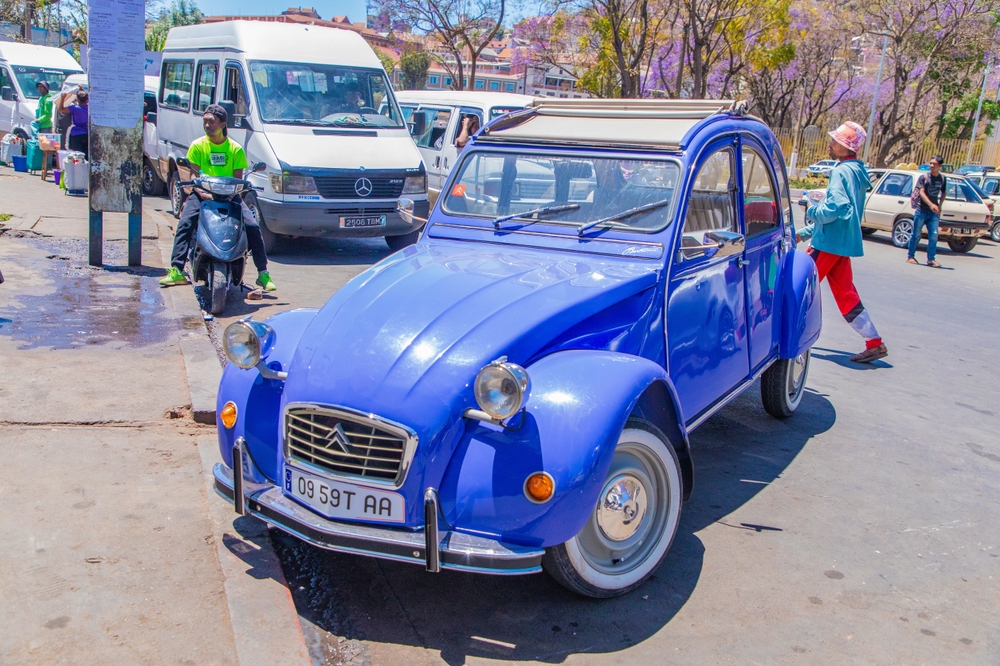
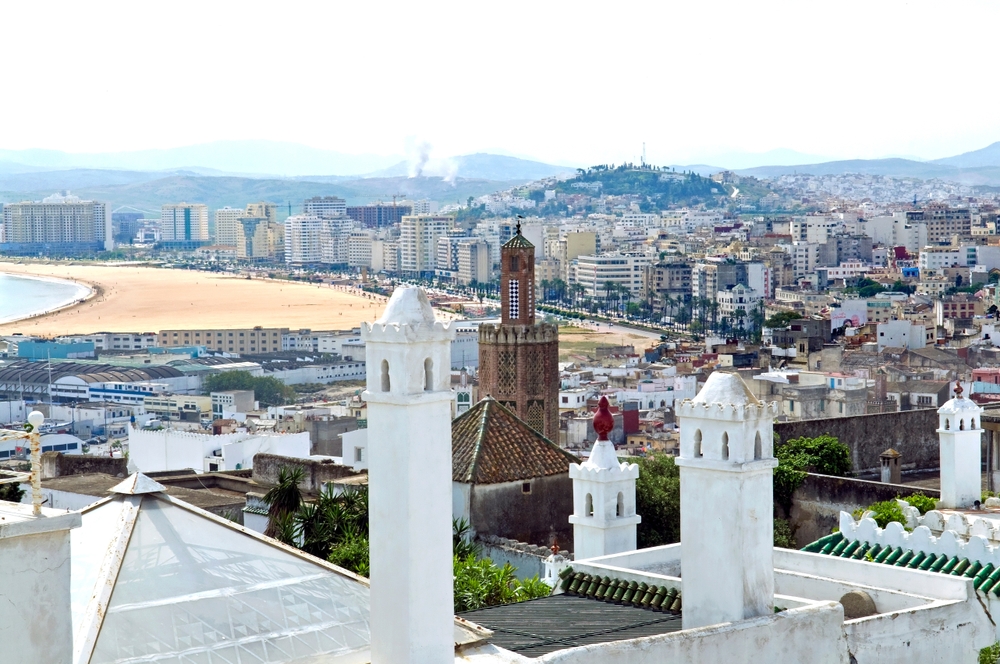
Community
Community & practical notes
Community: French or Darija (Moroccan Arabic) gets you further than English with landlords, banks, and doctors, so a few lessons before you land pay off. All U.S. citizen services for Morocco, from passports to emergencies, go through the Consulate General in Casablanca, a train trip north, so renew your passport before you move.
Healthcare: The State Department says health facilities are available in Rabat, Casablanca, and other major cities, but hospitals often want payment up front, many staff speak little English, and Medicare won't pay for care here. Mental health services are limited even in big cities. Ambulances aren't widely available, so in an emergency a taxi to the hospital can be faster. Hunter Schultz, our healthcare coach, can walk you through how care works in Marrakech, and ExpatInsure arranges international health coverage.
Safety: Morocco carries a State Department Level 2 advisory, Exercise Increased Caution, as of September 2026, for the risk of terrorism. The everyday issues are smaller: pickpockets in the souks, persistent panhandling, and, for women, verbal harassment and unwanted attention in crowds. Wear your bag across your body.
LGBTQ expats: Moroccan law criminalizes consensual same-sex relations, with fines and up to three years in prison. The State Department warns that public affection can draw negative attention or legal trouble. Weigh this before anything else here.
Black Americans: The State Department says travelers who appear to be of sub-Saharan African descent have reported discrimination or harassment in Morocco. One Black American student wrote about being called a slur during a 2017 weekend in Marrakech. That's a single account, so talk with Black Americans living in Marrakech now before you decide.
Limited mobility: The State Department says accessibility is limited across public transportation, lodging, and infrastructure, and building codes are rarely enforced. The medina is the hardest part, with narrow, uneven lanes and steps; the avenues of Gueliz are easier going. Morocco's trains do better, with ramps and accessible bathrooms. Visit any rental in person and check the entrance, the stairs, and the route to the street.
Remote work and schools: Most coworking options we found are in Gueliz, including Cowork in Marrakech at Marrakech Plaza. Families can look at the American School of Marrakesh, which teaches prekindergarten through grade 12 in English, is accredited by the Middle States Association, and offers the International Baccalaureate Diploma.
Retirement: Marrakech fits retirees who want sun and can handle the summers. Americans enter visa-free for up to 90 days, then apply for a residence permit at the local police foreigners' bureau. The first application needs a criminal record check you can only get in the U.S., so order it before you fly. Compare retirement visa options or read our full Morocco guide.
Housing
Renting and buying
- 1-bed rent (center)
- $500–$700/mo
- 1-bed rent (outside center)
- $350–$450/mo
- Buy price (center)
- $158/sq ft
- Buy price (outside center)
- $102/sq ft
Expatsi estimates, based on rental listings, government statistics, and local reporting.
Good to know
Frequently asked questions
How much does it cost to live in Marrakech?
One person spends about $1,400 a month in Marrakech, based on Expatsi's 2026 cost data, and most single budgets fall between $1,100 and $1,600. A couple spends about $2,000 and a family of four about $2,900. Housing drives most of the difference, so where you rent matters more than how you shop.
Do you need a car in Marrakech?
No. The medina is best on foot, metered petit taxis cover the rest of the city, and Uber has run in Marrakech since late 2025 with licensed vehicles. A U.S. driver's license is valid in Morocco for up to one year, after which residents need a Moroccan license, and the State Department describes local driving practices as very poor.
Is Marrakech a good place for LGBTQ expats?
No, not legally. Consensual same-sex relations are a crime in Morocco, punishable by fines and up to three years in prison, and the law applies in Marrakech as everywhere else in the country. The State Department warns that public displays of affection can draw negative attention or legal consequences.
Can Americans retire in Marrakech?
Yes. Americans can enter Morocco without a visa for up to 90 days, then apply for a residence permit at the foreigners' bureau of the local police. First-time applicants need a criminal record check that can only be obtained in the United States, so request it before you move. Staying past 90 days without an extension means seeing a judge before you can leave.
Is Marrakech safe for Americans?
Mostly, if you take big-city precautions. The State Department rates Morocco Level 2, Exercise Increased Caution, as of September 2026, because of the risk of terrorism. Day to day, pickpocketing is common in souks and crowded tourist areas, and women may face verbal harassment. Keep bags across your body and use metered taxis or licensed ride-hailing.
How hot does Marrakech get in summer?
Very hot. July and August average highs near 100 F (about 38 C), and even the average lows in those months sit around 69 to 70 F (21 C). June and September average highs in the low 90s F. Many residents plan trips to the coast or the Atlas Mountains for the hottest weeks.
See how Marrakech fits your life
Take the free Expatsi Test and compare Morocco to over 100 countries on what actually matters: cost, healthcare, climate, and safety. About five minutes.
Why not you?