Roatán: reef diving, English on the street, and island prices
What daily life costs on the biggest of Honduras's Bay Islands, how safe it is, where you'd go for hospital care, and how retirees qualify to stay.
- 41,831
- Population (2013)
- $2,000/mo
- Monthly budget · single
Budget about $2,000 a month for one person on Roatán, about $2,900 for a couple and about $4,200 for a family of four, based on our 2026 data. A one-bedroom near the center rents for about $900 a month, or about $600 further out, and a simple meal out runs about $8. All of that is in U.S. dollars, and island prices sit well above what you'd pay on the Honduran mainland.
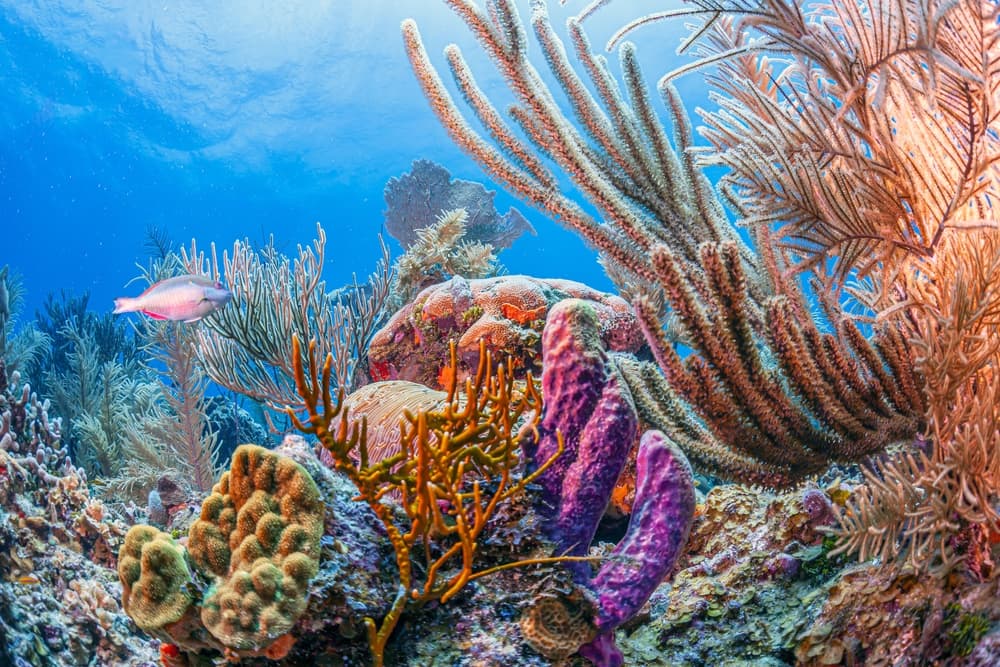
Roatán is the biggest of the Bay Islands, with English-speaking communities, reef diving off West End and West Bay, and nonstop flights from Miami and Houston. It suits retirees with a steady pension, divers, and anyone who wants a first move abroad without learning Spanish on day one.
It's a harder fit if you need a major hospital close by or you're planning around mainland prices. Serious surgery means flying to San Pedro Sula or Tegucigalpa, and the U.S. State Department rates Honduras as a whole Level 3, Reconsider Travel.

Reviewed and updated October 15, 2026 · 4 min read
At a glance
$2,000
Monthly budget · single person
$900/mo 1-bed rent, center
40/100
Safety index
$55
Internet / month
41,831
Population (2013)
Expatsi estimates, updated Oct 2026, based on rental listings, government statistics, and local reporting.
Cost of living
What it costs to live in Roatán
Single person
$1,600–$2,400/mo
about 35% below Austin, TX
Couple
$2,400–$3,400/mo
about 35% below Austin, TX
Family of four
$3,300–$5,100/mo
about 45% below Austin, TX
Compared with Austin, TX (Expatsi estimate, 2026).
- $8 −60%
- Inexpensive meal
- $750–$1,050/mo −54%
- 1-bed rent, center
- $500–$700/mo −56%
- 1-bed rent, outside
- $55/mo −15%
- Internet
- $214/sq ft −67%
- Buy price, center
Expatsi estimates, updated Oct 2026, based on rental listings, government statistics, and local reporting.
Daily life
How Roatán lives
- C- grade, 1st percentile among the cities we track
- Dining & cafésmodest
- C- grade, 0th percentile among the cities we track
- Arts & culturemodest
- C- grade, 1st percentile among the cities we track
- Parks & outdoorsmodest
- C- grade, 0th percentile among the cities we track
- Schools & educationmodest
- C- grade, 2nd percentile among the cities we track
- Healthcare accessmodest
- C- grade, 0th percentile among the cities we track
- Bike infrastructuremodest
- C- grade, 0th percentile among the cities we track
- Public transitmodest
Limited map data: OpenStreetMap coverage for Roatán is sparse, so these grades likely undercount what's on the ground.
Climate
Weather through the year
Climate data not available for Roatán yet.
On the ground
Scenes from Roatán
Getting around
Transport in Roatán
One main highway runs the length of the island and links every major settlement, from Coxen Hole and the airport to French Harbour, Sandy Bay, West End and West Bay. Almost everything you'll do sits somewhere along it.
By day, minibuses work the highway out of Coxen Hole, and colectivo taxis pick up other riders and follow set routes much like a bus. The buses stop in the early evening, and taxi fares go up after that. Keep in mind that the State Department advises Americans in Honduras not to ride public minibuses or hail taxis on the street. It's worth having the number of a driver you trust; hotels and rental agents can recommend one.
Between West End and West Bay, water taxis run through the day, and you flag one down at a dock. Car rental agencies have stands at the airport, and scooters rent from stands around the island. If you live outside West End, plan on your own car or scooter.
Off the island, ferries cross to La Ceiba on the mainland in about an hour and a half, and the afternoon run is the choppier one. Domestic flights go to La Ceiba, San Pedro Sula and Tegucigalpa.
- 0.0/sq mi
- Transit stops
- 0.0/sq mi
- Bike infrastructure
- 0.0/sq mi
- Wheelchair-accessible places
Mapped features per square mile from OpenStreetMap.
Community
Community & practical notes
Who you'll live among: Roatán's English-speaking island communities go back to British settlers in the 18th century, which is why so many errands happen in English. West End and West Bay are the beach and dive areas, while Coxen Hole and French Harbour hold most of the banks and hospitals. Spanish still runs anything official, from immigration to the legal side of a lease.
Healthcare: Expats use the private side. Roatán has a private hospital and the public hospital in Coxen Hole, Woods Medical Center in French Harbour, and Cornerstone Medical Clinic in West End. The public hospital isn't where you want to be for a serious emergency, ambulances are not widely available in Honduras, and major hospitals are a flight away in San Pedro Sula or Tegucigalpa. Medicare doesn't apply overseas, so carry international coverage with medical evacuation. Hunter Schultz, our healthcare coach, and ExpatInsure, our insurance partner, can help you set that up before you sign a lease.
Getting online: Before you sign, ask the landlord for a recent speed test at that exact address. If your income depends on being online, keep a phone hotspot as a backup.
LGBTQ expats: Same-sex relationships are legal in Honduras. The State Department also notes that activists report crimes against LGBTQ people often go unpunished, and that police have harassed patrons of LGBTQ nightclubs. Spend real time on the island before you commit.
Black Americans: Punta Gorda is Roatán's oldest permanent settlement. It was founded by Garifuna people the British left on the island in April 1797, and the anniversary of that arrival is a major celebration that draws Garifuna from along the coast. It's worth a visit early on, and it gives the island a Black history that runs deeper than its tourist strip.
Limited mobility: Honduran law requires accessible buildings, but the State Department says few are. On Roatán that means patchy or missing sidewalks along the highway, water taxis boarded from docks, and beaches reached across sand. Plan on a car with a driver, and look for a newer ground-floor or elevator building rather than a hillside house.
Retiring here: Honduras grants pensionado residency for a permanent, stable pension from abroad of at least $1,500 a month, and rentista residency for at least $2,500 a month in steady passive income. Have a Honduran lawyer confirm your income qualifies before you file. Americans can stay up to 90 days visa-free while they look around. Compare your options in our retirement visa guide, read the Honduras residency page, or start with the full Honduras guide.
Housing
Renting and buying
- 1-bed rent (center)
- $750–$1,050/mo
- 1-bed rent (outside center)
- $500–$700/mo
- Buy price (center)
- $214/sq ft
- Buy price (outside center)
- $139/sq ft
Expatsi estimates, based on rental listings, government statistics, and local reporting.
Good to know
Frequently asked questions
Do I need to speak Spanish to live in Roatán?
Not for daily life. Roatán has English-speaking island communities that date back to British settlement in the 18th century, so shopping, dining and most errands happen in English. Spanish still matters for immigration paperwork, legal documents and anything official, so plan to work with a bilingual lawyer.
How do you get to Roatán from the U.S.?
Fly. Roatán's airport has nonstop flights from Miami and Houston, plus domestic connections to La Ceiba, San Pedro Sula and Tegucigalpa. From the mainland, ferries cross between La Ceiba and Roatán in about an hour and a half.
Is Roatán safe for Americans?
Roatán has no separate U.S. rating, so it falls under the State Department's Level 3, Reconsider Travel, advisory for Honduras, issued in August 2026 and citing crime and terrorism. Only Gracias a Dios, on the mainland, is rated Level 4. The advisory tells Americans not to ride public minibuses or hail taxis on the street, so plan on a driver you trust.
What is healthcare like in Roatán?
Expats use private care: a private hospital in Coxen Hole, Woods Medical Center in French Harbour and Cornerstone Medical Clinic in West End. Major hospitals are a flight away in San Pedro Sula or Tegucigalpa, and Medicare doesn't apply in Honduras. Carry international health coverage that includes medical evacuation.
Do you need a car in Roatán?
If you live outside West End, mostly yes. One highway runs the length of the island, and minibuses and colectivo taxis work it by day, but the U.S. State Department advises against public minibuses in Honduras. A car or scooter of your own, plus a trusted driver's number for nights, covers most needs.
How much does it cost to live in Roatán?
Our 2026 data puts one person at about $2,000 a month in Roatán, with a likely range of about $1,600 to $2,400. A couple needs about $2,900 and a family of four about $4,200. Rent drives most of it: about $900 for a one-bedroom near the center and about $600 further out.
Can I retire in Roatán?
Yes. Honduras offers pensionado residency to retirees with a permanent, stable pension from abroad of at least $1,500 a month, and rentista residency for at least $2,500 a month in steady passive income. A Honduran lawyer files the application. Americans can enter visa-free for up to 90 days while they scout.
See how Roatán fits your life
Take the free Expatsi Test and compare Honduras to over 100 countries on what actually matters: cost, healthcare, climate, and safety. About five minutes.
Why not you?