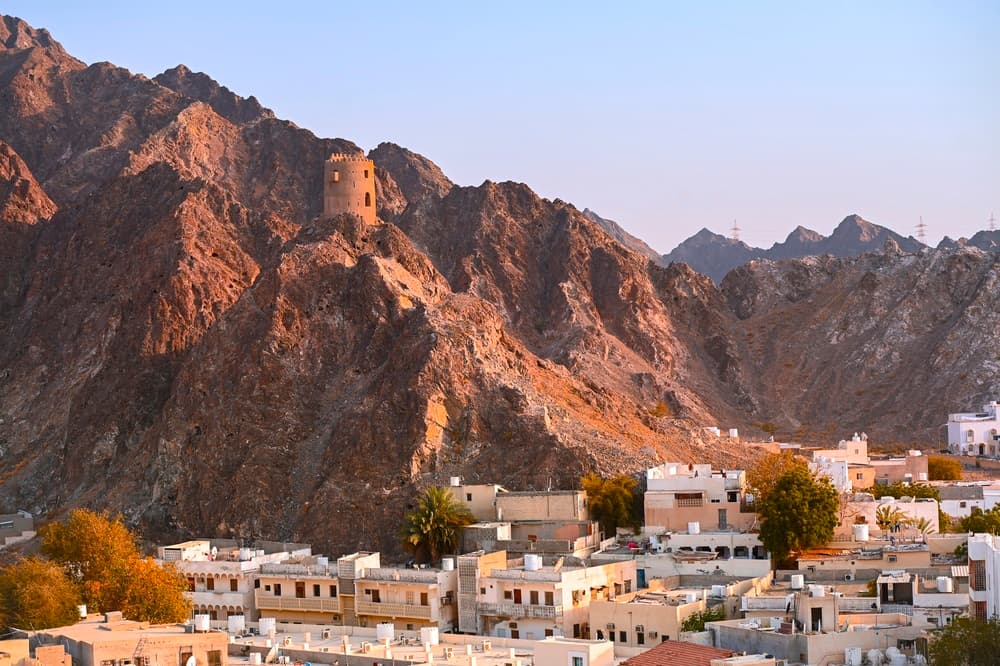
Muscat: a calm Gulf capital between the Hajar Mountains and the sea
Cost of living, safety, schools and retiring in Oman's capital, plus what a regional conflict and a long, hot summer mean for your move.
- 1,421,409
- Population (2019)
- $1,400/mo
- Monthly budget · single
- 83°F / 28°C
- Avg temperature
A single person in Muscat spends about $1,400 a month as of 2026, and most single budgets land between $1,200 and $1,700. A couple runs about $2,200, and a family of four about $3,500. Rent is the big variable: a one-bedroom in the center averages around $700, and about $500 farther out.
Muscat suits people arriving with a job offer, families who want an American-curriculum school, and well-funded retirees who'd trade nightlife for quiet streets. It's a low-rise city of about 1.4 million (2019 count) stretched along the coast, with the Hajar Mountains right behind it, and it scores 72 out of 100 on safety in our data.
Two things settle it for most Americans. The U.S. State Department rates Oman Level 3, Reconsider Travel, citing the risk of armed conflict and terrorism since U.S.-Iran hostilities began in February 2026. And summer is long: average highs sit near 98F in May and June, so October through April is when Muscat is at its best.

Reviewed and updated October 22, 2026 · 4 min read
At a glance
$1,400
Monthly budget · single person
$700/mo 1-bed rent, center
72/100
Safety index
$70
Internet / month
83°Fannual average
Jan 72° · Jun 93°
Climate
1,421,409
Population (2019)
Expatsi estimates, updated Oct 2026, based on rental listings, government statistics, and local reporting.
Cost of living
What it costs to live in Muscat
Single person
$1,200–$1,700/mo
about 55% below Austin, TX
Couple
$1,800–$2,700/mo
about 50% below Austin, TX
Family of four
$2,900–$4,100/mo
about 55% below Austin, TX
Compared with Austin, TX (Expatsi estimate, 2026).
- $5 −75%
- Inexpensive meal
- $550–$850/mo −64%
- 1-bed rent, center
- $400–$600/mo −63%
- 1-bed rent, outside
- $70/mo +8%
- Internet
- $242/sq ft −63%
- Buy price, center
Expatsi estimates, updated Oct 2026, based on rental listings, government statistics, and local reporting.
Daily life
How Muscat lives
- C- grade, 5th percentile among the cities we track
- Dining & cafésmodest
- C+ grade, 22nd percentile among the cities we track
- Arts & culturemodest
- C grade, 6th percentile among the cities we track
- Parks & outdoorsmodest
- C- grade, 1st percentile among the cities we track
- Schools & educationmodest
- C- grade, 0th percentile among the cities we track
- Healthcare accessmodest
- C- grade, 0th percentile among the cities we track
- Bike infrastructuremodest
- C grade, 9th percentile among the cities we track
- Public transitmodest
Graded on OpenStreetMap amenity density relative to the 436 cities we track. Accessibility is the exception: it's graded against a fixed standard (terrain steepness and sidewalk surfaces), not a curve.
Climate
Weather through the year
Annual average 83°F (28°C) · 3 in of rain a year · Source: Meteostat station normals (41258, 1991-2020; no sunshine data)
On the ground
Scenes from Muscat
Getting around
Transport in Muscat
Muscat is a driving city. It runs for miles along the coast, and districts like Qurum, Al Khuwair and Ruwi are tied together by highways more than by walkable streets. Most foreign residents own or lease a car, and the State Department rates road conditions in cities and on major highways as good. Driving between cities is riskier, with poor lighting, wandering livestock and speeding drivers on some routes, so plan long trips for daylight.
Mwasalat, the national transport company, runs the city buses, including airport routes through Qurum and Al Khuwair, plus long-distance coaches to Abu Dhabi (about nine hours) and Sharjah in the UAE. Buses can cover a fixed commute, but few residents rely on them alone.
For everything else, there are taxis booked by app. Oman's transport ministry licenses on-demand taxi apps, among them Marhaba, Otaxi and Tasleem, which quote a fixed price before the trip starts, and Sayidati, a service for women.
Your U.S. license covers a rental car while you're visiting, but not a privately registered car, and once you're a resident you'll need an Omani license. Put a car in your budget from day one.
- 0.4/sq mi
- Transit stops
- 0.0/sq mi
- Bike infrastructure
- 0.0/sq mi
- Wheelchair-accessible places
Mapped features per square mile from OpenStreetMap.
Keep exploring
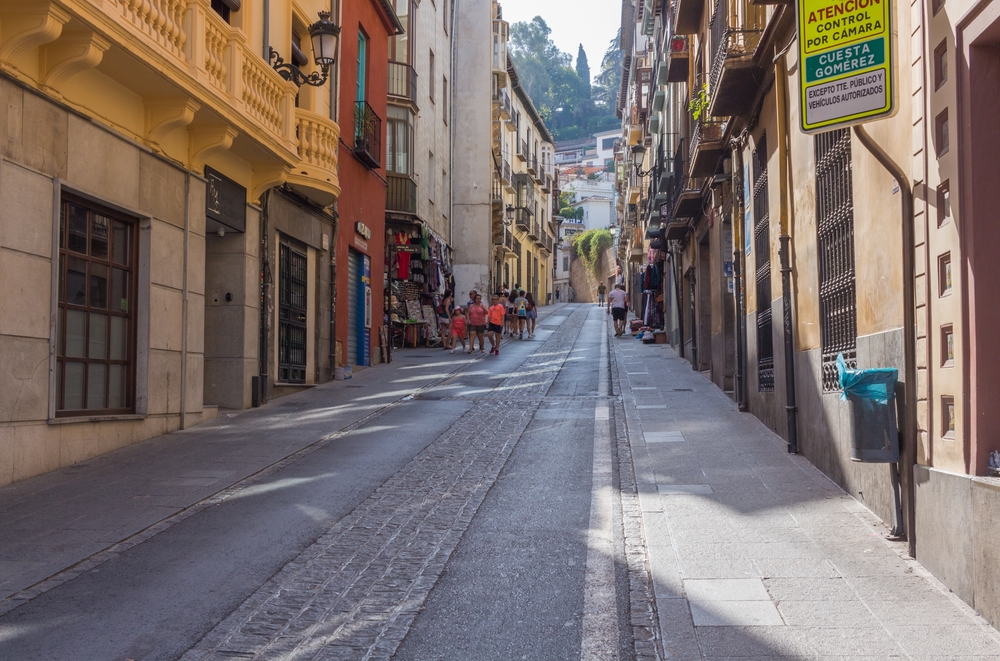
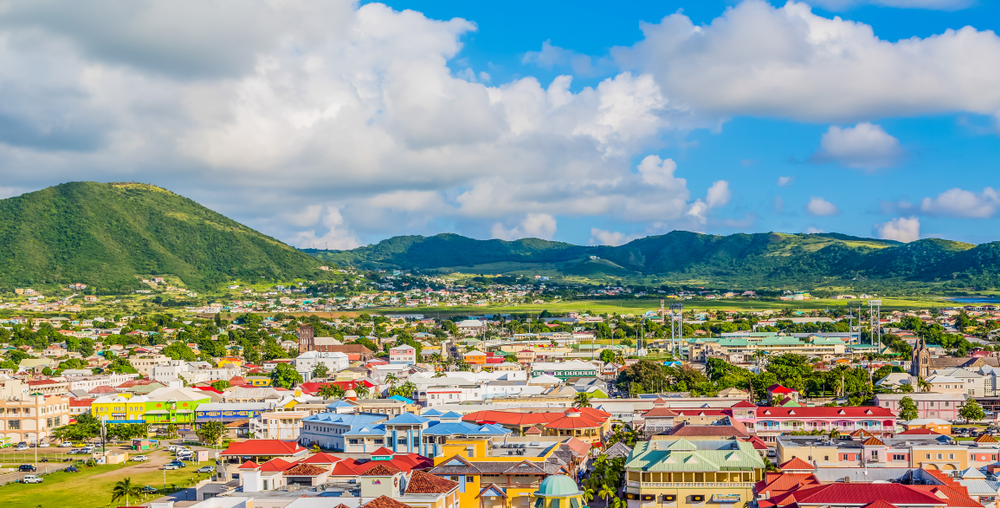
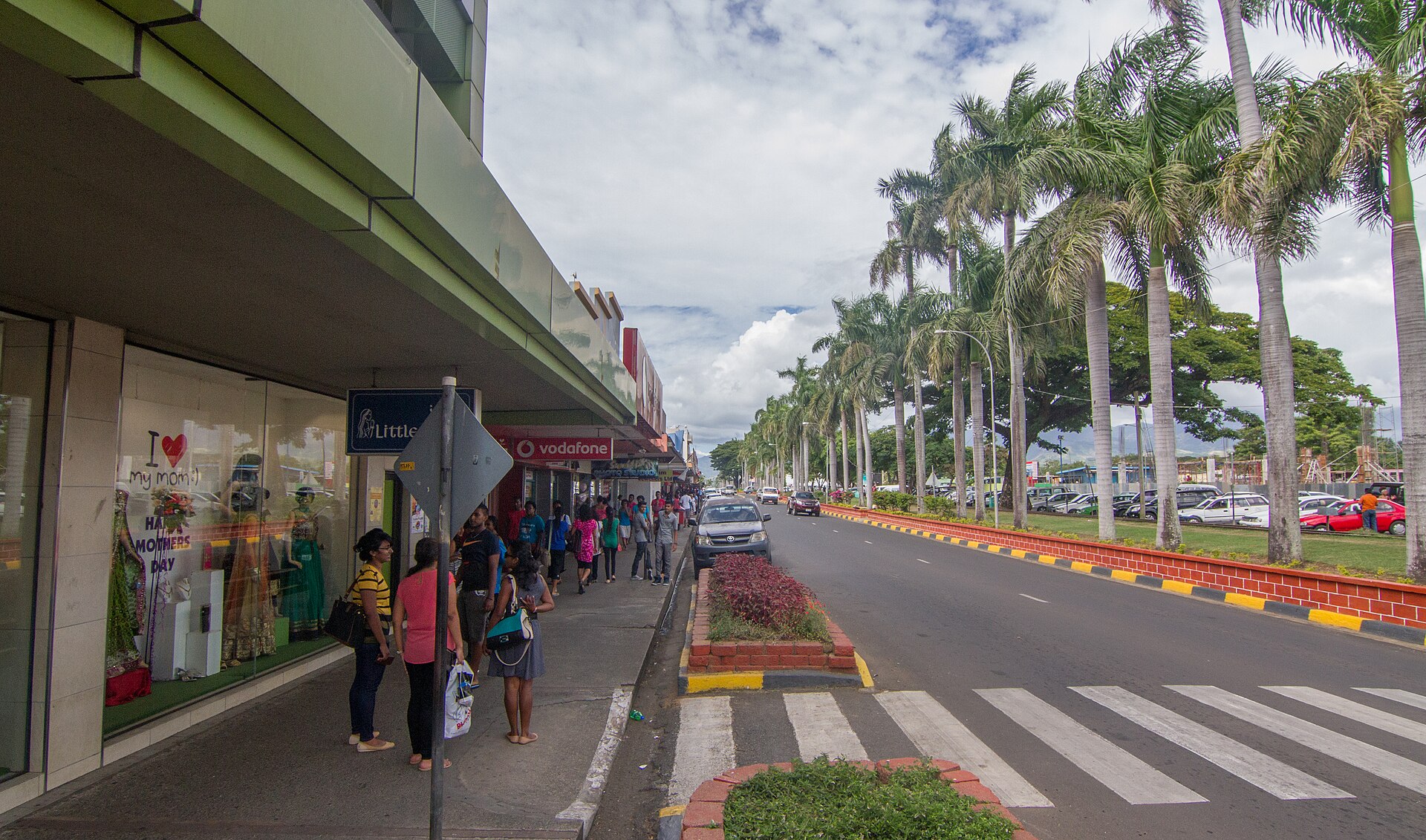
Places like Muscat
Community & practical notes
Day-to-day life in Muscat
The expat scene: Most foreigners in Muscat are here on an employer's sponsorship, so the community leans toward working professionals and their families rather than nomads or retirees. Oman as a whole was 43% expatriate in July 2023, so you won't be the only newcomer on your street. Learn the social rules before you sign a lease: it's illegal for unmarried couples of the opposite sex to live together, and having alcohol outside the rules or driving after drinking can get you arrested. Dress modestly in public; the State Department advises against sleeveless tops and shorts.
Healthcare: Care isn't free for most foreigners, so coverage matters. The Royal Hospital and Sultan Qaboos University Hospital are Oman's best-known public hospitals, and both are in Muscat, but expats mostly use private hospitals such as Muscat Private Hospital and Starcare Hospital. Employers must provide basic insurance for staff and dependents under Oman's compulsory health insurance law. Coming without an employer, you'll arrange an international plan, and the State Department recommends medical evacuation coverage too. Mental health care is thin: psychological and psychiatric services are limited.
Internet and remote work: Home internet averages about $70 a month in our data. VPN and VoIP use is restricted and can bring penalties, which matters if you work remotely or call home over apps. Oman has no digital nomad visa, so remote work here usually rides on another residence route.
Schools: The American International School of Muscat (TAISM), in Ghala, has offered Oman's only American-based program since 1998 and is accredited by the New England Association of Schools and Colleges. Families wanting a British curriculum look at the British School Muscat.
LGBTQ expats: Muscat isn't a place to live openly. Consensual same-sex conduct is illegal, with jail terms of six months to three years. Most LGBTQ Americans will be better served by another country.
Black Americans: We couldn't find reliable, recent first-hand reporting on daily life for Black Americans in Muscat, and the State Department's Oman page doesn't address it. Before committing, talk with Black Americans who have lived in Oman or elsewhere in the Gulf, and spend time in the city on a scouting trip.
Limited mobility: Hard going. The State Department says to expect limited access in older buildings, including government buildings and schools, and handicapped parking is scarce. Sidewalks are inconsistent in a city designed around cars, so a wheelchair user will depend on a car or adapted taxi for most trips. Newer malls and hotels are the easiest places to get around. In September 2026, Muscat Governorate began surveying public and private buildings for disability access, so expect slow improvement, and check any apartment's elevator and entrance in person.
Retirement: Muscat works for retirees with a large fixed income. Oman's retiree residence asks for OMR 4,000 a month (about $10,400), plus health insurance and a home you own or rent long term, so Social Security alone won't qualify. Other routes run through buying property or investing. Our retirement visa guide compares options worldwide, and our Oman moving guide covers each route. The trade-off retirees feel daily is heat: even October still averages highs near 90F.
Housing
Renting and buying
- 1-bed rent (center)
- $550–$850/mo
- 1-bed rent (outside center)
- $400–$600/mo
- Buy price (center)
- $242/sq ft
- Buy price (outside center)
- $158/sq ft
Expatsi estimates, based on rental listings, government statistics, and local reporting.
Good to know
Frequently asked questions
How do Americans move to Muscat?
Most move with a job. An Omani employer requests the employment visa, which lasts up to two years and renews. Other routes include a residence permit for property owners, investor residence, and a retiree residence with a high income floor. Oman has no digital nomad visa.
When is the best time of year in Muscat?
October through April. Average highs in January are near 75F, while May and June average highs near 98F, and the heat holds through summer. The city gets under 3 inches of rain a year.
Do you need a car to live in Muscat?
Yes, for most people. Muscat is spread out along the coast and built around highways. Mwasalat runs city and airport buses, and licensed taxi apps such as Marhaba and Otaxi cover short trips, but most foreign residents drive. Residents need an Omani driver's license.
Can I retire in Muscat on Social Security?
Usually not. Oman's retiree residence requires a fixed income of OMR 4,000 a month, about $10,400, plus health insurance and a home you own or rent long term. Retirees below that level would need to qualify through a property purchase or an investment instead.
Is Muscat safe for Americans right now?
Street crime in Muscat is low, but the U.S. State Department rates Oman Level 3, Reconsider Travel, because of the risk of armed conflict and terrorism after U.S.-Iran hostilities began in February 2026. The area near the Yemen border is Do Not Travel. Read the current advisory before you commit to a move.
How much does it cost to live in Muscat?
As of 2026, one person in Muscat spends about $1,400 a month, a couple about $2,200 and a family of four about $3,500. A one-bedroom apartment in the center averages around $700 a month. Those figures don't include buying or leasing a car, which most residents need.
Is there an American school in Muscat?
Yes. The American International School of Muscat (TAISM) teaches an American-based program from early childhood through grade 12. It opened in 1998 and is accredited by the New England Association of Schools and Colleges.
Can LGBTQ Americans live safely in Muscat?
Not openly. Consensual same-sex conduct is illegal in Oman and carries a jail term of six months to three years, according to the U.S. State Department. Most LGBTQ Americans will find a better fit in another country.
See how Muscat fits your life
Take the free Expatsi Test and compare Oman with other countries on what matters to you: cost, healthcare, climate and safety.
Why not you?