Germany's work visa with no salary floor
If your German job offer pays less than the Blue Card asks, or you trained in a trade instead of at a university, Sections 18a and 18b are your way in.
The Blue Card gets the attention, and it has a salary line you have to clear. The permit underneath it doesn't. Under 45, there's no fixed minimum at all. What Germany checks instead is your qualification, and that's where the real work sits.
Where you fit
One visa, two kinds of qualification
Germany sorts skilled workers by what they trained in, not by what they earn. Two paragraphs of the Residence Act do the sorting, and the D-visa is the stamp that gets you to either one.
Trained in a trade
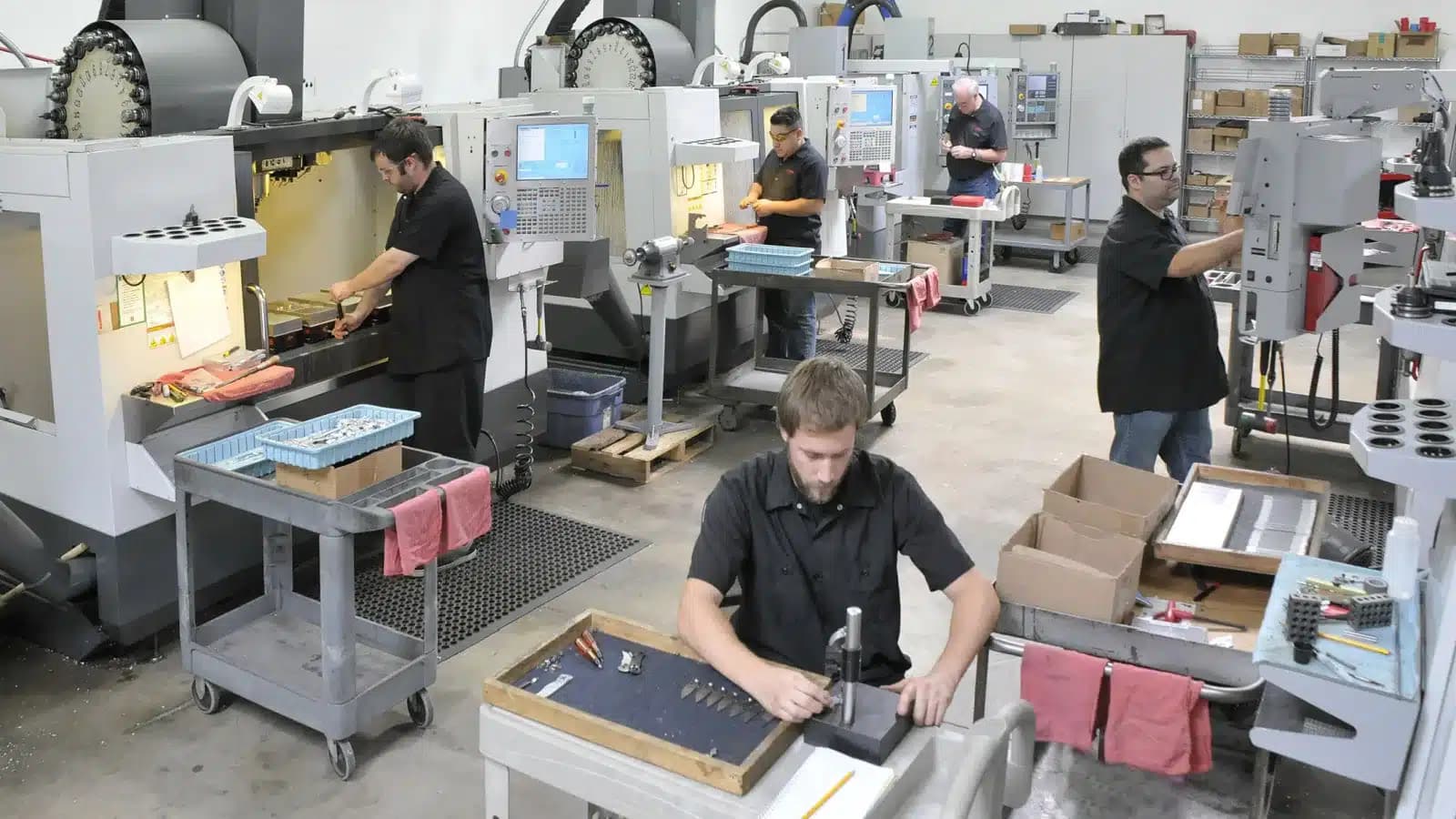
Section 18a covers vocational qualifications: electricians, nurses, mechanics, machinists, HVAC techs, hundreds of trades Germany's apprenticeship system knows how to measure. Two years of training is the floor. No degree required anywhere in the process.
Trained at a university
Section 18b covers degree holders whose offer sits below the Blue Card line, which is 50,700 euros in 2026. That happens more often than you'd think in research posts, public sector roles, teaching and entry-level jobs where pay follows a collective agreement instead of the market.
Either way, the job has to be a qualified one
Since November 2023, both routes are a legal entitlement rather than a favor: meet the conditions and the permit must be issued. The rule that tied you to your own field is gone too, so a trained baker can take any qualified job. Regulated professions are the exception.
National Work Visa (D-Visa)
For skilled workers with a job offer in Germany. Regulated professions require qualification recognition; non-regulated do not. Full family reunification.
- Government cost
- $100
- Processing time
- ~60 days
- Timeline
- Up to 4 years, renewable
- Difficulty
- Moderate
Key requirements
- Job offer from German employer
- Qualification recognition for regulated professions
- Health insurance
- Proof of financial means
About that data card
Three lines up there need context. The recognition line reads as though only regulated jobs need it, but a foreign trade qualification usually needs a formal equivalence check whatever the job is; what regulated work adds on top is a license to practice. The 100 is euros, about $115; it buys the residence permit once you're in Germany, not the visa. And four years is a ceiling, not an allocation: a two-year contract gets you about two years and three months.
The real gate
Recognition decides this, not your paycheck

Here's the catch. Germany isn't asking what you earn but whether your qualification counts. Settling that takes months.
A U.S. degree is usually the easy case
Degrees only have to be comparable, not formally recognized. Look your school up in anabin, the government database. Regionally accredited U.S. universities are usually rated H plus, and that printout is often the whole of it. Schools missing from it need a comparability statement from the ZAB, which takes two to three months.
A US trade credential is the slow case
Vocational qualifications go through a real equivalence assessment at a German chamber of crafts or commerce. The federal recognition portal puts that at three to four months, ending in full, partial or no equivalence. Partial is common and isn't a refusal.
Two ways around the wait
A recognition partnership lets you land, start the qualified job and finish the assessment in Germany. It needs an A2 German certificate and written commitment from an employer willing to back you through it. Separately, two years of experience plus a job paying 45,630 euros (about $52,700) skips German recognition altogether.
Check your offer against these
None
Salary floor, if you're under 45
the employment agency checks market rate instead
$64,400
What you must earn at 45 and over
55,770 euros gross, or proof of a pension
3 years
To permanent residence
with B1 German and 36 months of pension payments
$87
The visa itself at a U.S. consulate
75 euros, plus 100 more for the permit after you land
Consulate or arrivals hall
You may not need the visa in the title

Americans sit on a short list of nationalities who can fly to Germany with no visa and apply for the permit after landing. Eight of Germany's nine work permits work that way for us. You get 90 days from landing to file with the immigration office in whichever city you register in.
So why use a consulate in the U.S. at all? One line: entering visa-free, you can't legally work until the permit is physically issued, and busy offices book out for months. Berlin takes applications online only now and assigns your appointment after you file. Land on a national work visa instead and you can start on your contract date.
The third option belongs to your employer. Under the accelerated skilled worker procedure a German employer pays 411 euros, about $475, and every authority in the chain gets a deadline: one week for the employment agency, three weeks to give you a consulate appointment, three more for the decision. That turns a three to six month wait into four to eight weeks. It's worth asking whether they'll file it.

Before you commit
Three things people find out late
German stops being optional
The application never tests your German. Permanent residence does. Skilled workers reach it at three years, but only with B1 German, 36 months of pension contributions and the civics test. Blue Card holders can get there on A1. B1 is the price of staying on this route, so start classes in year one.
Turning 45 changes the arithmetic
First-time applicants aged 45 or over have to show 55,770 euros a year, about $64,400, or an adequate pension. There is some give in it: the rules let authorities waive the check when the salary is only slightly short or the age only slightly over, and it generally falls away if you qualify for a Blue Card instead.
The employment agency has a view on your pay
No salary floor doesn't mean any salary. The Federal Employment Agency weighs your offer against what that job normally pays in that region, and a lowball contract fails on those grounds. The old priority check, asking whether a German could do the job instead, is gone. This one isn't.
If this route isn't yours
EU Blue Card
- University degree recognized in Germany
- Job offer in Germany with minimum salary (€43,800 for 2025, lower for shortage occupations)
- Health insurance
Freelancer/Self-Employment Visa
- Business plan
- Proof of demand for services
- Proof of financial means
Opportunity Card (Chancenkarte)
- Points-based eligibility (degree, language, experience, age, Germany connection)
- Proof of financial means (typically €12,000 in blocked account)
- Health insurance
Student Visa
- University admission letter
- Proof of financial means (€11,208/year in blocked account)
- Health insurance
Worth lining up early
Two parts of this route are where the time goes: an equivalence file sitting at a chamber for months, and a language certificate nobody started early enough.

Get In Expat
Germany Relocation Specialist
A Germany relocation specialist, useful here for the unglamorous parts: which chamber assesses your credential, what the foreigners office expects in the file, and the address registration that has to happen before any of it.

Lingoda
Language Learning
Online German classes at the level that decides permanent residence. B1 is a requirement on this route rather than a shortcut, so starting in year one is what makes the three-year clock mean anything.

Moneycorp
Currency Exchange
Currency transfers for the gap between your last U.S. paycheck and your first German one, when a deposit and months of rent come due before the job pays.
What Americans want to know before they file
How long does a German skilled worker visa take?
Plan on two to four months from signed contract to first day, longer if a trade credential has to be assessed first. The consulate step runs about four to six weeks now that applications are filed online, though two months is safer to budget. If your employer files the accelerated procedure, every authority gets a binding deadline and it can close in four to eight weeks.
What is Germany's National Work Visa (D-Visa)?
It's the national long-stay visa that gets you into Germany to take a job, and it sits in front of two residence permits: Section 18a for a vocational qualification, Section 18b for a university degree. Both need a German job offer and a qualification Germany accepts. The EU Blue Card is a separate, higher-paying route.
Do you need to speak German to get a work visa for Germany?
Not for the visa. Nothing in the skilled worker application tests your German, and plenty of engineering and IT jobs run in English. German decides what comes next: permanent residence needs B1, a recognition partnership needs A2, and regulated work in healthcare needs real fluency before anyone lets you practice.
Does Germany have to recognize my US degree or trade qualification?
A degree only has to be comparable, and you can usually settle that yourself in anabin, the government database, where most regionally accredited US universities are rated H plus. A trade qualification is harder: it goes through a formal equivalence assessment at a German chamber, which the federal recognition portal puts at three to four months.
Can my spouse work in Germany if I have a skilled worker visa?
Yes, from the day their own permit is issued, with no employer sponsorship and no salary minimum. Spouses joining a skilled worker are also excused from the A1 German certificate that spouse reunification normally requires, and from proving sufficient living space, which is often the harder test in a big city.
How soon can a skilled worker get permanent residence in Germany?
Three years: the permit held for that whole stretch, 36 months of pension contributions, B1 German, the Life in Germany civics test and adequate housing. If you earned your degree or did your training in Germany, it drops to two years and 24 months of contributions.
Can Americans apply for a German work visa after arriving in Germany?
Yes. US citizens can enter without a visa and apply for the residence permit at the local foreigners office, provided you file within 90 days of landing. The trade-off is that you cannot legally work until the permit is issued, which is why people with a signed contract often get the visa at a US consulate first and start on day one.
Is there a minimum salary for a German work visa?
Not if you're under 45. Unlike the EU Blue Card, the skilled worker permit sets no fixed figure. The Federal Employment Agency checks instead that your pay and your hours match local norms for that job. From 45, first-time applicants need 55,770 euros gross a year in 2026, roughly $64,400, or proof of an adequate pension.

Still weighing Germany against everywhere else?
Answer a few questions about your work, your budget and what you want a normal week to look like, and see which countries actually fit.
Why not you?