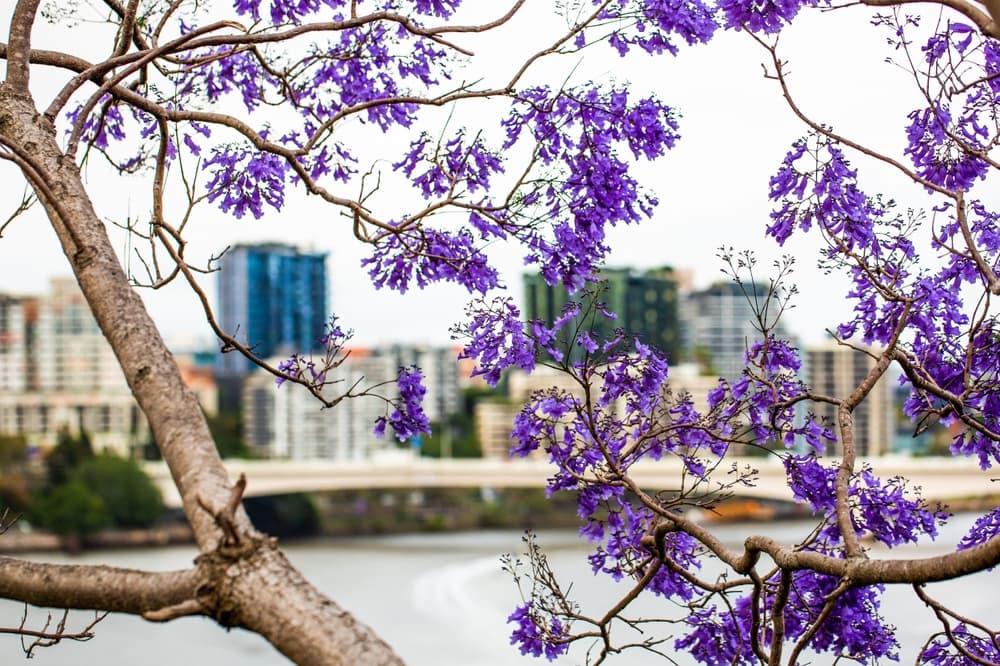
Brisbane: a subtropical river city where the ferry is part of the commute
Queensland's capital of about 2.7 million pairs year-round warmth with 50-cent fares on every bus, train and ferry, at a lower rent than Sydney.
- 2,706,966
- Population (2023)
- $3,000/mo
- Monthly budget · single
- 71°F / 22°C
- Avg temperature
Plan on roughly $3,000 a month for one person in Brisbane, in U.S. dollars, with most people landing between $2,500 and $3,500 (2026 estimates). A couple should budget about $3,900, and a family of four about $5,800. A one-bedroom in the center averages $1,900 a month, and farther out it's closer to $1,450.
That puts Brisbane about $300 a month under Sydney for a single person and about $100 over Melbourne. Most of that gap is rent: a central one-bedroom runs $300 less here.
Brisbane suits people who want a big Australian city with a slower rhythm and a lot of time outdoors: remote workers who can handle late-night calls, couples who'd rather spend weekends on Moreton Bay or the Gold Coast than in traffic, and families who want a yard. It's a harder fit if you dislike humid summers, and anyone renting should check a street's flood history first, since some low-lying suburbs flooded badly in 2022.

Reviewed and updated October 8, 2026 · 3 min read
At a glance
$3,000
Monthly budget · single person
$1,900/mo 1-bed rent, center
74/100
Safety index
$50
Internet / month
71°Fannual average
Jul 61° · Jan 79°
Climate
2,706,966
Population (2023)
Expatsi estimates, updated Oct 2026, based on rental listings, government statistics, and local reporting.
Cost of living
What it costs to live in Brisbane
Single person
$2,500–$3,500/mo
about the same as Austin, TX
Couple
$3,200–$4,600/mo
about 15% below Austin, TX
Family of four
$4,800–$6,800/mo
about 25% below Austin, TX
Compared with Austin, TX (Expatsi estimate, 2026).
- $16 −20%
- Inexpensive meal
- $1,550–$2,250/mo −3%
- 1-bed rent, center
- $1,200–$1,700/mo +7%
- 1-bed rent, outside
- $50/mo −23%
- Internet
- $15/mo −64%
- Transit pass
- $632/sq ft −3%
- Buy price, center
Expatsi estimates, updated Oct 2026, based on rental listings, government statistics, and local reporting.
Daily life
How Brisbane lives
- A- grade, 80th percentile among the cities we track
- Dining & cafésstrong
- A- grade, 71st percentile among the cities we track
- Arts & culturestrong
- A grade, 88th percentile among the cities we track
- Parks & outdoorsstandout
- B grade, 44th percentile among the cities we track
- Schools & educationtypical
- B grade, 54th percentile among the cities we track
- Healthcare accesstypical
- A grade, 86th percentile among the cities we track
- Bike infrastructurestandout
- A grade, 88th percentile among the cities we track
- Public transitstandout
- A grade, good physical accessibility
- Accessibilitygood
Graded on OpenStreetMap amenity density relative to the 298 cities we track. Accessibility is the exception: it's graded against a fixed standard (terrain steepness and sidewalk surfaces), not a curve.
Climate
Weather through the year
Annual average 71°F (22°C) · 38 in of rain a year · Source: Meteostat station normals (94576, 1991-2020; no sunshine data); sunshine: Brisbane City Centre (1999–2024 normals extremes 1887–present) via en.wikipedia.org/wiki/Climate_of_Brisbane
On the ground
Scenes from Brisbane
Getting around
Transport in Brisbane
The river shapes how Brisbane moves. Brisbane City Council runs 24 CityCats and 5 smaller KittyCats, and the all-stops CityCat runs every day between UQ St Lucia and Northshore Hamilton, stopping at riverside neighborhoods along the way. It works as a commute, not just a scenic ride. Short cross-river ferries fill the gaps where there's no bridge nearby.
On land, Translink runs the buses, trains and Brisbane Metro, which uses dedicated busways to skip traffic. Queensland made 50-cent fares permanent across South East Queensland's buses, trains, trams and ferries, so getting around costs about $15 a month in our estimates. You can pay with a go card or tap a contactless Visa or Mastercard.
Do you need a car? In inner neighborhoods like New Farm and West End, mostly no: they're walkable, and the ferry and busways cover the trip into the city. In the outer suburbs, where homes are bigger and buses less frequent, most households drive. Weekend trips to the beaches north and south of the city are easier with one too.
- 65/sq mi
- Transit stops
- 74/sq mi
- Bike infrastructure
- 122/sq mi
- Wheelchair-accessible places
Mapped features per square mile from OpenStreetMap.
Keep exploring
Places like Brisbane
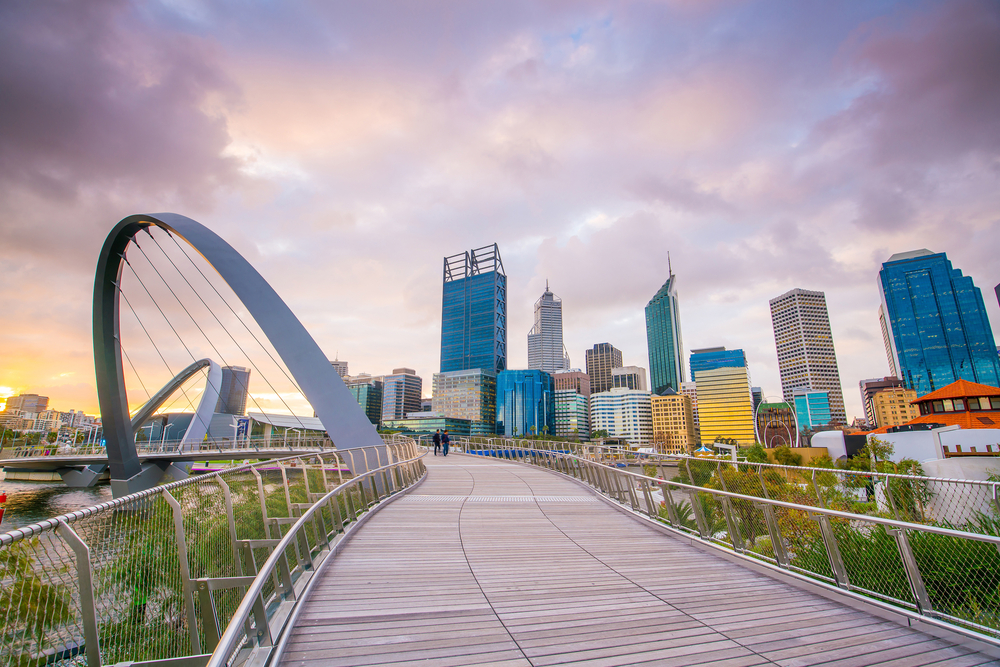 Coming soon
Perth
Australia
2.1M people · $3,200/mo
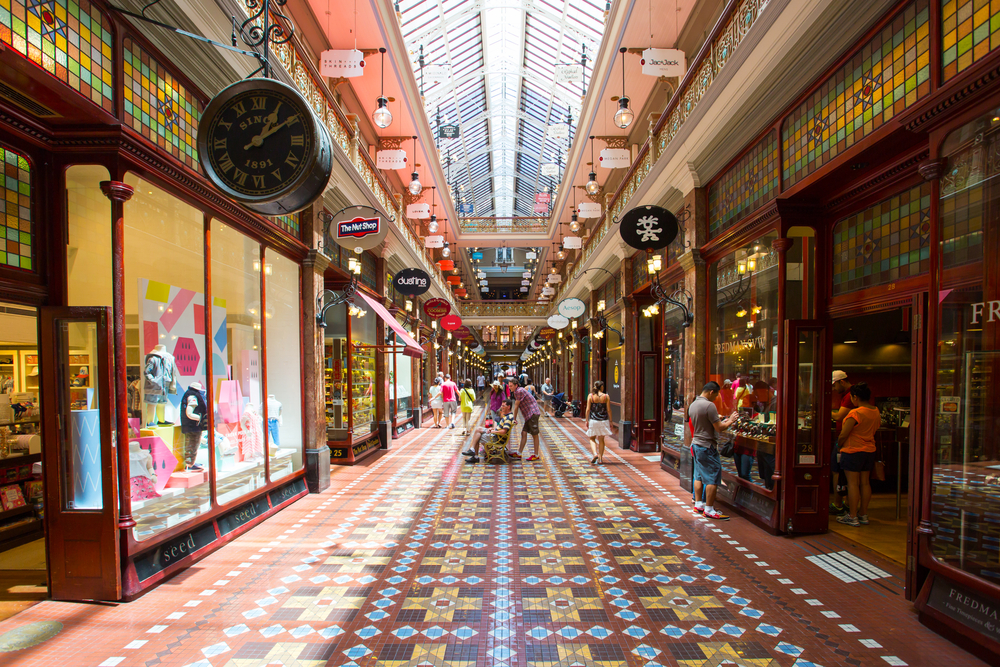 Coming soon
Sydney
Australia
5.5M people · $3,300/mo
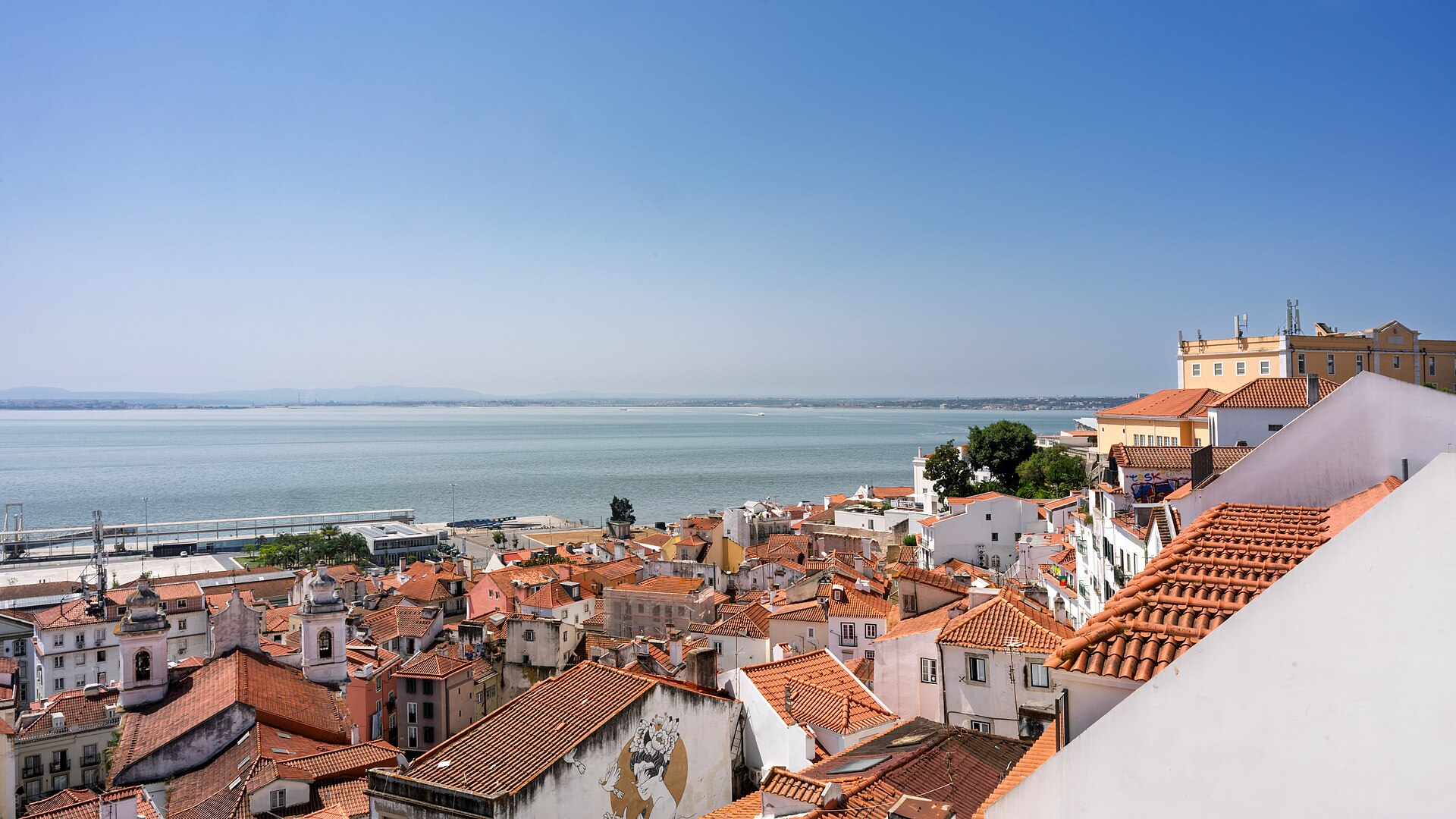
Lisbon
Portugal
545.8K people · $2,700/mo
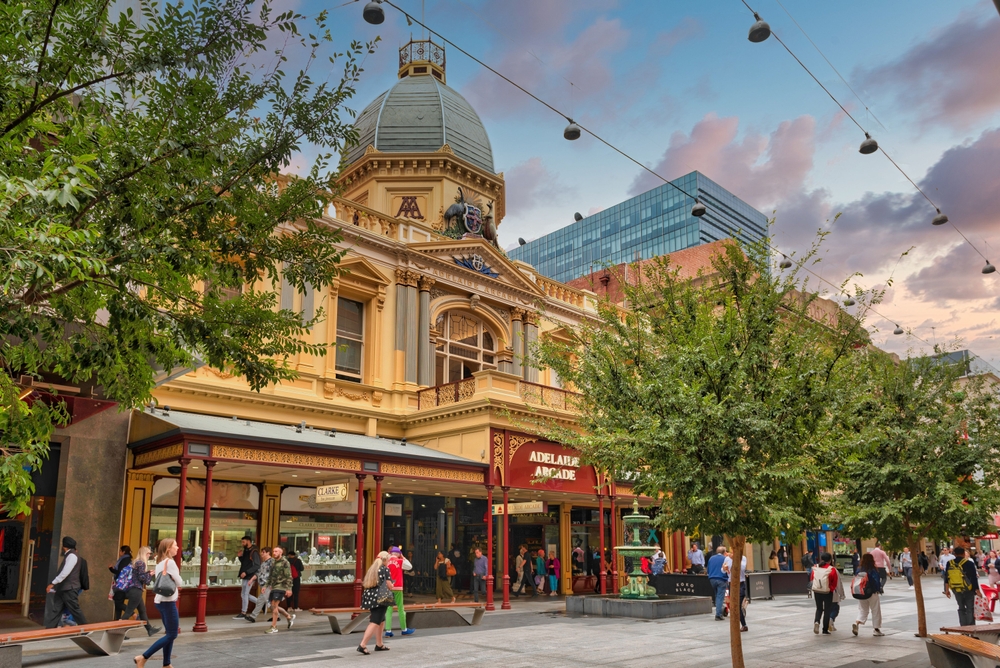
Adelaide
Australia
1.4M people · $2,600/mo
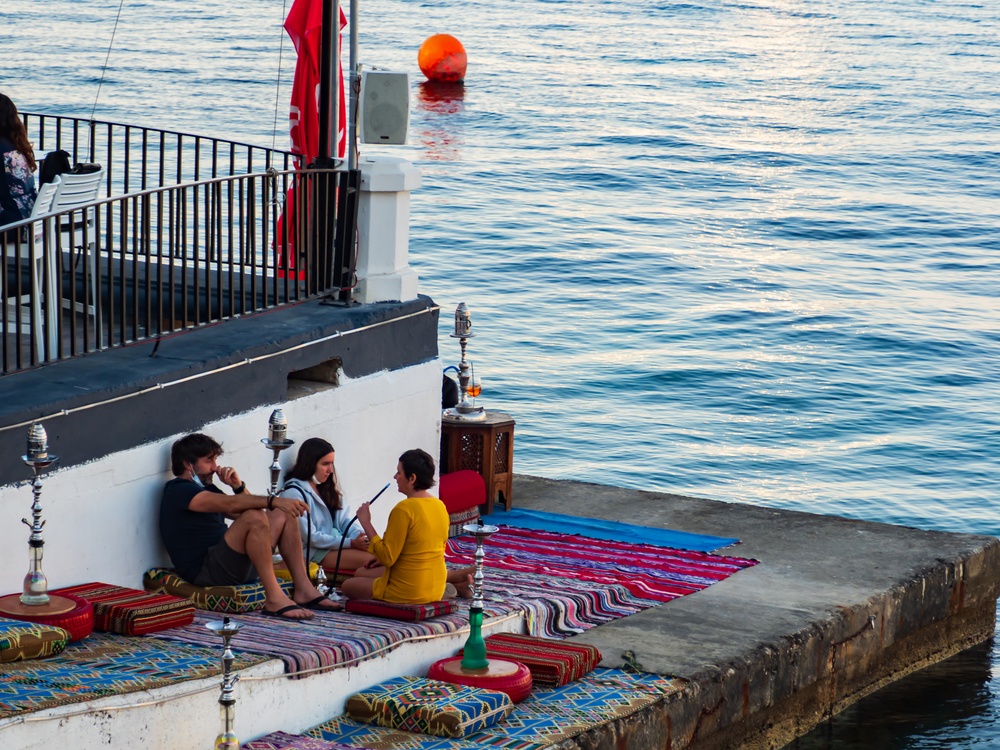 Coming soon
Sliema
Malta
22.7K people · $2,600/mo
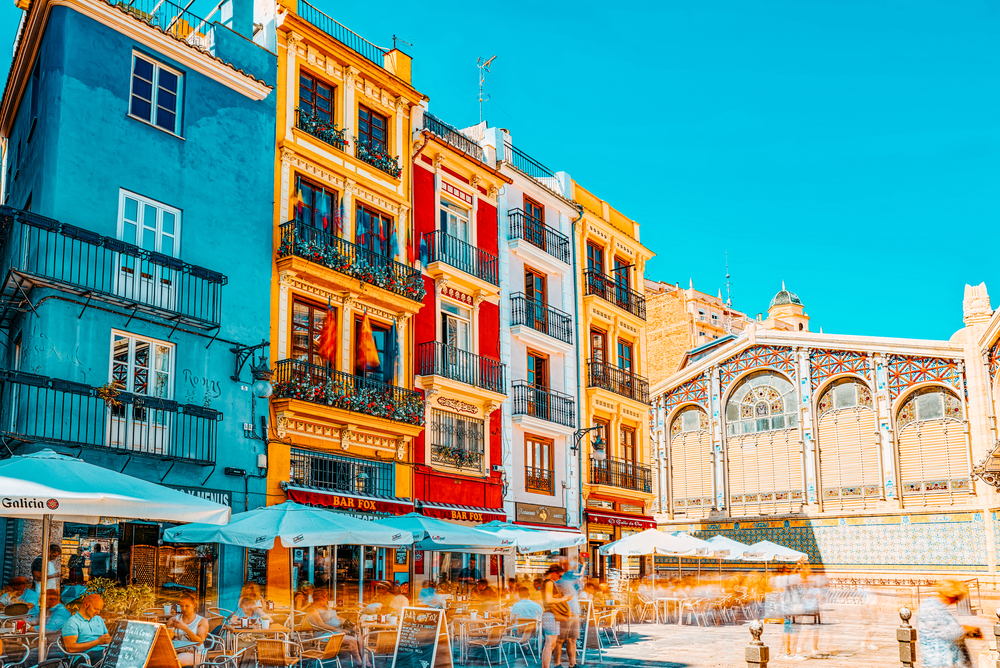
Valencia
Spain
840.8K people · $2,600/mo
Practical notes
What newcomers sort out first
Finding your people: Brisbane doesn't have an American enclave, so most newcomers build a circle the way locals do, through work, sports clubs, neighborhood cafes and their kids' schools. Cassondra Crushman, an Expatsi local guide based in Brisbane, helps new arrivals get their bearings.
Healthcare: Australia's reciprocal health deals with some countries don't extend to Americans, so Medicare won't cover you on a temporary visa. Plan on private coverage until you hold permanent residency. Our Australia healthcare report walks through when Medicare starts and what to buy until then.
Working remotely: Home internet averages about $50 a month. The bigger adjustment is the clock. Queensland doesn't use daylight saving, so Brisbane is 14 to 15 hours ahead of U.S. Eastern time by season, and a 9am New York call lands at 11pm or midnight.
Flood homework: Before you sign a lease or buy, pull Brisbane City Council's FloodWise Property Report for the address. It shows the flood types and likelihood at that property, covering river, creek, overland flow and storm tide flooding.
Limited mobility: Every CityCat is fully accessible, with four spaces for wheelchairs and scooters, though the small cross-river ferries aren't. On trains, wait at the marked assisted boarding point and staff will put out a ramp; wheelchair spaces are in the middle carriage. Brisbane Metro has mobility bays in the first compartment with a ramp request button, and busway stations have lifts and ramps. Train stations vary, so check yours before you choose a neighborhood.
Retirement: Brisbane's warm winters and riverside pace appeal to retirees, but here's the catch: Australia's Investor Retirement visa is closed to new applicants. Unless you qualify through work, family or another route, Brisbane works for long visits rather than a full retirement. Our retirement visa hub compares countries that still offer a route, and the guide to moving to Australia covers the doors that are open. If you're still working, look at the subclass 190 visa, where a state nominates you.
Housing
Renting and buying
- 1-bed rent (center)
- $1,550–$2,250/mo
- 1-bed rent (outside center)
- $1,200–$1,700/mo
- Buy price (center)
- $632/sq ft
- Buy price (outside center)
- $446/sq ft
Expatsi estimates, based on rental listings, government statistics, and local reporting.
Good to know
Frequently asked questions
How much does it cost to live in Brisbane per month?
One person should budget about $3,000 a month in U.S. dollars, with a typical range of $2,500 to $3,500 (2026 estimates). A couple needs about $3,900 and a family of four about $5,800. Rent is the biggest line: a one-bedroom in the center averages $1,900 a month, and about $1,450 outside it.
Can Americans retire in Brisbane?
Not on a retirement visa. Australia's Investor Retirement visa (subclass 405) is closed to new applicants, so Americans can't apply for it. Retirees generally need to qualify through family, work or another visa category, and many choose long visits instead.
Does Medicare cover Americans living in Brisbane?
Not while you're on a temporary visa. Australia's reciprocal health agreements don't include the U.S., so Americans need private health coverage until they become permanent residents and can enroll in Medicare.
Do you need a car in Brisbane?
Not in inner neighborhoods like New Farm and West End, where you can walk and use CityCat ferries, buses and Brisbane Metro. Queensland charges a flat 50-cent fare on its South East Queensland buses, trains, trams and ferries. In the outer suburbs most households own a car.
Is Brisbane cheaper than Sydney?
Yes. A single person's monthly budget in Brisbane runs about $3,000 against about $3,300 in Sydney, and a central one-bedroom rents for about $1,900 versus $2,200. Melbourne comes in slightly lower than Brisbane, at about $2,900 a month for one person.
What is the weather like in Brisbane?
Brisbane is subtropical. January averages highs near 87F and lows near 71F, and February is the wettest month. July is the coolest, with average highs near 72F and lows near 51F. The city gets about 38 inches of rain a year, mostly in the humid summer months of December through March.
Is Brisbane safe for Americans?
Brisbane scores 74 out of 100 on the safety index we track, and 26 on the crime index, where lower is better. The bigger practical risk is weather: some low-lying suburbs flooded badly in 2022, so check a property's flood history with the council's FloodWise Property Report before you rent or buy.
See how Brisbane fits your life
Take the free Expatsi Test and compare Australia to over 100 countries on what actually matters: cost, healthcare, climate, and safety. About five minutes.
Why not you?