The Subclass 500: How Americans Study in Australia
One visa covers every course, from a term of English to a PhD. In 2026 it costs about $1,790, and you have to show roughly $21,200 in savings before anyone reads your application.
Get onto Australia's register of courses for international students, prove you can pay for a year of it, and you can stay as long as the course runs, working 48 hours per fortnight while in session and as much as you like on breaks. The visa is the straightforward part. The money behind it is not. For Americans, the funding rules changed in July 2026.
Student Visa (subclass 500)
For full-time study at an Australian educational institution.
- Government cost
- $710
- Processing time
- ~30 days
- Timeline
- Duration of course
- Difficulty
- Easy
Key requirements
- Enrollment in a CRICOS-registered course
- Sufficient funds
- Health insurance
- English proficiency
- Health and character checks
About that data card
That $710 is what Australia charged until July 2024, sitting in a U.S. dollar column. The charge has been 2,500 Australian dollars since July 2026, or about $1,790. The 30 day figure holds up better: recent medians sit near three to four weeks, though nine in ten higher education files can run five to six months. Plan for months, be happy with weeks.
Step one
You need a school before you need a visa
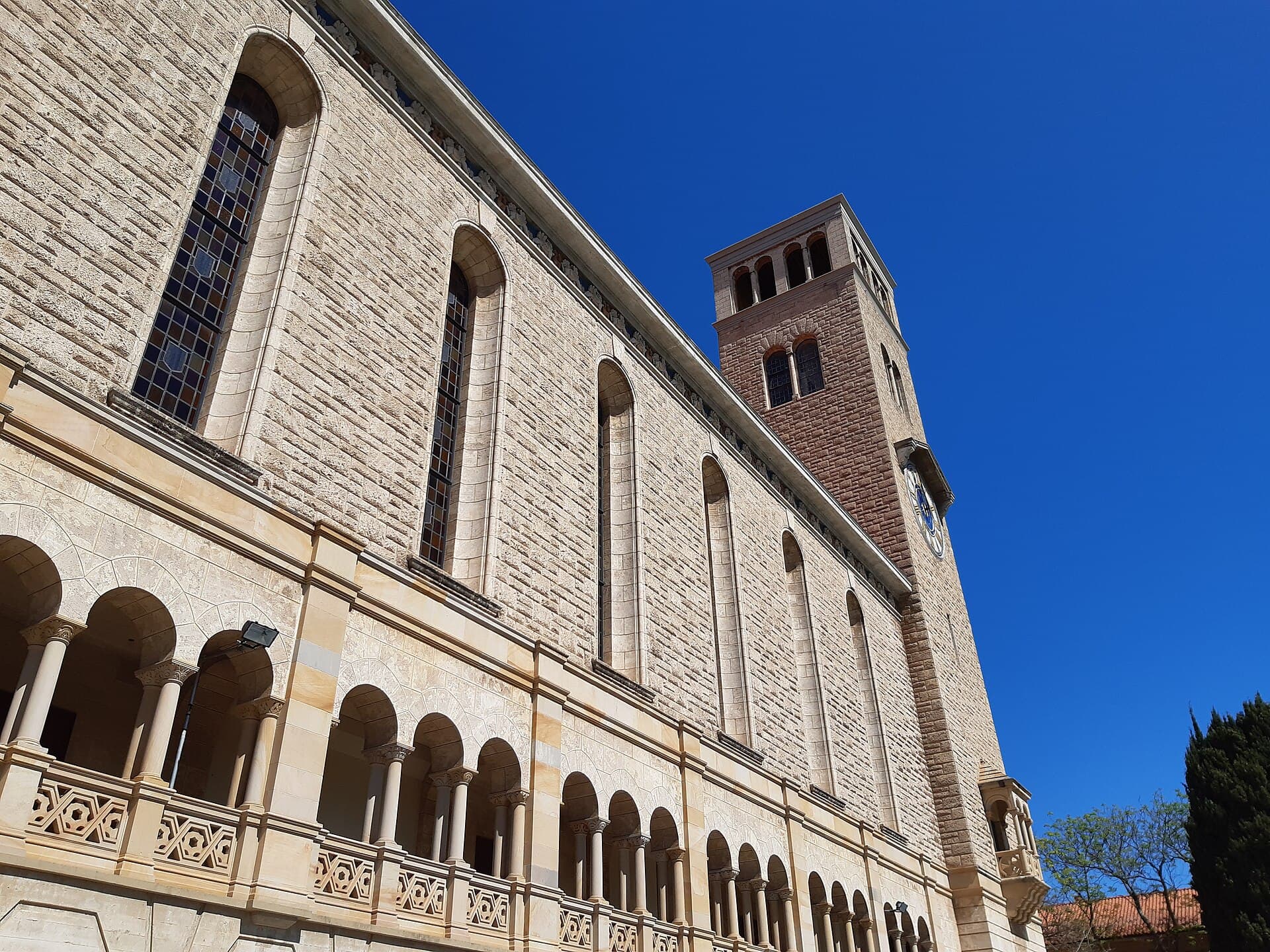
Nothing happens until a provider has accepted you and issued the right piece of paper. Still comparing countries? Our study visa hub lines Australia up against the rest. (Pictured: Winthrop Hall at the University of Western Australia.)
A CoE, not an offer letter
Australia will not accept an application without a Confirmation of Enrolment from a provider listed on CRICOS, the national register of courses approved for international students. The CoE comes after you accept the offer and pay a deposit, so real money leaves your account before the visa does.
The Genuine Student questions
The Genuine Temporary Entrant statement was retired in March 2024. In its place you answer targeted questions inside ImmiAccount about why this course, why Australia, and how it fits the career you already have. Officers read your course choice, your bank balance and your history as one story. Seeking a degree in a field you have never worked in invites scrutiny.
No English test for you
A U.S. passport exempts you from providing an English test result for the visa. That stops at the visa: the university sets its own bar.
What a year of this costs
$1,790
Visa application charge
billed as 2,500 Australian dollars
$21,200
Living costs you must prove
tuition and airfare sit on top
48 hours
Work allowed per fortnight
unlimited on course breaks
$360 to $500
Health cover, per year
a visa condition, not a suggestion
The money
The savings bar is the real test

Australia wants more than the fee. It wants evidence you can cover twelve months of living costs, twelve months of course fees and your travel, before you land.
29,710 Australian dollars, sitting in an account
That is about $21,200, the living cost figure the department has applied since May 2024. It is pegged to 75 percent of the national minimum wage, which tells you how it is meant to be read: enough to live on without working. Course fees go on top, commonly 30,000 to 45,000 Australian dollars a year for a bachelor's degree, or roughly $21,500 to $32,200.
Bring anyone and the number climbs
A partner adds 10,394 Australian dollars, about $7,430. Each dependent child adds 4,449, about $3,180, and a school age child a further 13,502 for schooling, about $9,650, on top.
Money with a history
Officers look for funds that are genuinely available, not a balance that appeared the week before you lodged. A few months of statements is the usual evidence. A second route runs on a parent or partner's income. Sources disagree on the figure, so take that one from the department.
A master's quietly upgrades your partner
Work rights for the family you bring track your course level, not their job. On a bachelor's degree or below, your partner is held to the same 48 hours a fortnight you are. Move up to a master's or a doctorate and that cap lifts. Advisers don't read coursework master's degrees uniformly, so confirm it for your course before you pick one.
The queue
Your university decides how fast your visa moves
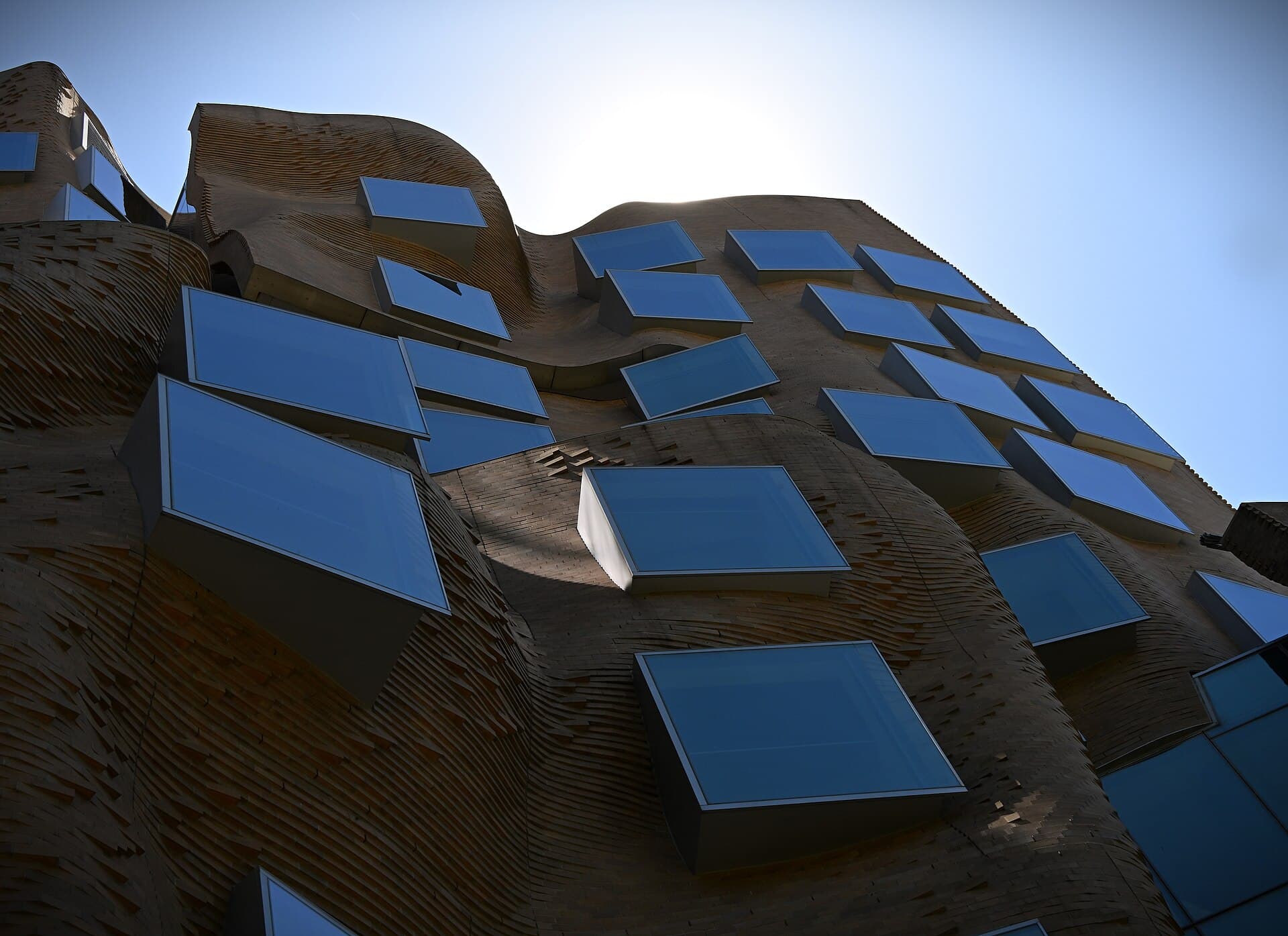
This is the 2026 rule that catches people out, and it has nothing to do with how good your application is. (Pictured: the Dr Chau Chak Wing Building at the University of Technology Sydney.)
Ministerial Direction 115
Since November 2025, applications lodged from outside Australia are sorted by the education provider rather than the applicant. Every provider gets an indicative share of the national planning level, set at 295,000 new international student commencements for 2026. Below 80 percent of its share, your file is Priority 1. Between 80 and 115 percent is Priority 2. Above that, Priority 3.
What the tier buys, and what it does not
It changes speed, not your odds of approval. Reported ranges run one to four weeks before a Priority 1 file is picked up, five to eight for Priority 2, nine to twelve for Priority 3. Your tier locks in the day you lodge, and a popular university can cross a threshold mid year. So apply as soon as your CoE allows, and check where your provider sits before you pay a deposit.
What the 500 actually lets you do
Study anything on CRICOS
Schools, English courses, trades, degrees and research run on this one subclass.
Work 48 hours a fortnight
Counted across every job in session, unlimited on scheduled breaks.
Bring your family
A partner and children can come for the same period, with their own charges and funds.
Come and go
Multiple entries, up to five years on a long course.
Cover you cannot skip
Condition 8501 runs the whole stay. Americans get no Medicare here.
A real next step
A degree opens the 485 graduate visa, with no sponsor and no occupation list.
Here's the catch
The American money for this is being switched off
If you were planning to borrow your way through an Australian degree the way you would through an American one, settle this first. Two things changed at once in 2026:
Washington shrank the loans
Grad PLUS, the federal loan that could cover a graduate student's full cost of attendance, closed to new borrowers in July 2026 and is phased out by 2028. Federal borrowing is now capped at $257,500 over a lifetime, and undergraduate loans top out between $5,500 and $12,500 per year, which does not reach an Australian degree. Pell grants cannot be used at a foreign school.
Australian universities are leaving the program
Monash is withdrawing from the U.S. Federal Direct Loan program in December 2026, moving to deferment only. Murdoch is withdrawing on the same date. The University of Western Australia says students starting after June 2026 cannot fund their full cost of attendance through federal aid.
What to do about it
Ask your school's financial aid office in writing before you accept an offer. The list is moving, and a school that took federal aid when you applied may not by the time you enroll.
Other ways into Australia
Distinguished Talent Visa (subclass 124/858)
- Internationally recognized exceptional achievement
- Nomination by an Australian organization or individual
- Health and character checks
Employer Nomination Scheme Visa (subclass 186)
- Nomination by approved Australian employer
- Relevant skills and qualifications
- Health and character checks
Skilled Independent Visa (subclass 189)
- Occupation on skilled occupation list
- Points test (age, English, qualifications, experience)
- Health and character checks
Skilled State Sponsored Work (subclass 190 )
- Skills assessment in eligible occupation
- State or territory nomination
- Minimum 65 points on points test
Skills in Demand Visa (subclass 482)
- Job offer from approved Australian employer
- Relevant skills and qualifications
- Health and character checks
Temporary Graduate Visa (subclass 485)
- Recent graduate of an Australian institution
- Health and character checks
- English proficiency
Student visa questions Americans ask
Can I work while studying in Australia on a student visa?
Up to 48 hours per fortnight while your course is in session, counted across every job you hold, and unlimited hours during scheduled course breaks. A fortnight is any 14 days starting on a Monday. Students who have started a master's by research or a doctorate have no hour limit. Going over the cap puts the visa at risk.
What can I do after I finish my degree in Australia?
Graduates can apply for the Temporary Graduate visa, subclass 485. For a degree it lets you work full time for any employer, with no sponsor, for two or three years. It has its own bars: 35 or under, lodged within six months of your course completion date, and a much larger fee. It is a separate application, not a renewal.
How much money do I need to show for a subclass 500 student visa?
About $21,200 for twelve months of living costs, a bar Australia sets at 29,710 Australian dollars, plus a year of course fees and your travel. A partner adds about $7,430 and each dependent child $3,180, with a further $9,650 for a school age child's schooling. The money has to look genuinely available, so a few months of bank statements is the usual evidence.
Can I get Medicare as an international student in Australia?
No. Australia's reciprocal health care agreements cover eleven countries and the United States is not one of them, so there is no Medicare on a student visa. You have to hold Overseas Student Health Cover for the whole visa period under condition 8501, which runs about $360 to $500 a year for a single student. Medicare arrives with permanent residency.
How long does a subclass 500 visa take to process?
Recent department medians for the student category have run around three to four weeks, and the higher education benchmark is roughly half of applications inside a month. The tail is longer: nine in ten can take five to six months. Applications from outside Australia are also sorted into three priority tiers by provider, which can move the wait by weeks.
Do Americans need an IELTS score for an Australian student visa?
No. A US passport is one of five that exempt you from providing an English test result for the visa itself. That exemption covers the visa only. The university or college you apply to sets its own entry requirements and can ask for a test result anyway.
How much does an Australian student visa cost in 2026?
About $1,790, which Australia bills as 2,500 Australian dollars, for applications lodged on or after 1 July 2026. It was 2,000 before that. Lower rates apply to standalone English courses and to some ASEAN and Pacific passport holders. The charge is set on the day you lodge and is not refunded if the visa is refused. We priced the Australian dollar at about 71 US cents in mid September 2026, so check the rate before you pay.
Still deciding where to do this degree?
The Expatsi Test matches what you want out of a move against real immigration rules.