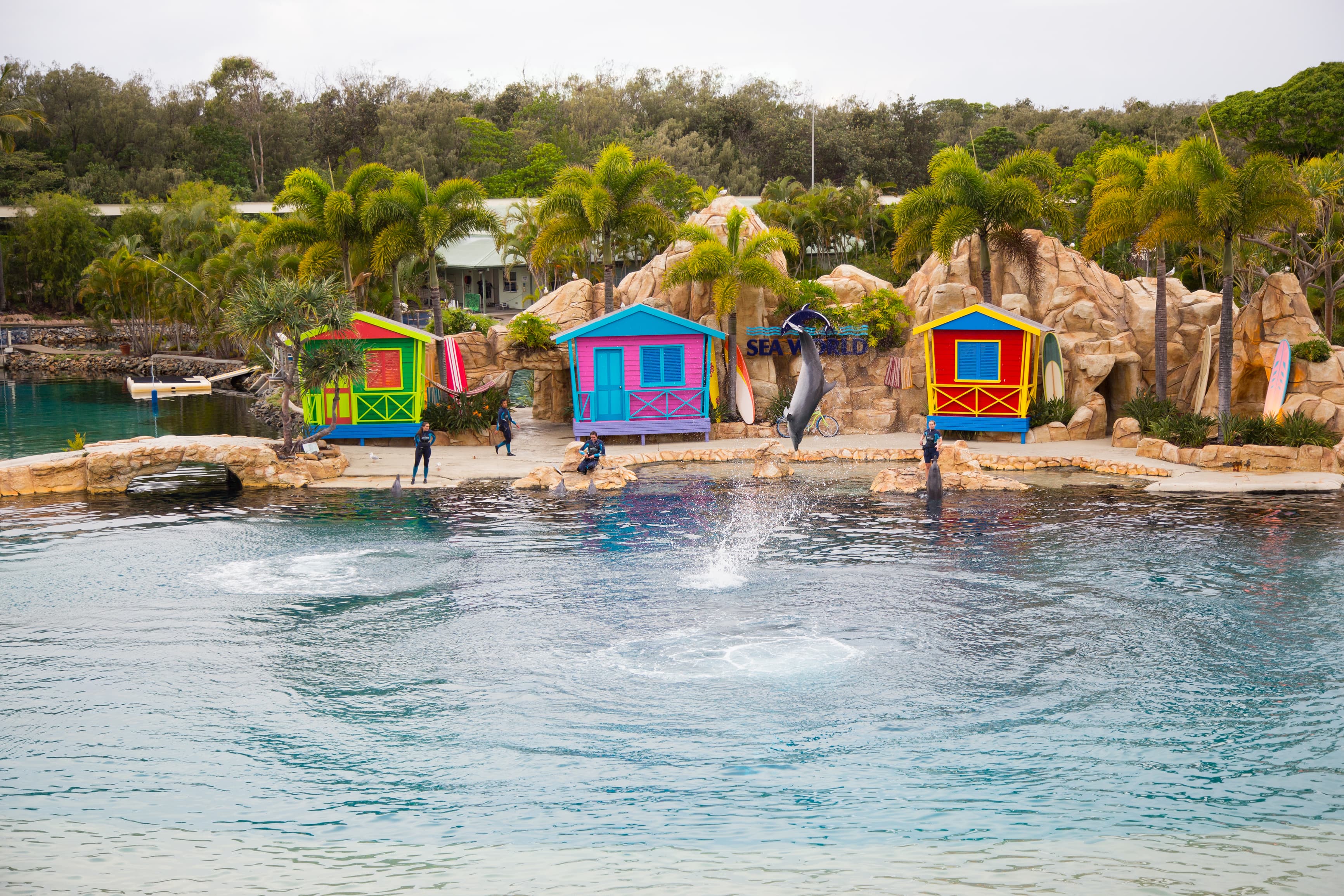
Living on the Gold Coast, Australia
What a move to Queensland's surf coast costs, how safe it is, what the weather does, and how you'd get around.
- 607,665
- Population (2021)
- $2,900/mo
- Monthly budget · single
- 71°F / 21°C
- Avg temperature
A single person on the Gold Coast spends around $2,900 a month in U.S. dollars, and most budgets fall between $2,400 and $3,400 (2026 estimates). A couple lands near $4,000 and a family of four near $5,800. Rent is the biggest line: a one-bedroom near the center averages $1,850 a month, and $1,500 farther out.
Those numbers sit close to Brisbane's, about an hour up the M1. The single budget here is $100 lower, but a one-bedroom outside the center runs $50 more, so the beach no longer comes at a discount.
The Gold Coast suits people who plan their days around the water: families who want a yard and a surf club, remote workers who can handle late calls, and anyone who'd trade big-city culture for a long run of beaches. It's a harder fit if you don't want to drive, since most errands outside the tram corridor mean a car, and if you're hoping to retire on a visa built for retirees, because Australia's is closed to new applicants.

Reviewed and updated October 8, 2026 · 4 min read
At a glance
$2,900
Monthly budget · single person
$1,850/mo 1-bed rent, center
72/100
Safety index
$50
Internet / month
71°Fannual average
Jul 62° · Feb 78°
Climate
607,665
Population (2021)
Expatsi estimates, updated Oct 2026, based on rental listings, government statistics, and local reporting.
Cost of living
What it costs to live in Gold Coast
Single person
$2,400–$3,400/mo
about 5% below Austin, TX
Couple
$3,300–$4,700/mo
about 15% below Austin, TX
Family of four
$4,800–$6,800/mo
about 25% below Austin, TX
Compared with Austin, TX (Expatsi estimate, 2026).
- $16 −20%
- Inexpensive meal
- $1,500–$2,200/mo −5%
- 1-bed rent, center
- $1,250–$1,750/mo +11%
- 1-bed rent, outside
- $50/mo −23%
- Internet
- $15/mo −64%
- Transit pass
- $539/sq ft −17%
- Buy price, center
Expatsi estimates, updated Oct 2026, based on rental listings, government statistics, and local reporting.
Daily life
How Gold Coast lives
- C- grade, 5th percentile among the cities we track
- Dining & cafésmodest
- C grade, 15th percentile among the cities we track
- Arts & culturemodest
- B grade, 43rd percentile among the cities we track
- Parks & outdoorstypical
- C+ grade, 20th percentile among the cities we track
- Schools & educationmodest
- B- grade, 27th percentile among the cities we track
- Healthcare accesstypical
- B grade, 54th percentile among the cities we track
- Bike infrastructuretypical
- B- grade, 33rd percentile among the cities we track
- Public transittypical
- A+ grade, good physical accessibility
- Accessibilitygood
Graded on OpenStreetMap amenity density relative to the 298 cities we track. Accessibility is the exception: it's graded against a fixed standard (terrain steepness and sidewalk surfaces), not a curve.
Climate
Weather through the year
Annual average 71°F (21°C) · 51 in of rain a year · Source: Meteostat station normals (94580, 1991-2020; no sunshine data)
On the ground
Scenes from Gold Coast
Getting around
Transport in Gold Coast
The G:link tram is the backbone. Since August 2026 it runs from Helensvale in the north, past Gold Coast University Hospital, Surfers Paradise and Broadbeach, all the way down to Burleigh Heads, with new stops at Mermaid Beach, Nobby Beach and Miami along the way. On the new southern stretch, trams come every 7.5 minutes between 7am and 7pm.
Fares are a flat 50 cents a ride on South East Queensland's buses, trains, trams and ferries, which is why our transport estimate is only $15 a month. Trains run north to Brisbane, so a commute or a day in the city doesn't require a car either.
So do you need one? If you live a short walk from a tram stop in Broadbeach, Surfers Paradise or now Burleigh, you can get by without it. Most of the city sits away from that strip, though: the suburbs west of the highway and the hinterland were built around driving, and households there almost always own a car, often two.
- 9.6/sq mi
- Transit stops
- 8.8/sq mi
- Bike infrastructure
- 6.6/sq mi
- Wheelchair-accessible places
Mapped features per square mile from OpenStreetMap.
Keep exploring
Places like Gold Coast
Escazú
Costa Rica
12.6K people · $2,400/mo
Limassol
Cyprus
108K people · $2,500/mo
Cascais
Portugal
214.1K people · $2,900/mo
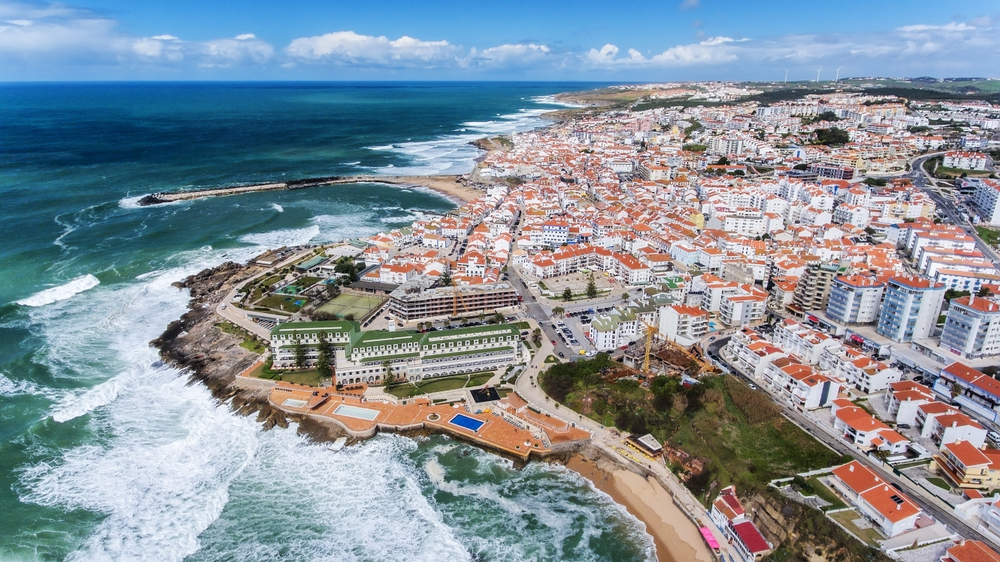
Ericeira
Portugal
12.4K people · $2,600/mo
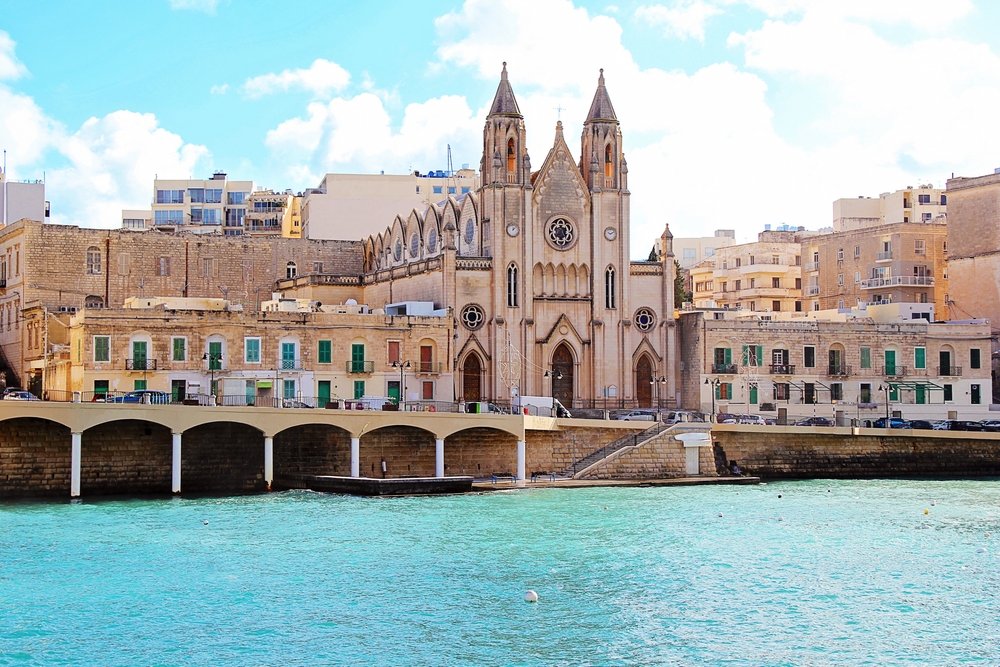 Coming soon
St. Julian's
Malta
15.2K people · $2,600/mo
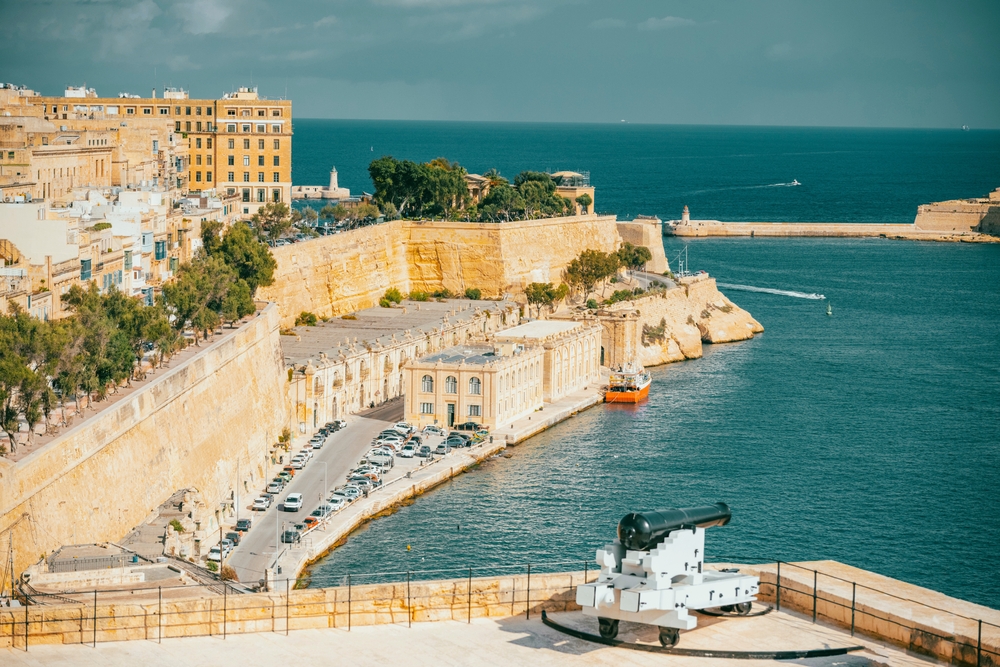 Coming soon
Valletta
Malta
5.2K people · $2,600/mo
Community and practical notes
What to sort out once you land
Making friends: Social life here runs through work, kids' schools, sports clubs and the beach itself. Cassondra Crushman, an Expatsi local guide based an hour north in Brisbane, helps new arrivals in South East Queensland get their bearings, and Working In Australia helps with visas and the move itself.
LGBTQ expats: Australia has recognized same-sex marriage since 2017. Locally, the Gold Coast Pride Collective runs the city's pride events, and its 2026 Fair Day at HOTA, the city's arts precinct, drew thousands of people from across the region.
Black Americans: We couldn't find a group set up specifically for Black Americans on the Gold Coast. The closest organized community is the African Gold Coast Alliance, which runs dance, music, theater and cultural events through the year for people of African background. Check its Facebook page for what's coming up.
Healthcare: Gold Coast University Hospital has its own tram stop, with lifts on both sides of the platform. How much of the public system you can use depends on your visa, and our Australia healthcare report explains Medicare eligibility and what private coverage to carry until you qualify. Hunter Schultz, a healthcare coach, and ExpatInsure, a global health insurance broker, can help you set that up before you go.
Working remotely: Home internet averages about $50 a month. The harder part is the clock. Queensland doesn't use daylight saving, so the Gold Coast is 14 to 15 hours ahead of Eastern, by season, and a 9am New York meeting lands at 11pm or midnight.
Limited mobility: The tram is the easiest way to get around. Trams stop almost level with the platform, every station has ramp access, and each tram has marked spaces for wheelchairs and mobility aids; pressing the blue door button keeps the doors open longer. Away from the tram, sidewalks and bus stops vary by suburb. Look at the street around any rental before you sign.
Retirement: Mild winters, with July highs averaging about 71F, draw plenty of retirees. Here's the catch: Australia's Investor Retirement visa is closed to new applicants. Unless you qualify through work, family or another route, the Gold Coast works for extended visits rather than a full retirement. Our retirement visa hub compares countries that still offer a path, and the guide to moving to Australia covers the doors that are still open.
Housing
Renting and buying
- 1-bed rent (center)
- $1,500–$2,200/mo
- 1-bed rent (outside center)
- $1,250–$1,750/mo
- Buy price (center)
- $539/sq ft
- Buy price (outside center)
- $427/sq ft
Expatsi estimates, based on rental listings, government statistics, and local reporting.
Good to know
Frequently asked questions
Do you need a car on the Gold Coast?
It depends where you live. Since August 2026 the G:link tram runs from Helensvale to Burleigh Heads, and fares across South East Queensland are 50 cents a ride, so people living near the tram can manage without a car. In the suburbs west of the highway and in the hinterland, most households drive.
What's the weather like on the Gold Coast?
Warm and humid in summer, mild in winter. January averages highs near 84F and lows near 71F, while July averages highs near 71F and lows near 53F. February is usually the wettest month and September the driest.
How much is rent on the Gold Coast?
A one-bedroom apartment near the center averages about $1,850 a month in U.S. dollars (2026 estimates), with most listings between $1,500 and $2,200. Outside the center, a one-bedroom averages about $1,500, typically $1,250 to $1,750.
Is the Gold Coast safe?
Yes, by our measures. The Gold Coast scores 72 out of 100 on our safety index (higher is safer), close to Brisbane's 74. As anywhere, check the specific street before you rent, and ask locals which areas they'd avoid at night.
Is the Gold Coast cheaper than Brisbane?
Only slightly. In 2026 estimates, a single person spends about $2,900 a month in U.S. dollars on the Gold Coast versus about $3,000 in Brisbane. A central one-bedroom averages $1,850 versus $1,900, but outside the center the Gold Coast is a little pricier, at $1,500 versus $1,450.
How much does it cost to live on the Gold Coast?
In 2026 estimates, one person spends about $2,900 a month in U.S. dollars on the Gold Coast, with most budgets between $2,400 and $3,400. A couple needs about $4,000 a month and a family of four about $5,800. Rent is the largest expense.
Can Americans retire on the Gold Coast?
Not on a retirement visa. Australia's Investor Retirement visa (subclass 405) is closed to new applicants, and only current or former holders can apply. Americans who want to live on the Gold Coast long term usually need a work, skilled, family or partner visa instead.
See how Gold Coast fits your life
Take the free Expatsi Test and compare Australia to over 100 countries on what actually matters: cost, healthcare, climate, and safety. About five minutes.
Why not you?