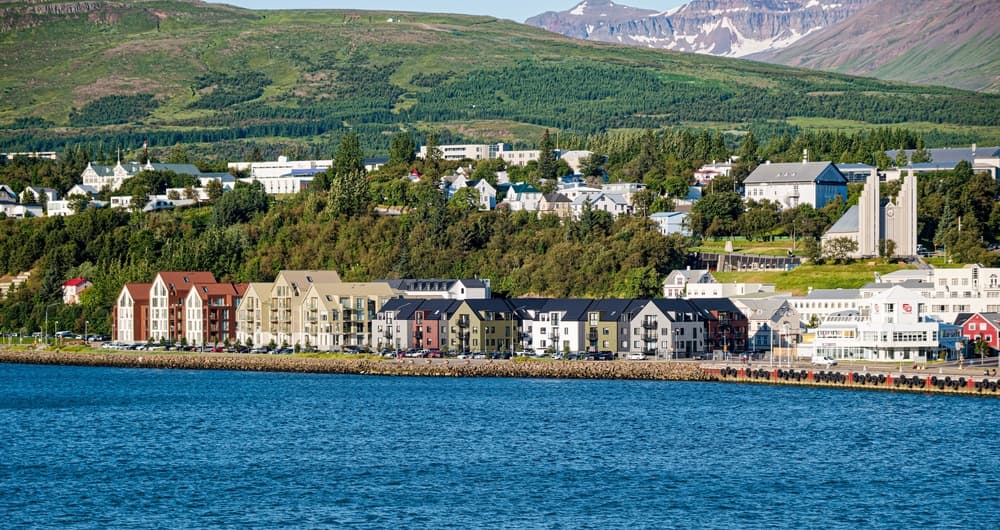
Living in Akureyri: Iceland's northern town, at about $3,200 a month
What it costs to live in North Iceland's main town, how safe it is, how dark the winters get, and whether Americans can retire or move here.
- 20,050
- Population (2025)
- $3,200/mo
- Monthly budget · single
- 40°F / 5°C
- Avg temperature
Plan on roughly $3,200 a month in U.S. dollars for one person in Akureyri, with most single budgets in our 2026 data falling between $2,400 and $4,000. A couple needs about $4,800 and a family of four about $6,900. A one-bedroom near the center rents for about $1,500 a month, or about $1,300 farther out. Compare that with Reykjavík, where one person spends about $3,900 and a central one-bedroom runs about $2,250.
Akureyri is a town of about 20,000 on a fjord in North Iceland. It suits people who want Iceland at a smaller scale: a compact center, a ski area at Hlíðarfjall above town, whale watching on the fjord, and one of the country's two specialty hospitals in town.
The trade-offs are real. In mid-December the sun is up for less than three and a half hours. Housing is limited, so start looking early. And Reykjavík is a 40-minute flight or a drive of four and a half hours or more, which matters because most Iceland permits are tied to a job, a degree program or family.

Reviewed and updated October 14, 2026 · 4 min read
At a glance
$3,200
Monthly budget · single person
$1,500/mo 1-bed rent, center
90/100
Safety index
$60
Internet / month
40°Fannual average
Feb 31° · Jul 53°
Climate
20,050
Population (2025)
Expatsi estimates, updated Oct 2026, based on rental listings, government statistics, and local reporting. Coverage here is thin, so treat these as a rough guide.
Cost of living
What it costs to live in Akureyri
Single person
$2,400–$4,000/mo
about the same as Austin, TX
Couple
$3,600–$6,000/mo
about the same as Austin, TX
Family of four
$5,400–$8,400/mo
about 15% below Austin, TX
Compared with Austin, TX (Expatsi estimate, 2026).
- $24 +20%
- Inexpensive meal
- $1,100–$1,900/mo −23%
- 1-bed rent, center
- $1,000–$1,600/mo −4%
- 1-bed rent, outside
- $60/mo −8%
- Internet
- $455/sq ft −30%
- Buy price, center
Expatsi estimates, updated Oct 2026, based on rental listings, government statistics, and local reporting. Coverage here is thin, so treat these as a rough guide.
Daily life
How Akureyri lives
- C grade, 10th percentile among the cities we track
- Dining & cafésmodest
- B- grade, 38th percentile among the cities we track
- Arts & culturetypical
- C+ grade, 22nd percentile among the cities we track
- Parks & outdoorsmodest
- B- grade, 26th percentile among the cities we track
- Schools & educationtypical
- C grade, 11th percentile among the cities we track
- Healthcare accessmodest
- B- grade, 40th percentile among the cities we track
- Bike infrastructuretypical
- B grade, 42nd percentile among the cities we track
- Public transittypical
- A- grade, good physical accessibility
- Accessibilitygood
Graded on OpenStreetMap amenity density relative to the 369 cities we track. Accessibility is the exception: it's graded against a fixed standard (terrain steepness and sidewalk surfaces), not a curve.
Climate
Weather through the year
Annual average 40°F (5°C) · 22 in of rain a year · Source: Meteostat station normals (04063, 1991-2020)
On the ground
Scenes from Akureyri
Getting around
Transport in Akureyri
Akureyri's city buses are free for everyone, so most car-free residents lean on them. Every route is a loop that starts and ends at the Miðbær stop in the center, and a loop takes about 30 to 50 minutes depending on the route. On weekdays buses run from 6:28 a.m. to 10:55 p.m. Weekend service is much thinner, from 12:18 p.m. to 6:55 p.m., and schedules shift on public holidays. All of the city buses are wheelchair accessible.
The center itself is small enough to walk, and the town has adapted sidewalks for wheelchairs and walkers. Winter is the catch: snow and ice make walking slower from late fall into spring, so build that into your choice of address.
Reykjavík is about 250 miles (400 km) away by road, a drive of four and a half to six hours depending on the season. Flying is quicker. There are several flights a day to Reykjavík's domestic airport year-round, and the trip takes about 40 minutes. If you're flying in from the U.S., you land at Keflavík and have to get yourself across to the domestic airport for the connection. Akureyri's own airport also has a few seasonal routes to Europe, including easyJet from London Gatwick and Manchester in winter and Edelweiss from Zurich in summer.
Do you need a car? For daily life in town, no. For ski days at Hlíðarfjall, trips around the fjord, and anything outside bus hours on weekends, a car makes life much easier, and you'll want winter tires and some patience with northern roads.
- 16/sq mi
- Transit stops
- 2.1/sq mi
- Bike infrastructure
- 4.7/sq mi
- Wheelchair-accessible places
Mapped features per square mile from OpenStreetMap.
Keep exploring
Places like Akureyri
Queenstown
New Zealand
29K people · $3,000/mo
Waterford
Ireland
48.4K people · $2,900/mo
 Coming soon
Reykjavík
Iceland
138.8K people · $3,900/mo
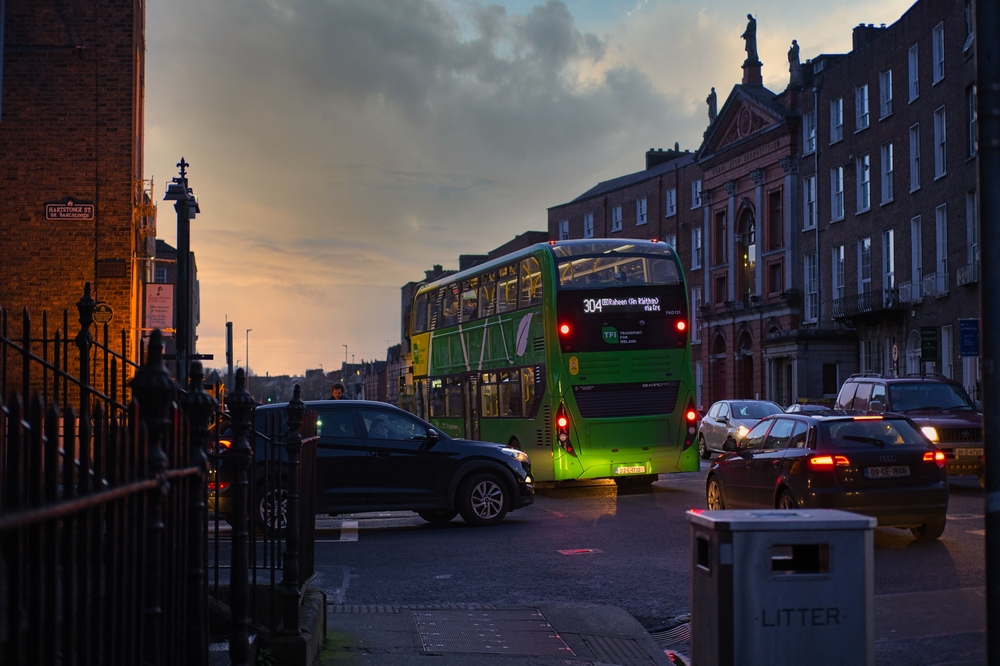
Limerick
Ireland
62.7K people · $3,200/mo
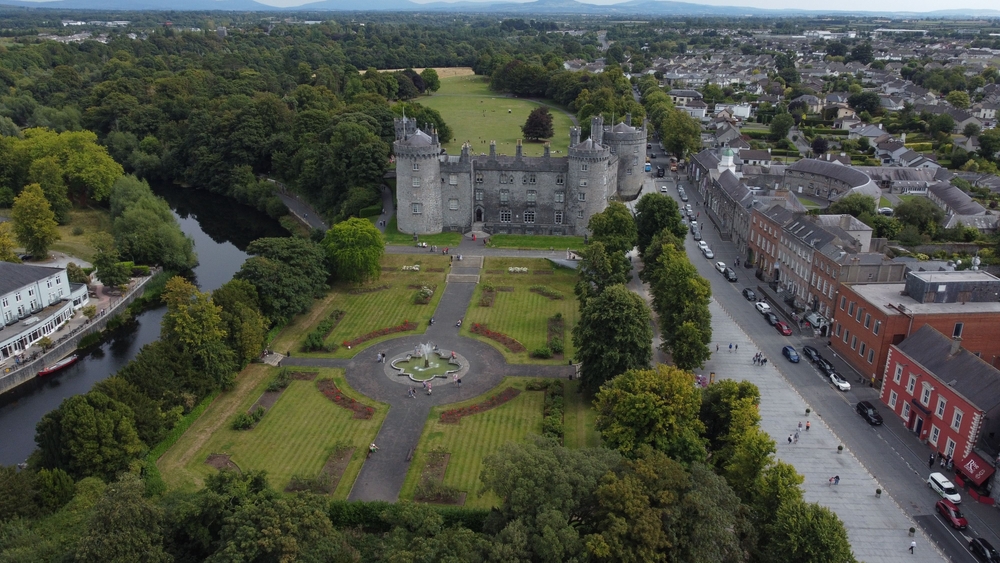
Kilkenny
Ireland
22.2K people · $2,600/mo
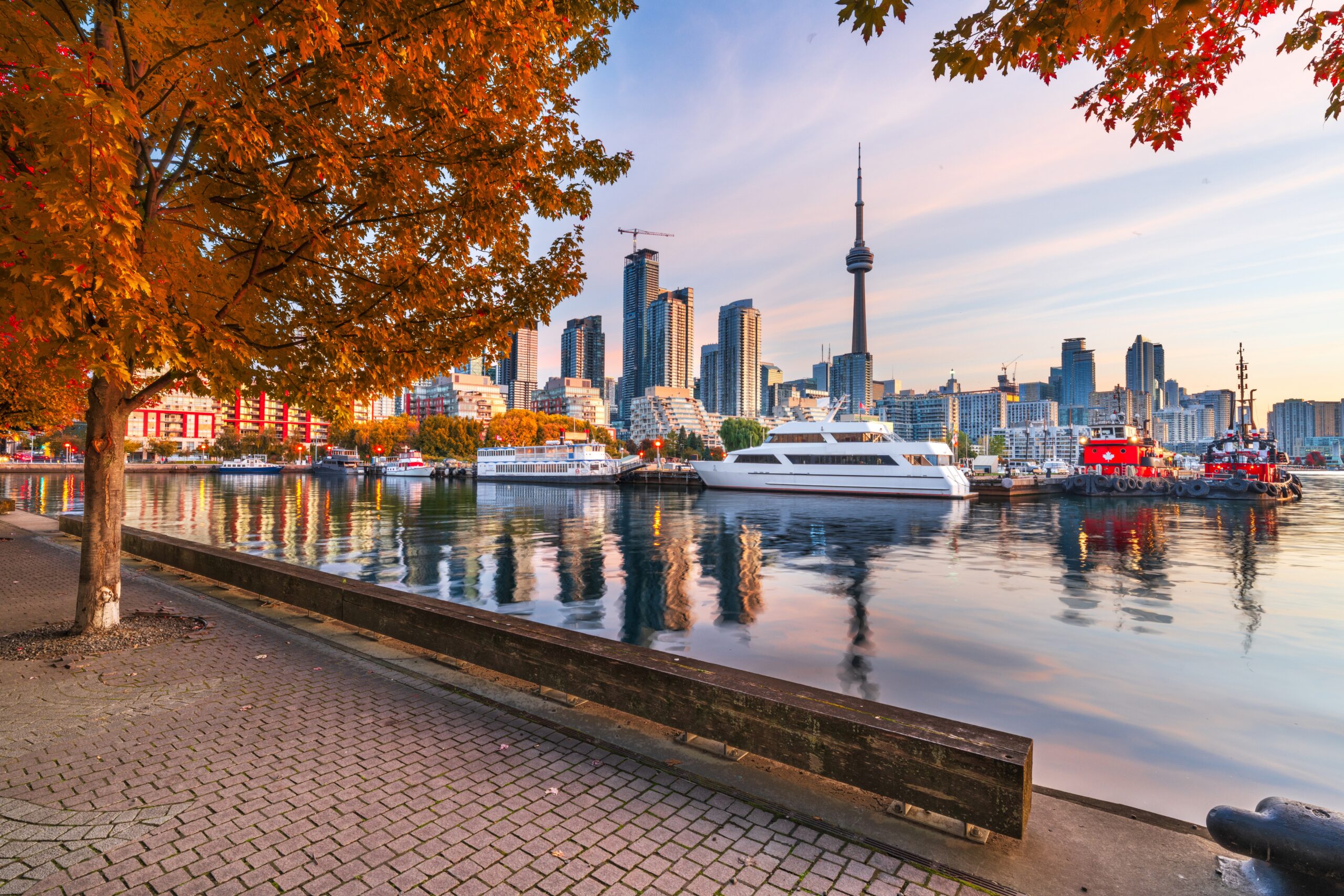
Toronto
Canada
2.8M people · $2,900/mo
Community
Community & practical notes
Who you'll meet: This is an Icelandic town first. In January 2022 about 1,265 residents held a foreign citizenship, and Poles were by far the biggest group, followed by Germans, Latvians and Lithuanians. Don't count on an American expat scene. Most newcomers build a social life through work, Icelandic classes, the ski hill and the swimming pool. English gets you through daily life, but Icelandic is what makes you a local.
LGBTQ expats: North Iceland holds its own Pride festival, Hinsegin hátíð, in June, with events spread across the region and run with the municipalities and Hinsegin Norðurland, the northern LGBTQ+ association. It's a small community in a small town, so expect a close-knit crowd rather than a bar scene.
Black Americans: Akureyri is a small town with a small foreign-born population, and in our research we didn't find a local group or community specifically for Black residents. Expect to stand out, and plan to find community through work, school and online groups, and on trips to Reykjavík. Talking with someone who already lives in North Iceland before you commit is worth the effort.
Healthcare: Akureyri Hospital is one of Iceland's two specialty hospitals, alongside Landspítali in Reykjavík, with an emergency department, intensive care, a maternity ward and a pediatric clinic. It also staffs the physicians for Iceland's air ambulance service. Staffing has been a strain: reports in late 2025 said some patients were sent to Landspítali for lack of specialists. Newcomers from outside Europe also face a wait before public coverage starts, so plan for private insurance first. Our Iceland guide covers that gap.
Limited mobility: Better than you might expect for a northern town, with real limits. The free city buses are all wheelchair accessible and the center has adapted sidewalks. The tourism board's most recent notes said local taxis had no adapted vehicles, and snow and ice make sidewalks harder going for months each year. Check the route from any address to a bus stop before you sign.
Working online: Home internet runs about $60 a month in our data, and the town has good 4G and 5G coverage. If you work for a U.S. employer, Iceland's remote work visa allows a temporary stay, not a permanent move.
Retiring here: Akureyri has the hospital, walkable center and the calm that retirees look for, but Iceland has no retirement visa. Living on Social Security or savings alone won't get you a permit; the main exception is joining an adult child who already lives in Iceland. Read the details in our Iceland guide and compare countries that do welcome retirees in our retirement visa guide.
Housing
Renting and buying
- 1-bed rent (center)
- $1,100–$1,900/mo
- 1-bed rent (outside center)
- $1,000–$1,600/mo
- Buy price (center)
- $455/sq ft
- Buy price (outside center)
- $372/sq ft
Expatsi estimates, based on rental listings, government statistics, and local reporting. Coverage here is thin, so treat these as a rough guide.
Good to know
Frequently asked questions
Do you need a car in Akureyri?
Not for daily life in town. Akureyri's city buses are free, run from early morning to late evening on weekdays, and the center is walkable. Weekend buses only run from about noon to 7 p.m., though, and a car makes ski days, fjord trips and winter errands much easier.
Is it more affordable to live in Akureyri than in Reykjavík?
Yes. In our 2026 data, one person spends about $3,200 a month in Akureyri versus about $3,900 in Reykjavík. Rent makes most of the difference: a central one-bedroom runs about $1,500 in Akureyri and about $2,250 in Reykjavík. The catch is that Akureyri has fewer jobs and fewer rentals to choose from.
What does it cost to live in Akureyri, Iceland?
One person spends about $3,200 a month in Akureyri in our 2026 data, with most single budgets between $2,400 and $4,000. A couple needs about $4,800 a month and a family of four about $6,900. A one-bedroom apartment near the center rents for about $1,500 a month, or about $1,300 outside it, and a simple restaurant meal costs about $24.
How do you get from Akureyri to Reykjavík?
Flying is the fast option. There are several flights a day year-round between Akureyri and Reykjavík's domestic airport, and the flight takes about 40 minutes. Driving is about 250 miles (400 km) and takes four and a half to six hours, longer when winter weather hits the mountain passes.
Can Americans retire in Akureyri?
Not easily. Iceland has no retirement visa, so a pension, Social Security or savings alone won't get you a residence permit. The main exception is for parents who join an adult child already living in Iceland on a qualifying status. Otherwise, Americans can visit visa-free for up to 90 days in any 180.
Is Akureyri safe?
Yes. Akureyri scores 90 out of 100 on the safety index in our 2026 data, with a crime index of 10, slightly safer than Reykjavík's 88. The bigger day-to-day risks are winter ones: icy sidewalks, dark afternoons and mountain roads that can close in storms.
How cold and dark does Akureyri get in winter?
Average highs sit near 37F in December and January, with average lows near 25F, so it's chilly rather than frigid. Darkness is the bigger adjustment: in mid-December the sun is up for less than three and a half hours. Summers flip that, with average highs near 59F in July and very long days.
How do Americans move to Akureyri?
You need a reason Iceland recognizes: a job with an Icelandic employer that qualifies for a work permit, a place in a full-time degree program, or a spouse or close family member already living in Iceland. Remote workers can get a temporary visa, but it isn't a path to staying. Line up the permit first, then look for housing, since rentals in Akureyri are limited.
See how Akureyri fits your life
Take the free Expatsi Test and compare Iceland to over 100 countries on what actually matters: cost, healthcare, climate, and safety. About five minutes.
Why not you?