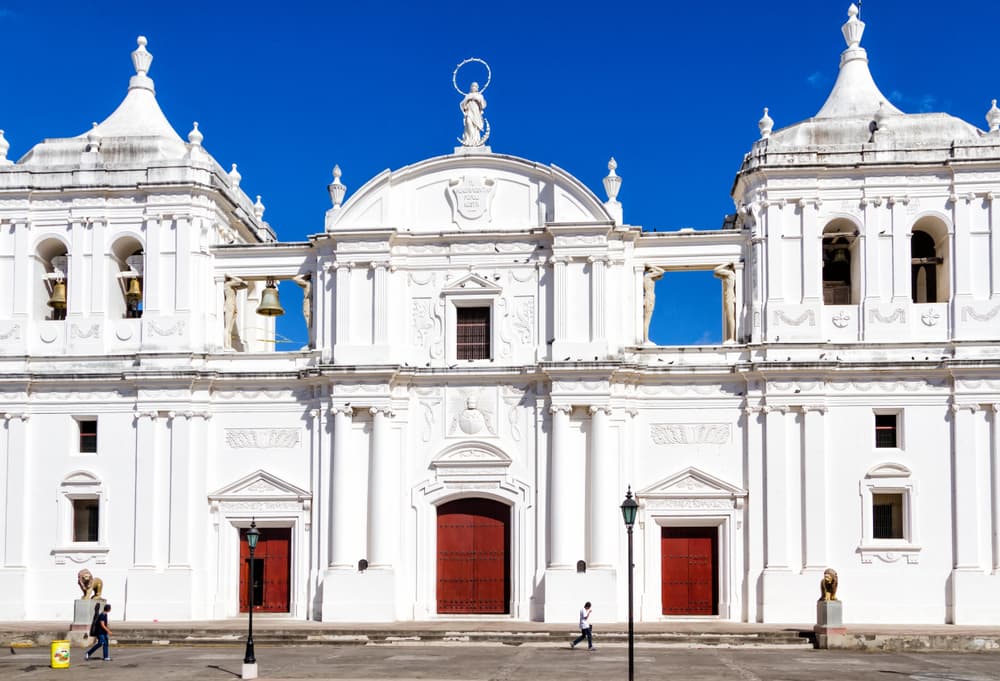
León, Nicaragua: a hot, walkable colonial city on about $1,000 a month
Flat cobbled streets, a whitewashed UNESCO cathedral and the Pacific nearby, plus a Level 3 U.S. travel advisory you'll want to read first.
- 174,051
- Population (2005)
- $1,000/mo
- Monthly budget · single
- 81°F / 27°C
- Avg temperature
Budget about $1,000 a month for one person in León, with most single budgets in our 2026 data landing between $700 and $1,200. A couple spends around $1,500, and a family of four about $2,200. A one-bedroom near the center rents for roughly $350, or about $250 farther out.
León suits people who want an affordable, Spanish-speaking city with a real local rhythm, and who can handle heat. Average highs reach near 94°F in March, and the rainy season brings heavy afternoon showers. The cathedral is a UNESCO World Heritage Site, and you can walk on its white roof. The beach at Las Peñitas makes an easy day out.
The bigger question is Nicaragua itself. The State Department keeps the country at Level 3, Reconsider Travel (last updated June 2026), citing crime, health, wrongful detention and arbitrary enforcement of local laws. Read the full advisory before you plan a move.

Reviewed and updated October 22, 2026 · 4 min read
At a glance
$1,000
Monthly budget · single person
$350/mo 1-bed rent, center
45/100
Safety index
$35
Internet / month
81°Fannual average
Oct 79° · Apr 84°
Climate
174,051
Population (2005)
Expatsi estimates, updated Oct 2026, based on rental listings, government statistics, and local reporting. Coverage here is thin, so treat these as a rough guide.
Cost of living
What it costs to live in León
Single person
$700–$1,200/mo
about 70% below Austin, TX
Couple
$1,100–$1,900/mo
about 65% below Austin, TX
Family of four
$1,700–$2,700/mo
about 70% below Austin, TX
Compared with Austin, TX (Expatsi estimate, 2026).
- $5 −75%
- Inexpensive meal
- $250–$450/mo −82%
- 1-bed rent, center
- $200–$300/mo −81%
- 1-bed rent, outside
- $35/mo −46%
- Internet
- $93/sq ft −86%
- Buy price, center
Expatsi estimates, updated Oct 2026, based on rental listings, government statistics, and local reporting. Coverage here is thin, so treat these as a rough guide.
Daily life
How León lives
- B- grade, 37th percentile among the cities we track
- Dining & caféstypical
- B- grade, 33rd percentile among the cities we track
- Arts & culturetypical
- B- grade, 25th percentile among the cities we track
- Parks & outdoorstypical
- B grade, 43rd percentile among the cities we track
- Schools & educationtypical
- A- grade, 78th percentile among the cities we track
- Healthcare accessstrong
- B- grade, 31st percentile among the cities we track
- Bike infrastructuretypical
- B- grade, 33rd percentile among the cities we track
- Public transittypical
Graded on OpenStreetMap amenity density relative to the 436 cities we track. Accessibility is the exception: it's graded against a fixed standard (terrain steepness and sidewalk surfaces), not a curve.
Climate
Weather through the year
Annual average 81°F (27°C) · 74 in of rain a year · Source: Open-Meteo Historical Weather API (temps: ERA5-Land 0.1°; precip/sunshine: ERA5 best-match; 1991-2020 normals)
On the ground
Scenes from León
Getting around
Transport in León
Most of daily life in León happens on foot. The colonial center is flat, and the market, the central park and the cathedral are within walking distance of each other. Do your walking in the morning or after the afternoon heat breaks, and keep an eye on your bag in markets and bus terminals, where pickpocketing happens.
For anything farther, people take taxis, and pedicabs also work the streets. Confirm the fare before you get in. Most residents don't need a car in town, and the State Department says road travel after dark is hazardous everywhere in Nicaragua, which is one more reason to skip one.
Managua is about two hours away. Public buses to the UCA terminal there cost around $3 but have little room for luggage, so for airport runs most people book a shared shuttle, which costs about $20 and takes about the same time. Note that the State Department doesn't let its own staff ride public buses for safety reasons, which tells you how it views them.
- 7.4/sq mi
- Transit stops
- 0.4/sq mi
- Bike infrastructure
- 0.1/sq mi
- Wheelchair-accessible places
Mapped features per square mile from OpenStreetMap.
Keep exploring
Places like León
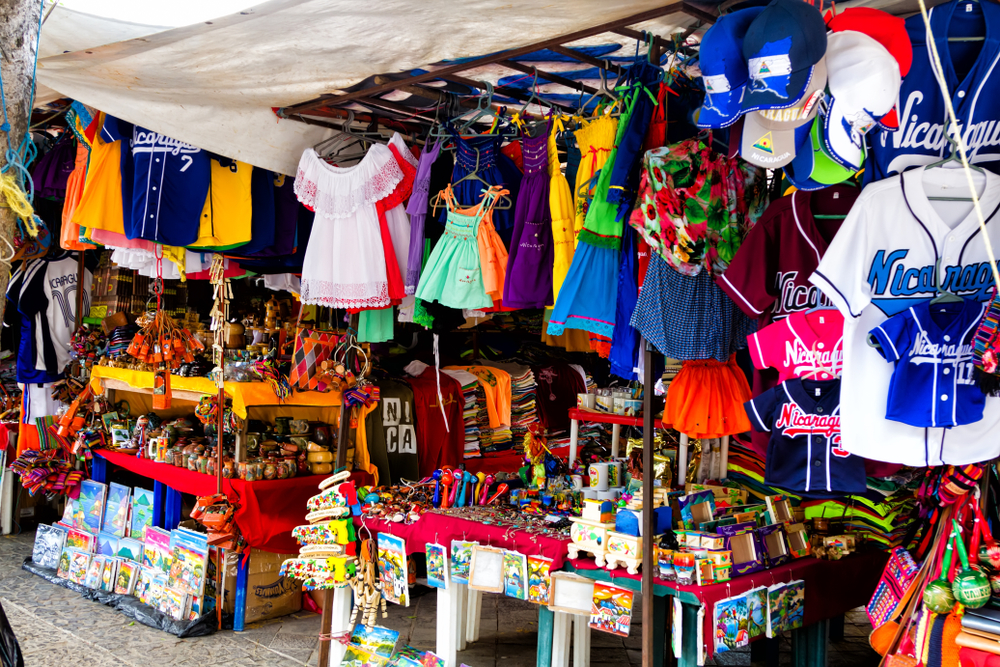
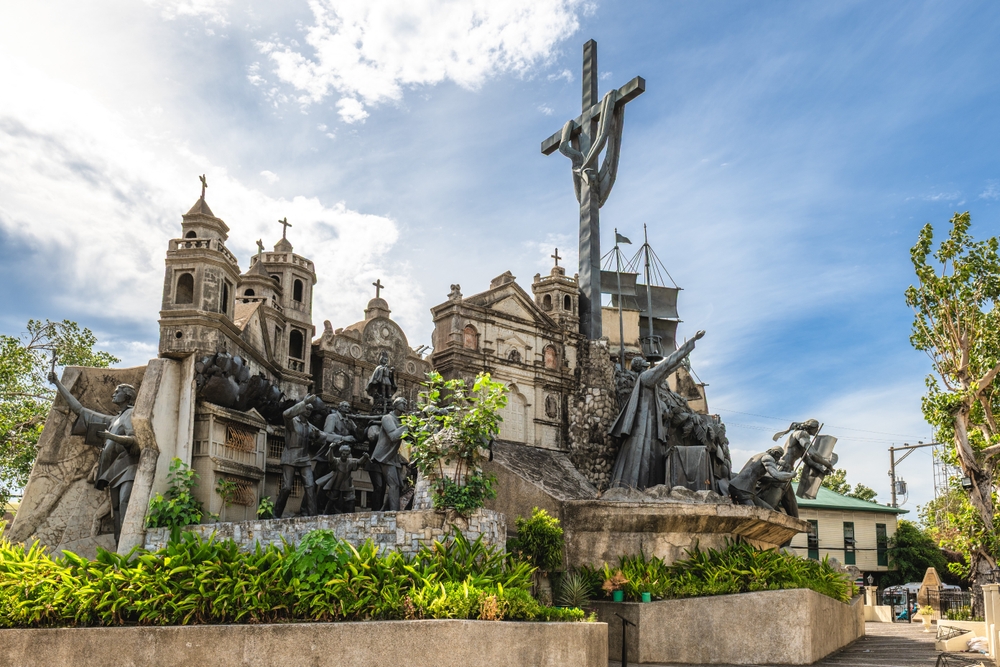
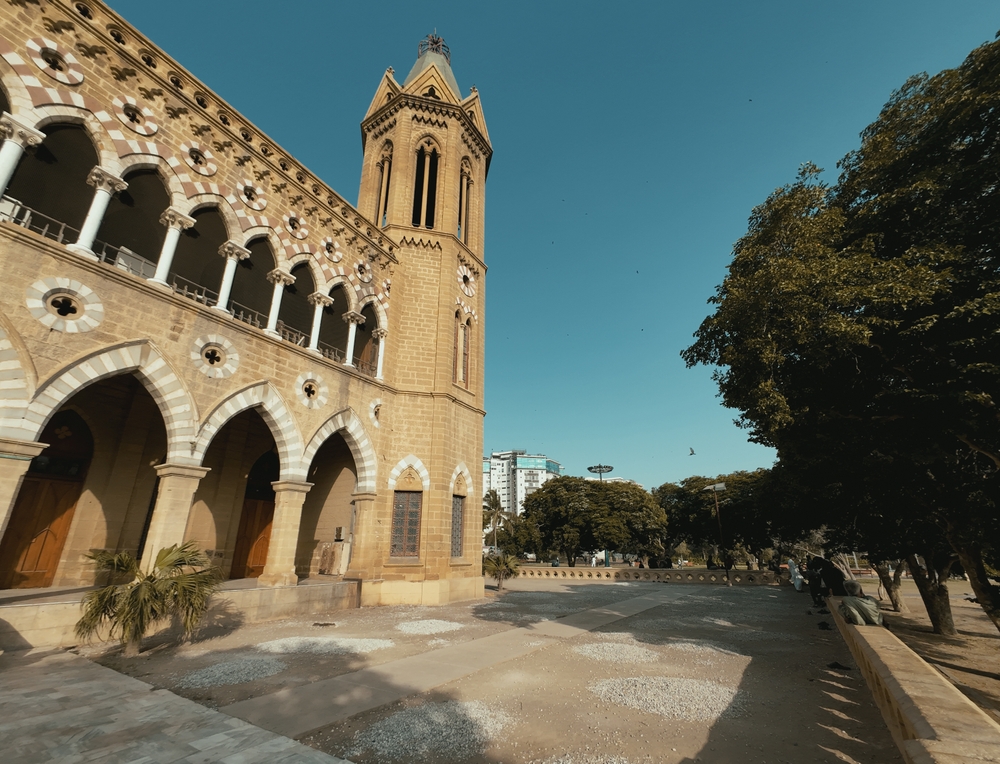
Community & practical notes
Day-to-day León: care, connections and the rules that matter
Who you'll meet: León is a Nicaraguan city first, with a large student population, and few people speak English. Plan on Spanish for your landlord, repairs and paperwork. Classes are the quickest way into local life, and they'll make every other errand easier.
Healthcare: León's main public hospital is the Hospital Escuela Oscar Danilo Rosales, but the State Department says public hospitals are understaffed and short on equipment and specialists, and comprehensive quality care is available only in Managua. Treat local clinics as your routine option and know the route to Managua's private hospitals, such as Hospital Vivian Pellas. Carry coverage that includes medical evacuation: the State Department warns evacuations are expensive and often not covered.
Working remotely: Home internet runs about $35 a month in our data. A battery backup and a mobile hotspot are worth having for calls you can't miss.
Politics and the law: Keep your opinions about Nicaraguan politics to yourself, online and off. The State Department says unauthorized political activity can lead to detention or expulsion. In January 2026, Nicaragua changed its constitution to prohibit dual nationality; foreigners can naturalize only after renouncing their original citizenship. For Americans, that rules out Nicaraguan citizenship as a long-term goal unless you're ready to give up your U.S. passport. Most people find that permanent residence suits their needs just fine.
Limited mobility: The flat center helps, but the State Department notes limited or no accessibility assistance on public transportation and in many public areas. A taxi driver you trust is the practical option, so test the walk from any rental before you sign.
LGBTQ expats: Nicaragua has no legal restrictions on same-sex relations. The State Department says violence against LGB travelers is uncommon but discrimination is widespread, so many people keep a lower public profile than they would at home.
Black Americans: We haven't found a reliable, recent account specific to León. Before you commit, talk with Black Americans already living in Nicaragua, and spend a few weeks here on a trial stay to judge daily life for yourself.
Retiring here: León's walkable center and modest costs appeal to retirees comfortable with heat and Spanish, though the distance from Managua's best hospitals matters more as you age. Our Nicaragua pensionado and rentista guide covers the residence rules, our retirement visa guide compares other countries, and our Nicaragua moving guide covers taxes, healthcare and safety in depth.
Housing
Renting and buying
- 1-bed rent (center)
- $250–$450/mo
- 1-bed rent (outside center)
- $200–$300/mo
- Buy price (center)
- $93/sq ft
- Buy price (outside center)
- $65/sq ft
Expatsi estimates, based on rental listings, government statistics, and local reporting. Coverage here is thin, so treat these as a rough guide.
Good to know
Frequently asked questions
What is healthcare like in León, Nicaragua?
León has a public teaching hospital and local clinics for routine care, but the State Department says public hospitals lack staff, equipment and specialists, and comprehensive quality care is available only in Managua. Get health coverage that includes medical evacuation.
Can Americans become Nicaraguan citizens and keep U.S. citizenship?
No. Nicaragua changed its constitution in January 2026 to prohibit dual nationality, and foreigners can naturalize only after renouncing their original citizenship.
How hot is León, Nicaragua?
Hot all year. Average highs reach near 94°F in March, the hottest month, and stay in the mid-80s even in October, the coolest. The dry season runs from about December through April; the rainy months bring heavy afternoon showers.
Is León, Nicaragua safe for Americans?
It depends on the risks you'll accept. The U.S. State Department rates Nicaragua Level 3, Reconsider Travel, citing crime, health, wrongful detention and arbitrary enforcement of local laws. Day to day in León, petty theft in markets and bus terminals is the more common problem. Stay out of politics, avoid demonstrations, and don't travel by road after dark.
Do you need a car to live in León?
No. The colonial center is flat and walkable, and taxis and pedicabs cover longer trips. Buses and shared shuttles connect León to Managua in about two hours, and the State Department warns that road travel after dark is hazardous everywhere in Nicaragua.
How far is León from Managua?
About two hours by road. Public buses to Managua's UCA terminal cost around $3, and shared shuttles cost about $20 and are the easier choice with luggage.
What is the cost of living in León, Nicaragua?
One person can live in León on about $1,000 a month, based on Expatsi's 2026 estimates, with most single budgets between $700 and $1,200. Rent for a one-bedroom near the center runs around $350 a month.
Can I retire in León, Nicaragua?
Yes. Nicaragua offers pensionado residence for retirees with a pension and rentista residence for people with other steady income. León appeals to retirees who are fine with heat and Spanish, but comprehensive quality healthcare is available only in Managua, about two hours away, so plan your coverage around that.
See how León fits your life
Take the free Expatsi Test and compare Nicaragua with other countries on what matters most: cost, healthcare, climate, and safety.
Why not you?