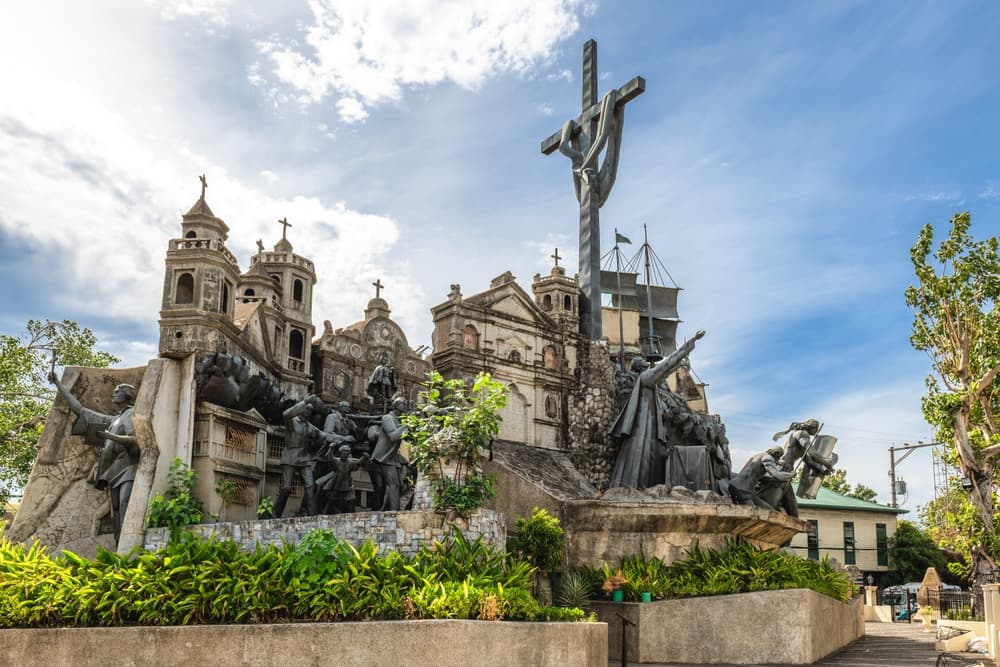
Living in Cebu City: an island hub for about $1,000 a month
What Cebu City costs, how safe it is, how people get around, and whether it works for retiring or remote work.
- 965,332
- Population (2024)
- $1,000/mo
- Monthly budget · single
- 83°F / 28°C
- Avg temperature
Plan on about $1,000 a month in U.S. dollars for one person in Cebu City, around $1,400 for a couple, and about $2,400 for a family of four. A one-bedroom in the center rents for about $500, or about $350 farther out, and home internet is about $25 a month.
Cebu City is the business center of the Visayas, and it lives like one: malls, office towers, and coworking around Cebu IT Park, with Mactan-Cebu airport across the channel for flights around Asia. It suits remote workers and retirees with a U.S. income who want a full-size city with beaches and dive sites a short ride away, rather than a beach town.
It's a harder fit if you want quiet streets or easy walking. Traffic is heavy at rush hour, sidewalks are often blocked, and it's hot all year, with average highs from about 85 F in January to about 91 F in May. Typhoons are part of the calendar, and the city has fewer specialist hospitals than Manila.

Reviewed and updated October 22, 2026 · 4 min read
At a glance
$1,000
Monthly budget · single person
$500/mo 1-bed rent, center
48/100
Safety index
$25
Internet / month
83°Fannual average
Jan 80° · May 85°
Climate
965,332
Population (2024)
Expatsi estimates, updated Oct 2026, based on rental listings, government statistics, and local reporting.
Cost of living
What it costs to live in Cebu City
Single person
$800–$1,100/mo
about 70% below Austin, TX
Couple
$1,200–$1,700/mo
about 70% below Austin, TX
Family of four
$1,900–$2,900/mo
about 70% below Austin, TX
Compared with Austin, TX (Expatsi estimate, 2026).
- $4 −80%
- Inexpensive meal
- $400–$550/mo −74%
- 1-bed rent, center
- $250–$400/mo −74%
- 1-bed rent, outside
- $25/mo −62%
- Internet
- $223/sq ft −66%
- Buy price, center
Expatsi estimates, updated Oct 2026, based on rental listings, government statistics, and local reporting.
Daily life
How Cebu City lives
- B grade, 44th percentile among the cities we track
- Dining & caféstypical
- B grade, 47th percentile among the cities we track
- Arts & culturetypical
- B grade, 40th percentile among the cities we track
- Parks & outdoorstypical
- B grade, 49th percentile among the cities we track
- Schools & educationtypical
- B+ grade, 67th percentile among the cities we track
- Healthcare accessstrong
- B+ grade, 55th percentile among the cities we track
- Bike infrastructurestrong
- B+ grade, 67th percentile among the cities we track
- Public transitstrong
- A+ grade, good physical accessibility
- Accessibilitygood
Graded on OpenStreetMap amenity density relative to the 436 cities we track. Accessibility is the exception: it's graded against a fixed standard (terrain steepness and sidewalk surfaces), not a curve.
Climate
Weather through the year
Annual average 83°F (28°C) · 66 in of rain a year · Source: Meteostat station normals (98646, 1991-2020; no sunshine data)
On the ground
Scenes from Cebu City
Getting around
Transport in Cebu City
Most newcomers get around on Grab, taxis, and the occasional jeepney. Grab is the most widely used ride-hailing app in Cebu, and its fares are set before you get in, which takes the haggling out of it. Metered taxis are easy to flag down. Jeepneys and the newer e-jeeps are how much of the city commutes: crowded, slow, and very low cost.
MyBus runs air-conditioned routes linking the big malls with the airport on Mactan Island, and Angkas motorcycle taxis are the quick way through traffic on short trips.
The Cebu Bus Rapid Transit started partial service in March 2026, on dedicated lanes along N. Bacalso Avenue and Osmeña Boulevard, running between the South Road Properties area and IT Park. Parts of the route still share the road with regular traffic and the full system isn't finished, so check the current service before you pick an apartment around it.
Rush hour runs roughly 7 to 9 a.m. and 5 to 8 p.m., and it's slow going. Driving here takes experience, and downtown parking is limited. A car earns its keep on weekend trips around the island; for life inside the city, living close to work, a mall, and a hospital does more for you than a car.
- 36/sq mi
- Transit stops
- 7.0/sq mi
- Bike infrastructure
- 5.4/sq mi
- Wheelchair-accessible places
Mapped features per square mile from OpenStreetMap.
Keep exploring
Places like Cebu City
Community
Community & practical notes
The expat scene: Foreigners in Cebu City tend to settle in a few districts. Cebu IT Park and Lahug draw remote workers with newer condos, cafes, and coworking. Cebu Business Park, around Ayala Center Cebu, is the polished, central option. Banilad is one of the city's established residential areas, and Talamban, just north of it, is quieter and greener. Mactan Island, across the channel, is a separate city with a slower beach lifestyle, closer to the airport.
Healthcare: Chong Hua Hospital, Cebu Doctors' University Hospital, and Vicente Sotto Memorial Medical Center are the big hospitals expats name, and common prescriptions are easy to fill, often as lower-cost generics. Expect lines at clinics and book appointments ahead. Medicare doesn't cover care outside the U.S., so line up international or local health coverage before you move.
Getting online: Cebu IT Park is where the city's outsourcing offices concentrate, and international coworking operators, including Spaces and Regus, run centers in Lahug. Remote workers can find a desk without much hunting.
LGBTQ expats: Cebu City signed an ordinance in August 2022 that penalizes discrimination and hate crimes based on sexual orientation, with jail time and fines, and created a city council to run programs for the community. It's a city ordinance, so protections stop at the city line.
Black Americans: We couldn't find reporting on what daily life is like for Black Americans in Cebu City specifically, and the community here is small. Before you commit, talk with Black expats already living in the Philippines through online groups. Also, be sure to spend a few weeks in the city first.
Limited mobility: Hard going on foot. Local reporting in 2026 described sidewalks on main roads like Colon Street, Osmeña Boulevard, and N. Bacalso Avenue as narrow and often blocked by parked motorcycles, vendors, or construction, pushing people into the street. Living inside a self-contained district like IT Park or Cebu Business Park and getting around by Grab keeps the problem smaller. The street-level mapping behind the accessibility grade above is thin, so treat it as a rough signal.
Retiring here: Cebu fits retirees who want a city with hospitals and malls rather than a sleepy beach town. The Special Resident Retiree's Visa (SRRV), run by the Philippine Retirement Authority, is the country's dedicated retiree visa; its August 2025 guidelines set the minimum age at 40 and require you to stay in the Philippines while your application is processed. Get the details on our SRRV Classic page, compare programs at retirement visa options, and see the whole country picture in our Philippines guide.
Housing
Renting and buying
- 1-bed rent (center)
- $400–$550/mo
- 1-bed rent (outside center)
- $250–$400/mo
- Buy price (center)
- $223/sq ft
- Buy price (outside center)
- $130/sq ft
Expatsi estimates, based on rental listings, government statistics, and local reporting.
Good to know
Frequently asked questions
Is Cebu City safe for Americans?
Cebu City has a safety index of 48 and a crime index of 52 in our data, which puts it roughly in the middle. The daily hazards newcomers notice first are traffic and pedestrian safety: sidewalks on main roads are often narrow or blocked, and walking along busy roads is riskiest at night and in bad weather. Typhoons also hit the region, so pick a sturdy building and keep an emergency kit.
Can Americans retire in Cebu City?
Yes. The Philippines' Special Resident Retiree's Visa (SRRV), run by the Philippine Retirement Authority, lets retirees live in the country long term. Its August 2025 guidelines set the minimum age at 40 and require you to stay in the Philippines while the application is processed. Deposit and fee amounts change, so confirm the current figures with the Philippine Retirement Authority before you apply.
Do you need a car in Cebu City?
No. Most daily trips work on Grab, metered taxis, jeepneys, MyBus, and Angkas motorcycle taxis, and the Cebu Bus Rapid Transit began partial service between the South Road Properties area and IT Park in March 2026. Traffic is heavy from roughly 7 to 9 a.m. and 5 to 8 p.m., and downtown parking is limited, so a car mainly helps for trips outside the city.
How much does it cost to live in Cebu City?
Budget about $1,000 a month in U.S. dollars for one person, about $1,400 for a couple, and about $2,400 for a family of four. Rent is the biggest variable: a one-bedroom in the center runs about $500 a month, and about $350 outside it. Single-person budgets in our data range from about $800 to $1,100 a month depending on lifestyle.
Where do expats live in Cebu City?
The main picks are Cebu IT Park and Lahug for newer condos and coworking, Cebu Business Park around Ayala Center Cebu for a central, polished base, and Banilad and Talamban for quieter residential streets. Mactan Island, a separate city across the channel, suits people who want a beach lifestyle near the airport.
What is the weather like in Cebu City?
Hot and humid all year. Average highs run from about 85 F in January to about 91 F in May, and average lows stay between about 75 F and 79 F. The city gets about 66 inches (1,682 mm) of rain a year, with March and April the driest months and June through October the wettest. Typhoons are a seasonal risk.
Is Cebu City good for remote workers?
Yes, for most remote workers. Home internet runs about $25 a month, Cebu IT Park is the center of the city's outsourcing industry, and coworking operators including Spaces and Regus have centers in Lahug. IT Park and Lahug are also popular places for remote workers to rent.
See how Cebu City fits your life
Take the free Expatsi Test and compare Philippines to over 100 countries on what actually matters: cost, healthcare, climate, and safety. About five minutes.
Why not you?