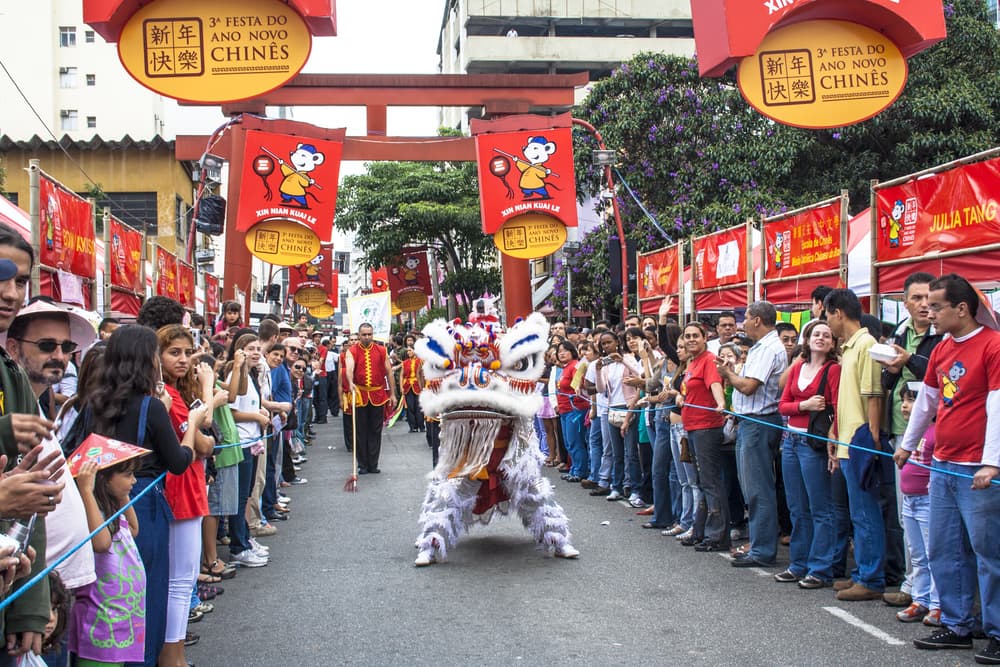
São Paulo: Brazil's working megacity, from Pinheiros to Paulista
What living in São Paulo costs, how safe it is, getting around without a car, and whether retiring here makes sense for Americans.
- 11,451,999
- Population (2022)
- $1,700/mo
- Monthly budget · single
- 71°F / 21°C
- Avg temperature
Plan on about $1,700 a month in U.S. dollars to live alone in São Paulo, with most single budgets landing between $1,400 and $2,000 (2026 figures). A couple spends around $2,500, and a family of four about $3,700. A one-bedroom near the center rents for roughly $800, or closer to $550 farther out.
This is Brazil's business capital, a city of about 11.5 million that runs on work, restaurants and international flights. It fits remote workers, people with a job or company in Brazil, and anyone who'd trade a beach for top-ranked hospitals and a deep food scene. Pinheiros and Jardins are where most newcomers start, and daily life happens in Portuguese.
The trade-offs are real. Traffic is heavy, the sky is gray more often than the postcards suggest, and our safety index puts São Paulo at 38 out of 100. People who settle in well pick their neighborhood with care, keep their phone out of sight on the street, and plan around the risk of robbery.

Reviewed and updated October 9, 2026 · 4 min read
At a glance
$1,700
Monthly budget · single person
$800/mo 1-bed rent, center
38/100
Safety index
$15
Internet / month
71°Fannual average
Jul 64° · Feb 76°
Climate
11,451,999
Population (2022)
Expatsi estimates, updated Oct 2026, based on rental listings, government statistics, and local reporting.
Cost of living
What it costs to live in São Paulo
Single person
$1,400–$2,000/mo
about 45% below Austin, TX
Couple
$2,000–$3,000/mo
about 45% below Austin, TX
Family of four
$3,000–$4,400/mo
about 55% below Austin, TX
Compared with Austin, TX (Expatsi estimate, 2026).
- $7 −65%
- Inexpensive meal
- $650–$950/mo −59%
- 1-bed rent, center
- $450–$650/mo −59%
- 1-bed rent, outside
- $15/mo −77%
- Internet
- $45/mo +9%
- Transit pass
- $279/sq ft −57%
- Buy price, center
Expatsi estimates, updated Oct 2026, based on rental listings, government statistics, and local reporting.
Daily life
How São Paulo lives
- A- grade, 74th percentile among the cities we track
- Dining & cafésstrong
- A- grade, 84th percentile among the cities we track
- Arts & culturestrong
- A- grade, 71st percentile among the cities we track
- Parks & outdoorsstrong
- B grade, 50th percentile among the cities we track
- Schools & educationtypical
- A- grade, 79th percentile among the cities we track
- Healthcare accessstrong
- B+ grade, 60th percentile among the cities we track
- Bike infrastructurestrong
- A grade, 92nd percentile among the cities we track
- Public transitstandout
- A+ grade, good physical accessibility
- Accessibilitygood
Graded on OpenStreetMap amenity density relative to the 298 cities we track. Accessibility is the exception: it's graded against a fixed standard (terrain steepness and sidewalk surfaces), not a curve.
Climate
Weather through the year
Annual average 71°F (21°C) · 64 in of rain a year · Source: Meteostat station normals (83781, 1991-2020)
On the ground
Scenes from São Paulo
Getting around
Transport in São Paulo
The Metrô is how you cross São Paulo without sitting in traffic. Since January 2026 a train ride costs R$5.40 (about $1.05), and a bus-plus-rail trip on the Bilhete Único card is R$9.38 (about $1.85). Avenida Paulista alone has three subway stations, and if you can walk to a station from home, you can skip owning a car.
Driving is where the city wears people down. City buses run everywhere for R$5.30, but the State Department advises Americans to avoid municipal buses anywhere in Brazil, especially at night, and to take extra care at transit hubs. In practice, that means leaning on the metro and ride-hailing, with pickups arranged somewhere secure.
On Sundays, the Paulista Aberta program closes Avenida Paulista to cars, a rule in place since 2016. Walkers, cyclists and street vendors take over the avenue and its bike lanes.
For trips home, CPTM Line 13 runs to Guarulhos International Airport, and the hourly Airport Express connects it with Palmeiras-Barra Funda between 5 a.m. and midnight. The airport station sits next to Terminal 1, so plan on a shuttle bus to the larger terminals.
- 72/sq mi
- Transit stops
- 14/sq mi
- Bike infrastructure
- 42/sq mi
- Wheelchair-accessible places
Mapped features per square mile from OpenStreetMap.
Keep exploring
Places like São Paulo

Community & practical notes
Settling into a city of neighborhoods
Finding your people: Newcomers tend to land in Pinheiros or Jardins, close to the metro and to most of the restaurants and offices that draw people here. We couldn't confirm an active English-language expat club, so your circle will likely come from work, Portuguese classes and your building. Start the language before you land.
Healthcare: Private care is the draw. In Newsweek's World's Best Hospitals list, republished by Forbes Brasil in February 2026, Hospital Israelita Albert Einstein ranked 16th worldwide and Hospital Sírio-Libanês 79th, both in São Paulo. Our Brazil healthcare report explains how public and private care fit together.
Working remotely: Home internet runs about $15 a month in our data, which makes São Paulo workable for anyone on U.S. hours from home.
International schools: Graded, The American School of São Paulo, was founded in 1920 and teaches from the early years through Grade 12. Every graduate earns an American high school diploma, and it's an authorized IB World School accredited by NEASC.
LGBTQ expats: São Paulo's Pride Parade marked its 30th edition on June 7, 2026, filling Avenida Paulista. Keep the State Department's warning in mind, though: criminals in Brazil use dating apps to find foreigners to drug and rob, so meet new dates in public places.
Black Americans: The Museu Afro Brasil in Ibirapuera Park, founded in 2004 by the artist Emanoel Araújo, holds more than 5,000 objects on African and Afro-Brazilian history and art. It's a good first stop for understanding the city's Black heritage. Racial dynamics in Brazil don't map neatly onto American ones; talk with Black expats already living in São Paulo before you commit.
Limited mobility: The rail system is the easier part. Operators list elevators, escalators, tactile flooring and audio announcements at stations, and Metrô staff help wheelchair users and blind passengers on and off trains. Street-level conditions vary block to block, so check the sidewalks on your daily route and your building's elevator in person before signing a lease.
Retiring here: São Paulo suits retirees who want big-city culture and top hospitals more than a beach. At about 2,490 feet, it stays mild: average highs near 85F in February and lows near 56F in July, with most rain falling December through February. Immigration lawyers put Brazil's retiree visa at about US$2,000 a month in retirement income transferred to Brazil, and Social Security counts. Our retirement visa guide compares your options, while our Brazil moving guide covers the rest of the country.
Housing
Renting and buying
- 1-bed rent (center)
- $650–$950/mo
- 1-bed rent (outside center)
- $450–$650/mo
- Buy price (center)
- $279/sq ft
- Buy price (outside center)
- $149/sq ft
Expatsi estimates, based on rental listings, government statistics, and local reporting.
Good to know
Frequently asked questions
Do you need a car in São Paulo?
Not if you live near a metro station. A train ride cost R$5.40 (about $1.05) in 2026, and ride-hailing covers the rest. Traffic is heavy, and the State Department advises Americans to avoid municipal buses in Brazil, especially at night.
Where do Americans live in São Paulo?
Pinheiros and Jardins are the usual first neighborhoods for newcomers, thanks to their metro access, restaurants and walkable streets. Families with children often look at areas with an easy commute to Graded, The American School of São Paulo.
Is São Paulo safe for Americans?
It takes street smarts. The U.S. State Department rates Brazil Level 2, exercise increased caution, because of crime and kidnapping, and warns about armed robbery, express kidnappings at ATMs and criminals who use dating apps to target foreigners. Our safety index gives São Paulo 38 out of 100. Choose your neighborhood carefully, keep valuables out of sight, and hand over belongings without resisting if you're robbed.
What is the cost of living in São Paulo for an American?
One person spends about $1,700 a month in U.S. dollars, with most single budgets between $1,400 and $2,000 in 2026. A couple spends around $2,500 and a family of four about $3,700. A one-bedroom apartment in the center rents for about $800 a month, and about $550 outside it.
What is the weather like in São Paulo?
Mild for Brazil, because the city sits at about 2,490 feet. The yearly average is about 71F. Summer highs average near 85F in February, July lows average near 56F, and the wettest months run December through February, with about 64 inches of rain a year.
Do Americans need a visa to move to São Paulo?
Yes. Since April 10, 2025, U.S. citizens need an e-Visa before boarding a flight to Brazil, even for a visit. Living there takes a residence visa, such as the retiree, digital nomad or work visa, and most documents need an apostille and a certified Portuguese translation.
Are there American schools in São Paulo?
Yes. Graded, The American School of São Paulo, was founded in 1920 and teaches from the early years through Grade 12. All graduates earn an American high school diploma, and the school is an IB World School accredited by the New England Association of Schools and Colleges.
Can I retire in São Paulo?
Yes. Brazil has a retiree visa, and immigration lawyers put the income floor at about US$2,000 a month in retirement income transferred to Brazil, with Social Security and pensions counting. São Paulo works best for retirees who want private hospitals like Hospital Israelita Albert Einstein, mild weather and city life rather than a beach town.
See how São Paulo fits your life
Take the free Expatsi Test and compare Brazil to over 100 countries on what actually matters: cost, healthcare, climate, and safety. About five minutes.
Why not you?