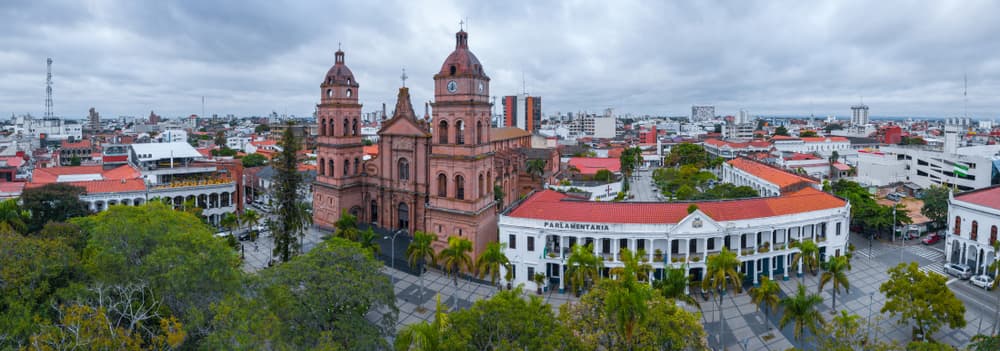
Living in Santa Cruz de la Sierra: Bolivia's hot, flat business hub, minus the altitude
What it costs, how safe it is, how you'll get around, and whether retiring in Bolivia's biggest city makes sense now that Americans can visit visa-free.
- 3,122,605
- Population (2024)
- $1,100/mo
- Monthly budget · single
- 76°F / 25°C
- Avg temperature
Plan on about $1,100 a month in U.S. dollars for one person in Santa Cruz de la Sierra. Our 2026 range for a single budget runs from $900 to $1,300, a couple spends around $1,700, and a family of four around $2,600. A one-bedroom in the center rents for about $450, or about $300 farther out.
Bolivia's biggest city sits in the eastern lowlands at about 1,400 feet, so newcomers skip the thin-air adjustment that La Paz demands. It's flat, hot and built around commerce, with ring roads circling out from Plaza 24 de Septiembre. It suits people who want big-city services, a direct flight to Miami and a modest budget, and who are ready to live in Spanish.
It's a harder fit if heat wears you down or you want to walk everywhere. Average highs sit near 88F from October through January, the rainy season is heavy, and the sprawl means most people lean on ride-hailing or a car.

Reviewed and updated October 15, 2026 · 4 min read
At a glance
$1,100
Monthly budget · single person
$450/mo 1-bed rent, center
45/100
Safety index
$30
Internet / month
76°Fannual average
Jul 69° · Nov 80°
Climate
3,122,605
Population (2024)
Expatsi estimates, updated Oct 2026, based on rental listings, government statistics, and local reporting.
Cost of living
What it costs to live in Santa Cruz de la Sierra
Single person
$900–$1,300/mo
about 65% below Austin, TX
Couple
$1,400–$2,000/mo
about 65% below Austin, TX
Family of four
$2,000–$3,200/mo
about 65% below Austin, TX
Compared with Austin, TX (Expatsi estimate, 2026).
- $4 −80%
- Inexpensive meal
- $350–$550/mo −77%
- 1-bed rent, center
- $250–$350/mo −78%
- 1-bed rent, outside
- $30/mo −54%
- Internet
- $121/sq ft −81%
- Buy price, center
Expatsi estimates, updated Oct 2026, based on rental listings, government statistics, and local reporting.
Daily life
How Santa Cruz de la Sierra lives
- B+ grade, 66th percentile among the cities we track
- Dining & cafésstrong
- B+ grade, 62nd percentile among the cities we track
- Arts & culturestrong
- A+ grade, 98th percentile among the cities we track
- Parks & outdoorsstandout
- B+ grade, 68th percentile among the cities we track
- Schools & educationstrong
- A grade, 92nd percentile among the cities we track
- Healthcare accessstandout
- B grade, 47th percentile among the cities we track
- Bike infrastructuretypical
- B- grade, 31st percentile among the cities we track
- Public transittypical
- A+ grade, good physical accessibility
- Accessibilitygood
Graded on OpenStreetMap amenity density relative to the 369 cities we track. Accessibility is the exception: it's graded against a fixed standard (terrain steepness and sidewalk surfaces), not a curve.
Climate
Weather through the year
Annual average 76°F (25°C) · 53 in of rain a year · Source: Meteostat station normals (85245, 1991-2020; no sunshine data); sunshine: Santa Cruz de la Sierra (El Trompillo Airport) 1991–2020 normals via en.wikipedia.org/wiki/Santa_Cruz_de_la_Sierra
On the ground
Scenes from Santa Cruz de la Sierra
Getting around
Transport in Santa Cruz de la Sierra
Santa Cruz is laid out in rings, called anillos, around the main plaza. The old center inside them is easy to walk, especially around the cathedral square, but once you're out in the newer rings, distances stretch and the midday heat makes long walks a chore.
Micros, the city's minibuses, are the main public transport. You pay in cash, many are old and lack air conditioning, and stops become more organized from the second ring outward. Trufis work like shared taxis on set routes. Most newcomers start with ride-hailing instead: Uber operates here and takes cash or card. Street taxis don't run meters, so settle the fare before you get in, and at night an app car is the safer choice.
Viru Viru International Airport is about 11 miles north of the city. Boliviana de Aviación flies to Miami, plus seasonal service to Washington Dulles, and other airlines connect to Madrid, Panama City, Bogotá, Lima, São Paulo and Buenos Aires. If you buy a car, you'll need an International Driving Permit along with your U.S. license. Roadblocks are a routine protest tactic in Bolivia, so plan long drives with some slack.
- 6.7/sq mi
- Transit stops
- 4.2/sq mi
- Bike infrastructure
- 5.7/sq mi
- Wheelchair-accessible places
Mapped features per square mile from OpenStreetMap.
Keep exploring
Places like Santa Cruz de la Sierra
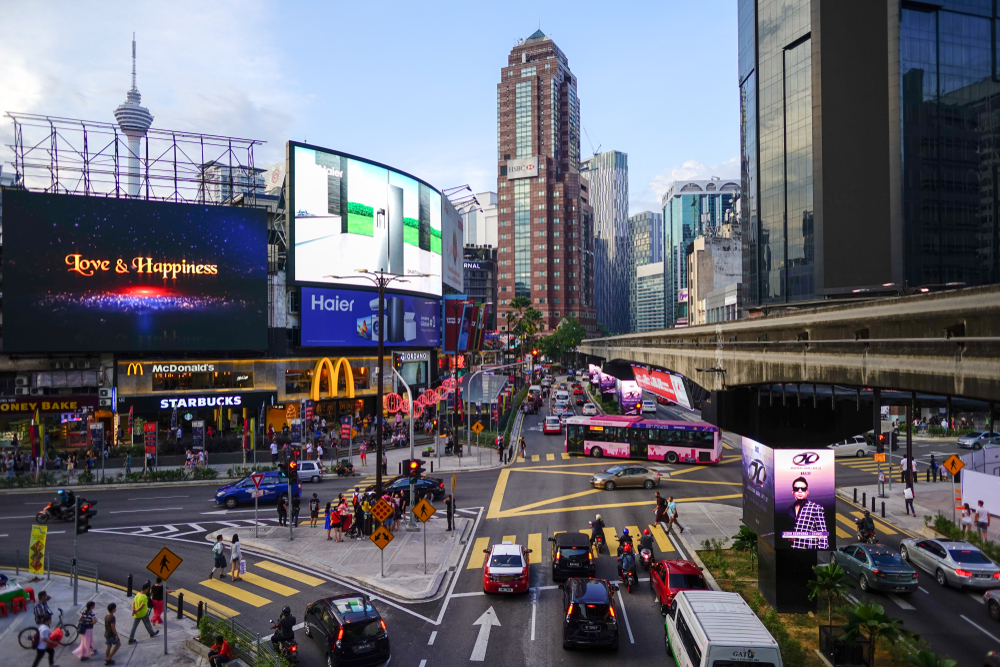
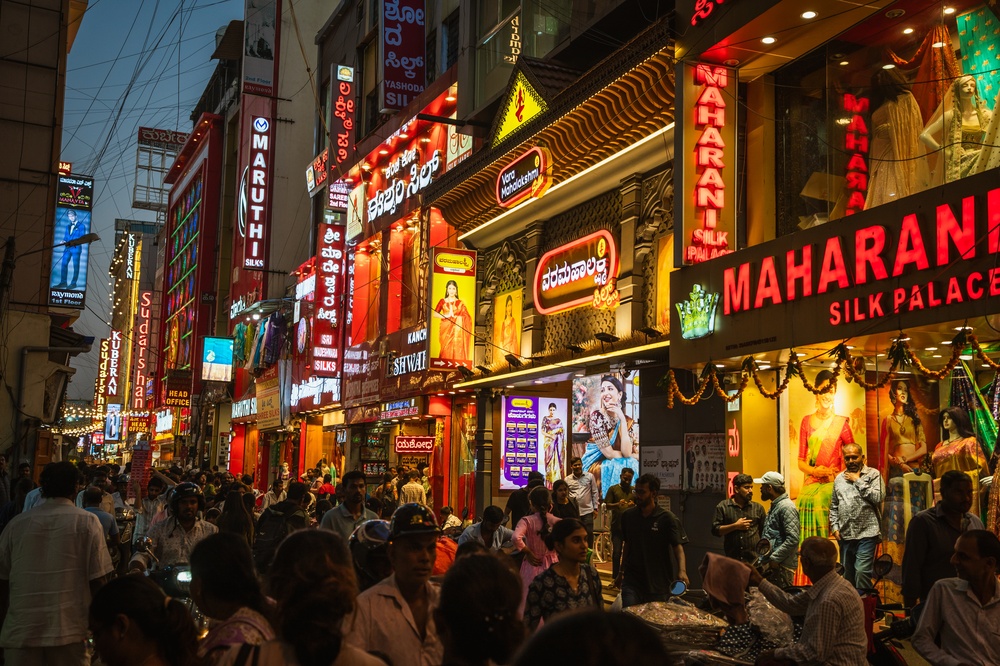
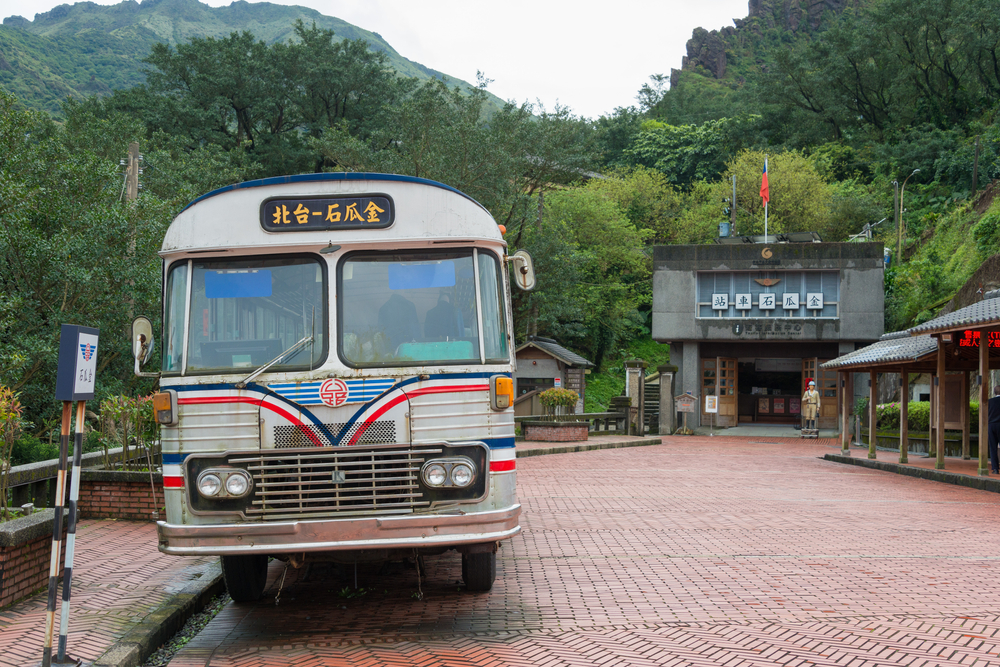
Community & practical notes
Day-to-day Santa Cruz: where people settle, care, cash and caution
Where foreigners land: Equipetrol, close to the historic center, is the neighborhood most often named as expat territory, with the city's livelier restaurants and bars. Families who want more space look at Urubó, a spread of gated subdivisions with larger houses and gardens. Either way, you'll handle your landlord, the market and the doctor in Spanish.
Healthcare: Clínica Foianini is the Santa Cruz facility on the British government's list of recommended medical providers, marked for English-speaking staff and international insurance. Hospitals and doctors often want payment upfront, most don't take U.S. insurance, and Medicare doesn't cover care abroad. The State Department strongly recommends coverage that includes medical evacuation. Healthcare coach Hunter Schultz, one of our partners, can help you plan your care, and ExpatInsure can quote the coverage.
Money: Bolivia ended its long-standing dollar peg in late June 2026. By late July, the floating rate had passed 11 bolivianos per dollar. Prices in bolivianos can shift quickly, so recheck quotes. Carry crisp, unfolded U.S. bills, since banks and exchange houses often refuse worn ones. Don't rely on ATMs, which the State Department says are frequently out of order.
Working remotely: Home internet runs about $30 a month in our data. Keep a mobile hotspot as a backup for outages.
Staying safe: The State Department rates Bolivia Level 2, Exercise Increased Caution, as of August 2026. Pickpocketing is common on buses and in bus stations; it notes that express kidnappings, where a victim is driven between ATMs, are rare but happen mostly in Santa Cruz. Use app cars over street taxis, especially at night. Roadblocks can cut off supplies, so keep several days of food, water and medication at home. If you buy property, the State Department warns that real estate scams are common, so hire your own lawyer.
Limited mobility: The flat terrain helps, but the State Department says accessibility is very limited across public transport, lodging and infrastructure. Plan on ride-hailing rather than micros, and check the route from your door before you sign a lease.
LGBTQ expats: Bolivia's constitution bans discrimination based on sexual orientation, and same-sex civil unions have been recognized since March 2023. In August 2026, Santa Cruz hosted the country's first civil marriage between two women, under a court order that applies only to that couple. The State Department describes Santa Cruz and Bolivia's other big cities as generally tolerant of gay and lesbian travelers.
Black Americans: We couldn't find reporting on Black Americans' experience in Santa Cruz. Reach out to Black expats elsewhere in Bolivia and South America, and spend a few weeks here before you commit.
Retiring here: Santa Cruz works for retirees who want warmth without altitude, a budget near $1,100 a month, a hospital with English-speaking staff and a flight to Miami, and who can live in Spanish and ride out the heat. Americans can now visit visa-free for up to 90 days a year, so a trial stay is easy. Our retirement visa guide compares residency routes, and our Bolivia moving guide covers residency, taxes and safety in depth.
Housing
Renting and buying
- 1-bed rent (center)
- $350–$550/mo
- 1-bed rent (outside center)
- $250–$350/mo
- Buy price (center)
- $121/sq ft
- Buy price (outside center)
- $84/sq ft
Expatsi estimates, based on rental listings, government statistics, and local reporting.
Good to know
Frequently asked questions
How much does it cost to live in Santa Cruz de la Sierra, Bolivia?
One person can live comfortably in Santa Cruz de la Sierra on about $1,100 a month, with a typical range of $900 to $1,300 in 2026. A couple spends around $1,700 a month and a family of four around $2,600. A one-bedroom apartment rents for about $450 in the center and about $300 farther out.
Can you fly direct from Santa Cruz, Bolivia to the U.S.?
Yes. Boliviana de Aviación flies from Viru Viru International Airport, about 11 miles north of the city, to Miami, with seasonal flights to Washington Dulles. Check current schedules before booking, since routes change.
Is Santa Cruz de la Sierra safe for Americans?
It's manageable with care. The U.S. State Department rates Bolivia Level 2, Exercise Increased Caution, as of August 2026. Pickpocketing is common on buses and at bus stations, and express kidnappings are rare but occur mostly in Santa Cruz, so use ride-hailing apps rather than street taxis, especially at night. Roadblocks are a common form of protest, so residents keep several days of food, water and medication on hand.
Do you need a car in Santa Cruz de la Sierra?
Not necessarily. Many residents get around with Uber, which takes cash or card, and the minibuses called micros are inexpensive but cash-only and crowded. A car helps if you live in the outer neighborhoods. To drive, you need an International Driving Permit plus your U.S. license.
Do Americans need a visa to visit Santa Cruz, Bolivia?
No. Since December 1, 2025, U.S. citizens can enter Bolivia without a visa for stays of up to 90 days a year, as long as their passport is valid for at least six months past arrival. Staying longer or working requires a Bolivian visa or residency.
What is the weather like in Santa Cruz de la Sierra?
Santa Cruz is warm all year, averaging about 76F. Average highs run near 88F from October through January, and the rainiest months run from November through February. June and July are the coolest, with average highs near 77F and lows around 61F, and August is the driest month.
Can I retire in Santa Cruz de la Sierra?
Yes, if you're comfortable with heat and with living in Spanish. Santa Cruz is low-lying at about 1,400 feet, budgets start around $1,100 a month for one person, and there's a direct flight to Miami. Americans can visit Bolivia visa-free for up to 90 days a year, which makes a trial stay easy, but living there full time means applying for residency.
Do you get altitude sickness in Santa Cruz, Bolivia?
Altitude isn't a concern for most people. Santa Cruz de la Sierra sits at about 1,400 feet in Bolivia's eastern lowlands, while La Paz, El Alto, Oruro and Potosí sit between 10,000 and 13,000 feet.
See how Santa Cruz de la Sierra fits your life
Take the free Expatsi Test and compare Bolivia to over 100 countries on what actually matters: cost, healthcare, climate, and safety. About five minutes.
Why not you?