
Chiang Mai: a slower Thai city in the northern mountains
Private hospitals, a long-settled remote-work crowd, and Old City temples inside a moat, with one smoky season to plan your year around.
- 1,198,000
- Population (2022)
- $1,200/mo
- Monthly budget · single
- 81°F / 27°C
- Avg temperature
Plan on about $1,200 a month in U.S. dollars for one person in Chiang Mai, and most people land somewhere between $1,000 and $1,500. A couple needs around $1,900, and a family of four about $2,800 (2026 figures). A one-bedroom near the center rents for about $400 a month, or about $300 farther out. Home internet is around $15, and a casual meal costs about $3.
Chiang Mai suits remote workers who want plenty of other remote workers around, retirees on a modest budget who still want private hospitals close by, and anyone who'd take mountains and temples over a beach. Most newcomers start in Nimman, the café and condo district, while the Old City itself, inside the moat, is calmer.
The air is the trade-off. Smoke from crop and forest fires settles over the valley from roughly February to April, peaking in March, and many residents leave for a few weeks. If you have asthma or heart trouble, weigh that before anything else.

Reviewed and updated October 8, 2026 · 4 min read
At a glance
$1,200
Monthly budget · single person
$400/mo 1-bed rent, center
62/100
Safety index
$15
Internet / month
81°Fannual average
Jan 73° · Apr 86°
Climate
1,198,000
Population (2022)
Expatsi estimates, updated Oct 2026, based on rental listings, government statistics, and local reporting.
Cost of living
What it costs to live in Chiang Mai
Single person
$1,000–$1,500/mo
about 60% below Austin, TX
Couple
$1,600–$2,200/mo
about 60% below Austin, TX
Family of four
$2,100–$3,400/mo
about 65% below Austin, TX
Compared with Austin, TX (Expatsi estimate, 2026).
- $3 −85%
- Inexpensive meal
- $300–$450/mo −79%
- 1-bed rent, center
- $250–$350/mo −78%
- 1-bed rent, outside
- $15/mo −77%
- Internet
- $214/sq ft −67%
- Buy price, center
Expatsi estimates, updated Oct 2026, based on rental listings, government statistics, and local reporting.
Daily life
How Chiang Mai lives
- A+ grade, 96th percentile among the cities we track
- Dining & cafésstandout
- B grade, 46th percentile among the cities we track
- Arts & culturetypical
- B grade, 44th percentile among the cities we track
- Parks & outdoorstypical
- B+ grade, 56th percentile among the cities we track
- Schools & educationstrong
- A- grade, 84th percentile among the cities we track
- Healthcare accessstrong
- C- grade, 0th percentile among the cities we track
- Bike infrastructuremodest
- B grade, 40th percentile among the cities we track
- Public transittypical
- A grade, good physical accessibility
- Accessibilitygood
Graded on OpenStreetMap amenity density relative to the 298 cities we track. Accessibility is the exception: it's graded against a fixed standard (terrain steepness and sidewalk surfaces), not a curve.
Climate
Weather through the year
Annual average 81°F (27°C) · 45 in of rain a year · Source: Meteostat station normals (48327, 1991-2020)
On the ground
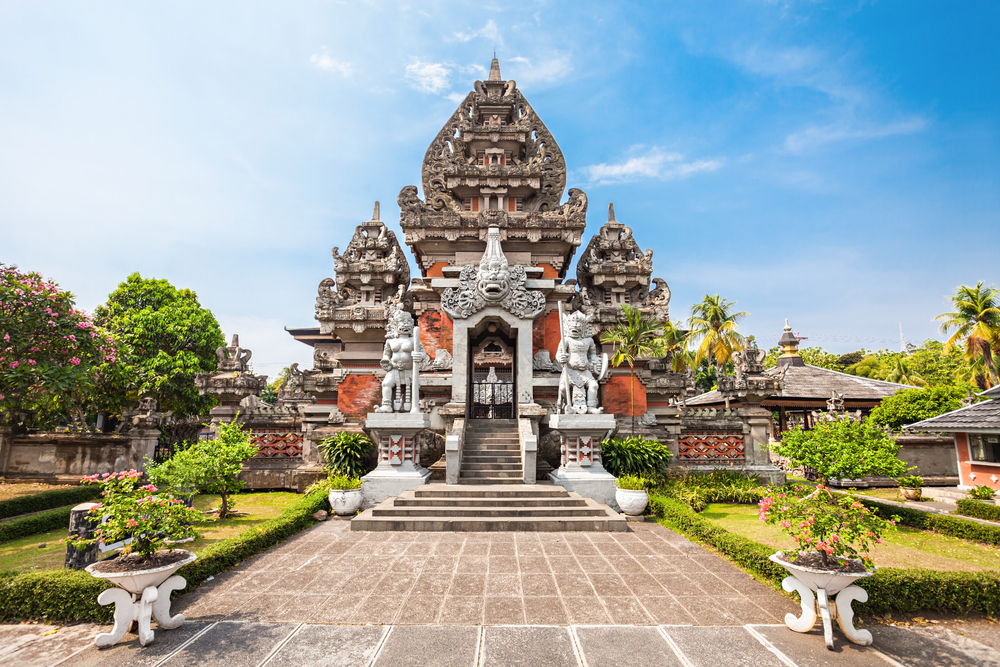
Scenes from Chiang Mai
Getting around
Transport in Chiang Mai
Most people get around with a mix of ride apps, red trucks, and eventually a scooter of their own. The red songthaews are pickup trucks with two benches in the back: flag one down, tell the driver where you're going, and pay when you hop out. A shared ride inside the moat or out to Nimman is 30 baht, about $0.90. Grab and Bolt both work here, and Bolt tends to run a little lower, while Grab fares jump when it rains. There's no Uber. The RTC Smart Bus charges a flat 30 baht, cash only.
The airport sits about 5 km (3 miles) southwest of the Old City, a 15 to 20 minute ride into the center.
The Old City and Nimman work on foot for daily errands. Elsewhere, heat, broken pavement, and parked motorbikes cut walks short. Lots of long-term residents rent a scooter, which runs about 3,000 to 4,500 baht a month. To ride legally you need a motorcycle endorsement on your U.S. license plus an International Driving Permit that covers motorcycles. Ride on a car-only license and your travel insurance will likely refuse an accident claim.
A car is optional. Inside the city, most people never bother.
- 16/sq mi
- Transit stops
- 0.0/sq mi
- Bike infrastructure
- 17/sq mi
- Wheelchair-accessible places
Mapped features per square mile from OpenStreetMap.
Keep exploring
Places like Chiang Mai
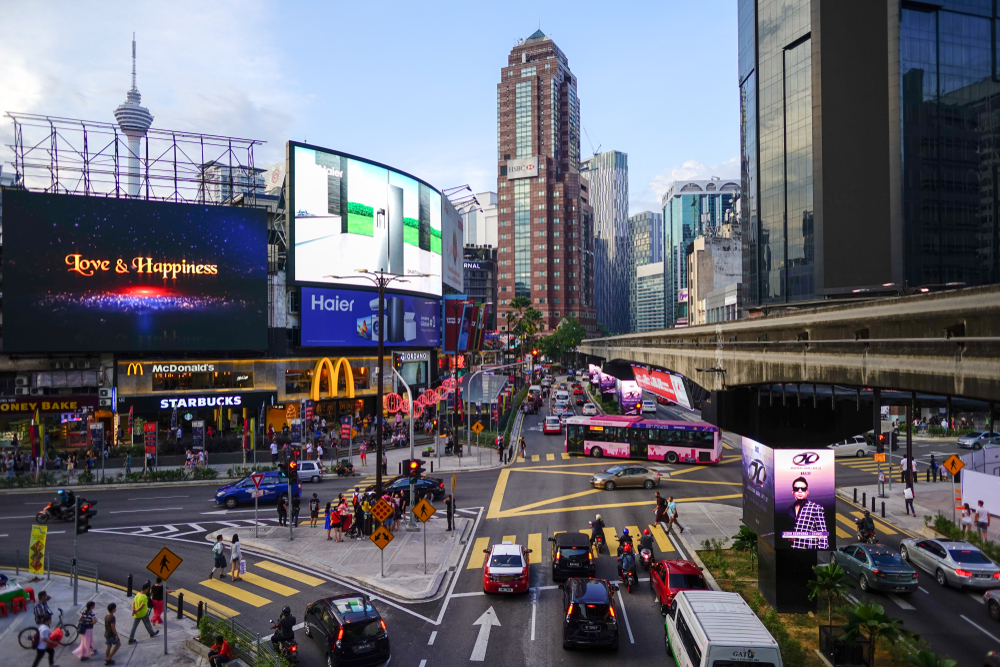
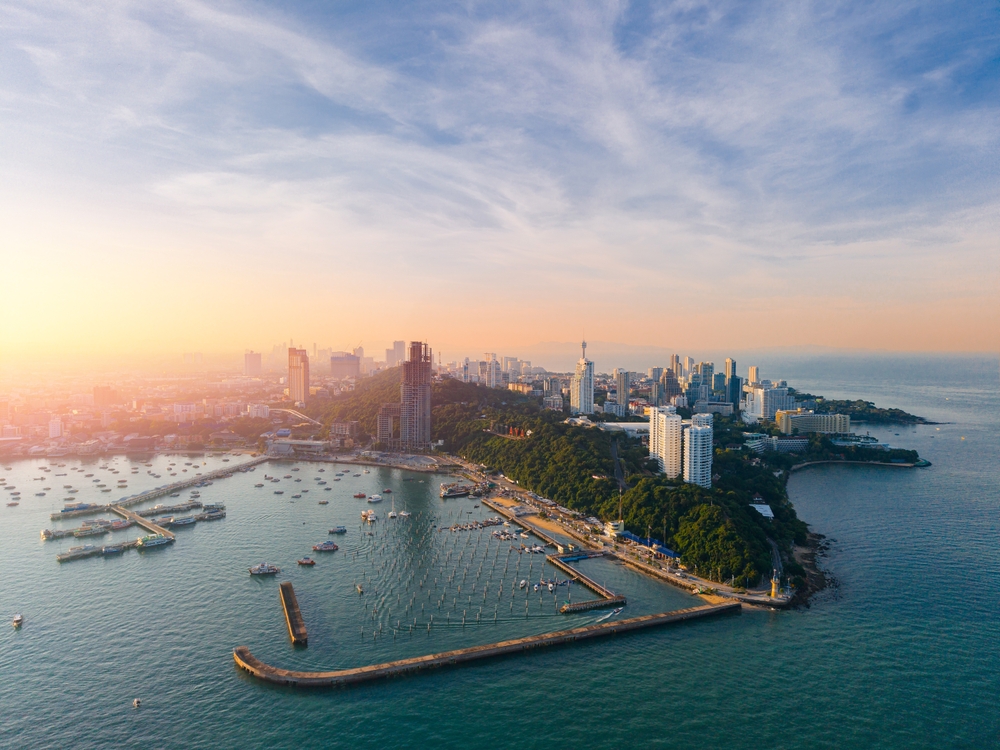

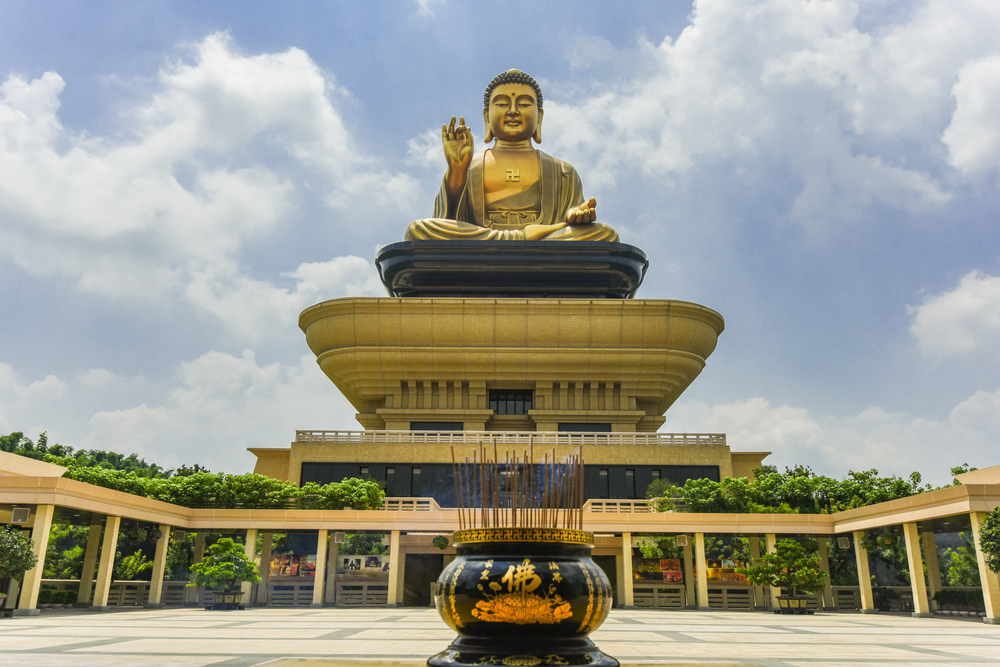
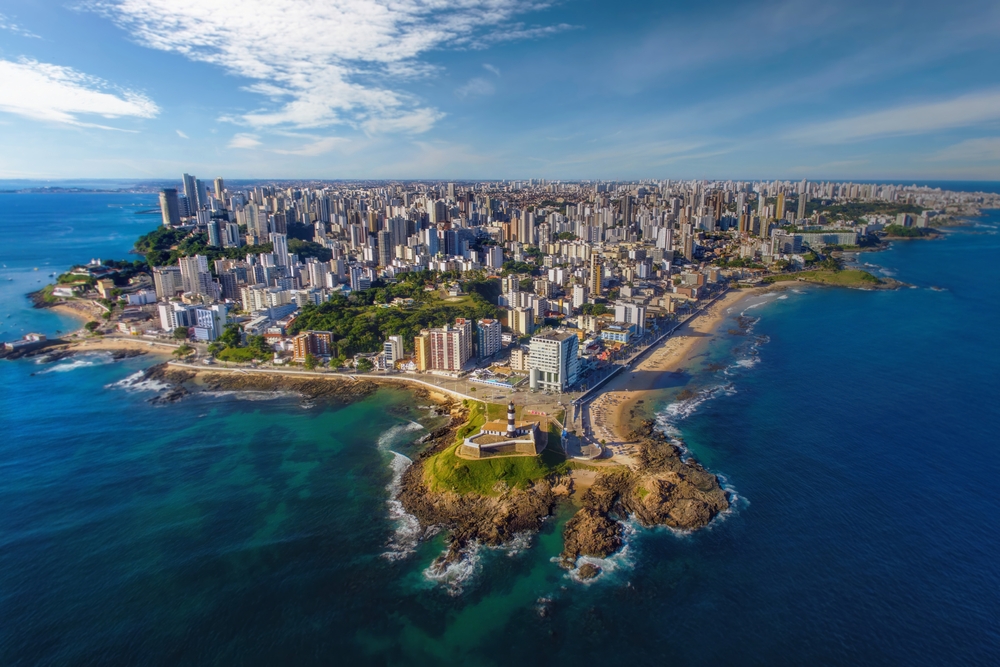
Community & practical notes
Day-to-day life in Chiang Mai
Who you'll meet
Chiang Mai has drawn remote workers for years, so you won't be the only American with a laptop at the next table. Coworking spaces cluster in two places: Punspace in the Old City, and Yellow Coworking and CAMP (on the fifth floor of Maya mall) in Nimman. A day pass at Alt_ChiangMai, near the Old City's west gate, is 320 baht. Thailand doesn't use daylight saving time, so Chiang Mai is 11 to 12 hours ahead of Eastern, by season, and a U.S. morning meeting lands late in your evening.
Healthcare
Chiang Mai Ram and Bangkok Hospital Chiang Mai are the two private hospitals in the city with Joint Commission International accreditation, and Lanna Hospital and Sriphat Medical Center are also popular with foreigners. Maharaj Nakorn (Suan Dok) is the big public hospital, with longer waits and less English. Private hospitals expect payment or a confirmed insurer before they treat you, so arrive with coverage that works in Thailand. For an ambulance, dial 1669. Our Thailand healthcare report covers insurance in more detail.
LGBTQ expats
Same-sex couples have been able to marry in Thailand since January 2025. Chiang Mai is more traditional than its easygoing reputation suggests: the 2009 Pride march was met with violence, and a local organizer said in 2020 that LGBTQ people are accepted in private while their rights stay limited. Pride has since returned to the city's calendar.
Black Americans
We haven't found solid, Chiang Mai-specific reporting on daily life for Black Americans, and we'd rather not guess. Before you commit, spend a month here and ask other Black expats in Thailand directly; a local guide can connect you with people who've lived it.
Limited mobility
Chiang Mai is hard going in a wheelchair. Sidewalks often lack curb cuts or are blocked by planters and parked motorbikes, and temples ask visitors to remove their shoes at the door. Modern malls tend to be accessible. A red songthaew can work with the driver's help, but plan on ride apps for most trips, and visit before you sign a lease.
Retiring here
Chiang Mai fits retirees who want a calm city with private hospitals and a low monthly budget, as long as they can live with the smoke season or travel during it. Thailand's O-A retirement visa is for people 50 and over. The Los Angeles consulate asks for about $30,000 in the bank or $2,500 a month in income (Thailand sets it at 800,000 baht or 65,000 baht a month), plus health coverage of at least $100,000, and work of any kind is banned. Compare routes in our guide to retirement visas, the Long-Term Resident visa, and the full guide to moving to Thailand.
Housing
Renting and buying
- 1-bed rent (center)
- $300–$450/mo
- 1-bed rent (outside center)
- $250–$350/mo
- Buy price (center)
- $214/sq ft
- Buy price (outside center)
- $139/sq ft
Expatsi estimates, based on rental listings, government statistics, and local reporting.
Good to know
Frequently asked questions
How much is rent in Chiang Mai?
A one-bedroom apartment near the center of Chiang Mai costs about $400 a month, usually between $300 and $450. Farther out, expect about $300, usually between $250 and $350 (2026 figures in U.S. dollars).
How much does it cost to live in Chiang Mai per month?
One person typically spends about $1,200 a month in Chiang Mai, with most falling between $1,000 and $1,500 (2026 figures in U.S. dollars). A couple needs around $1,900, and a family of four about $2,800. Housing is the biggest line: a one-bedroom near the center rents for about $400 a month.
Do you need a car to live in Chiang Mai?
No. Grab and Bolt cover most trips, and shared red songthaews cost 30 baht (about $0.90) around the center. Many long-term residents rent a scooter instead of a car, but riding legally takes a motorcycle endorsement on your license plus an International Driving Permit that covers motorcycles.
What is the weather like in Chiang Mai?
Warm all year, averaging about 81F. April is the hottest month, with average highs near 98F. December and January are the coolest months, with highs around 85F and January lows near 60F. The rainy season runs from about May through October, and August is the wettest month.
Is Chiang Mai good for digital nomads?
Yes. It has a long coworking history, with coworking spaces in Nimman and the Old City and home internet for about $15 a month. The catch for U.S. teams is the time difference: Chiang Mai is 11 to 12 hours ahead of Eastern, by season.
Can I retire in Chiang Mai?
Yes, if you're 50 or older. Thailand's O-A retirement visa asks for about $30,000 in the bank or $2,500 a month in income (Thailand sets it at 800,000 baht or 65,000 baht a month), plus health insurance of at least $100,000. The visa gives you one year at a time and bans all work.
Is Chiang Mai safe for Americans?
Yes, for most people. Chiang Mai scores 62 out of 100 on our safety index, where higher is safer. The bigger day-to-day risks are traffic, especially on a rented scooter without the right license, and the smoky air from about February to April.
When is burning season in Chiang Mai?
Smoke from crop and forest fires builds from roughly February, peaks in March, and fades by May as the rains arrive. NASA reports that about 70 percent of Chiang Mai's fine-particle pollution in April comes from burning, and readings regularly reach unhealthy levels. Many residents with breathing problems leave for a few weeks.
See how Chiang Mai fits your life
Take the free Expatsi Test and compare Thailand to over 100 countries on what actually matters: cost, healthcare, climate, and safety. About five minutes.
Why not you?