Transgender Rights Around the World for Expats & Immigrants


By Jen Barnett, Co-founder, Expatsi
March 1, 2023 · Updated June 10, 2026 · 2 min read
According to Vice, 2023 is the fourth consecutive year that the U.S. has had a record breaking number of anti-trans bills at the state and national level, including the bizarre anti-drag law that just passed in Tennessee. Here are two good sites that track anti-trans legislation:
If you’re transgender or non-binary or the parent of someone who’s transgender or non-binary, and especially if you live in a red state, you might want to know what countries would be safe places to move.
People sometimes write to me about seeking refugee status in Canada or another country as an LGBTQIA+ immigrant. In order to be given asylum as a refugee, you generally need to be approved by the UN refugee agency or similar. U.S. citizens are very rarely approved for such status, given the wealth and privilege we experience in the U.S. From the UN’s perspective, they’d probably suggest you move to a blue state if you’re living somewhere with unfavorable laws.
Moving to a blue state can be pretty difficult for someone in a red state. We make less money, carry more debt, have fewer skills, and are accustomed to a lower cost of living. However, it’s still doable, compared to someone facing genocide or exile. These laws are currently like a slow boil, but if enough are passed, there may be a tipping point. It’s not cheap to immigrate, but you may be able to move to a country without resorting to asylum.
What country can I move to as a transgender or non-binary person?
The ways that different countries treat gender identity is as varied as it is state to state. There are some countries that are considered progressive that may have really invasive laws, like Finland, which just this month overturned the law that required transgender people to be sterilized. On the Expatsi Test, we ask if you’re interested in moving to a country where Gender Self-Determination is legal, because that’s currently the gold standard of rights. You are who you say you are. These countries offer that:
-
Belarus
-
Bolivia
-
India
-
Israel
-
Pakistan
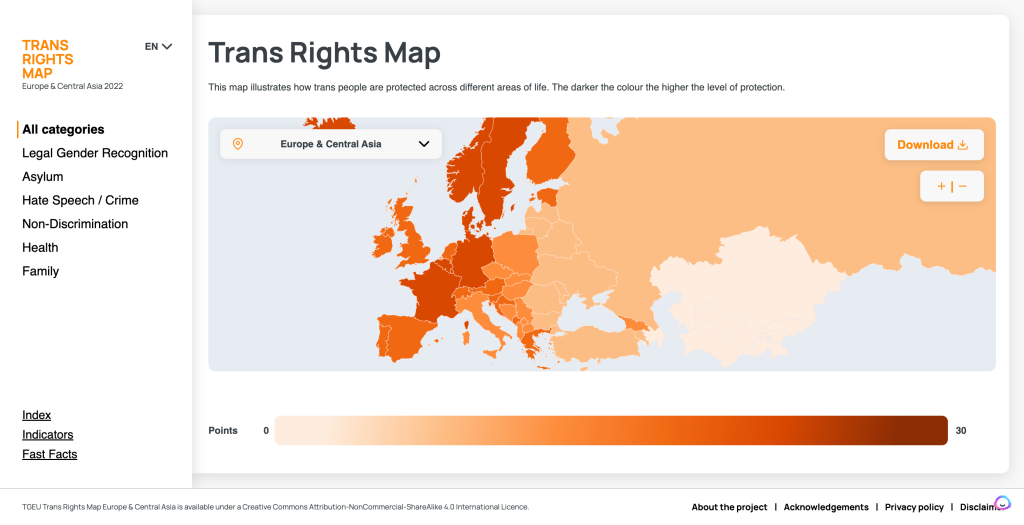
For more details about specific laws in Europe & Central Asia, the Trans Rights Map is an excellent resource.