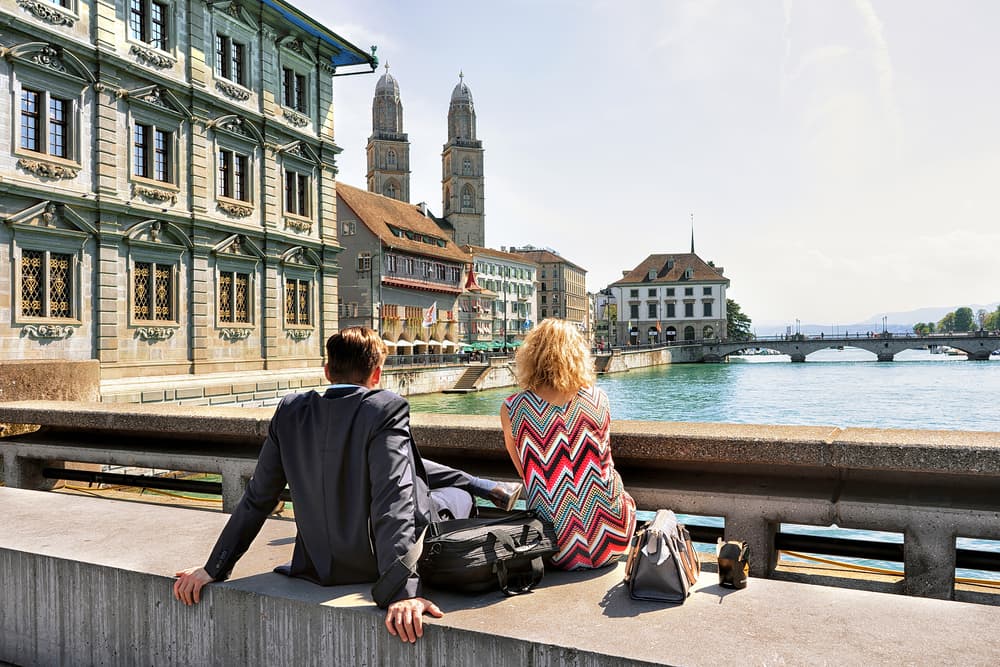
Living in Zurich: what a Swiss paycheck has to cover
A single person spends around $4,800 a month here in 2026. In return you get a safe, orderly city where a transit pass does the job of a car.
- 452,421
- Population (2025)
- $4,800/mo
- Monthly budget · single
- 50°F / 10°C
- Avg temperature
Plan on roughly $4,800 a month in U.S. dollars for one person in Zurich as of 2026, and our range runs from $3,900 to $5,700 depending on how you live. A couple should budget about $6,700. Rent drives most of that: a one-bedroom in the center costs around $2,700 a month, and moving farther out only brings it down to about $2,200.
Zurich makes the most sense when a Swiss employer is bringing you over, since a local salary is what these prices assume. It's a tougher fit on U.S. savings or a remote paycheck. The costs don't bend, and most foreign nationals need a Swiss permit to work here, so settle your permit route before you sign a lease.
German is the official language, but what you'll hear at the bakery and the town office is Swiss German, a dialect that takes even fluent German speakers a while to follow.

Reviewed and updated October 9, 2026 · 3 min read
At a glance
$4,800
Monthly budget · single person
$2,700/mo 1-bed rent, center
84/100
Safety index
$45
Internet / month
50°Fannual average
Jan 34° · Jul 67°
Climate
452,421
Population (2025)
Expatsi estimates, updated Oct 2026, based on rental listings, government statistics, and local reporting.
Cost of living
What it costs to live in Zurich
Single person
$3,900–$5,700/mo
about 55% above Austin, TX
Couple
$5,500–$7,900/mo
about 45% above Austin, TX
Family of four
$8,000–$11,400/mo
about 25% above Austin, TX
Compared with Austin, TX (Expatsi estimate, 2026).
- $25 +25%
- Inexpensive meal
- $2,200–$3,200/mo +38%
- 1-bed rent, center
- $1,800–$2,600/mo +63%
- 1-bed rent, outside
- $45/mo −31%
- Internet
- $105/mo +155%
- Transit pass
- $1,997/sq ft +207%
- Buy price, center
Expatsi estimates, updated Oct 2026, based on rental listings, government statistics, and local reporting.
Daily life
How Zurich lives
- A grade, 88th percentile among the cities we track
- Dining & cafésstandout
- A+ grade, 96th percentile among the cities we track
- Arts & culturestandout
- A grade, 92nd percentile among the cities we track
- Parks & outdoorsstandout
- A+ grade, 96th percentile among the cities we track
- Schools & educationstandout
- A grade, 87th percentile among the cities we track
- Healthcare accessstandout
- A- grade, 84th percentile among the cities we track
- Bike infrastructurestrong
- A- grade, 83rd percentile among the cities we track
- Public transitstrong
- B+ grade, moderate physical accessibility
- Accessibilitymoderate
Graded on OpenStreetMap amenity density relative to the 298 cities we track. Accessibility is the exception: it's graded against a fixed standard (terrain steepness and sidewalk surfaces), not a curve.
Climate
Weather through the year
Annual average 50°F (10°C) · 43 in of rain a year · Source: Meteostat station normals (06660, 1991-2020)
On the ground
Scenes from Zurich
Getting around
Transport in Zurich
Trams, buses and S-Bahn trains carry most of the city, and they all share one ZVV fare system. A ticket works on every mode inside the zones you pay for, including some lake boats, and a monthly pass runs about $105. When you land, Zurich Airport has its own train station with lifts straight down to the platforms.
You can live here comfortably without a car, and plenty of people do: the city counted 312 passenger cars for every 1,000 residents in 2025.
Bikes are the other option. Züri Velo, the city's bike share, has run since 2018 and is growing to 2,500 bikes, about 60 percent of them e-bikes. The city is also building roughly 81 miles of priority bike routes, though only about 4 miles were finished by August 2026, so expect to share plenty of streets with traffic for now.
- 58/sq mi
- Transit stops
- 67/sq mi
- Bike infrastructure
- 355/sq mi
- Wheelchair-accessible places
Mapped features per square mile from OpenStreetMap.
Keep exploring
Places like Zurich

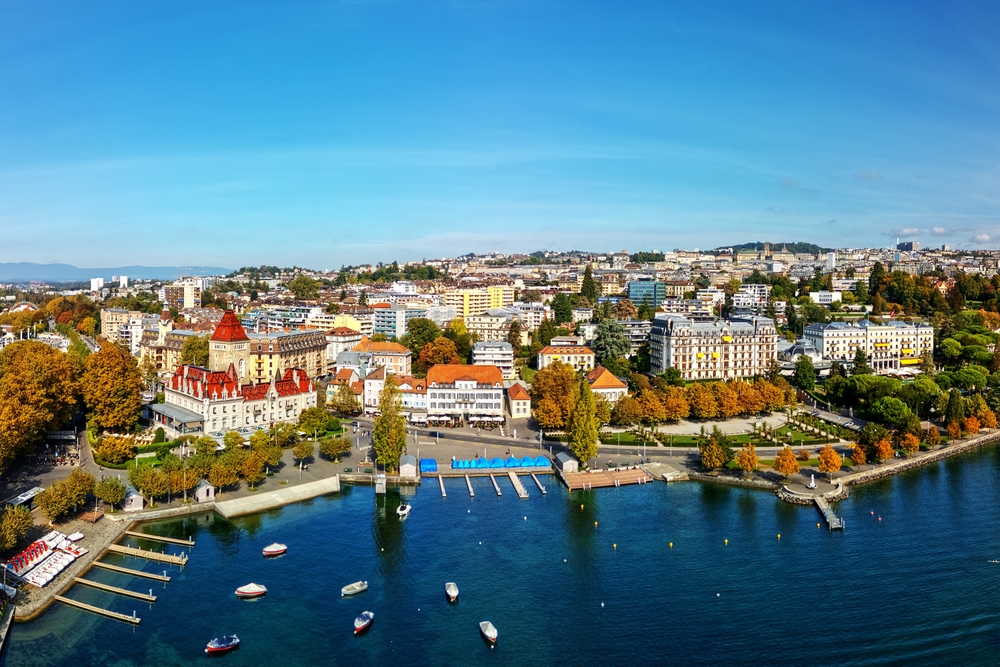
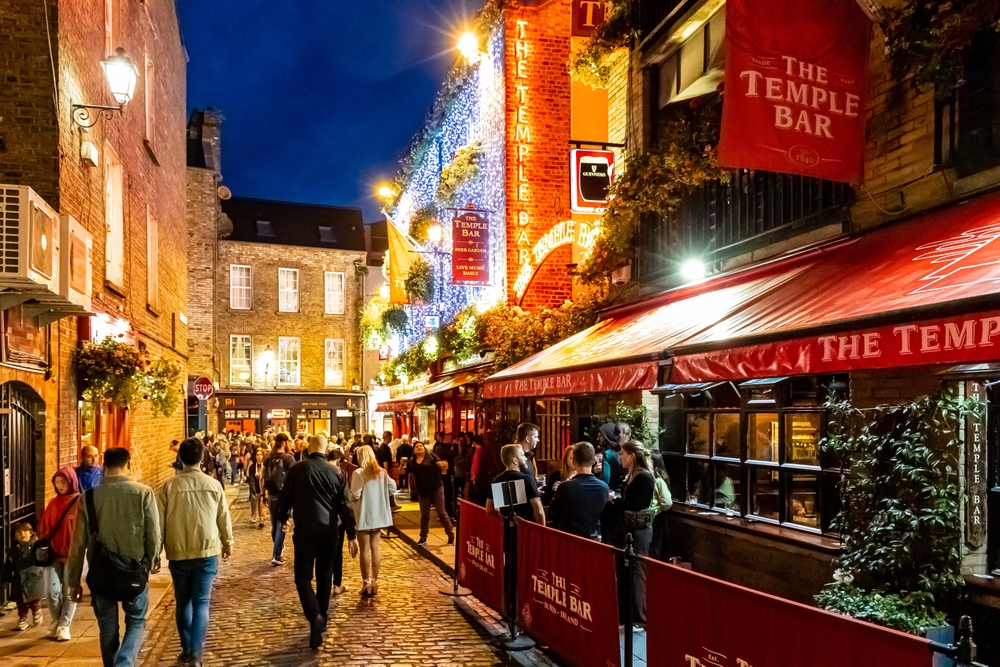
Community
Settling in: people, health and the practical stuff
Who you'll meet: About a third of the city's residents (33.9 percent at the end of 2025) are foreign nationals, so you won't be the only newcomer in the building. The city's Welcome Desk, part of its Diversity, Integration and Antiracism Office, is a good first stop for practical questions after you register.
Healthcare: Basic health insurance is compulsory. Buy a policy from an authorized Swiss insurer within three months of arriving, and your coverage applies back to your arrival date. Miss that window and you lose the backdating, so put it near the top of your list.
LGBTQ expats: Same-sex couples have been able to marry in Switzerland since July 2022. Zürich Tourism points newcomers to the Regenbogenhaus on Zollstrasse as a community hub. The Zurich Pride Festival skipped 2026 and plans to return in 2027.
Black Americans: The city says fighting racism is an ongoing job for government and residents alike, and it backs that with services you can use. ZüRAS, run on behalf of the canton and city, gives free advice to canton residents who face racist discrimination. For community, Black She is a network of Black women across German-speaking Switzerland, and the Black Switzerland Online Archive lists other Black-led groups.
Limited mobility: VBZ runs low-floor trams and buses on every line, with wheelchair space near at least one door. Bus stops usually leave a small step, so buses carry ramps. Departure boards mark step-free vehicles, ZVV runs a shuttle for stops without step-free access, and all the ZSG lake boats take wheelchairs. Pro Infirmis Zürich, next to Altstetten station, advises residents with disabilities.
Remote work and schools: Home internet costs about $45 a month. Impact Hub Zürich has three coworking spaces in the city. Families tend to look at Inter-Community School Zurich, which teaches in English from preschool through the IB Diploma, and Zurich International School, a nonprofit day school for ages 3 to 18 in the Greater Zurich area.
Retiring here: To live in Switzerland without working, you apply for the residence permit before you arrive and show enough money to support yourself, plus accident and health coverage. One Zurich-specific catch: the canton voted to end lump-sum taxation as of January 2010, so retirees interested in lump-sum tax residence will need to look at other cantons. Compare retirement visa options and read our full Switzerland guide.
Housing
Renting and buying
- 1-bed rent (center)
- $2,200–$3,200/mo
- 1-bed rent (outside center)
- $1,800–$2,600/mo
- Buy price (center)
- $1,997/sq ft
- Buy price (outside center)
- $1,347/sq ft
Expatsi estimates, based on rental listings, government statistics, and local reporting.
Good to know
Frequently asked questions
How much is rent in Zurich?
A one-bedroom apartment in central Zurich rents for about $2,700 a month as of 2026, usually somewhere between $2,200 and $3,200. Outside the center, expect around $2,200, with most listings between $1,800 and $2,600.
How much does it cost to live in Zurich?
Expect to spend about $4,800 a month for one person in Zurich as of 2026, with a typical range of $3,900 to $5,700. A family of four should plan on about $9,700 a month, and anywhere from $8,000 to $11,400 depending on housing and schooling.
What is the weather like in Zurich?
Zurich has four distinct seasons. July averages highs near 76F, while January averages highs near 38F and lows around 30F. The city gets about 43 inches of precipitation a year, with the wettest stretch from May through July.
Is Zurich safe for Americans?
Yes. Zurich scores 84 out of 100 on our safety index, with a crime index of 16. Normal city habits, like watching your bag in crowded trams and at the main station, are still worth keeping.
Can you retire in Zurich?
You can, if you get a Swiss residence permit for people who don't work. You apply before arriving and show enough money to support yourself, plus accident and health coverage. Wealthy retirees should know the canton of Zurich ended lump-sum taxation as of January 2010, so that tax setup isn't an option in Zurich.
Can Americans move to Zurich?
Yes, but you need a Swiss permit. Most foreign nationals need a permit to work in Switzerland, which usually means a job offer from a Swiss employer. If you plan to live there without working, you apply for a residence permit before you arrive and show you can support yourself and have accident and health coverage.
Do you need to speak German in Zurich?
It helps a lot. German is the official language of the canton of Zurich, and everyday conversation is usually in Swiss German, a dialect that differs noticeably from standard German. Learning German makes renting, paperwork and making local friends much easier.
See how Zurich fits your life
Take the free Expatsi Test and compare Switzerland to over 100 countries on what actually matters: cost, healthcare, climate, and safety. About five minutes.
Why not you?