In Antigua you buy citizenship outright, not a permit you renew
The fund route starts at $230,000 for a family of up to four. The fees, waiting and politics are the parts nobody quotes you.
Antigua has run this program since 2013, and it's one of five in the Caribbean. You pay, you pass the vetting, and the passport follows. Here's what the four routes cost, how much time you owe the island, and why an American should buy this for reasons that have nothing to do with travel.
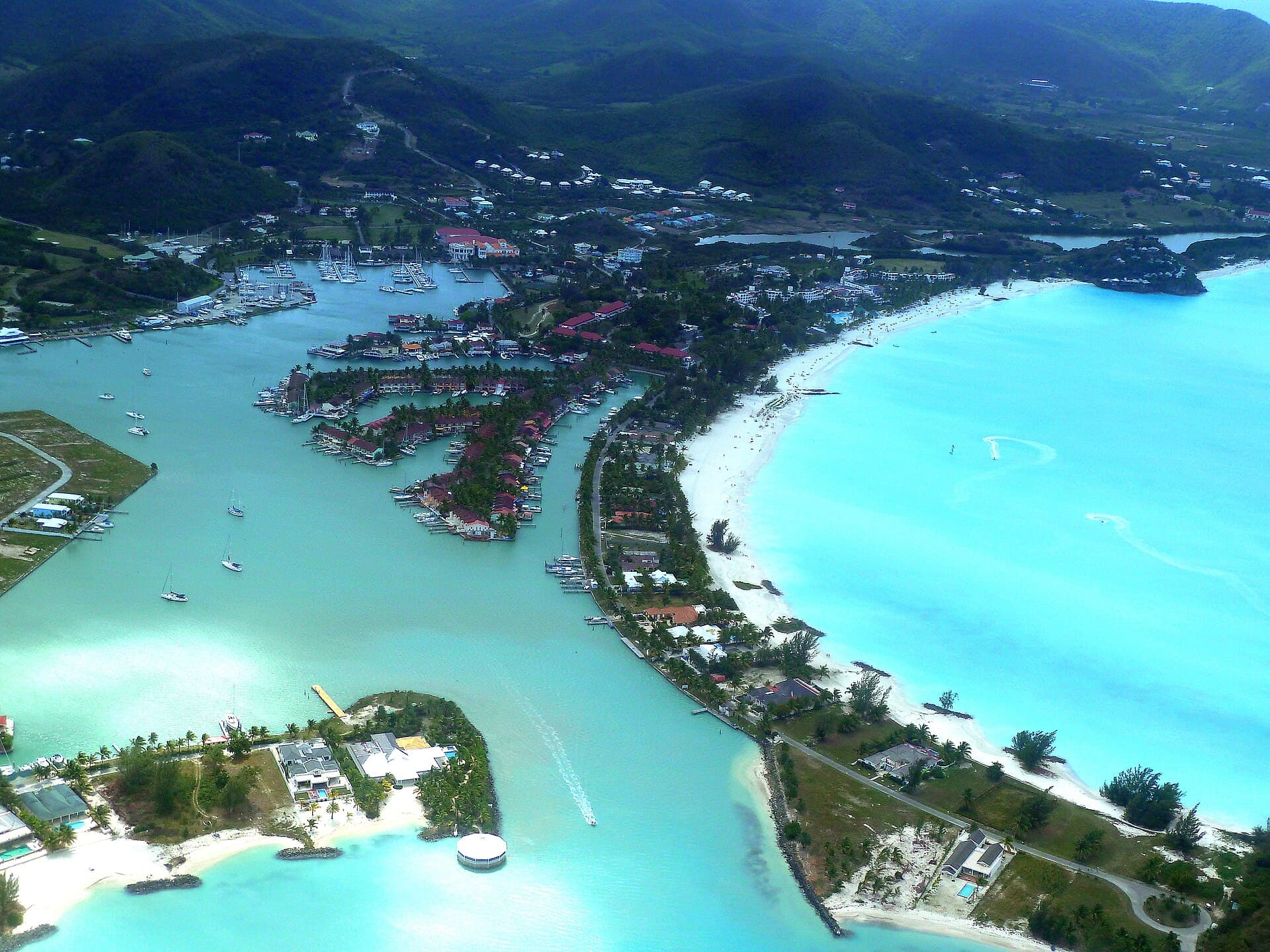
Citizenship by Investment
Offers a pathway to Antigua and Barbuda citizenship and passport, which includes visa-free access to over 150 countries. Family members can be included. Strict due diligence applies.
- Government cost
- $230,000
- Processing time
- ~90 days
- Timeline
- 3–6 months
- Difficulty
- Hard
About that data card
The card above comes out of our database, and two lines on it need a footnote. The $230,000 is the gift to the National Development Fund; it covers four people rather than one, so read it as a floor and not a price. The requirement line puts "donation or real estate" at the same figure. Approved real estate is a separate route and starts at $300,000. Difficulty 4 is fair, though not for the reason you might guess: the money is the simple part, but the background check is what ends applications. Both are flagged for correction.
The honest case
What it buys an American, and what it doesn't
Your U.S. passport already opens more borders than an Antiguan one. So mobility is the wrong reason to spend a quarter of a million dollars here. The things that hold up are quieter.
Antigua is a member of CARICOM, and that membership is the part neither Washington nor Brussels can touch. It also gives you a second legal home that stands whatever happens where you live now, plus property rights a foreign buyer has to apply and pay for. Citizenship is granted for life, and children born later can be registered as well. Antigua allows dual nationality without giving up anything.
What it won't do
It doesn't lower your U.S. tax bill or make you an Antiguan tax resident. It opens a few places a U.S. passport doesn't, Russia among them, though that is nobody's reason for spending this money. If a broker leads with the destination count, the pitch was written for someone else's passport problem.
The four numbers that decide it
$248,800
What one applicant actually pays
the contribution plus government, due diligence and passport fees
$264,700
A family of four, all in
two adults, two kids under 12, before lawyers and agents
30 days
Time you owe the island
cumulative across five years, not every year
10 to 18 months
What agents say files really take
the official line is three to six months
The routes
Four ways to pay for one passport
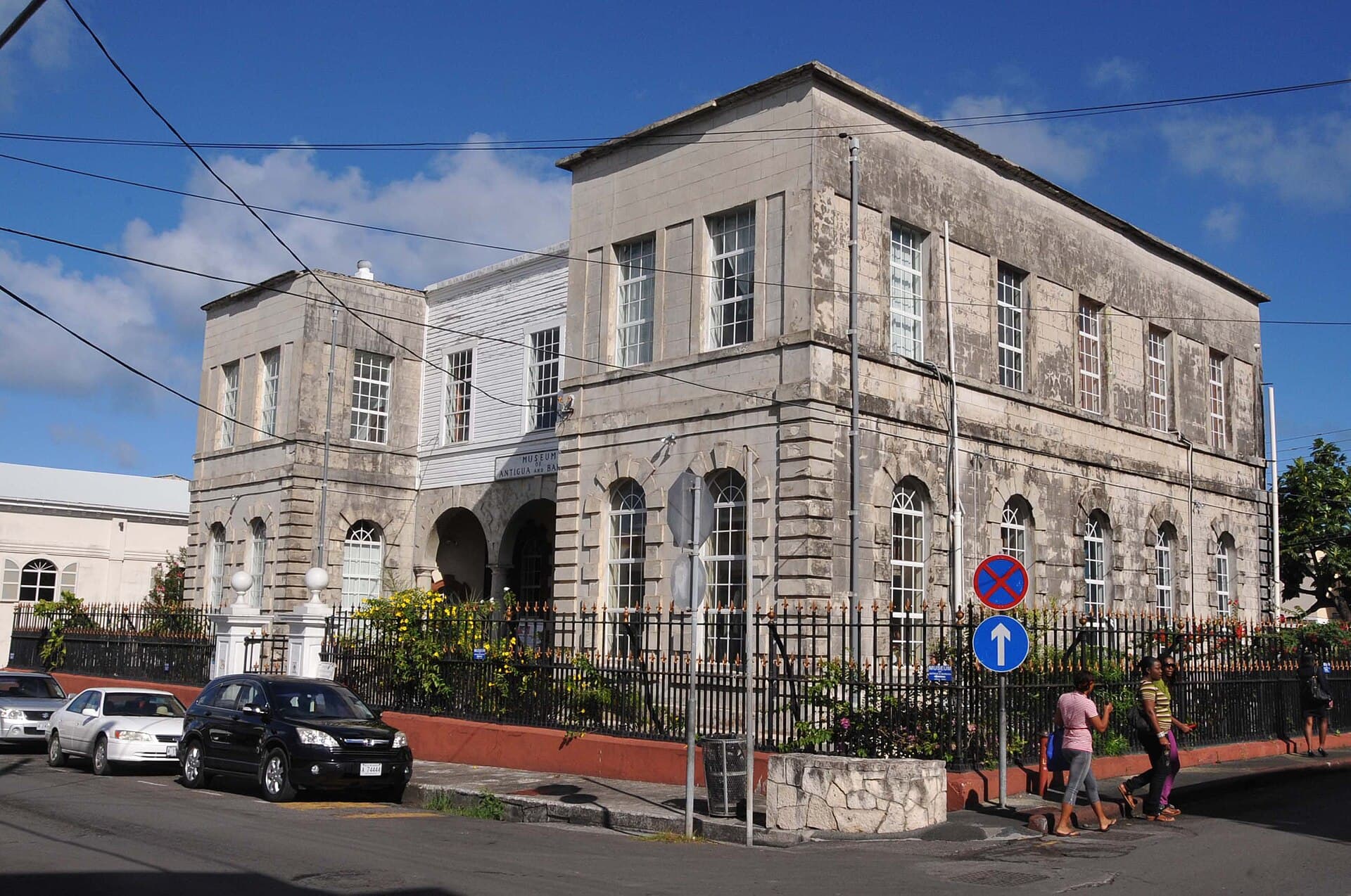
All four end in the same passport. They differ in what you get back and who they suit.
The National Development Fund, $230,000
A one-time gift to a government fund, audited annually and non-refundable. One contribution covers a family of up to four, and each extra dependent adds $15,000. Roughly four in five applicants take this route, and it moves quicker than the property route, because there's no closing to wait on.
The university fund, $260,000
Open only to families of six or more, which makes it the cheapest per person of any Caribbean program at that size. It includes a year of tuition at the University of the West Indies for one family member.
Approved real estate, $300,000
Buy into a project the government has approved and hold it for five years. You can rent it out. The license a foreign buyer normally needs, worth 5 percent of the value, is waived on approved property. Resale is the risk: the market is thin, and the buyer for a five-year-old citizenship unit is usually the next applicant.
A business, $1.5 million
Either $1.5 million on your own, or $400,000 each into a joint venture totaling $5 million. Almost nobody uses it.
The pressure
Washington moved first, then Brussels
Two governments moved against this passport inside seven months. Neither one hurts an American buyer much.
What Washington did
Presidential Proclamation 10998, signed on December 16, 2025, took effect January 1, 2026. It suspended new immigrant visas plus B-1, B-2, F, M and J visas for nationals of Antigua and Barbuda, and named citizenship by investment without a residency rule as the reason. Nothing issued before that date was revoked. Dual nationals traveling on an unrestricted passport are outside it, so you'd still enter the U.S. on your U.S. passport. The exposure sits with foreign relatives you add to the file. A 180-day review cycle runs alongside it.
What Brussels asked for
On June 25, 2026, the European Commission wrote to all five Caribbean programs asking them to wind down by June 1, 2028, with tighter vetting in the meantime. No visa-free access has been suspended, and the 2028 date is a phase-out request, not a switch-off. The Commission reports again in December 2026.
Who decides the travel part, and it isn't Antigua
All five Caribbean governments say citizenship already granted stays valid, and there's no reason to doubt them. That isn't the exposure. Visa-free entry to Europe is decided in Brussels, not St John's, and it can be withdrawn without anyone touching your citizenship. Vanuatu is the precedent: partially suspended in 2022, off the visa-exempt list by February 2023. Canada dropped Antigua's visa-free entry back in 2017. Price this passport on what it still does if the European line goes.
Tax
The passport and your tax bill are different problems
Citizenship and tax residency are two separate purchases
An Antiguan passport by itself changes nothing about where you're taxed. You become a tax resident by spending 183 days a year there, or through a separate program: keep a home on the island, show $100,000 of annual income, spend 30 days a year there, and pay a flat $20,000. You get a residency certificate and a tax number.
For an American, the math barely moves
Washington taxes its citizens on income earned anywhere, whatever else you hold. There's no tax treaty with Antigua or totalization agreement. Because you'd pay no local income tax, there's no foreign tax credit to claim; your pension, dividends and capital gains are taxed exactly as they are now. Your accounts on the island get reported anyway under FATCA and the Common Reporting Standard.
The only real exit
Renouncing U.S. citizenship. The State Department fee dropped to $450 in April 2026, but the tax side is unchanged: $2 million in net worth, $211,000 of average annual tax, or a gap in five years of filings makes you a covered expatriate and triggers an exit tax. You also need another citizenship in hand first. That's the one mechanical reason Americans buy this passport.
Bring these three in before you file

Arton Capital
Golden Visas
Antigua accepts files only through licensed agents, so you'll file through somebody. Arton Capital works investment migration across the Caribbean and lists Antigua among its programs. Ask which routes it has closed this year.

MyExpatTaxes
U.S. Expat Tax Service
MyExpatTaxes files U.S. returns for Americans abroad. Price the renunciation question with them before you buy the passport that would make renouncing possible, because the tax tests are what decide whether it's worth doing.

Moneycorp
Currency Exchange
Moneycorp handles international transfers. You'll wire this in two parts, due diligence first and the investment on approval, so ask how each leg is priced.
Questions buyers ask us first
How much does Antigua and Barbuda citizenship by investment cost in 2026?
The entry point is $230,000 into the National Development Fund, and that single payment stretches to four people. Then come the fees: government processing of $10,000 for one applicant or $20,000 for a family of four, due diligence of $8,500 on the main applicant, and $300 per passport. One person lands near $248,800.
Who can I include on one application?
Antigua has some of the widest family rules in the Caribbean. A spouse, children up to about 30, unmarried siblings, and parents or grandparents from age 55 can share one file. The fund contribution covers four people, and each additional dependent adds $15,000 plus their own due diligence and passport fees.
What happens if the EU ends visa-free travel for Antigua?
Your citizenship stays. The travel benefit is the part at risk, and that decision belongs to Brussels rather than to Antigua. The Commission has asked the five Caribbean programs to wind down by June 2028 and reports again in December 2026. Nothing has been suspended yet. Vanuatu lost its visa-free access in 2023, so the risk is real.
How long does it take to get an Antiguan passport?
Three to six months is the published answer, and our data card says 90 days. Agents who file these describe a queue at the Citizenship by Investment Unit, with live cases running 10 to 18 months. Budget a year. Ask for the dates of your agent's last few approvals, and treat a quicker promise as a sales number.
Do I have to live in Antigua and Barbuda to keep the citizenship?
Barely. The old rule asked for five days on the island inside your first five years. A 2026 bill raises that to 30 days, still measured across five years rather than annually, and the government says it's already applying it. Passport renewal is tied to meeting it. Confirm where the rule stands before you book the trip.
Does Antiguan citizenship lower my US taxes?
No. A second passport doesn't move you out of the US tax system, because it's your American citizenship that triggers it and you would still hold that. There's no US tax treaty with Antigua, and since you'd owe no local income tax, there's no foreign tax credit to claim either. Only renunciation ends the filing.
What did the 2026 US visa restrictions change for Antiguan passport holders?
Proclamation 10998 took effect on January 1, 2026 and suspended new immigrant, tourist, business, student and exchange visas for Antiguan nationals, citing the citizenship program. Visas issued earlier still work. Dual nationals traveling on an unrestricted passport are not covered, so an American buyer keeps using their US passport and is unaffected.
Is a second citizenship even your best move?
See which countries fit your money, your family and the timeline you can live with.
Why not you?