Brazil's investor visa: residence from a stake in a business or a home
Two routes for Americans with capital to put to work: a Brazilian company or urban real estate. Here's what each one asks for, costs and leads to.
This is the Brazil route for people whose money is savings or business capital rather than a pension or paycheck. Both versions can lead to indefinite residence, and Brazil's naturalization law asks for four years of residence after that door opens.

The four amounts that qualify you (dollars at the September 2026 rate)
R$500,000
Invested in a Brazilian company
about $96,500
R$150,000
Innovation or research company
about $29,000
R$1,000,000
Urban property, most of Brazil
about $193,000
R$700,000
Urban property, North and Northeast
about $135,000
Route 1 · A stake in a company
Putting R$500,000 into a Brazilian business
The money goes into the share capital of a Brazilian company and gets registered with the Central Bank as foreign direct investment. Your business plan does the persuading, so be specific about jobs and revenue. It's built for founders, not for parking cash.
- Innovation or basic and applied research projects can qualify from R$150,000
- Residence is indefinite, as long as you can prove the business plan is being carried out
- Setting up the company (Junta Comercial, CNPJ, bank account) takes about 30 to 60 days
- You can file at a Brazilian consulate or from inside Brazil through the Ministry of Justice
Investment Visa
For investors making significant financial contributions to Brazil, leading to permanent residency.
- Government cost
- $290
- Processing time
- ~30 days
- Timeline
- Permanent residency possible
- Difficulty
- Moderate
Key requirements
- Valid passport
- Completed application
- Proof of investment (R$500,000+ in a company, R$150,000+ in research, or real estate purchase of R$700,000–1,000,000 depending on region)
- Business plan
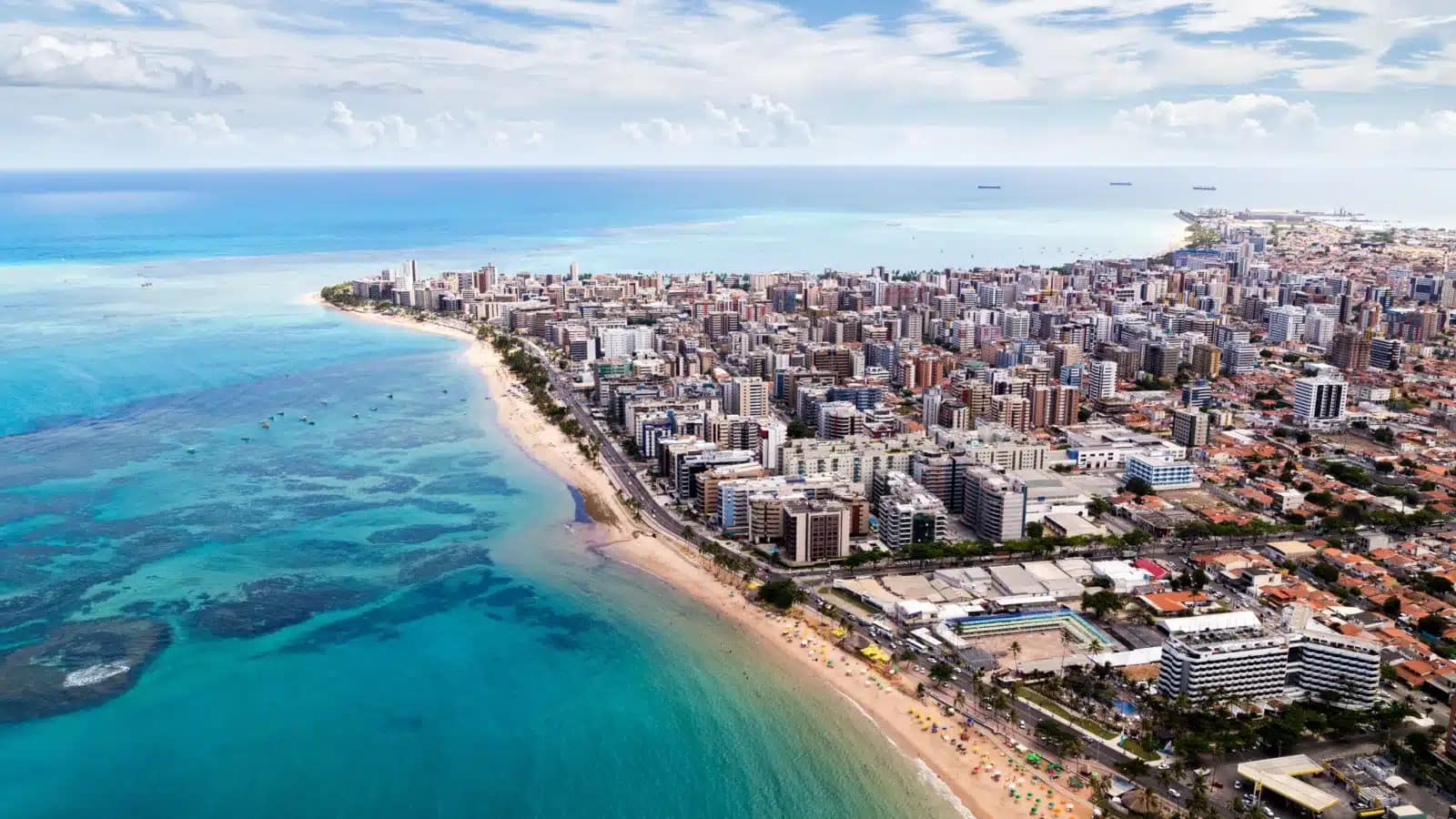
Route 2 · Property
Buying a home worth R$1 million, or R$700,000 up north
Urban homes count, finished or still under construction, and several properties can add up to the total. You can finance only what's above the minimum. It suits people who want a Brazilian home anyway.
- Residence runs four years, then can become indefinite if you still meet the rules
- Spend at least 14 days in Brazil in every two-year period
- Selling the property ends the basis for your residence
- Budget for transfer tax: São Paulo charges 3%, or R$30,000 on a R$1,000,000 home
Older guides describe the 2018 property rules
Plenty of sites still say property residence lasts two years and needs 30 days in Brazil every two years. Resolution 46 of December 2021 moved the term to four years, and the presence rule is now 14 days. If an advisor quotes the old terms, ask which version they're reading.
From first call to residence card
Scout on the e-visa
Since April 10, 2025, Americans need a visa just to visit. The US$80.90 e-visa covers house-hunting trips of up to 90 days.
Get U.S. papers ready
Birth and marriage records need an apostille and a sworn Portuguese translation. A U.S. marriage also has to be transcribed in a Brazilian registry.
Move and register the money
The investment arrives by international transfer and is registered with Brazil's Central Bank. Lawyers warn remittance approvals can drag.
File and wait
A Brazilian firm reports three to six months from a complete company-route filing to a decision. Clean property files have been taking about a month.
Register with the Federal Police
Do it within 90 days of arriving on the visa. Fees are R$168.13 to process and R$204.77 for the CRNM card, about $72 together.
Budget for the extras
One firm puts translations, apostilles, company setup and legal work at roughly R$5,000 to R$9,000, about $1,000 to $1,700.
The long game
Taxes, family and a second passport
Brazilian tax residents report income from abroad every month, and there's no U.S.-Brazil income tax treaty. Map out both returns before you wire a dollar.
- On a temporary visa, you become a Brazilian tax resident at 184 days in any 12 months
- Your spouse or partner, children and parents can apply for family-reunion residence
- Naturalization needs four years of residence and the ability to communicate in Portuguese
- Brazil and the U.S. both let you keep your U.S. citizenship when you naturalize
People who can help with a Brazil investment

Rodrigo Martinez
Brazil Local Guide
A Brazil local guide who has built businesses and bought property there. He can talk through cities, daily life and what a property purchase involves.

Moneycorp
Currency Exchange
A currency and payments company that converts dollars to reais, including large one-time transfers like an investment.

MyExpatTaxes
U.S. Expat Tax Service
Online U.S. tax filing for Americans who live abroad, with software and human preparers.

Beacon Global Advisors
Financial Planning
Financial planners for Americans overseas who manage U.S. retirement and brokerage accounts after a move.
Brazil investor visa questions
How much do I need to invest to get residence in Brazil?
It depends on the route. Investing in a Brazilian company takes R$500,000 (about $96,500 at September 2026 rates), or R$150,000 (about $29,000) for innovation or research projects. Buying urban property takes R$1,000,000 (about $193,000), or R$700,000 (about $135,000) in the North and Northeast regions.
Does buying property in Brazil give you permanent residency?
Not right away. Property investors get residence for four years, which can then become indefinite if they still own the property and meet the other rules. That includes spending at least 14 days in Brazil in every two-year period. Selling the property ends the basis for the residence.
Can I become a Brazilian citizen and keep my U.S. passport?
Yes. Ordinary naturalization requires four years of residence, the ability to communicate in Portuguese and no criminal conviction, or one year with a Brazilian spouse or child. Brazil allows dual citizenship when the other country does, and the State Department says naturalizing abroad doesn't put U.S. citizenship at risk.
How long does Brazil's investor visa take?
For the company route, setting up the company takes about 30 to 60 days, and a Brazilian firm reports three to six months from a complete filing to a decision. Clean property applications have been taking about a month. After you arrive on the visa, you have 90 days to register with the Federal Police.
Do I have to create jobs for Brazil's investor visa?
For an individual investing R$500,000 in a company, the business plan has to show the potential to create jobs and income, and you must later prove the plan is being carried out. A fixed job count belongs to a separate route for company managers, which pairs R$150,000 with at least ten new jobs within two years.
Can my spouse and children move to Brazil with me?
Yes. Brazil offers family-reunion residence to the spouse or partner, children, parents and legal dependents of a foreign resident. Expect to provide apostilled birth or marriage certificates with sworn Portuguese translations, and a U.S. marriage has to be transcribed in a Brazilian registry.
Will I owe taxes in Brazil if I move on an investor visa?
Probably. A temporary-visa holder becomes a Brazilian tax resident after 184 days in Brazil within 12 months, and a permanent-visa holder on arrival. Tax residents report income from abroad monthly. There's no U.S.-Brazil income tax treaty, and you still file a U.S. return every year.
Can I use a mortgage to qualify for Brazil's property investor residence?
Only for the part above the minimum. The qualifying R$1,000,000 (or R$700,000 in the North and Northeast) has to come from abroad by international transfer, documented by a bank. Financing can cover anything you spend beyond that.
See whether Brazil fits better than your other options
The free Expatsi Test compares countries on cost, healthcare, climate, safety and the visa you'd actually qualify for.
Why not you?