6 Best Countries for a Quick Exit


April 20, 2025 · Updated November 12, 2025 · 2 min read
The process of gaining residency in a foreign country can be a long one, with lots of steps involved. But many prospective expats don’t plan on waiting long — our own Expatsi Report revealed that 12% of respondents planned to move in six months or less. And even without that tight timeline, circumstances can change suddenly and call for a quicker exit.
Some countries are more accepting of those quick exits than others — many require you to apply for residency while you’re outside the country. So if you want to move first and ask questions later, these six countries allow U.S. residents to travel there without a visa and apply for residency while you’re there.
Albania

Photo Credit: Shutterstock.
The first step in obtaining a residency permit while you’re in Albania will be to stop by the U.S. Embassy in Tirana for an Affidavit of Eligibility. You’ll need that for your application. To get the permit itself, you’ll apply at your Regional DMB Police. (Different offices have different procedures, so it’s best to check with your regional office before coming in to apply.)
Colombia

Photo Credit: Shutterstock.
Colombia currently offers 12 different types of visas, from marriage to freelancer to “promotion of internationalization,” so your first step will be to determine which residency visa you’re hoping to get. You’ll apply at the Colombian Ministry of Foreign Affairs, and processing time will be about a week. And once that comes in, you can register with the immigration authorities and receive your Temporary Resident Permit Card.
Ecuador

Photo Credit: Shutterstock.
The process of applying for temporary residency in Ecuador involves lots of small steps, lots of paperwork, and a meeting with the Ministry of Foreign Affairs and Human Mobility, available by appointment only. Once you’re approved, you can apply for your ID card — the process will generally take three to four months.
Paraguay
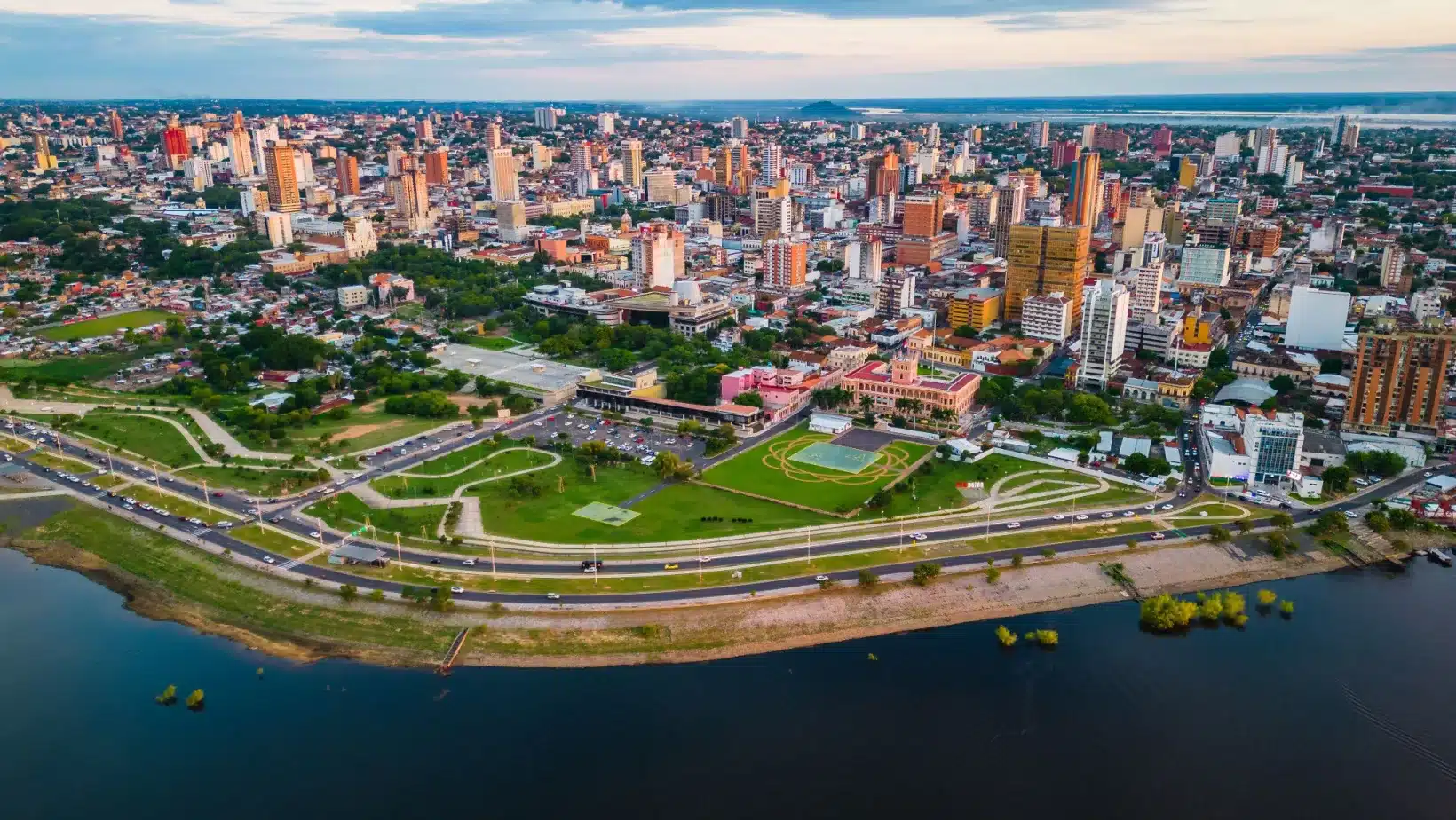
Photo Credit: Shutterstock.
Obtaining temporary residency in Paraguay requires two steps. First, you’ll need to apply in person at the immigration offices in Asunción. You’ll receive a 3-month residency permit that will cover the time it takes to process your application — about 90 days. Then you’ll receive your temporary residency card, which allows you to apply for your Paraguayan ID card.
Spain

Photo Credit: Shutterstock.
You can apply online for a digital nomad visa through the _La Unidad de Grandes Empresas (_UGE) system while you’re there as a tourist.
Uruguay

Photo Credit: Shutterstock.
If you have all your paperwork with you, you can get off the plane and go straight to the National Migration office to apply for residency (or use their online portal). You’ll need to be in Uruguay anyway to receive a Uruguay-issued health card and establish an address.
Once your application is underway, you’ll take all your immigration paperwork to the DNIC for your ID card. You’ll receive a temporary ID card, marked “in process,” to use until your application is approved. You can expect to wait 12-18 months for your application to be processed and approved, and then you can replace your temporary ID with a permanent one.