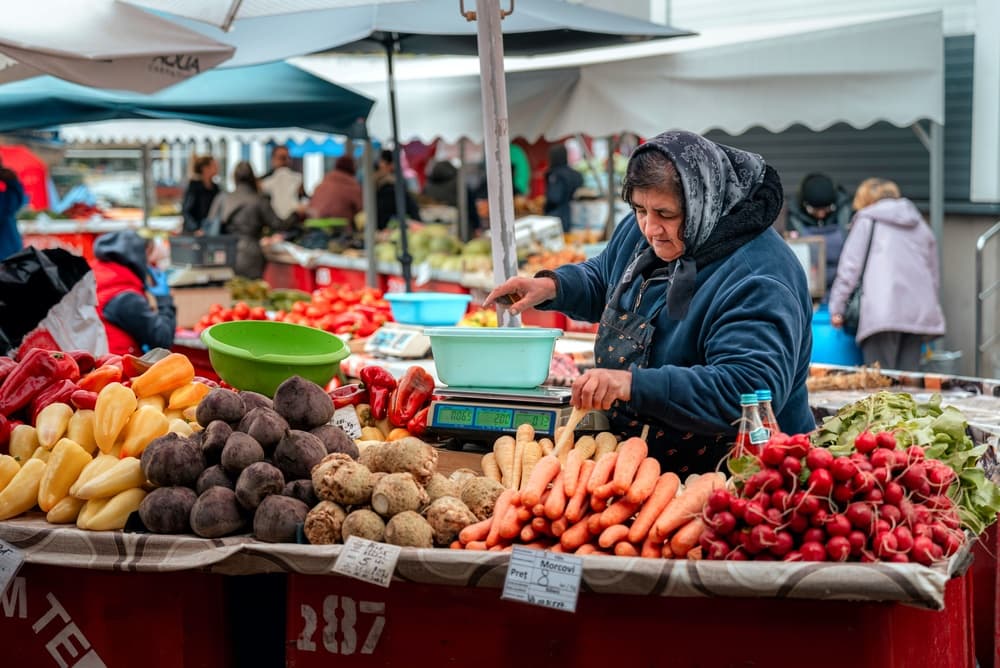
Bucharest: Romania's capital, if you pick the right building
The country's biggest job market, private clinics with English-speaking staff and a metro that beats the traffic, plus an earthquake risk every renter should check.
- 1,716,961
- Population (2021)
- $1,700/mo
- Monthly budget · single
- 53°F / 11°C
- Avg temperature
A single person in Bucharest spends about $1,700 a month in U.S. dollars, and most land between $1,400 and $2,000. Budget about $2,600 for a couple and $3,700 for a family of four. A one-bedroom in the center rents for around $850, or about $600 farther out. Those are 2026 figures.
Bucharest suits people who want a real capital: Romania's most jobs and most direct flights, private hospital networks, Herăstrău Park and a metro that skips the gridlock. Expat families have long settled in the north, in Floreasca, Dorobanți, Primăverii, Băneasa, Pipera and the streets around the park, partly for access to international schools.
It's a weaker fit if you want quiet, easy driving or a mild winter. Traffic is heavy, January highs average about 37°F, and Bucharest is considered the EU capital most at risk from earthquakes, so the building you rent matters as much as the neighborhood.

Reviewed and updated October 22, 2026 · 4 min read
At a glance
$1,700
Monthly budget · single person
$850/mo 1-bed rent, center
72/100
Safety index
$10
Internet / month
53°Fannual average
Jan 30° · Jul 73°
Climate
1,716,961
Population (2021)
Expatsi estimates, updated Oct 2026, based on rental listings, government statistics, and local reporting.
Cost of living
What it costs to live in Bucharest
Single person
$1,400–$2,000/mo
about 45% below Austin, TX
Couple
$2,100–$3,000/mo
about 45% below Austin, TX
Family of four
$3,000–$4,400/mo
about 55% below Austin, TX
Compared with Austin, TX (Expatsi estimate, 2026).
- $13 −35%
- Inexpensive meal
- $700–$1,000/mo −56%
- 1-bed rent, center
- $500–$700/mo −56%
- 1-bed rent, outside
- $10/mo −85%
- Internet
- $40/mo −3%
- Transit pass
- $316/sq ft −51%
- Buy price, center
Expatsi estimates, updated Oct 2026, based on rental listings, government statistics, and local reporting.
Daily life
How Bucharest lives
- B+ grade, 64th percentile among the cities we track
- Dining & cafésstrong
- A- grade, 82nd percentile among the cities we track
- Arts & culturestrong
- B+ grade, 64th percentile among the cities we track
- Parks & outdoorsstrong
- A- grade, 72nd percentile among the cities we track
- Schools & educationstrong
- A grade, 85th percentile among the cities we track
- Healthcare accessstandout
- B grade, 46th percentile among the cities we track
- Bike infrastructuretypical
- A- grade, 74th percentile among the cities we track
- Public transitstrong
- A grade, good physical accessibility
- Accessibilitygood
Graded on OpenStreetMap amenity density relative to the 436 cities we track. Accessibility is the exception: it's graded against a fixed standard (terrain steepness and sidewalk surfaces), not a curve.
Climate
Weather through the year
Annual average 53°F (11°C) · 25 in of rain a year · Source: Meteostat station normals (15420, 1991-2020)
On the ground
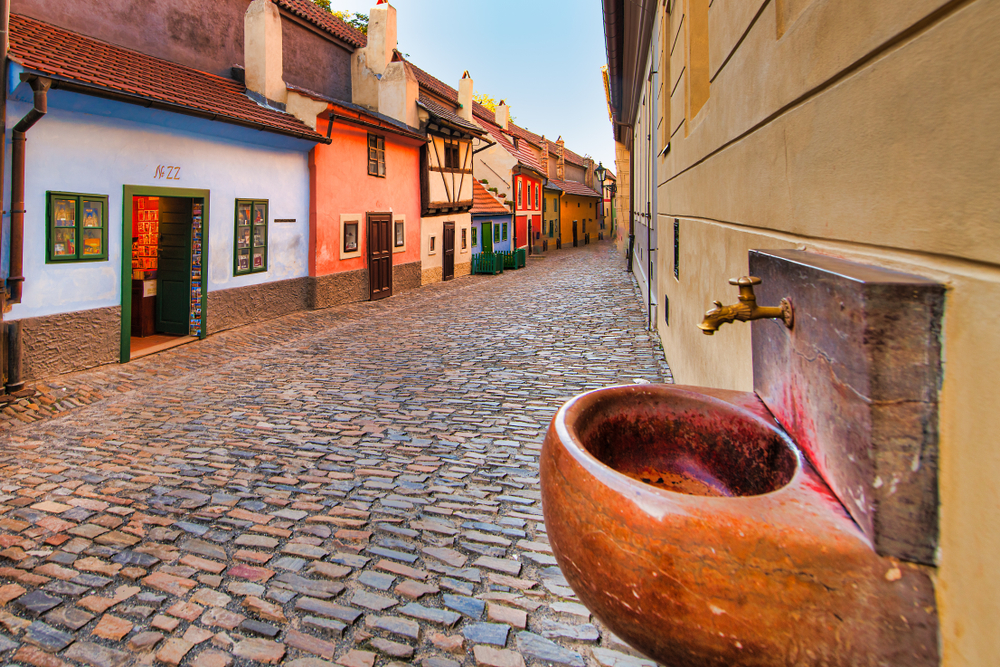
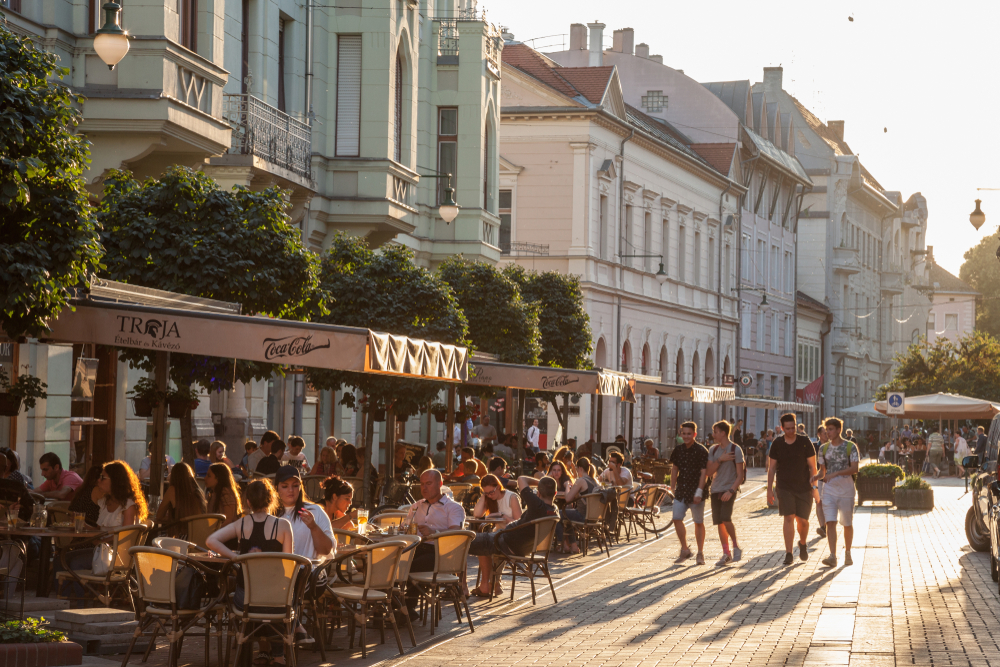
Scenes from Bucharest
Getting around
Transport in Bucharest
The metro is the way across Bucharest that skips the traffic. Above ground, STB runs the buses, trams and trolleybuses, and the metro and surface network together come to about $40 a month for a regular rider. Both STB and Metrorex moved to raise fares in 2026, so check current ticket prices before you budget.
There's no metro to Henri Coandă Airport yet. Line M6, which will link Gara de Nord to the airport, is under construction, with completion expected around 2028.
Romania regulates ride-hailing under a 2019 emergency ordinance, and drivers need a passenger-transport training certificate from the Romanian Road Authority. It's a handy backup late at night or with luggage.
Here's the catch: driving across town eats your day. If you rent within walking distance of a metro station, you can live here without a car and rent one for trips out of the city.
- 43/sq mi
- Transit stops
- 3.3/sq mi
- Bike infrastructure
- 42/sq mi
- Wheelchair-accessible places
Mapped features per square mile from OpenStreetMap.
Keep exploring
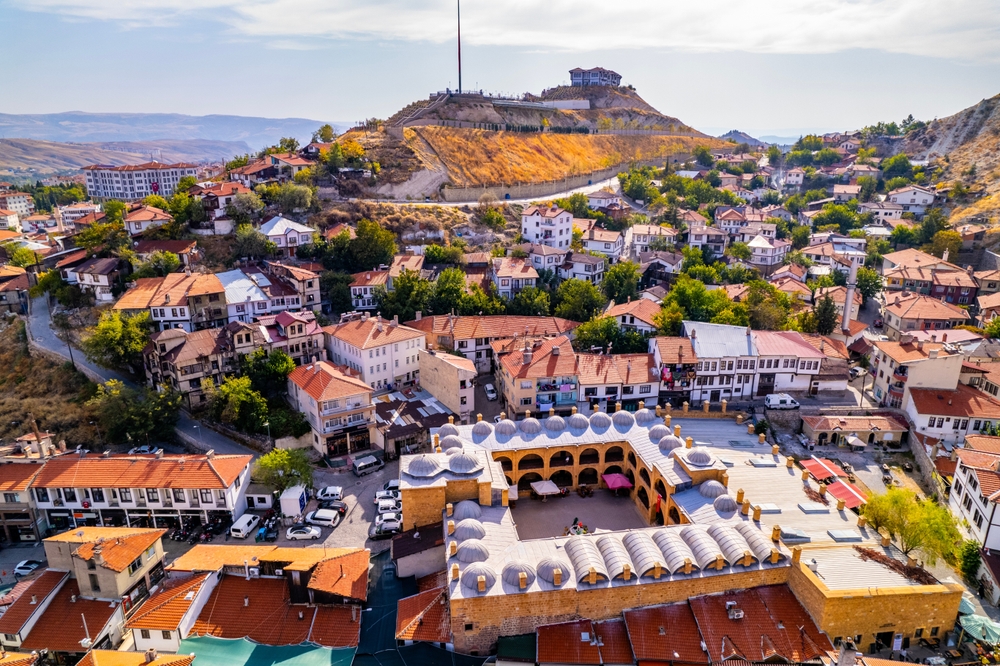
Places like Bucharest
Community
Community & practical notes
Community: Expat managers, diplomats and their families have long clustered in the northern neighborhoods, near Herăstrău Park and with access to international schools. If you plan to stay past 90 days, the State Department says you'll need a residence permit, so start that paperwork early.
Choosing a building: Buildings rated seismic risk class 1, meaning risk of collapse in a strong earthquake, are marked with a red dot, and in 2024 Bucharest had 391 of them. Renting out homes in those buildings has been banned since January 2024, yet some are still listed without saying so. Look at the front of the building, ask the landlord for its seismic class in writing, and lean toward newer construction.
Healthcare: The State Department says medical care in Romania generally isn't up to Western standards, hospitals often want payment up front, and Medicare won't cover you. Bucharest's private networks fill much of that gap. The U.K. government's facility list includes Medicover, MedLife, Regina Maria and Sanador, each flagged as having English-speaking staff; several sell subscriptions that cover routine visits. Carry international coverage with medical evacuation.
Remote work: Home internet runs about $10 a month. Impact Hub has spaces in Floreasca, near Universitate and in Timpuri Noi, and Commons, Spaces and Mindspace run locations around the city. Prices vary by location and plan, so try a day before you sign up for a month.
LGBTQ expats: Romania doesn't give same-sex couples any legal recognition yet. The European Court of Human Rights ordered it to protect same-sex families in Buhuceanu, Ciobotaru and others v. Romania, but ILGA-Europe reports no law has been adopted. Bucharest Pride marked its 20th year in June 2025 with about 31,000 marchers, though the State Department notes past parades drew violent protests. Don't count on a U.S. marriage for your partner's residence permit; ask an immigration lawyer first before planning the move.
Black Americans: We found very little written about Black Americans in Bucharest. In a 2021 Travel Noire interview, an Afro-Brazilian woman who had lived in Romania for 10 years said she felt safe and found racism less aggressive than in Brazil, but described lots of surprised stares and teenagers making monkey sounds at her in a mall. That's one person, and not Bucharest-specific. Spend a few weeks here and talk to Black expats already in Romania before you commit.
Limited mobility: Plan your routes carefully. All of Bucharest's buses have a fold-out ramp and most trolleybuses are accessible, but trams mean climbing steps. Every station on metro line M4 has an elevator; on the other lines some stations still have none, and trains often sit 2 to 3 inches above the platform. Wheelchair Travel suggests power-chair users skip the metro, and the State Department warns accessibility is limited in lodging and transit. Choose an elevator building on an accessible bus route, and test it before you sign.
Retirement: Bucharest works for retirees who want a capital's hospitals, culture and flights more than warmth and calm. July and August highs average around 87°F, and winters are cold. Romania's visa menu is thinner for retirees than for remote workers, so read our Romania guide for how retirees get residence, and compare other countries on our retirement visa page.
Housing
Renting and buying
- 1-bed rent (center)
- $700–$1,000/mo
- 1-bed rent (outside center)
- $500–$700/mo
- Buy price (center)
- $316/sq ft
- Buy price (outside center)
- $214/sq ft
Expatsi estimates, based on rental listings, government statistics, and local reporting.
Good to know
Frequently asked questions
Is Bucharest a good place to retire?
It can be, if you want big-city healthcare and culture more than warm weather. Bucharest has private hospital networks with English-speaking staff and the most direct flights in Romania, but January highs average about 37°F. Romania has fewer residence options for retirees than for remote workers, so confirm your visa route before you plan the move.
Can Americans live in Bucharest for more than 90 days?
Yes, with residence status. The State Department says U.S. citizens who want to stay in Romania longer than 90 days must get a residence permit. Remote workers, employees and students each have their own route, and the right one depends on where your income comes from.
Do doctors in Bucharest speak English?
At the private networks, often yes. The U.K. government's list of Bucharest medical facilities flags Medicover, MedLife, Regina Maria and Sanador as having English-speaking staff. Expect to pay at the time of care unless you hold one of their subscriptions or accepted insurance, and Medicare doesn't cover you in Romania.
Do you need a car in Bucharest?
Not if you live near a metro station. The metro avoids Bucharest's heavy traffic, and STB buses, trams and trolleybuses cover the rest for about $40 a month. A car mainly helps for trips out of the city. There's no metro to the main airport yet; the new M6 line is expected to reach it around 2028.
How serious is the earthquake risk in Bucharest?
Serious enough to shape where you live. Bucharest is considered the EU capital most at risk from earthquakes, and buildings in seismic risk class 1, marked with a red dot, could collapse in a strong quake. Romania banned renting homes in those buildings from January 2024, but some are still listed. Ask for the building's risk class in writing before you sign.
Is Bucharest safe for Americans?
Mostly, yes. The State Department tells travelers to Romania to exercise normal precautions, and the most commonly reported crimes are robbery, pickpocketing, internet scams and credit card fraud. Bucharest scores 72 out of 100 on our safety index. The bigger long-term risk is earthquakes, so check a building's seismic class before you rent.
Is Bucharest LGBTQ-friendly?
It's increasingly visible, but the law lags. Bucharest Pride drew about 31,000 people for its 20th anniversary in June 2025. Romania still doesn't legally recognize same-sex couples, even after a European Court of Human Rights ruling ordering it to protect same-sex families, so a U.S. marriage may not help your partner get residence.
How much does it cost to live in Bucharest?
One person typically spends $1,400 to $2,000 a month in Bucharest, in U.S. dollars, with about $1,700 in the middle. A couple needs roughly $2,100 to $3,000, and a family of four $3,000 to $4,400. A one-bedroom apartment in the center rents for about $700 to $1,000 a month. These are 2026 estimates.
See how Bucharest fits your life
Take the free Expatsi Test and compare Romania to over 100 countries on what actually matters: cost, healthcare, climate, and safety. About five minutes.
Why not you?