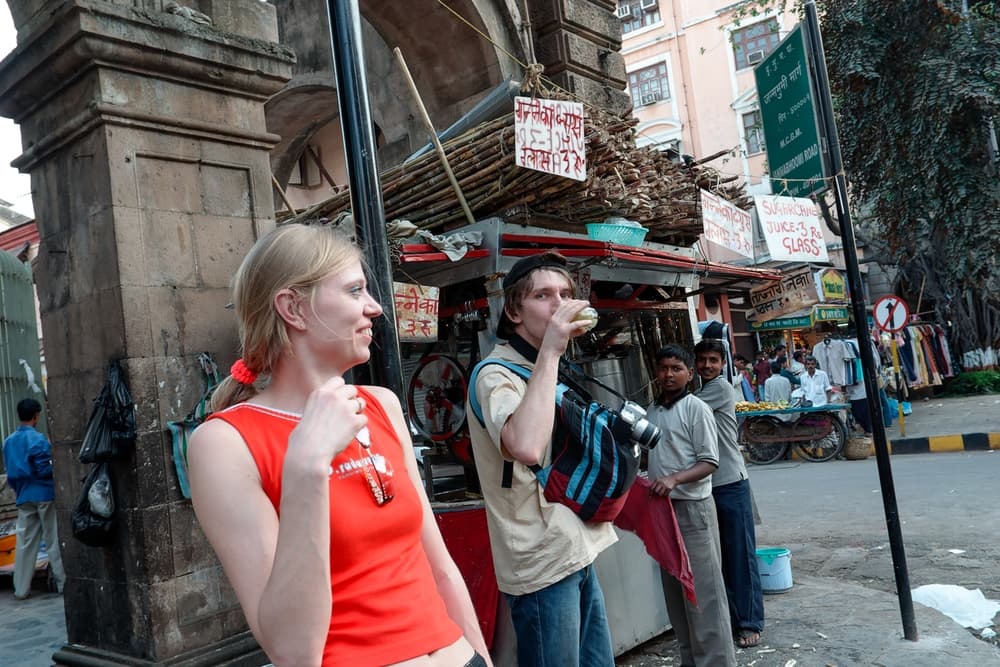
Mumbai on about $1,900 a month, monsoon included
Rent, budgets, safety and weather for Americans weighing a move to India's financial capital, plus the visa reality if you hope to retire there.
- 15,414,288
- Population (2018)
- $1,900/mo
- Monthly budget · single
- 82°F / 28°C
- Avg temperature
Budget about $1,900 a month in U.S. dollars to live in Mumbai on your own, within a range of roughly $1,600 to $2,200 in our 2026 data. A couple spends about $2,800 and a family of four about $4,000. Housing takes the biggest bite: a one-bedroom apartment in the center rents for about $950 a month, or about $600 farther out.
Mumbai suits Americans arriving with a job in finance, media or film, or a transfer with a global company, and anyone who wants a crowded, fast city on the Arabian Sea. Most expats start their apartment search in Bandra, Juhu or South Mumbai.
It's a harder fit if you want space for your money, wilt in humidity, or hope to retire here with no Indian tie. Apartments are small for the price, and the June to September monsoon can flood the streets.

Reviewed and updated October 15, 2026 · 4 min read
At a glance
$1,900
Monthly budget · single person
$950/mo 1-bed rent, center
58/100
Safety index
$10
Internet / month
82°Fannual average
Jan 77° · May 87°
Climate
15,414,288
Population (2018)
Expatsi estimates, updated Oct 2026, based on rental listings, government statistics, and local reporting.
Cost of living
What it costs to live in Mumbai
Single person
$1,600–$2,200/mo
about 40% below Austin, TX
Couple
$2,300–$3,300/mo
about 40% below Austin, TX
Family of four
$3,300–$4,800/mo
about 50% below Austin, TX
Compared with Austin, TX (Expatsi estimate, 2026).
- $3 −85%
- Inexpensive meal
- $800–$1,100/mo −51%
- 1-bed rent, center
- $500–$700/mo −56%
- 1-bed rent, outside
- $10/mo −85%
- Internet
- $15/mo −64%
- Transit pass
- $650/sq ft ±0%
- Buy price, center
Expatsi estimates, updated Oct 2026, based on rental listings, government statistics, and local reporting.
Daily life
How Mumbai lives
- C+ grade, 15th percentile among the cities we track
- Dining & cafésmodest
- B- grade, 36th percentile among the cities we track
- Arts & culturetypical
- B- grade, 30th percentile among the cities we track
- Parks & outdoorstypical
- B- grade, 30th percentile among the cities we track
- Schools & educationtypical
- B grade, 51st percentile among the cities we track
- Healthcare accesstypical
- B- grade, 27th percentile among the cities we track
- Bike infrastructuretypical
- B- grade, 36th percentile among the cities we track
- Public transittypical
- A grade, good physical accessibility
- Accessibilitygood
Graded on OpenStreetMap amenity density relative to the 369 cities we track. Accessibility is the exception: it's graded against a fixed standard (terrain steepness and sidewalk surfaces), not a curve.
Climate
Weather through the year
Annual average 82°F (28°C) · 91 in of rain a year · Source: Meteostat station normals (43057, 1991-2020)
On the ground
Scenes from Mumbai
Getting around
Transport in Mumbai
Mumbai is a rail city. The suburban trains are the quickest way to cover long north-south distances, and they keep coaches set aside for passengers with disabilities.
The metro is catching up. Line 3, the underground Aqua Line, opened fully in October 2025 and runs from Aarey in the north to Cuffe Parade in the south, with stops at Bandra-Kurla Complex and the airport. Officials put the airport to Cuffe Parade ride at about 45 minutes, and the line has women-only cars. If you'll work in BKC or the south, living near a Line 3 station makes daily life much easier.
Buses and ride-hailing apps fill the gaps. One local quirk: auto-rickshaws aren't allowed in South Mumbai, so taxis cover short trips there. Our data puts monthly transportation at about $15.
Most expats skip owning a car. Traffic is heavy across this crowded city, and between trains, the metro and ride apps you can manage without one.
- 11/sq mi
- Transit stops
- 0.3/sq mi
- Bike infrastructure
- 1.3/sq mi
- Wheelchair-accessible places
Mapped features per square mile from OpenStreetMap.
Keep exploring
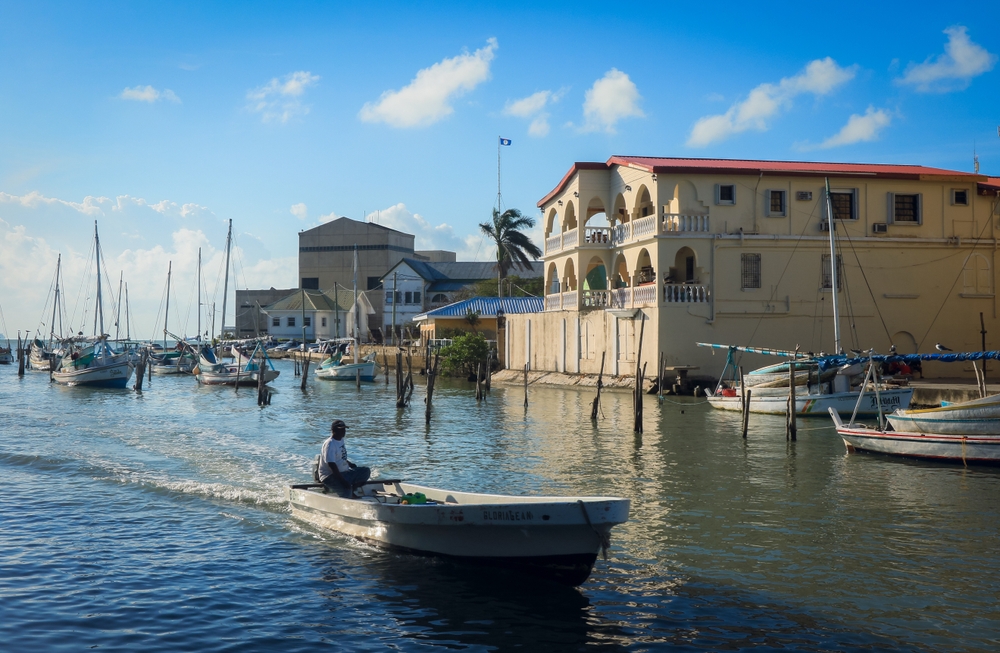
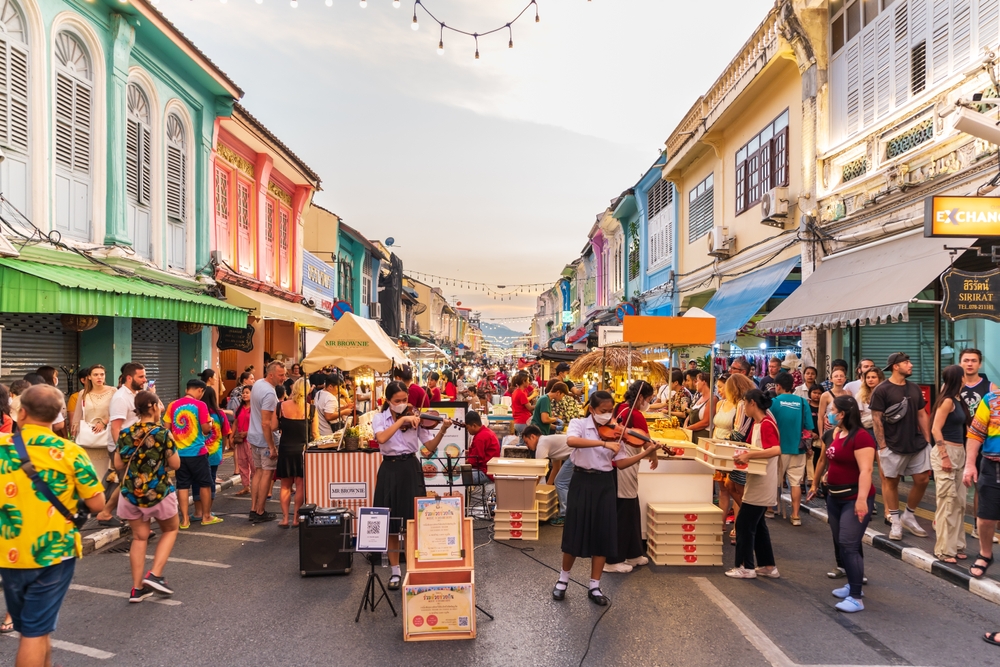
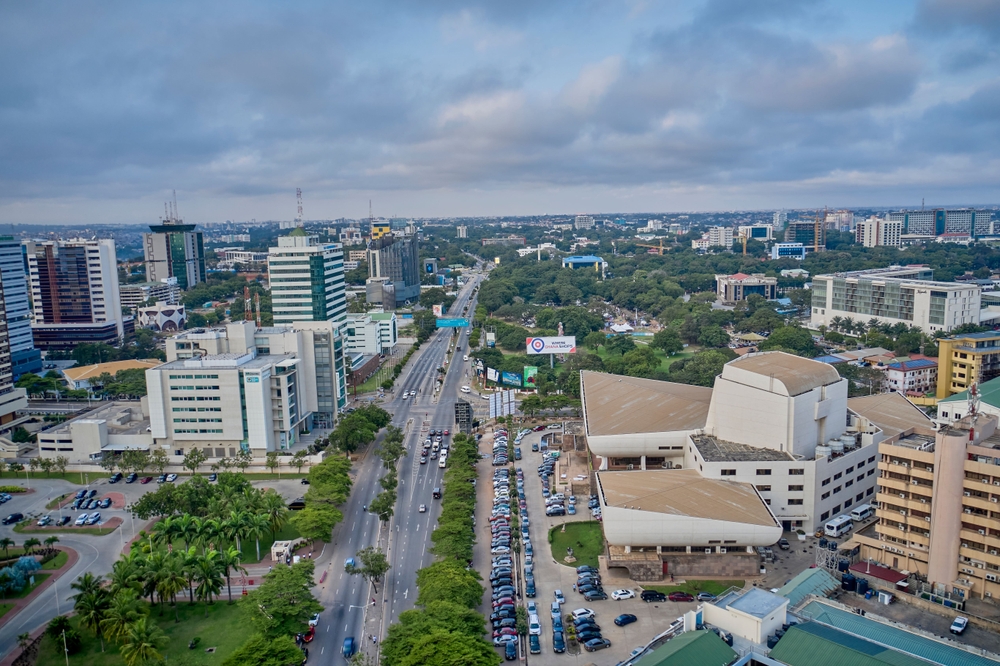
Places like Mumbai



Community & practical notes
Settling in as an American
Who's around
Americans in Mumbai usually come with a job or a family tie, so your circle tends to grow out of the office, your building and professional or alumni groups rather than a retiree scene. There's a U.S. Consulate General in the city for citizen errands. India keeps one time zone all year, nine and a half to ten and a half hours ahead of Eastern, by season, so calls home land in your evening.
Healthcare
The U.S. State Department says India's major cities may offer care that meets Western standards, and that most hospitals want payment up front or proof of insurance before treating you. It also strongly recommends coverage for medical evacuation. Sort out international coverage before you land; our healthcare coach Hunter Schultz and insurance partner ExpatInsure can help you plan it.
The monsoon
In our climate data, July averages about an inch of rain a day, and nearly all of a typical year's 91 inches falls from June through September. The dry months, December through April, see almost none. When you rent, ask how the street and building held up in last year's rains.
Internet and work
Home internet runs about $10 a month in our data. If you plan to keep a U.S. job while living here, read how work and visas fit together in our guide to moving to India before you sign a lease.
LGBTQ expats
India's Supreme Court decriminalized same-sex relationships in 2018, and Mumbai has held pride marches since 2005, though police denied a permit for the 2020 parade. In October 2023, the same court declined to legalize same-sex marriage and left the question to lawmakers, so spouse-based visas may not work for same-sex couples. The State Department notes reports of harassment and discrimination against gay and lesbian people, so plan on more discretion than at home.
Black Americans
We didn't find reliable reporting on Black Americans' day-to-day experience in Mumbai, and we won't fill that gap with guesses. The State Department does say Western women, especially women of African descent, have reported verbal and physical harassment in India. Before you commit, talk with Black Americans already living in the city, through work networks or expat groups.
Limited mobility
Mumbai is hard going with a wheelchair or walker. Local reporting describes poorly kept footpaths with loose paver blocks and potholes, station footbridges that mean climbing stairs, and city buses with a steep first step, with fold-out ramps mainly on electric buses. Line 3 was built with accessible platforms, so a home near one of its stations helps. Budget for cars and ride apps for most trips.
Retiring here
The sea air and a $1,900 single budget draw some retirees, but the visa is the hard part: India has no dedicated retirement visa. Americans without Indian heritage, a job or an Indian spouse generally rely on tourist visas, which cap time in India at 180 days per calendar year, so Mumbai works better as a winter base than a full-time home. Americans of Indian origin should look at the OCI card. Compare other routes in our retirement visa guide.
Housing
Renting and buying
- 1-bed rent (center)
- $800–$1,100/mo
- 1-bed rent (outside center)
- $500–$700/mo
- Buy price (center)
- $650/sq ft
- Buy price (outside center)
- $353/sq ft
Expatsi estimates, based on rental listings, government statistics, and local reporting.
Good to know
Frequently asked questions
What is the weather like in Mumbai?
Mumbai is hot all year, with monthly averages from about 77F in January to about 87F in May, and May highs averaging near 93F. The monsoon runs from June through September and brings almost all of the year's rain, while December through April is mostly dry.
Is moving to Mumbai a good idea for Americans?
Mumbai works best for Americans moving with a job, an Indian family connection or a company transfer, especially in finance, media or film. It's harder for anyone who wants roomy housing on a modest budget, struggles with heat and humidity, or needs a long-term visa without an Indian tie.
Where do expats live in Mumbai?
Expats in Mumbai tend to settle in Bandra, Juhu and the older neighborhoods of South Mumbai. People who work in Bandra-Kurla Complex often look for apartments near a Metro Line 3 station to shorten the commute.
Is Mumbai safe for Americans?
Mumbai scores 58 out of 100 on the safety index in Expatsi's 2026 data, with a crime index of 42. Most Americans live there without serious trouble, but petty theft and harassment happen, and the State Department warns that strong currents cause drownings at Mumbai's beaches every year. Check the State Department's current advisory for India before you go.
How much does it cost to live in Mumbai?
One person needs about $1,900 a month to live in Mumbai in 2026, with most budgets falling between $1,600 and $2,200. Rent drives the total: a one-bedroom apartment in the city center typically costs $800 to $1,100 a month, while one outside the center runs about $500 to $700.
Do you need a car in Mumbai?
No. Most expats in Mumbai get by on suburban trains, the metro, buses, taxis and ride-hailing apps, and transportation runs about $15 a month for one person. Traffic is heavy, so many people who want door-to-door travel hire a driver or use ride apps instead of buying a car.
Can Americans retire in Mumbai?
Not easily. India has no dedicated retirement visa, and Americans without Indian heritage, an Indian employer or an Indian spouse generally use tourist visas, which limit time in India to 180 days per calendar year. Americans of Indian origin can apply for an OCI card, which allows long stays.
See how Mumbai fits your life
Take the free Expatsi Test and compare India to over 100 countries on what actually matters: cost, healthcare, climate, and safety. About five minutes.
Why not you?