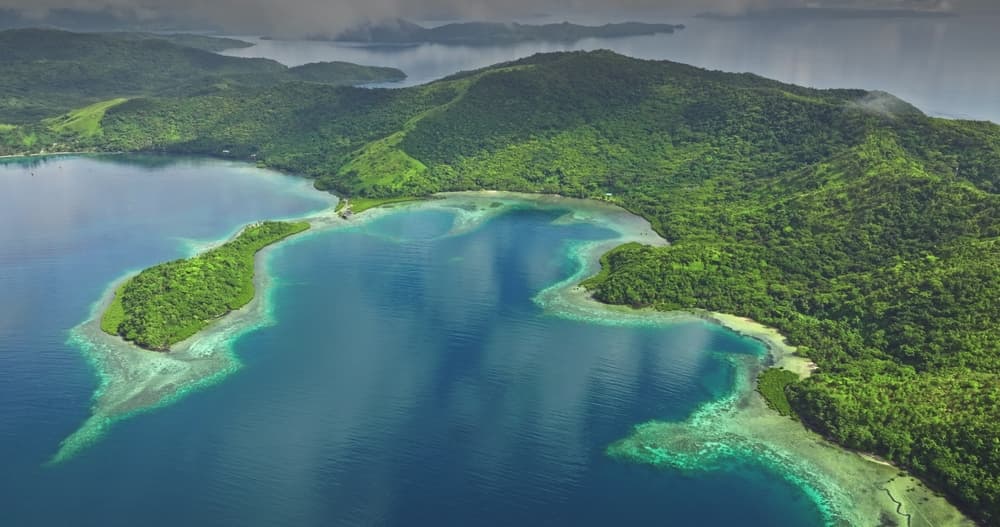
Living in Suva, the capital where Fiji does its business
Fiji's government, university and embassy town on the wet southeast coast of Viti Levu, with the country's largest hospital and an IB international school.
- 88,271
- Population (2009)
- $1,900/mo
- Monthly budget · single
- 78°F / 25°C
- Avg temperature
Plan on around $1,900 a month in U.S. dollars for one person in Suva, with $1,600 to $2,200 as the realistic range depending on how you live. A couple should budget about $2,700 and a family of four about $3,900. A one-bedroom apartment near the center rents for about $800 a month, or about $450 farther out. These are 2026 estimates, so use them to plan and check real listings before you sign anything.
Suva is Fiji's capital and its biggest city. The country's main referral hospital is here, along with the main campus of the University of the South Pacific and the embassies, including the U.S. Embassy. The city runs on government, university and aid work more than tourism, and it sits on the rainy side of Viti Levu.
It suits people who put services ahead of a beach view: retirees who want to live near Fiji's largest hospital, families who need an international school, and anyone working with the government, the university or a regional organization. If a lagoon out the window is the dream, Fiji's drier west coast is a better match.

Reviewed and updated October 9, 2026 · 4 min read
At a glance
$1,900
Monthly budget · single person
$800/mo 1-bed rent, center
50/100
Safety index
$50
Internet / month
78°Fannual average
Jul 74° · Feb 81°
Climate
88,271
Population (2009)
Expatsi estimates, updated Oct 2026, based on rental listings, government statistics, and local reporting.
Cost of living
What it costs to live in Suva
Single person
$1,600–$2,200/mo
about 40% below Austin, TX
Couple
$2,200–$3,200/mo
about 40% below Austin, TX
Family of four
$3,000–$4,800/mo
about 50% below Austin, TX
Compared with Austin, TX (Expatsi estimate, 2026).
- $5 −75%
- Inexpensive meal
- $650–$950/mo −59%
- 1-bed rent, center
- $350–$550/mo −67%
- 1-bed rent, outside
- $50/mo −23%
- Internet
- $149/sq ft −77%
- Buy price, center
Expatsi estimates, updated Oct 2026, based on rental listings, government statistics, and local reporting.
Daily life
How Suva lives
- C+ grade, 15th percentile among the cities we track
- Dining & cafésmodest
- C+ grade, 20th percentile among the cities we track
- Arts & culturemodest
- C+ grade, 19th percentile among the cities we track
- Parks & outdoorsmodest
- B- grade, 29th percentile among the cities we track
- Schools & educationtypical
- C grade, 15th percentile among the cities we track
- Healthcare accessmodest
- C- grade, 0th percentile among the cities we track
- Bike infrastructuremodest
- B- grade, 34th percentile among the cities we track
- Public transittypical
Graded on OpenStreetMap amenity density relative to the 298 cities we track. Accessibility is the exception: it's graded against a fixed standard (terrain steepness and sidewalk surfaces), not a curve.
Climate
Weather through the year
Annual average 78°F (25°C) · 116 in of rain a year · Source: Meteostat station normals (91683, 1991-2020; no sunshine data); sunshine: Suva (Laucala Bay) (1991–2020 normals) via en.wikipedia.org/wiki/Suva
On the ground
Scenes from Suva
Getting around
Transport in Suva
Day to day, people in Suva get around by bus, taxi or their own car. Buses leave from the main bus station downtown, and they're cashless: you board with a topped-up eTransport card, sold at Vodafone outlets, and drivers won't take cash. Keep in mind that the U.S. State Department advises against public buses and minivans for safety reasons, and says never to get into a taxi that already has passengers in it.
The downtown core is compact enough to walk for errands in daylight, though heat and heavy rain make a short taxi ride tempting. After dark, the State Department's advice is not to walk alone. If you drive, expect paved but poorly kept city roads and rush-hour traffic on the road toward Nausori. Outside town, poor lighting, stray animals and potholes make night driving hazardous.
Nausori Airport, about 14 miles (23 km) from the city, handles domestic flights and some regional ones. For long-haul trips home you'll usually go through Nadi International Airport on the far side of the island, either by a short domestic flight or by express bus, which takes roughly three and a half to four hours.
- 11/sq mi
- Transit stops
- 0.0/sq mi
- Bike infrastructure
- 2.6/sq mi
- Wheelchair-accessible places
Mapped features per square mile from OpenStreetMap.
Keep exploring
Places like Suva
Community and practical notes
What daily life takes in the capital
Community
Many of the foreigners you'll meet in Suva are here for work: embassy staff, University of the South Pacific faculty, and people with regional and aid organizations. That gives you a ready-made professional circle, though you'll build a social one yourself. Find Your Feet Fiji puts together Fiji relocation plans, and Lynette Wilson works as a Fiji local guide if you'd like someone to show you around before you commit.
Healthcare
Colonial War Memorial Hospital on Waimanu Road is Fiji's main teaching and referral hospital, and the UK government lists it as the largest in the country. For private care, Oceania Hospitals on Amy Street offers surgery, obstetrics, diagnostics and critical care. In an emergency, dial 911, but don't count on a fast ambulance. The State Department says hospitals and doctors often want payment before treatment; psychiatric care is limited; and it strongly recommends medical evacuation coverage. Hunter Schultz, a healthcare coach, and ExpatInsure, a global health insurer, can help you set up coverage before the move.
Schools
International School Suva, in Laucala Beach Estate, teaches in English and offers the International Baccalaureate from the primary years through the diploma.
Internet and remote work
Home internet runs about $50 a month. Speeds vary by building, so if you're on video calls all day, test the connection at the exact address before you sign a lease.
Retiring in Suva
Suva makes sense for retirees who rank hospital access above beach access, on a budget near $1,900 a month for one person. Start with our retirement visas guide, then see Fiji's options in Moving to Fiji, including the residence permit for people with assured income.
LGBTQ expats
Fiji's constitution prohibits discrimination based on sexual orientation, and consensual same-sex relationships aren't a crime. Legal recognition is another matter: the State Department warns of difficulties with marriage, adoption and inheritance, so put wills and powers of attorney in place before you go.
Black Americans
We don't yet have firsthand reports from Black Americans living in Suva. If you're weighing a move, plan a scouting visit and talk to people on the ground, a local guide included, to get a feel for daily life.
Limited mobility
Suva is a hard city to manage with a wheelchair or limited mobility. Fiji has access laws, but the State Department says they're barely enforced, only a few older buildings comply, and accessible vehicles are scarce. Check every apartment, clinic and route you'd rely on in person.
Housing
Renting and buying
- 1-bed rent (center)
- $650–$950/mo
- 1-bed rent (outside center)
- $350–$550/mo
- Buy price (center)
- $149/sq ft
- Buy price (outside center)
- $93/sq ft
Expatsi estimates, based on rental listings, government statistics, and local reporting.
Good to know
Frequently asked questions
Can Americans retire in Suva?
Yes. Fiji's residence permit for people with assured income is the usual route, and it starts at age 45. Suva is a practical base for retirees because Fiji's largest hospital is in the city, though many people also carry international health insurance and medical evacuation coverage.
How much does it cost to live in Suva, Fiji?
One person should plan on about $1,900 a month in U.S. dollars, with a realistic range of $1,600 to $2,200. A couple needs about $2,700 and a family of four about $3,900. Rent for a one-bedroom apartment is about $800 a month near the center and about $450 farther out. These are 2026 estimates.
How do you fly from Suva to the United States?
Most people connect through Nadi International Airport on the west side of Viti Levu. You can reach Nadi from Suva by a short domestic flight from Nausori Airport, about 14 miles from the city, or by express bus, which takes roughly three and a half to four hours.
What is the weather like in Suva?
Suva is warm and wet all year. The annual average temperature is about 78F, average highs run near 88F in February and March and near 80F in July, and the city gets about 116 inches of rain a year. The wettest months are December through March, and June through September is drier. Fiji's rainy season, when cyclones can strike, runs from November to April.
Is Suva safe for Americans?
The U.S. State Department rates Fiji at Level 1, its lowest advisory level, but rates Colo-i-Suva Forest Park, just outside the city, at Level 2 because of robberies on the trails. It reports assaults and robberies in downtown Suva's bar and nightclub district and advises against walking alone after dark.
Is there an international school in Suva?
Yes. International School Suva, in Laucala Beach Estate, teaches in English and offers the International Baccalaureate Primary Years, Middle Years and Diploma programs.
Do you need a car in Suva?
No, but many residents have one. Buses cover the city and take only prepaid eTransport cards, and taxis are easy to find. The U.S. State Department advises against public buses and minivans for safety reasons, so plenty of foreigners rely on taxis or their own car.
See how Suva fits your life
Take the free Expatsi Test and compare Fiji with other countries on what matters most to you: cost, healthcare, climate, and safety.
Why not you?