Living in Panama as an Expat: Why It Tops InterNations Rankings Every Year

July 22, 2026 · Updated July 23, 2026 · 13 min read
When 10,085 expats ranked the best countries in the world to call home, they didn’t choose Portugal, Spain, or Mexico. They chose Panama, for the second year in a row. Living in Panama gives Americans a rare combination: U.S. dollars, three-hour flights to Miami, spring-like mountain towns, and a retirement visa that asks for just $1,000 a month in pension income. It also comes with slower bureaucracy, FATCA banking friction, and a 2025 that brought genuine political unrest. This guide covers the full picture: what life in Panama really costs, how Americans secure residency, and whether the country topping the expat rankings deserves a spot on your shortlist.
Is Panama a Good Place to Live?
For most expats, yes – measurably so. Panama ranked #1 in the InterNations Expat Insider survey in both 2024 and 2025, 94% of expats there say they are happy with their lives (the global average is 68%), and overall costs run about a third below U.S. levels. The trade-offs are real but manageable: lowland humidity, unhurried bureaucracy, and a turbulent 2025 on the political front.
The country rewards a specific profile. Retirees with pension or Social Security income get the world’s most generous retirement visa and instant discounts on nearly everything. Remote workers paid by foreign clients keep their income untaxed locally. Families and semi-retirees who fly back to the States often save hours and money over transatlantic alternatives.
It suits others less well. Local salaries are low, so anyone who needs a Panamanian job will struggle to match a U.S. paycheck. Heat and humidity are constant at sea level. On top of that, government offices move at their own pace – residents call it the “mañana” rhythm – and fighting it only raises your blood pressure.
The strongest signal in the survey data may be retention: 35% of expats in Panama plan to stay forever, and 18% moved there specifically to retire. People who try the country tend to keep it.
Why Panama Tops the InterNations Rankings – The Real Record
Plenty of blogs claim Panama wins the expat rankings “every year.” The truth is more specific, and frankly more impressive. InterNations surveys around 10,000 expats annually – 10,085 respondents from 172 nationalities across 46 destinations in 2025, with a minimum of 50 participants per country. Here is Panama’s actual record:
| Year | Overall rank | Note |
|---|---|---|
| 2022 | Not ranked | Too few local respondents to qualify |
| 2023 | 3rd of 53 | Behind Mexico and Spain |
| 2024 | 1st | First-ever win, up from 3rd |
| 2025 | 1st of 46 | Back-to-back titles |
The 2025 result was not a narrow win. Panama placed in the top three of every single index: Quality of Life (3rd), work-life balance (3rd), and Personal Finance (3rd, with 78% of expats satisfied with their financial situation against 54% globally). Housing, the pain point that sinks most popular destinations, was a standout – 71% of expats found affordable housing easy to secure, more than double the 34% global average.
| InterNations’ editor-in-chief described Panama’s sweep of top-three results across every index as “quite outstanding” – no other 2025 destination came close to that consistency. |
|---|
One caveat worth knowing when you read survey coverage: 35% of Panama’s respondents are retirees, versus 11% globally, so the results skew toward people with foreign income rather than local job-seekers. That is exactly why living in Panama as an expat works best when your money comes from somewhere else. The country also performs strongly in our own data-driven ranking of the 20 best countries for Americans.
Living in Panama as an American
Few countries flatten the learning curve for U.S. citizens the way Panama does. The U.S. dollar is legal tender – Panama’s national currency, the balboa, exists only as coins – so there is no exchange-rate math or currency risk on your savings. Tocumen International Airport connects to Miami in about three hours, and the country sits on Eastern Standard Time year-round, which keeps calls with kids, grandkids, and clients painless.
Entry is generous, too. A U.S. passport gets you up to 180 days visa-free as a tourist, which is enough time to test-drive two or three regions before committing to a residency application.
You will have plenty of company. Estimates of Americans living in Panama full time range from 20,000 to 30,000, while the Panamanian government has cited figures above 80,000 – the honest answer is that nobody counts precisely, but the community is large, established, and easy to find in hubs like Boquete and Coronado. We profiled the country alongside its neighbor in our Costa Rica and Panama deep dive.
Three frictions deserve early attention from anyone living in Panama as an American, and each gets its own section below: FATCA paperwork makes opening a Panamanian bank account slow, there is no U.S.–Panama tax treaty, and Medicare does not travel with you.
Cost of Living in Panama
Numbeo’s July 2026 data puts Panama’s overall costs 33.9% below the United States on average, with rent 42.3% lower; other aggregators using the same underlying data land in the 36–42% range. Where you settle matters more than the national average, though – the capital, the mountains, and the beach communities price very differently:
| Expense (monthly) | Panama City | Boquete | Coronado |
|---|---|---|---|
| Rent, 1–2BR | $900–$1,800 central; $1,500–$3,000+ waterfront | $700–$1,200 | $850–$2,000 |
| Groceries (single person) | $250–$350 | $200–$300 | $225–$325 |
| Electricity | $180–$300 (heavy AC) | $25–$50 (no AC needed) | $120–$250 |
A comfortable couple’s budget runs $2,000–$3,500 a month, including rent, food, utilities, health insurance, and a social life. You will still see “retire on $1,000 a month” marketing on competitor sites. Treat it as nostalgia: that number is achievable for a frugal single person deep in the interior, but it does not describe 2026 reality in Panama City, where condo inventory sits at multi-year lows and rents have been climbing since early this year.
The highlands quietly subsidize your budget. Boquete’s spring-like climate eliminates air conditioning entirely – the difference between a $30 and a $250 electric bill every month, forever.
Best Places to Live in Panama
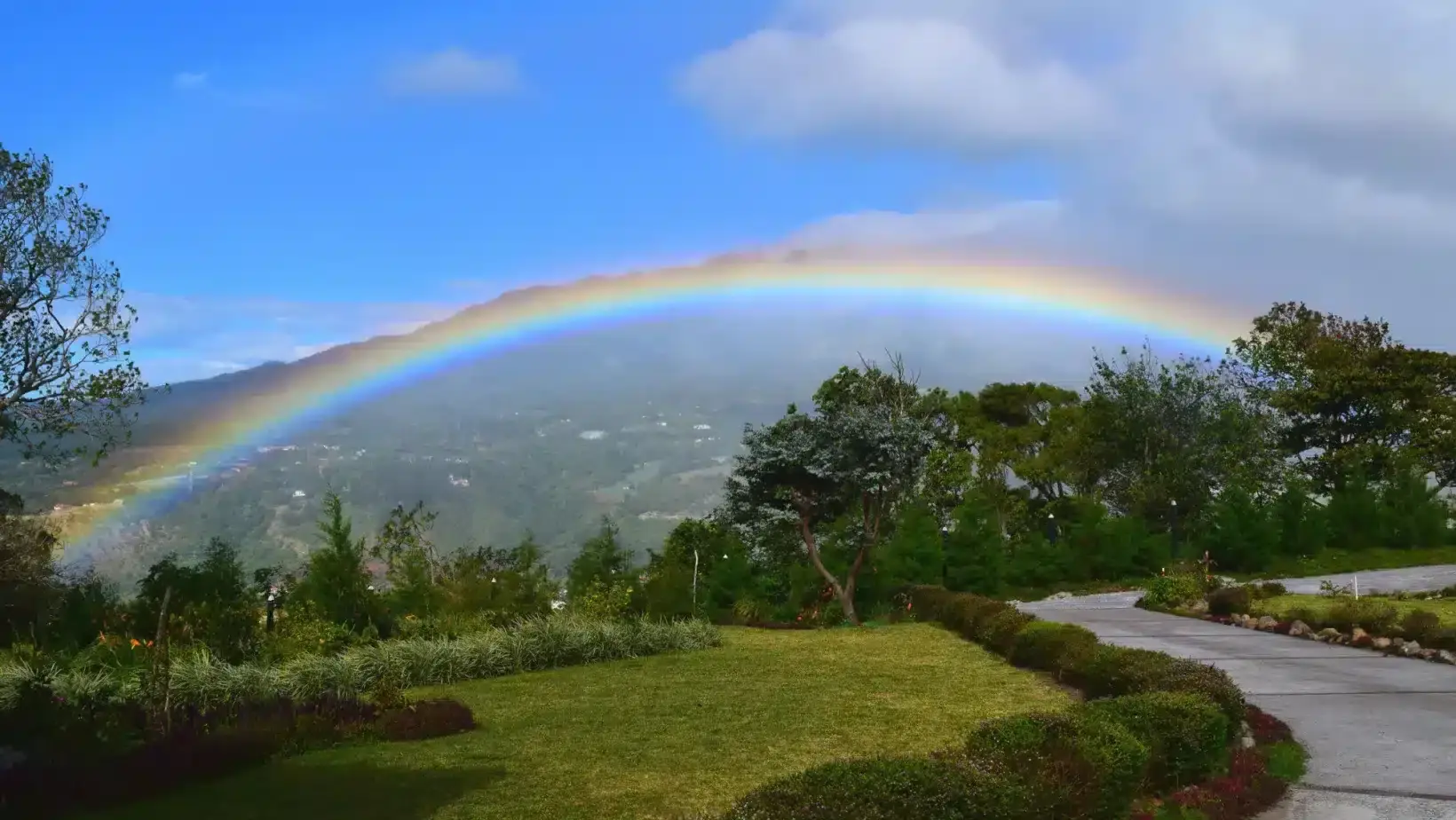
The best places to live in Panama sort into three flavors – city energy, mountain cool, and beach ease – and most expats know which one they want within a week of arriving. If you don’t know your preference, a scouting trip that samples all three settles it fast.
Panama City
This is Central America’s only true metropolis. Casco Viejo delivers colonial charm and rooftop restaurants; El Cangrejo offers walkable value; Punta Pacífica and Costa del Este bring glass-tower polish, and the city runs the region’s only metro system. You’ll get the country’s best hospitals, best flights, and best dining – alongside its highest rents, thickest traffic, and stickiest heat.
Boquete
The classic mountain haven in Chiriquí province, an hour from David. Boquete offers eternal-spring temperatures, coffee-farm scenery, and one of the largest established American communities in Latin America, complete with theater groups, hiking clubs, and a farmers market that doubles as a social calendar. The trade-off is small-town scale: for big-city amenities you’ll want to drive or fly.
Coronado and the Beach Towns
Coronado, about an hour from the capital, is the mature beach hub – gated communities, a golf course, supermarkets that stock American brands. Prefer smaller and quieter spaces? Pedasí on the Azuero Peninsula and the crater-valley town of El Valle offer tighter communities at gentler prices, with the capital still reachable for hospital visits and flights.
Bocas del Toro
Bocas del Toro offers the best of Caribbean island living: water taxis, overwater restaurants, and surfing. It’s also the honest asterisk in any Panama guide. Infrastructure is spotty, parts of Isla Bastimentos are best avoided after dark, and the archipelago spent part of June 2025 under a government-declared state of emergency during protest-related unrest. Bocas is beautiful, affordable, and genuinely bohemian – but it’s a place to rent first and reassess, not a set-and-forget retirement pick.
Panama Visas and Residency: How Americans Stay Long-Term
Those 180 visa-free days are for scouting; staying requires residency, and Panama offers some of the most attainable routes in the hemisphere. After five years of permanent residency, you can apply for citizenship, which involves Spanish-language and Panamanian-history exams. Start with our overview, then match yourself to one of the paths below.
Pensionado Visa (Retirees)
The crown jewel of Panama’s visas. Prove a lifetime pension of $1,000 a month – Social Security qualifies – and you receive immediate permanent residency with no minimum age. Couples need $1,250 combined; the threshold drops to $750 if you buy Panamanian real estate worth $100,000 or more. You’ll need to add $250 per dependent. Roughly 2,000 applications were approved in 2024 at about a 97% approval rate.
The famous discounts are law, not just marketing: 25% off restaurant meals and airfare, 15% off hospital bills, reduced utilities, and a one-time $10,000 duty-free household goods import. Your foreign pension is untaxed in Panama.
Friendly Nations Visa (Post-2021 Rules)
Read this part carefully, because much of the internet has not caught up. The old route – a $5,000 deposit plus a Panamanian corporation – was abolished in August 2021 under Executive Decree 197. Today, citizens of the ~50 “friendly nations,” including the U.S., qualify through one of three routes: a $200,000 real estate purchase (financing allowed), a $200,000 three-year fixed-term deposit in a Panamanian bank, or an employment contract with a Panamanian company plus a work permit.
The structure changed too: you now receive two-year temporary residency first, then convert to permanent. Any blog, forum post, or law-firm page still describing the $5,000 version is describing a visa that no longer exists.
Qualified Investor and Digital Nomad Visas
The Qualified Investor visa is the fast lane: permanent residency in roughly 30 days for a $300,000 real estate investment, $500,000 in securities, or a $750,000 bank deposit. The Short-Stay Remote Worker (digital nomad) visa asks for $3,000 a month in foreign-source income and international health insurance, costs about $250, and runs nine months, renewable once to 18 total. Know its limit: it is a long tourist stay, not a path to permanent residency – a distinction that plenty of nomad blogs tend to blur.
Healthcare in Panama
Panama runs three tiers: MINSA public hospitals, the CSS social-security system for workers, and the private network most expats use. The private tier’s flagship is Pacífica Salud Hospital Punta Pacífica in Panama City, affiliated with Johns Hopkins Medicine International, with a second campus in Costa del Este as of 2022. Hospital San Fernando, JCI-accredited, even sells senior insurance plans for ages 60 to 90+ at $143–$232 a month – an age bracket that U.S. insurers abandoned long ago.
Medical costs stay humane. Private local insurance runs about $100–$175 a month, international plans $150–$500 depending on age and coverage, and out-of-pocket care prices roughly 40–60% below U.S. equivalents. The pattern matches what we found in Mexico, where American expats consistently rate their healthcare above what they left behind, and in our Costa Rica healthcare report.
Now, here’s the fact that every retiree needs before boarding the plane: Original Medicare does not cover care in Panama. One narrow 2025 development softens the edge – Pacífica Salud became the only Panama City hospital able to bill Medicare Advantage plans directly, but only for medical emergencies. Build your budget around local or international coverage, not around benefits that end at the border.
Taxes for Americans in Panama
Panama’s tax system is territorial: only Panama-source income is taxed. Your U.S. pension, Social Security, investment income, and remote work performed for foreign clients are all untaxed locally. Income earned inside Panama is taxed at 0% under $11,000, 15% up to $50,000, and 25% above; the national sales tax (ITBMS) is 7%.
The IRS, however, does not do territorial. U.S. citizens must file Form 1040 every year, wherever they live. The Foreign Earned Income Exclusion (FEIE) shelters up to $132,900 of earned income in 2026, but it doesn’t apply to pensions or Social Security. Accounts totaling over $10,000 abroad trigger an FBAR (FinCEN Form 114), while higher balances must add Form 8938. There is no U.S.–Panama tax treaty and no totalization agreement, which is a gap that most guides quietly skip.
For Americans living in Panama on straightforward pension income, the combined result is remarkably light. For anyone with a business, rental property, or Panamanian corporation, a cross-border tax professional earns their fee many times over.
Is Panama Safe to Live?
Searches for “is panama safe to live” spike whenever the country makes the news, and the data gives a steadier answer than the headlines. Panama is safer than most of Central America: the U.S. State Department rates it Level 2, “Exercise Increased Caution” – the same tier as France – with “Do Not Travel” applying only to parts of the Darién Gap region and Mosquito Gulf. Numbeo scores the national crime index around 42.7, a squarely moderate rating.
Geography does most of the work. Expat strongholds – Boquete, Coronado, El Valle, Pedasí, and Panama City’s San Francisco, Costa del Este, and Punta Pacífica districts – report low violent crime, mostly opportunistic theft. Areas that warrant caution: the city of Colón, Panama City’s Calidonia, El Chorrillo, and San Miguelito neighborhoods, parts of Bocas del Toro after dark, and the Darién Gap, which is jungle wilderness, not a road trip.
Honesty requires covering 2025. Pension-reform legislation (Law 462) triggered months of protests, strikes, and road blockades; Bocas del Toro province spent late June under a state of emergency, with over 1,500 security personnel deployed and hundreds of citizens detained. Tensions around the canal and shuttered Cobre Panamá mine added heat. The situation has calmed as of mid-2026. It’s worth stressing that the civil unrest targeted government policy, not foreigners – but a country that made you nervous in 2025 deserves a clear-eyed look, not a brochure.
Banking, Currency, and Everyday Life in Panama
Day-to-day rhythms here are easy for Americans to adjust to. The dollar economy removes an entire category of expat stress. The dry season runs December through April; the rainy season delivers dramatic afternoon downpours rather than all-day gloom, and the highlands stay cool year-round. Panama City’s fiber internet is genuinely fast, Starlink now covers the rural gaps, and Tocumen’s route map makes grandchild visits a same-day affair.
Banking is the one chore to respect. FATCA compliance makes Panamanian banks cautious with U.S. citizens: expect weeks of processing, bank reference letters, and requests for documents you did not know existed. Keep your U.S. accounts open, use a low-fee transfer service during the transition, and treat the local account as a utility rather than your financial center.
Culturally, Spanish takes you far outside the capital, and the “mañana” pace is a feature to embrace rather than a bug to fix. The settling-in machinery is unusually strong – expat associations, volunteer groups, and community calendars in Boquete and Coronado shortcut the lonely first year, which is precisely why Panama keeps scoring near the top of InterNations’ Ease of Settling In index. To feel it firsthand before you commit, browse our scouting trips.
Is Living in Panama Right for You?
Panama rewards a clear-eyed match. If your income arrives from abroad – a pension, Social Security, a remote paycheck, a portfolio – you get first-world healthcare, a dollar economy, warm weather in your preferred intensity, and a residency system that actually wants you there. If you need a local job, U.S.-speed bureaucracy, or four seasons, the world’s #1 expat destination will still frustrate you, and no ranking will change that.
The pattern behind two straight InterNations titles is simple: living in Panama as an expat delivers on the fundamentals – money, housing, belonging – that other destinations promise and miss. Whether those fundamentals match your priorities is a personal question, and it is exactly what the Expatsi Test was built to answer. When the shortlist is ready, a Panama scouting trip turns research into a decision.
Frequently Asked Questions About Panama
How much money do you need to live in Panama?
Most expat couples spend between $2,000 and $3,500 a month for a comfortable lifestyle covering rent, food, utilities, insurance, and entertainment. Frugal singles in interior towns manage on less, while waterfront Panama City living costs considerably more. As a practical floor, the Pensionado visa’s $1,000 monthly pension requirement roughly matches a bare-bones single budget outside the capital.
Can Americans live in Panama full time?
Full-time residency is straightforward for U.S. citizens through several routes: the Pensionado visa for anyone with $1,000 in monthly lifetime pension income, the Friendly Nations visa via a $200,000 investment or Panamanian job, and the Qualified Investor visa for larger sums. After five years of permanent residency, citizenship becomes available through Spanish-language and history exams.
How long can a U.S. citizen stay in Panama without a visa?
U.S. passport holders receive up to 180 days as tourists – no visa, no application, just an onward ticket and proof of solvency if asked. That six-month window makes an extended scouting stay easy before committing to residency paperwork. Border runs to reset the clock are tolerated inconsistently, so anyone planning to stay long-term should transition to a proper residency permit.
Does Medicare cover you in Panama?
Original Medicare pays nothing for healthcare received in Panama, apart from rare border-area emergencies that do not apply this far south. Since 2025, one Panama City hospital, Pacífica Salud, can bill Medicare Advantage plans directly for emergencies only. Practical planning means local or international health insurance, which typically costs $100–$500 monthly depending on age and coverage level.
Why is Panama ranked the best country for expats?
InterNations’ Expat Insider survey placed the country first overall in both 2024 and 2025, driven by top-three finishes in every index. Standout numbers include 94% of expats reporting happiness, 78% satisfied with their finances, and 71% finding affordable housing easy to secure – more than double the global average. Consistency across quality of life, finances, and settling-in is what separates it from single-strength destinations.