Americans in Mexico Are Happier With Their Healthcare. Here’s Why


By Jen Barnett, Co-founder, Expatsi
November 14, 2023 · Updated October 31, 2025 · 3 min read
Whether they’re full-time expats or medical tourists, Americans are much happier with the healthcare they receive in Mexico.
According to FarHomes.com, 84% of American expats rate Mexican healthcare as very good or excellent, compared to 72% of Americans in the U.S. who say the healthcare they receive at home is good or excellent.
Here are some of the reasons Americans would rather get care south of the border.
Cost of Healthcare Services

Photo Credit: Shutterstock.
It’s no surprise that Americans find the low cost of care to be a top benefit of medical services in Mexico. Here are some examples:
- Routine checkup: $12-15 vs. $265
- Blood work: $50-80 vs. $195
- X-ray: $24-30 vs. $120
- MRI: $600-800 vs. $1,325
In general, medical care is about 75% less in Mexico. Healthcare you can afford is always better than the healthcare you didn’t get because you couldn’t pay the bill.
Which country fits your healthcare needs best?
This article is the same for every reader. The Expatsi Test ranks 100 countries on what matters to you: answer 25 questions and see your top 10.
Why do you want to move abroad?
Pick all that apply.
Free · 5 minutes · 400,000 people have taken it
Cost of Dental Services
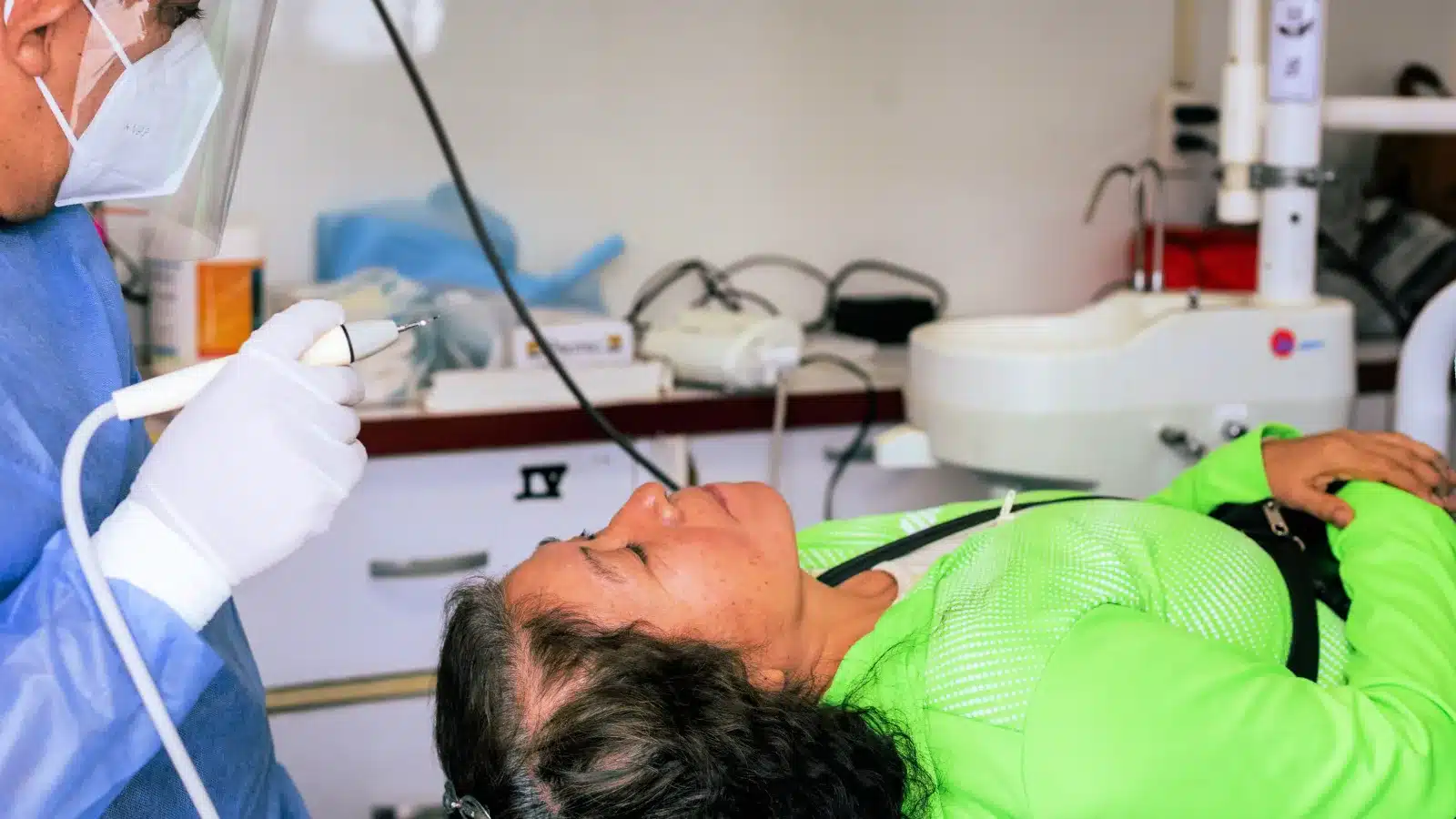
Photo Credit: Shutterstock.
Many medical tourists head to Mexico to save on pricy services. Here are some examples:
Consultation: Free vs. $120
Root Canal: $250 vs. $1,500
Full-Mouth Dentures: $12,000 vs. $34,300
Dental Sedation: $400 vs. $850
Tooth Extraction: $70 vs. $200
Dental Implant: $750 vs. $1,800
All On 4 Dental Implant: $10,600 vs. $20,000
Full-Mouth Dental Bridge: $22,500 vs. $50,000
As you can see, dental care is about 50% less than in the U.S. Medical tourists may also be able to use American dental insurance for additional savings.
Cost of Medications
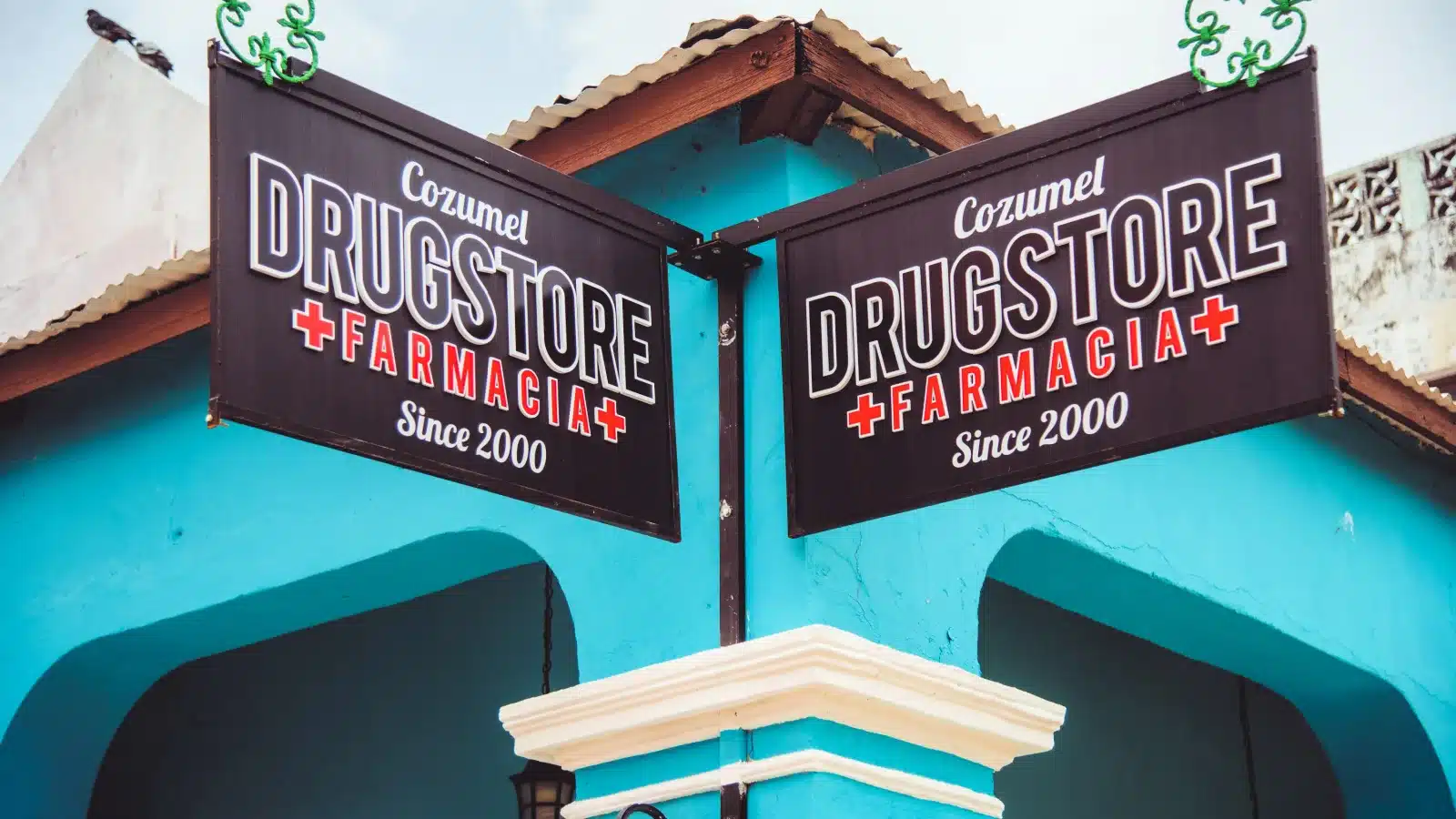
Photo Credit: Shutterstock.
Prescription drugs are a major expense for Americans, who pay 30-60% less in Mexico. Here are some examples:
- Adderall (30 tablets): $15-$40 vs. $120-$240
- Insulin (1 vial): $30-$50 vs. $300-$500
- Lipitor (30 tablets): $10-$20 vs. $30-$60
- Advair (1 inhaler): $50-$100 vs. $200-$400
- Humira (1 pen): $100-$200 vs. $500-$1000
- Metformin (30 tablets): $5-$10 vs. $20-$40
- Atorvastatin (30 tablets): $10-$20 vs. $30-$60
- Ozempric/Wegovy (1 pen): $200-300 vs. $975-$1,100
- Zoloft (30 tablets): $10-$20 vs. $30-$60
- Norditropin (15mg): $375 vs. $1707
- Genotropin (12mg): $300 vs. $1628
Overall Monthly Expense

Photo Credit: Shutterstock.
Savings on each visit to the doctor or pharmacy add up. Here’s what Americans say they spend each month in Mexico on healthcare costs (including medications):
- 39% say they spend less than $50
- 23% say they spend $50-100
- 12.7% say they spend $100-150
- 9.9% say they spend $150-200
- 4.7% say they spend $200-250
- 10.8% say they spend more than $250
Almost two-thirds of respondents spend less than $100 per month, even without Medicare coverage!
Excellent Physicians

Photo Credit: Shutterstock.
Here’s how Americans rank their physicians in Mexico. Most physicians in Mexico speak English, and some still make housecalls.
- Excellent: 35%
- Very good: 41%
- Good: 14%
- Not very good: less than 1%
- Poor: less than 1%
- No experience: 9%
More than three-fourths of respondents says doctors are very good or excellent.
Good Hospitals
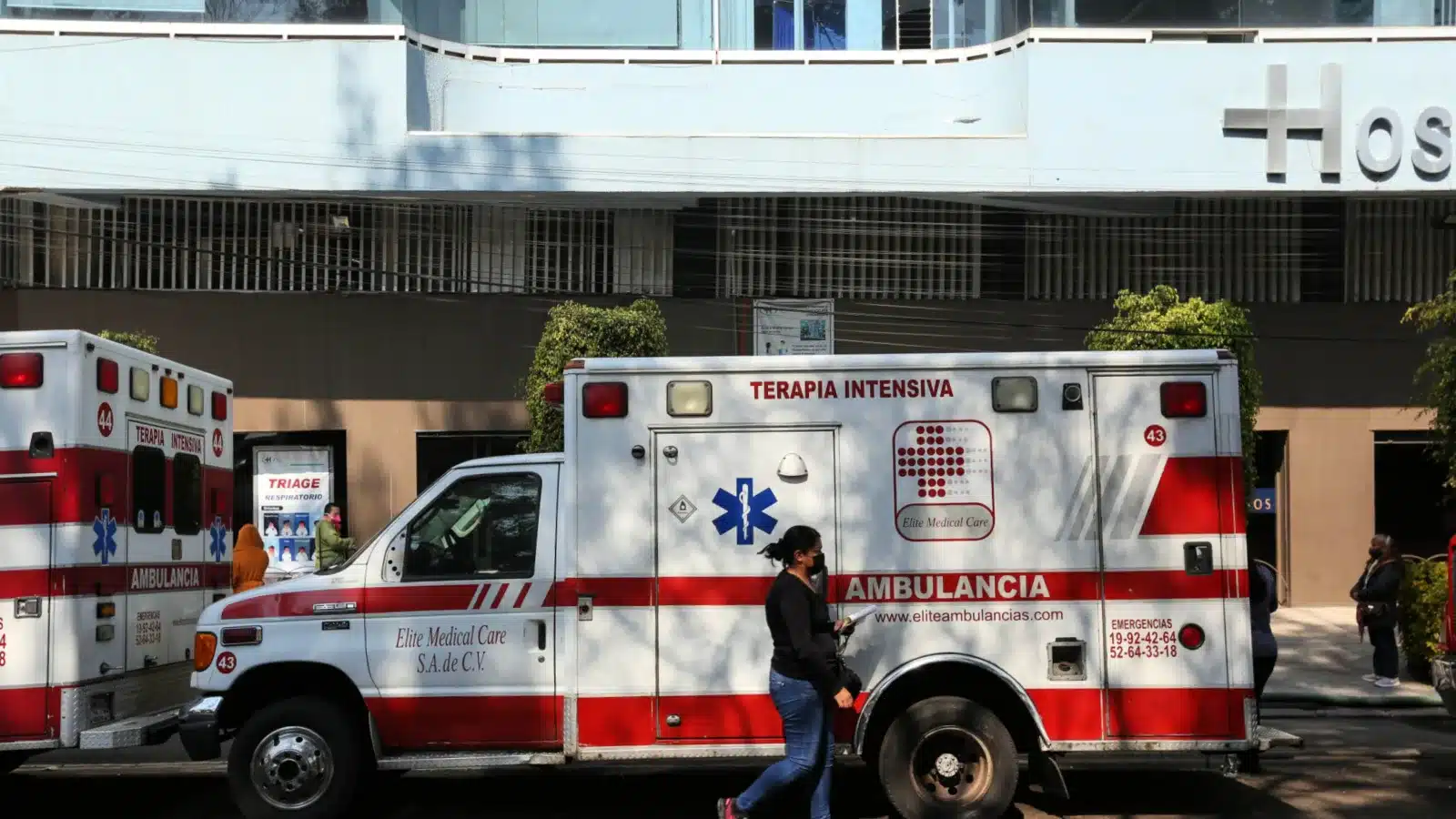
Photo Credit: Shutterstock.
Private hospitals have better equipment and facilities than public ones do, and there are more options in larger cities. Here’s how Americans rate their hospitals.
- Excellent: 23%
- Very good: 28%
- Good: 14%
- Not very good: 3%
- Poor: 1%
- No experience: 31%
The largest number of respondents have never used hospital facilities. Only 4% said hospitals were not very good or poor.