
Episode 5 · April 14, 2026 · 47:17
"You Can Literally Pick Up and Go TOMORROW" One of the Easier Abroad Moves for Americans
Why Albania is one of the easiest countries for Americans to move to, and how to budget for a move abroad.
Listen on Spotify →In this episode
Americans Abroad from Expatsi opens with the hosts on budgeting a move abroad. They cover eating less meat, dropping car costs and paying far less for health insurance. Then guest Kelly McCoy talks about moving to Albania, which extends Americans a one-year visa-free stay, and her later move to Romania.
Kelly explains why Albania welcomes Americans. She describes flying her 80-pound American bulldog and her cat over from JFK, and getting treated for free after breaking her arm. She compares rent and phone bills in Albania and Romania. The episode closes with a listener question about finding out whether your medicines are available overseas.
Key takeaways
- Americans can stay in Albania visa-free for a year. You then leave for three months, come back and stay another year, and you can repeat that for a pretty good clip.
- Albania is not part of the EU. Working for Albanian companies isn't really feasible, and the average salary there is somewhere between $500 and $600 a month.
- Registering a company in Romania gets you temporary residency. From there it's three years to permanent residency and five to a passport, and the passport requires only conversational Romanian.
- To fly a dog into Albania, you don't need a titer test. Rabies was eradicated there in the 70s, so the dog just needs up-to-date rabies shots and the USDA certificate the airline requires. Moving on to Romania required a pet passport.
- Before you move, take your prescription or the empty bottle to a local pharmacy on a scouting trip and ask how you'd get a refill. A spreadsheet of your medicines and doses works too.
- In Mexico, the pharmacies have websites with search bars. If you can't reach them from the US, use a VPN set to Mexico.
- Kelly broke her arm in Albania and saw an emergency room doctor, a neurosurgeon and an orthopedic surgeon, plus X-rays and an MRI, all within two hours. She paid $0.
- Kelly paid €250 a month for a one-bedroom near the Adriatic Sea in Albania. Her rent in Romania is 550, and her phone bill there is 12 a month.
Chapters
Show notes
This week's episode covers budgeting for a move abroad, and one of the easier countries for Americans to move to, Albania. Our guest is Kelly McCoy. Kelly moved to Albania recently, and she eventually wound up in Romania. She's had quite an adventure, and her move wasn't without its hardships.
Episode Resources:
Best Countries for a Quick Exit
To begin your journey abroad take our FREE quiz!
This episode is general information, not legal, tax or financial advice. Talk to a professional about your own situation.
Questions from this episode
How long can Americans stay in Albania without a visa?
A year. Albania extends Americans a one-year visa-free stay. After that, you leave for three months, come back and stay another year, and you can keep doing that for a pretty good clip. Albania isn't in the EU, though, and working for Albanian companies isn't really feasible.
What does my dog need to fly into Albania?
Not much. Rabies was eradicated in Albania in the 70s, so there's no titer test. Your dog needs up-to-date rabies shots and the USDA certificate the airline requires. If you later move from Albania to Romania, you'll need a pet passport.
How do I find out if my medication is available in another country?
Ask a local pharmacy. On a scouting trip, bring your prescription or the empty bottle and ask how you'd get a refill. A spreadsheet of your medicines and doses works too. In Mexico, the pharmacies have searchable websites; use a VPN set to Mexico if you can't reach them from the US. Not every medicine is available everywhere, so ask before you move.
How can I get residency in Romania?
One route is to register a company in Romania, which gets you temporary residency. You apply for residency once you have a lease. It's three years to permanent residency and five to a passport. For the passport you need conversational Romanian, not fluency.
Go deeper
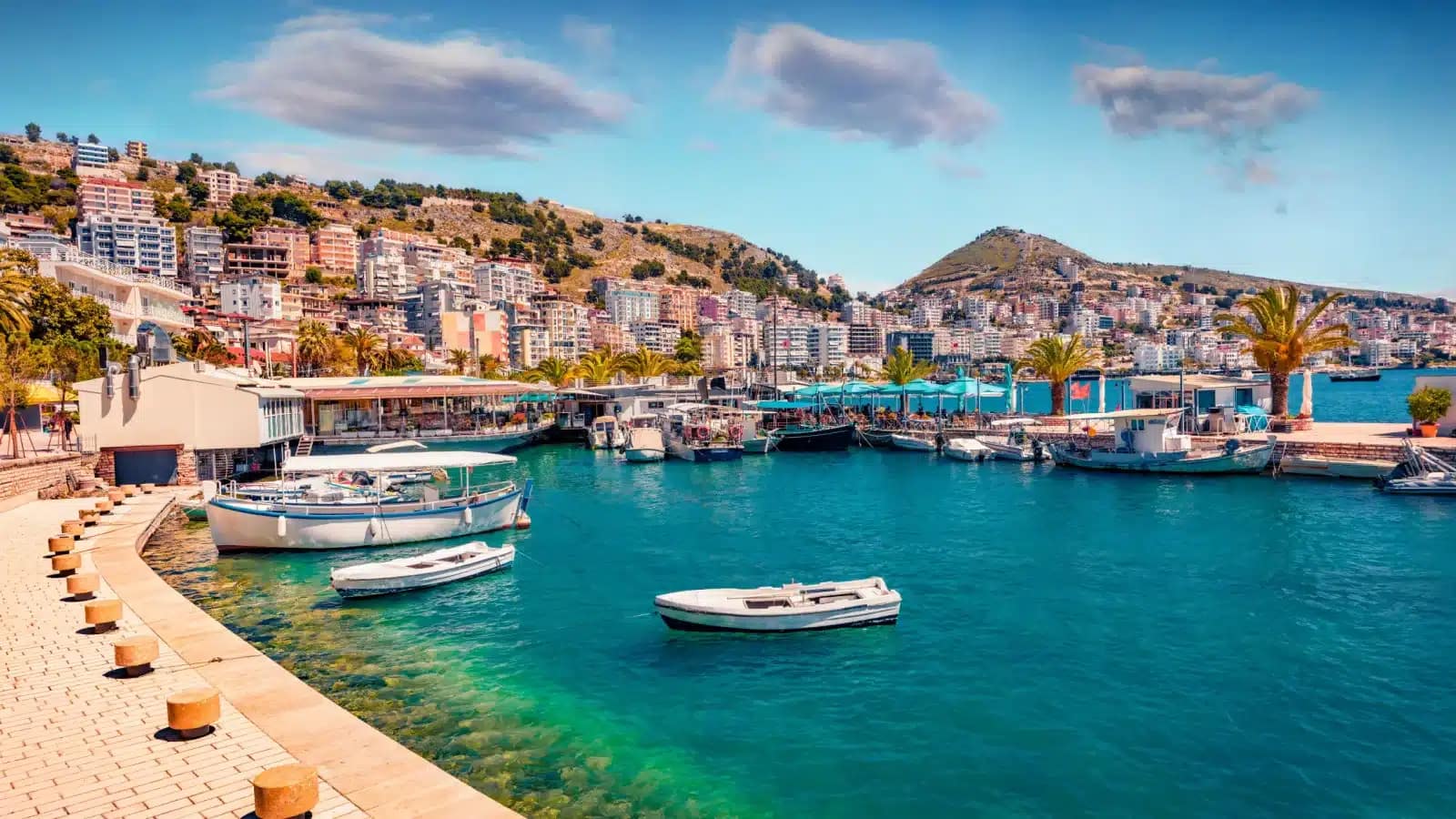
Americans can live in Albania for a year without a visa
Kelly McCoy lived in Durrës, Albania, for 10 months on the country's one-year visa-free stay for Americans.
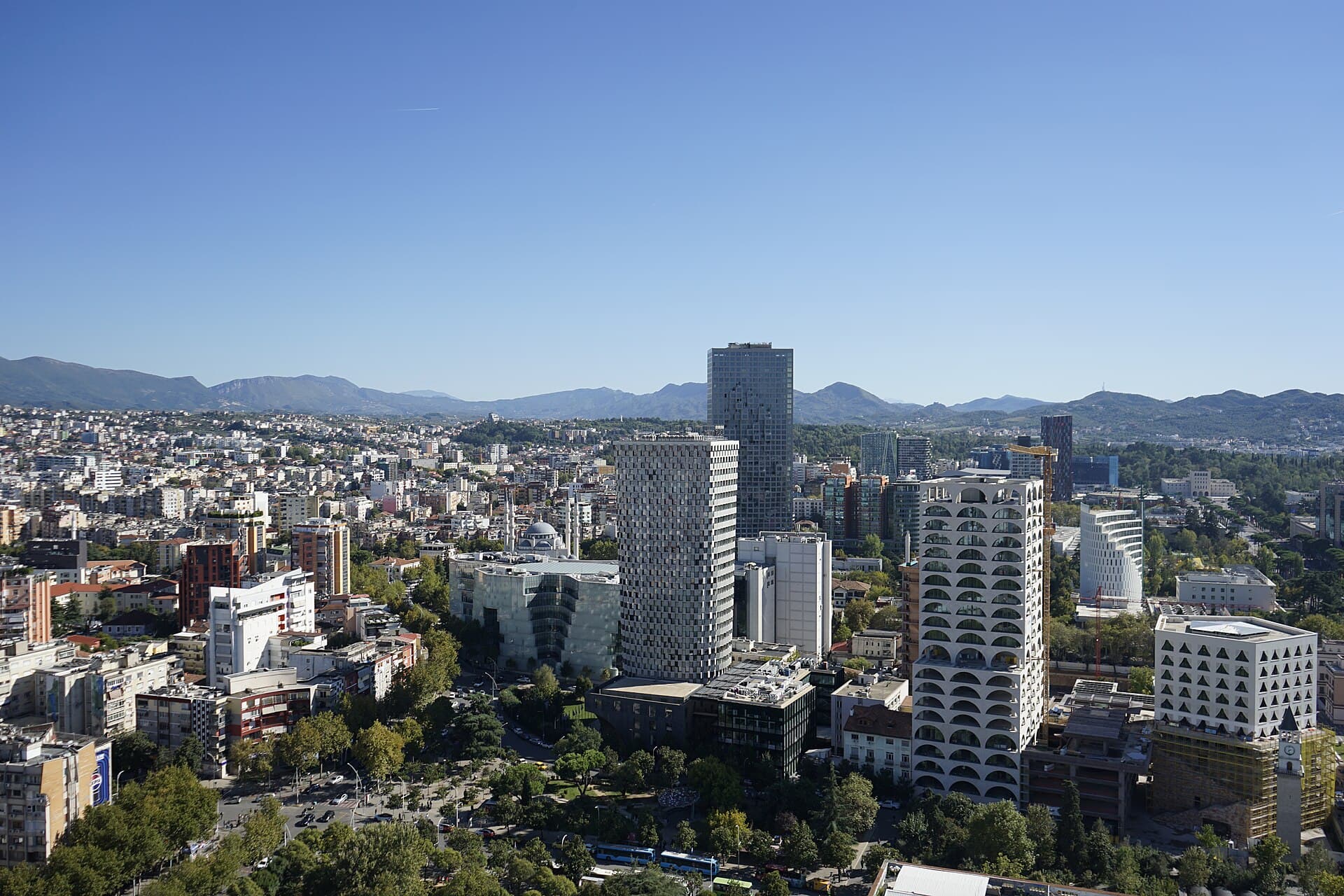
Albania's visa-free year, explained
The one-year visa-free rule that lets Americans move to Albania without applying for a visa first.
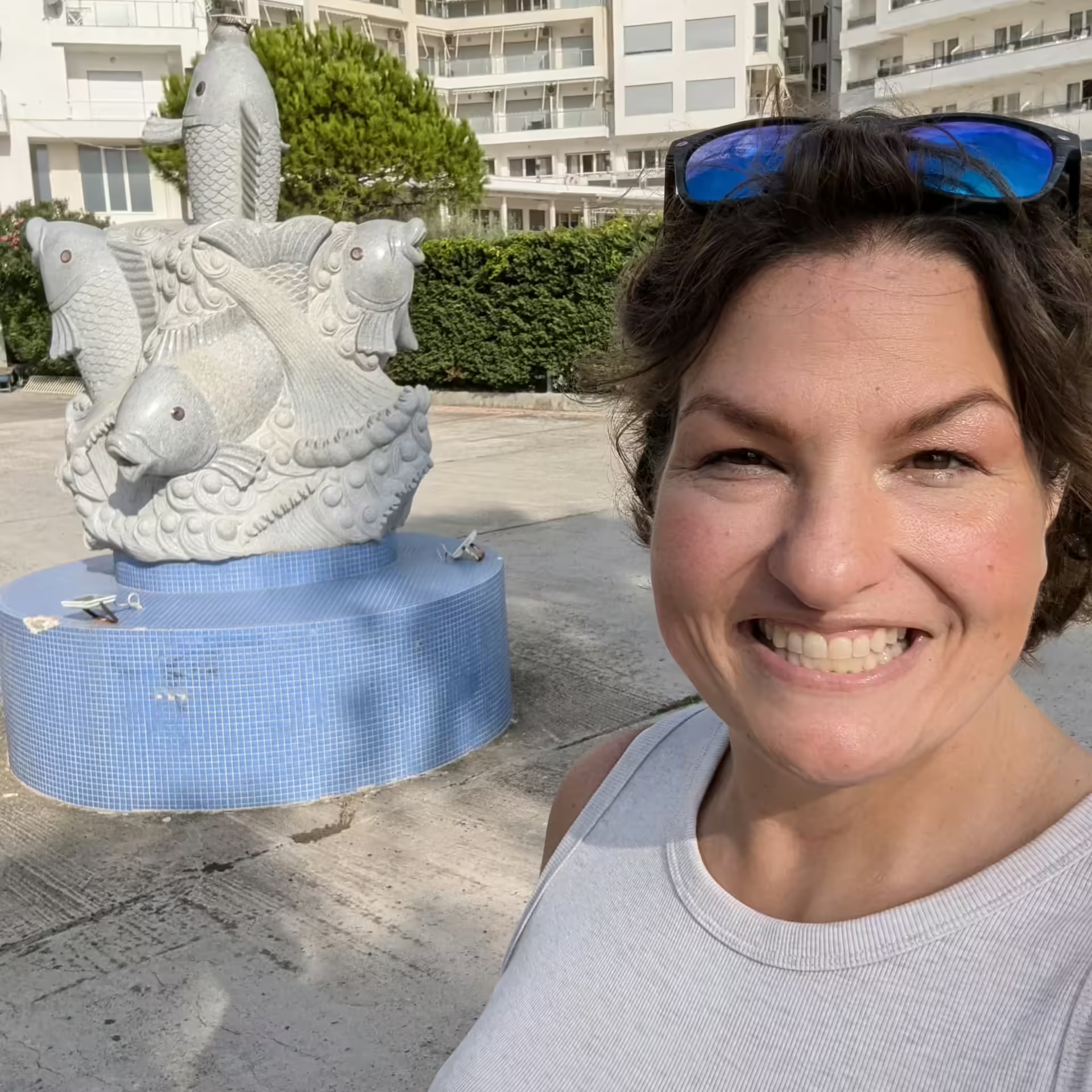
Kelly McCoy
Kelly McCoy, this episode's guest and an Albania local guide.

6 Best Countries for a Quick Exit
The show notes link this list of countries Americans can move to quickly, the idea behind this episode's title.
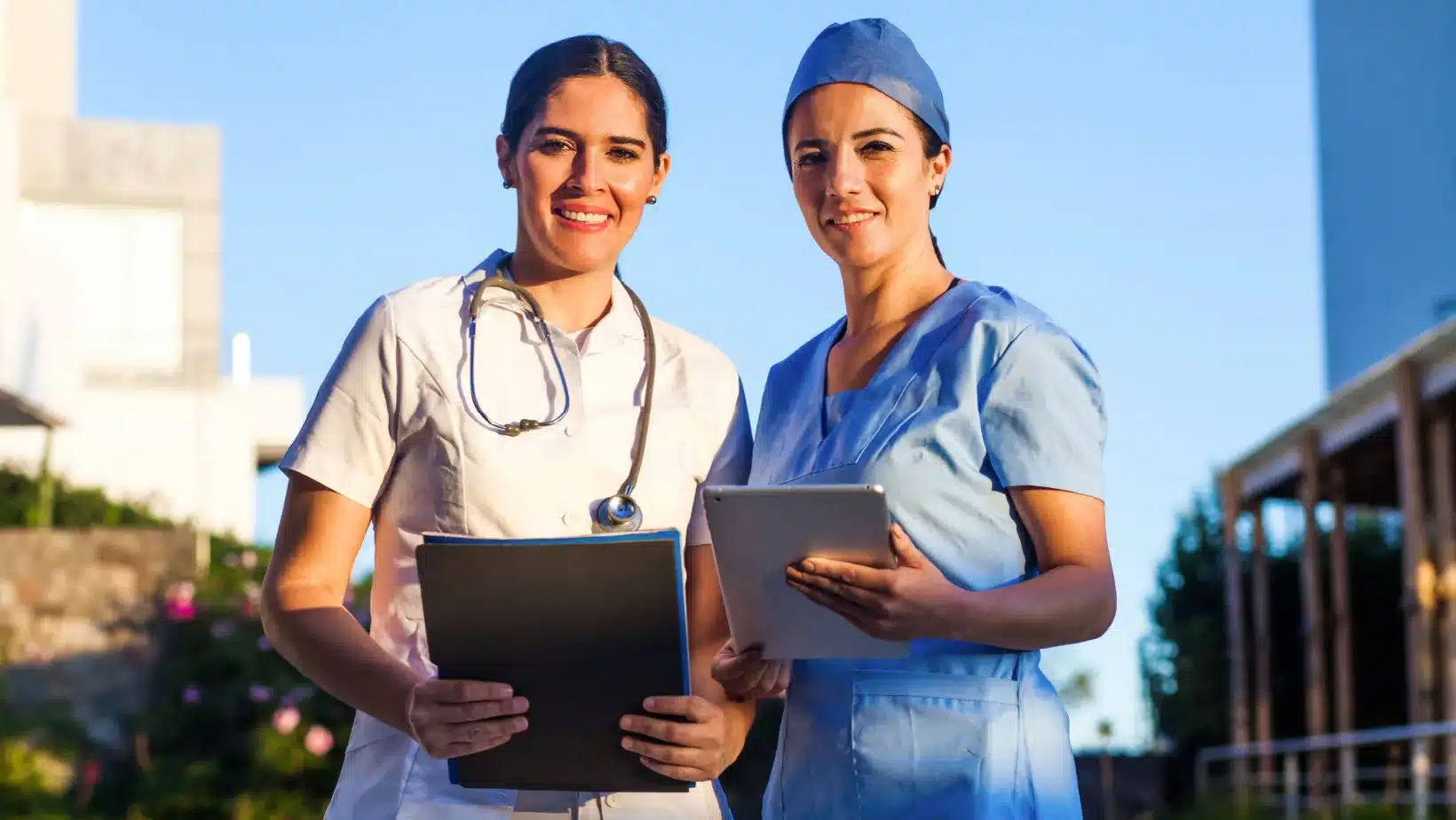
Best Countries for Expats with Chronic Illness or Medical Needs
The listener question was about finding your medications overseas before you move.
Transcript
Transcript is auto-generated and lightly corrected; it may contain errors.
Read the full transcript(7,784 words)
English speakers are still a novelty here. And of course, I had two cats who basically destroyed their carriers on days one and three. There was a lot of discussion to make sure that we were aligned and that we were doing it for for similar reasons. What are the visa paths? Are you running towards something or are you running away from something? And then what?
I can't believe we're finally here. This is Americans Abroad. Welcome to this week's episode of Americans Abroad. This week we will be joined by Kelly McCoy to talk about living in Albania and Romania. We'll also learn about her budget tips when moving abroad. Jen, let's talk a little bit about budgeting and saving money when making a big international move.
So by the way, I have an aside, which is it's not too late to change the name of this podcast to Broads Abroad plus Robbie, plus Robbie, Broads Abroad and Robbie, OK? So one of the biggest ways that we save money is the way that we eat. And that is to say we try to eat kind of the way that Mexicans eat.
You know, growing up, every meal was 6 to 10 ounces of meat and a starch and a veg and a salad and a bread and a drink and whatever. That's how I grew up. And I cannot even imagine tucking into like an 8 oz piece of meat anymore. So instead we make dishes where we eat meat. You know, we're meat eaters, and my husband is very meat and potatoes guy, but it's more like a garnish than anything else. When you think about tacos or you think about a pasta dish or soup where you're eating meat, but maybe you're eating two or three oz.
And then on top of that, you know, I try to serve as beans every day. It's so good for us. It's like the secret to all the Blue Zones. But it also stretched. Choose your food dollar unbelievably, especially because I do dried beans. I'm into bean talk and I do dried beans. And then I'll just, you know, grab 1/2 cup of beans and soak them, throw them in the Instant Pot.
And now you're talking about, I mean, pennies per serving. Truly. When we were planning our move abroad, we, I'm a numbers person, give me a spreadsheet and I'm, I'm in my happiest of places. And so one of the things that we did is not only budget for the actual move from the states to Portugal, but you know, what would our monthly bills look like?
And we realized that just in car payment, car insurance, not even including gas and basic maintenance, it was costing us about $900 a month just to have and legally operate our vehicles. Again, doesn't include gas, doesn't include, you know, repairs, anything like that. And so moving to a walkable and public transportation city, that alone was a $900 swing. So it didn't even matter if everything else stayed the same, it was going to be $900 less or if something was a little bit more of a splurge, we had this $900 a month, which is not insignificant to.
No, it's not. No, that's a ton of money. That's incredible. Well, there's some things that are more expensive and there's some things that are cheaper and like, you know, choose the same days that we do pod record podcasts are the same days we go to the gym. And so we go to like an Anytime Fitness, just like in the US, and we do cardio and then we go to Pilates.
And the rule in a lot of countries is that products cost more and labor cost less. So Anytime Fitness is really products because what I'm paying for is a huge room full of expensive new machines. And so my Anytime Fitness membership is kind of a lot in my opinion, especially it's like a former, any former Planet Fitness goer.
You know, where it was like, yeah, 15 bucks a month or whatever. But my Pilates class is insanely less. Like, we pay about $5 a session for Pilates by buying, you know, a package. And so it's a matter of realizing, you know, not everything on Earth is going to be cheaper. Electronics are more almost everywhere. Gas is more everywhere outside of like the OPEC countries.
But you have to look for the things that that are less and they do exist. What about rent for you? Rent. It was honestly about the same as our our house payment. You know, thankfully we bought our house in 20/20/19 when interest rates were very, very low. So we got very lucky on our house payment. Our rent is again, a little bit less, but it wasn't a huge swing.
Now that being said, we did spend more than we were anticipating. We knew we had it in the budget, but we got not only the things that were non negotiables, we got 95% of the IT would be cool if things on that list. So we, you know, we talk about being in a walkable city. I can go 200 meters One Direction and there's a metro line, 400 meters the other direction, there's another metro line. So really taking advantage of some of these big budget swings. There's a gym and a pool in our building. So I didn't have to go out and
join a gym, Swimming, swimming is my exercise a choice. So I didn't have to go find a gym that had a pool that I can easily access that that wasn't super expensive. So now I'm taking this money that I'm putting into rent and taking it off of other expenses that we might have. Going back to the food thing, there is a grocery store.
Literally you go down my elevator, you hang a right and 20 paces is the grocery store. So that eliminates a lot of impulse delivery services. I forgot to pick up this. Oh, it's OK. I'll just post mates milk and a bag of Doritos or you know what I would love a little snack. Let's Uber Eats a thing because it's literally downstairs and my my next door neighbor. So picking this place, which was a little bit more in rent than we were anticipating spending is actually saving US money in all of these different categories.
Oh that's really nice. Our rent is less than my mortgage. It varies wildly depending on the exchange rate, which will just kill you. It's so hard when the dollar is low. I hate that part, but my, my mortgage went up dramatically because I suddenly got put in a floodplain that I had not been in because of climate change and slow like a lot of people go through in Florida and whatever else.
And so suddenly I had an extra few $100 a month that I was that I was spending that wasn't expected. But our place that we rent in Mexico, it's also furnished. So I get everything. I have my pool and then our utilities. You know, Kelly was talking is going to talk about utilities, but our water is free.
Our gas, we've only refilled it once in two years and it was about $40.00. So I, as you'd say it's about a buck a month. And then power can be pricey, but not compared to Alabama, which has those awesome southern, whatever southern company rates. Alabama has some of the highest power bills in the world. And, and so it can be a lot because I live on, you know, in the furnace of Mexico. And so you just have to get used to it. But then six months of the year, I barely need it because it's perfect weather for us every single day. So we're just running.
Fans yeah, same, same with utilities here. You know, we've only been here a little over a month, but we've got our first like full month electric bill, full month gas bill, full month water bill. You know, we have a little cold snap. When we first got here, it was a little rainy, but it never got like super cold summertime here.
You know, you have your, your little couple days of a heat wave, but it's not like San Antonio where it is 90 days of temperatures over 100°. And you know, me, I, I like my, my AC and all of that. So we just open the windows and let the air come in. I haven't turned on. We, we have mini splits, but I haven't turned them on at all.
We did turn on the, we've turned on the radiator a couple times because we don't have a dryer. And so sometimes what I just need to like dry a piece of clothing really quick so I can wear it the day I'll just throw it on the radiator. But other than that, we haven't had to do any climate control.
And so our electric bill has been been pretty, pretty in our gas still pretty, pretty manageable because of the weather here as well. What is your insurance? Your monthly insurance for private insurance in Portugal. OK, I know that you heard this one. So yeah, we we just have to get private health insurance because we have our appointment coming up for our two year residency.
Once we get our residency card, we could go public system, but I think we'll probably stay, stay private just to make it easy. So we picked not the not the lowest plan, but also not, you know, the Super platinum, you know, white glove Service plan, our cream. So, you know, I'm 47, I'll be 48 this year. My partner is 46, will be 47 this year. You know, we are, we have normal middle-aged American, you know, things that just don't work right. He had a stint put in six years ago. So you know, nor things we, we,
we're not the, you know, picture of perfect health for both of us combined we're paying, was it like €700 a year? A year A. Year. And for people who don't know, it's about one point, $1.00 per euro, so you're talking about $800. A year in the. US people. In the US because I I did not have health insurance.
I've been self-employed or contractor for a really long time, so I'd always looked into health insurance. I keep the best. The best claim that I found was a $5000 deductible. Did not cover dental, vision, but it was basic. Basically, if you get hit by a bus, here's what we'll do for you. That's really. And that was $800 a month just for me with A5. $1000 deductible.
So I had to hope that I would get hit by a bus so that my insurance premiums would actually get me something. And here $800 a year for both of us. And I think that's that's that non tangible budget thing is just the Peace of Mind that if I need something, it's not going to wipe me out. Kelly in in our interview talks a little bit about the fear of calling an ambulance and the cost. We had a medical emergency and had to call an ambulance for my partner a couple years ago.
Just the ambulance. Ride alone for 10 minute drive from our house to the hospital was 1900 dollars. That's insane. I mean, that's truly insane. I just, I can't, I can't conceive of it. That's a big savings for us as well. And we, we aren't as austere as you about your health care. But like, like we have seen people say, oh, have you been to the doctor? It's like, have we been to the doctor? Like we've, we've done it all.
We've been to ear, nose and throat psychiatrist, gynecologist, dermatologist, GP, dentist, like I could go on and on and on. We have, we have like hoarded, like binged on medical care. Like those people who go to Turkey and get all their all their appointments. One day they do that $150.00 thing and they like basically check up everything, 60,000 mile tune up or whatever.
And so I just don't even think about it like how much is this going to be or whatever. And God, you, the things that you can do when you don't have that stress over what is this all, all I have to worry about is time. So do I have time? You know, like I want to go get a certain kind of physical therapy and I just don't have time right now. You know, I could choose between that and Pilates and I really need Pilates, but I don't, I don't even, I'll ask Brett like how much was our cleaning?
And he's like, I don't know. I didn't look because you know, it's not going to be. There's no sticker shock to it. Yeah, absolutely. You know, we still budget, I still keep track of everything because I think one of the things that, you know, just getting used to is exchange rate. Sometimes it feels a little bit like Monopoly money. It's like, oh, it's a euro.
What is what is that? It's kind of like a dollar ish. So, you know, our first month, we really kept track of everything just to make sure that it was making sense. And financially it's, it's made sense over and over, other than as we go out to eat and go to cocktail bars in our new city as we explore, But that'll, that'll decline, you know, more and more each and every month because it's, it'll become less novel and less like we'll try a new place.
But that's where I think most of our budget is going to now. And then you know, as we become a little bit more normal and day-to-day, you know, I think we'll see that that real month to month expenses for us. But what a more fun place for your budget to go than to go to health insurance or car payments? I mean, I'd much rather spend it on on dining out and entertainment and stuff.
Like that it's fun, yeah. The things that really matter. Yeah. Are you thinking about moving abroad but you're not sure where to start? Join us at Move Abroad Con. It's a 2 day event where you'll meet experts, get your questions answered, and leave with a real move abroad plan. It's happening May 9th and 10th in San Diego, CA. You can learn more and grab your ticket at moveabroadcon.com. We'd love to see you there.
So today we're talking about Albania and also a little bit of Romania. And so we have our friend Kelly McCoy, who's also our expert to talk about her life there and how she got moved and why it's one of the easiest moves that Americans can make. You can literally pick up and go tomorrow. Kelly, thank you for being here.
Thanks for having me, I'm excited. So. Kelly, why did you decide to move abroad? This is the question that I get from everyone, Americans, Romanians, Albanians, when I'm there and a lot of people want me to say the US government. And while that was not my motivator, it certainly would be now. If I was still living in the States now, I would have already planned to move or be in the process of moving at this time. That said, that wasn't it.
So I actually took a solo trip. I was solo traveling and I went to Scandinavia and found myself in Norway and had some sort of weird experience where I was like this, this feels like home. This feels like where I'm supposed to be. This I don't, I feel home here way more than I do back in the US. And I was like, I think I'm going to move to Europe. And I think everybody like on that group tour was like, OK, crazy.
But I tried to to make it happen for a couple of years before I finally ended up over here. But it definitely was just a matter of just their way of life and just that feeling that I had it. It wasn't really motivated by anything other than that. Kelly, why did you choose Albania? Albania kind of chose me. I didn't choose Albania, it chose me. I was desperate for a way to at least get on the continent and I am not what's considered to be a skilled worker. I am not was not in a field that
was highly desired. So there was no real easy way for me to get a visa. I'm also not independently wealthy. So I really was just trying to find any way to get on the continent. And I happened to run into somebody on TikTok and they had told me about Albania. So that was June of 2024. And that's when I decided, OK, I'm going to move in the fall.
So when I realized that Albania was so easy to move to as an American, it just made sense to me. At least get your feet on the continent because I had struggled with getting a job. Like despite my lack of what they wanted, I did get a few inquiries and interviews, but the fact that I wasn't even in their time zone really was off putting to them. So it really just didn't score any points with them. So I'm like, well, at least if I get on the continent, then maybe I can secure that job and then
find a way to to get to my ultimate goal country. Can you explain why it's so easy for Americans to go to Albania? Absolutely. So Albania has a very deep love for America and Americans. Most of it is based on the romanticized version of what the US is that they see on TV, but a lot of it also is generational. And back during World War 1, Woodrow Wilson had actually assisted in helping Albania to maintain its borders. The surrounding countries had really tried to pick at Albania and tried to kind of like dissolve it and make it all their own.
There's even still some some border issues with Greece right now, like disputes over what's Greece and what's Albania. So Woodrow Wilson stepped in and helped. And then Bill Clinton actually went to visit in Albania. And I do believe another president went to visit. And to the Albanians, that was just the grandest of gestures. So they're like, hey, we love you guys.
You helped us in World War One. You've been helping us ever since. Like you're more than welcome to come here. So they extend Americans a one year visa free stay and you can go stay for a year, leave for three months, come back, stay for a year. And you can do that for a pretty good clip of time before they say hey. So it just it, it opens up a lot of doors and creates, at least for me and, and for some other people, like a gateway into Europe.
And while that may not be their idea for it, it's certainly the way that myself and some of my clients are using it. Amazing. And you recently left Albania and moved to Romania. What prompted that move? I did. So Albania is not part of the EU. So that left my prospects for work a little lacking. So I actually didn't work the entire time that I lived in Albania for 10 months.
I lived off of the savings of what I made when I sold all of my belongings. So it was a really good detox for me from corporate life. And but then I was like, OK, I suppose so I should start making some money now. So I was like, OK, so how do I do that? How do I best to do that? And working in Albania for Albanian companies is just not really feasible just because of the low pay and the fact that I didn't want to take any jobs away from any local people. So, and that's kind of why they
discourage foreigners from doing that because they don't want to take jobs away from their people, which I totally understand. The average salary in Albania is it's somewhere between 500 and $600 a month right now. So obviously extremely, extremely low. So that wasn't an option. So Romania offers the ability to open, register a company, a business here in Romania and then you get temporary residency.
So that's what I did. I do have a travel business. So I just registered that in Romania and then I got here, found a place to live and apply for residency once I got that lease. So that actually now opens me up to being being able to work for European companies as a contract worker until I have permanent residency.
So, but also Romania, it's three years to permanent residency, five years to a passport. And I think like many of my fellow Americans, that second passport is starting to be something that's really going to be of a lot of value in the coming years. So that was my my goal and I'm almost a year into it already, so I'm excited about that.
Amazing, amazing. Well, beyond the visa pathways, can you tell us a little bit about the differences between Albania and Romania? Yeah, so there are some huge differences infrastructure wise, mainly because Romania has been part of the EU since 2007 I believe. So they've received a lot of help from them building their infrastructure. Their revolution was in 1996, only a few years before Albania's.
But Albania is worlds behind as far as infrastructure goes. And, and I don't mean that as a knock to Albania, it's absolutely wonderful and I love, you know, the parts of the country that are basically pristine, but I, I needed like some creature comforts that Albania just didn't have. Albania, they have buses, but they're not the most reliable and they really don't go in like they don't go to some places that you want to go to. And they have like that whole minibus system that that some places have.
And that's fine, except if you end up on the minibus a late, so then you have to wait a whole nother hour or B where you don't have a seat and you're sitting in the aisle for the couple of hours it takes to get from city to city. It it's just not, you know, and that's 100% of first world problem. I totally understand that, but it just it gets to you after a while.
Here in Romania we have metros and trams and trains and you can take a plane from one city to another city in Romania, you know what I mean? So there's, there's so many ways to get around. There is literally no need for a car here. So and a lot of people bring their animals on the public transportation, which I am all for. I don't have one of those dogs that can do that, but some people do and that's fantastic.
So, Speaking of which, you have the most delightful meatball on earth. Tell us how you got animals to Europe and what it's like having having animals there. So when I made the decision to move abroad, a lot of people were like, are you taking the dog and the cat with you? And I was like, those are my children.
What do you mean? Of course, like, and I understand some people can't do that, but it was it was a non negotiable for me. I needed to find a way to get my animals here. Now I do have a meatball and he is an 80 LB thirty 6K American bulldog. So he's a big dog. He's not one that can go under the seat. He's not one that, you know, travels easily. So he's also what is considered to be a dangerous fighting dog, not because of his temperament, just because of the type of dog he is.
So that said, he was not allowed to fly domestically. So I had kind of a challenge with that because I am from Buffalo, NY, which is not a hub airport. And so I would have had to connect twice When I realized that I was not able to fly domestically with him, I was like, OK, fine. So we make the seven hour drive to New York City and fly out of the city, which wasn't that bad, to be honest with you. Packed up the dog and the cat into my father's minivan. He's going to kill me.
Then I call it a minivan, but it's a minivan. And we drove down to New York City. They dropped us off at the airport. And then I waited an excruciatingly long time for them to approve him to be on the flight. They kept trying to tell me that he's snub nosed. He's not snub nosed. They tried to tell me that he's this kind of dog. He's not.
I'm like, here's his paperwork. He's an American bulldog. In the meantime, I'm having an absolute panic attack. I'm texting my parents who are not answering my texts or my calls. And I am just literally freaking out until finally they're like, OK, we've got it all settled. You're good to go. And I'm like, OK, cool. So and then they said, OK, now go sit and wait over there for us to get you. So I think my flight left at like something like 8:50 at night.
They didn't come and get me till 7:30. And then they take you through and they have to go. CSA has to go through the crate to make sure you're not smuggling anything, you know? And I pro tip put a bunch of blankets in the dog crate with the dog as a way to bring my comforters and blankets instead of putting them in my luggage.
So that's why I'm saying pro tip, wash them when you get there. It's time. So they had to go through all of the blankets and everything and make sure that I wasn't smuggling drunk. Or whatever. I was like, and it's extra padding for the dog. So it's perfect. So so they did they, you know, they tossed his crate and everything and then they were like, OK, now you go through TSA and I was like, what do you mean?
Because now I'm in JFK airport, right? And I'm like, you waited how long? And now I have to go by myself, like unescorted through. And they're like, yeah. And I was like, cool, hope I don't miss my flight. Guess the dog's going to meet me in Albania. So I get to TSA and I still have the cat. I had a cat with me when I moved and he's in the carrier. And I said to the TSA agents, I said, what do I do with the cat? And they're like, well, we can either take you through to a separate screening room where
you take him out Now. My cat was literally a one person cat. He didn't want to be outside of his carrier in JFK International Airport amongst thousands of people. He didn't even want to be near me at the moment. But I took him out and he clung to me for dear life. And it was like, don't let him get away. I'm like, he's not leaving.
Trust me, he's not leaving. So I had to walk through like cradling my cat and everybody's like, cute. I'm like, don't look at him, don't touch him, nothing. So, so then we've got through on time thankfully, and then it was smooth sailing. We did an over an overnight flight from New York to Zurich, stopped in Zurich. As I'm getting off the plane, I see them unloading the dog onto a cart. He's going to his next airplane, which I will also be on. And it was really super smooth.
Get to Albania and they actually, I was like, where do I pick up my dog? He came on the luggage thing on the luggage carousel and my phone was at 1% or I couldn't video it or I would love to show it to people, but he was just like, hey mom. And only one connection. That's not bad. That's.
Yeah, that was important to me though, because I didn't AI didn't want to create any more chaos and have to worry. But they also, and I flew with Swiss Air. Big shout out to Lufthansa and Swiss because they put a luggage tag on his crate and then it was scanned with the rest of my bags. So in in the app I could see that 3 bags were loaded onto the airplane, meaning my 2 suitcases and the dog, which was incredible.
That's, that's amazing. Does he have a pet passport now? He does now because from the move from Albania to Romania I had to have a get him a pet passport. But to get him to Albania he didn't need 1. He didn't even need he's tighter or anything. Rabies was eradicated in Albania in the 70s so they don't require any of that. He literally just had to have the updated rabies for the airline.
Like just up to date, not even updated and the USDA certificate that the airlines require. So it was so easy. Amazing. So I know also when you were in Albania you had a chance to experience the Albanian healthcare system. Can you talk a little bit about your experience navigating healthcare in Albania? Sure, I quite possibly could be the most clumsiest person on the planet, but two days before Christmas, I was walking the dog, It was raining and my apartment was kind of set underground. You had to walk down into to get to the door into my outdoor kitchen.
And I was coming home with a dog. And I slipped on the stairs and literally like cartoon like feet in the air. However, my head hit the marble stairs and so did my arm and I broke my arm and I had a severe concussion. And at that point, I didn't have a huge like group of friends. I mean, I did, but I didn't, I wasn't close to anybody enough where I could call them.
So I called my landlord and she's like, I'll call an ambulance. And I was like, no, you won't. You won't, you know. And I think as Americans, like that's like the instant like reaction, right? Like, don't you dare call an ambulance. It would have been free. I didn't know that, but it would have been free. But so she drove me.
She came and got me and she drove me. And we went to the public hospital and I showed them my passport. They wrote down on the piece of paper Kelly McCoy American. That was it. They didn't write down my passport number saying not the expiration date. They just wrote Kelly McCoy American. And then I saw the emergency room doctor, a neurosurgeon, an orthopedic surgeon, and I had X-rays in the MRI done and it was all within two hours.
They were like, hey, here's a sling because I, I begged them not to cast my arm because I do have an 80 LB dog. And I was like, I can't be in a cast because I also had really bad Bursitis in the shoulder too. So I couldn't have two bad arms. And I was like, please don't cast it because it wasn't clean. It wasn't broken all the way through thankfully. So they're like, OK, but you have to come back and make sure that you don't, you didn't re break it. And I was like, perfect.
So left with a sling, some prescription for calcium and, and vitamins. They're very big on vitamins over here. And, and then nothing, no bill, no nothing. My landlord at one point had said, you know, maybe we should give them, you know, give them some money, you know, just to say thank you so that if it happens again, you know, you don't have a problem.
And then at the end she was like, no, never mind, you don't have to. So I literally got fantastic care for $0.00. Kelly, that's wild. Isn't that crazy so hard to understand as American. So what are some other examples of cost of living? Like what's your rent in Albania versus Romania? Or how how much are freaking eggs or?
Whatever. So rent in Albania. I lived in Duras which is on the Adriatic Sea. It's the second biggest city in Albania and I was paying €250 a month for a one bedroom apartment. Not a studio. A1 bedroom apartment with a huge balcony and A and a a yard for the dog with chickens. And I was really close to a mosque so I got to hear the call to prayer and it was literally perfect.
It was a 6 minute walk to the beach and so 250 and I want to say like my utilities were around 100 somewhere around there. I know I paid like 15 for water. Like it was just so incredible. And that's why I was able to live there for 10 months, you know, without having to work. And then I got a little bit of a some sticker shock, but it's, it's sticker shock to somebody who is living for dirt cheap, right? It's like going from like Thailand to Los Angeles, right? So I get here and the rent is
like, I'm looking and they're like 600 and I'm like 600. That's my, But I was paying $1200 a month in the States and I'm balking at half of that, right? But I was so conditioned to paying $250 a month for 10 months. And I was like, what do you mean? Like come on. So my rent here is actually 550 and then my utilities.
So last month, I think it's probably the the most expensive month utilities wise because it's cold in Romania. It was like 140 for everything, though that was electric, gas, maintenance fees and my Wi-Fi. So, and just to compare like cell phone bills, for example, obviously we all know as Americans, your cell phone bill is 200 a month somewhere around there, right? Like if you're lucky, right for one person, you guys probably pay more because you're married, but I was paying 200. You actually probably paid less because usually when you have more phones, it's less.
But anyway, 200 bucks a month or so for my for my cell phone with Verizon back home in Albania it was I was paying I think 20 year old a month. Here I'm paying 12. Kelly, we're getting scammed. I know. Americans are getting It's a racket. It's. An absolute racket. Hang on though, not like €12.00 and like your calls don't go through and you can't text if you're not in Wi-Fi and you can't unlimited everything, no. Old school like you have to call after 9:00 your your your rollover minutes.
Like we had in the nineties, 200 international minutes if I need them, like if, if something, you know, if I'm not within Wi-Fi and I need to make a phone call home like insane, right? Like, well, dollar, are you kidding me? Like that was aside from like the rent. That was like the biggest thing for me because it is a scam.
Like cell phone bills are such a scam. Cable bills are such a scam and you come to Europe and it's like crazy. And you know, one other thing that's that I think is worth mentioning and, and blew my mind. Airbnb's. And I don't know how how you guys have experienced it in the countries that you're living in. But, and no offense to my fellow Americans, but I think we really have an overinflated idea of how much our property is worth in the States.
Because I remember like trying to get Airbnbs for like, you know, just like domestic vacations that I was taking back home and the Airbnbs being like $400.00 a night, you know, and you show up and it's like not clean. Plus you're paying like a $300 cleaning fee for the week, right? No cleaning fees here. No, like, I stayed in one of the most beautiful places I've ever been in in Girocaster, Albania for $50, 50.
And I had a gift card. So guess what? It cost me $3, you know, morning, $50. And the guy was so happy to have me there and he accepted my dog. They're so dog friendly. And he even put out and you guys will laugh because you know how big Ace is. Yeah, this dog bred this big. Like one that would barely even fit just. His face.
Like, but he tried to use it. He sure did. He tried to use it, but it was just like, and, and that's the thing, like the hospitality, like the, the not feeling like, like I'm doing you a favor by letting you stay in my Airbnb. Like actually realizing that like, hey, this person is helping me pay my bills, you know, and the nicer I am to them, the more hospitable I am to them, the better off I'll be.
So I'm going to let her stay here for 50 bucks. I'm 5 minutes from the castle. I could be paying. I could be charging $500 a night, but I'm not because I'm not trying to take advantage of people. So here though too in Romania, like it's still still just as cheap for for Airbnbs. So. So we know that some of the things that you don't miss about the US are medical costs, cell phone bills, but is there anything that you miss about the US?
So I, I definitely obviously miss my friends and family. Obviously, I've actually gone through a lot of what I'll call heartbreak in the last probably seven months I've had, I've had a lot of loss in my family and it's been hard. And that's I think something that I don't know that all of us really even think about when we decide to take this this leap.
But I miss them immensely, mostly because I really just want to be there to comfort my family, you know, in their grief. But I also, and I also miss my parents dog like crazy. But there's just some foods, but I'm not like it's nothing crazy like I was, I was telling you guys before we started like Cadbury mini eggs are my be all and all. I miss them a lot.
But I think I can get them like in the UK. So if I really needed them I could go get some for a cheap flight. Kelly, I will come back up if you fly to the UK for Cadbury mini eggs. I want. Eggs, I mean cream eggs I can see like those are fly worthy but just change.
The recipe they're not Jen, not since they changed the recipe on those Cadbury cream eggs. They're so weird now they're gummy, but but I love Cadbury mini eggs with my whole heart and when they started making them at Christmas time, thank God, like not just Easter. We got them twice a year now, so don't don't dare me though, Jen. Challenge accepted.
What about the bills? We do miss my Buffalo Bills as you guys can see. So for anybody that read the Wall Street Journal article that Jen and I were in, this is not the famous or the infamous Bill's flag that I hung in Albania. This is the one that my brother sent me to replace that one because I did not feel safe hanging a flag that said Mafia in Eastern Europe.
So this is the replacement. The other one is in the closet because I can't hang it here either. That's hilarious. Kelly, thank you so much for coming and sharing all your stories about being an American abroad and life in Albania and Romania. And we're just really excited to see what is next for you. Do you have to learn Romanian to get your passport?
I do, but it's not like Italy where you have to be like a too fluent. You literally have to just have like conversational Romanian and I can read it, I can read it already. I just am not comfortable comfortable in my own realm speaking it yet. I'll get there though. OK, good to know. Jen, Are you ready for a listener question?
Listener questions. I'm, I I literally next episode I'm going to get somebody to submit. A I'm born ready for listener questions. So this week we had somebody write in and ask about how do they find out about the availability of medicines when moving overseas. That's a great question. It depends on where you're moving, but it is the right question to ask because not every medicine is available everywhere. For example, Brett took certain ADD medicine in the US that you cannot get in Mexico and if you do, it is illicit, you don't want it, you don't want to know
what's in it, you would not want to buy it from an unregulated pharmacy. So the way that we do it personally in Mexico is that all the pharmacies have websites. You may not be able to access all of them in the US, but you can always use AVPN and set yourself to Mexico if you're not able to. And then you can just search.
So some common ones are Costco, you know, 1 is called Ahorro. AHORRO or a it means discount. One is called YZA, one is called Guadalajara. So they're all Pharmacia Oharo, Pharmacia, YZA, Pharmacia Guadalajara. And so you can, they're very transparent and so you can use the search bar. One thing to know, you can always Google and say what is my medicine called in Spanish, but 99.9% of the time it will just end in an A.
So instead of ibuprofen, it's ibuprofena or what have you. So most of the time you can figure it out. There are some changes, you know, I take a medicine called Trintellix, but it's called Brintellix in Mexico, whatever else. What about in Europe? How would they go about it? You know, I think that that tip is the same. You know, Google is your best friend. One of the things that we did, though, So if anybody is doing a scouting trip before they move, bring your prescription with you.
Even if it isn't something that you'll be taking while you're on your trip. Bring the empty bottle with you. Go to a local pharmacy and just go. I take this. How would I get it if I needed a refill and? You would be. Surprised how how how willing the pharmacists are to spend the time and talk to you. Pharmacies in Europe are operate a little differently than pharmacies in the US where it's, you know, bring the prescription, we fill it, we check you out, hand over the thing and you're done.
Pharmacists will go over what your symptoms are if you go in sick and they can essentially prescribe things that are, you know, non controlled substances, antibiotics, that sort of thing. But they can, you know, do a little consultation with you. So my partner, when he came, he brought his, his mental health meds and go, I take this, if I needed to, to refill, what would I need to do? And they're like, Oh, well, you can just bring the empty bottle and we can do it.
And then here's three recommendations for telehealth if you need to meet with the doctor so you can get that future prescription. So not only would they tell you in the immediate sense, but also how do you maintain those ongoing medications? Or if it's something that they don't carry, we don't carry this, but usually folks who used to take this will take this. So you can get that advice and then go back to your US based doctor and decide if that's the right choice for you. Yeah, that's all we did.
We we used a substitute for Bret's meds. And the other thing is he has access to new treatments here that we couldn't afford in the US So he has so much more opportunity. Whereas in the US we kind of had to throw a pill at it because that was the only thing we had. But I think also, even if you don't take the bottle, you can just take a spreadsheet with all your medicines and your dosage.
And then your questions are, do you have this in this country? Do I need a prescription to get it? How much is it? You know, it does in, in with, with or without insurance. And people are super helpful. Absolutely, you'd also be surprised if you do need something in the moment how they will give you like a bridge prescription to get you to your next appointment or to make sure that you are are taken care of. So it prescriptions, it's really about are they available in in that country?
Because the access, if it is available is pretty easy. If you have a question you would like answered, you can e-mail it in at podcast at expatsi.com and you may hear your question on a future episode. Americans Abroad is an Expatsi production. Please like, share, subscribe and leave a review. Are you thinking about moving abroad? Start with our quiz at expatsi.com. That's expatsi.com.
Not sure where you’d go?
Take the free Expatsi test to see which countries fit you, then come back and listen to the episodes about them.