Episode 6 · April 21, 2026 · 36:24
"You Can Leverage Skills You Already Have To Make Money" Making Money Abroad
A digital marketing entrepreneur on turning skills you already have into income that travels with you.
Listen on Spotify →In this episode
Jen Barnett and Stephanie of Americans Abroad from Expatsi talk about self-employment as a way to move abroad. Jen explains why she built Expatsi to get to Mexico, and Stephanie describes coaching real estate agents before her move to Portugal. Their guest is Bianca Lynch, a digital marketing entrepreneur who has been traveling full time since 2024.
Bianca sells digital products and does affiliate marketing. She walks through how she keeps turning her own skills and experiences into businesses, and she tells new entrepreneurs to start where they are. The episode closes with a listener question about jobs in Mexico. Jen's answer is blunt: look to wealthy countries for work, not Mexico.
Key takeaways
- Start with what you already have. Ask what people come to you for advice on, which products you rave about for free, and what skills your past jobs gave you.
- Don't start by spending $1,000 a month on tech and tools, and stay off social media until you have a few ideas. Then do some light research.
- Bianca calls $2,500 a month a middle ground. She has seen people live comfortably on $1,000 a month, and others spend closer to $3,000 to $3,500.
- Wealthy countries such as Canada, Australia, New Zealand, Singapore and Japan have aging populations and want foreign workers. Middle-class countries mostly want your remote income, investments or retirement income instead.
- Don't count on finding a job in Mexico. A better route is an American company with offices there that needs an American to bridge the two countries, and you'd need fluent Spanish.
- People with soft skills like marketing have a hard time getting hired abroad, but they're well suited to starting a business. STEM, healthcare and construction trades have an easier time finding jobs.
- Expatsi has a partner program at expatsi.com/affiliate. Affiliates earn income by recommending Expatsi's scouting trips, relocation options and event tickets.
- Jen worked out that she and Brett needed $3,000 a month to live in Mexico. So she looked for 10 things that could each earn $300 a month.
Chapters
Show notes
We hear it all the time: "I'd love to move abroad but I have no idea how I'd make money to live!" This episode explores all the ways one can be entrepreneurial abroad with our expert on the topic, Bianca Lynch. Bianca built a business that can be run from anywhere. She explains how it can be done and we share our own stories as well.
Episode Resources:
To begin your journey abroad take our FREE quiz!
This episode is general information, not legal, tax or financial advice. Talk to a professional about your own situation.
Questions from this episode
I want to move abroad but have no idea how I'd make money. Where do I start?
Start with what you already have. What are you known for? What do people ask you for advice on? What skills did you pick up at past jobs, or outside them? Get a few ideas before you spend on tools or get on social media. Then do some light research. Expect to throw spaghetti at the wall. It takes time, consistency and a willingness to fail.
Can I get a job in Mexico as an American?
Don't plan on it. You're unlikely to find an in-demand role that a Mexican person can't do. A better route is an American company with offices or manufacturing in Mexico that needs an American to bridge the two countries. Even then, you'll need fluent Spanish. If a job is your goal, look at wealthy countries like Canada, Australia or Singapore instead.
How much income do I need to live abroad?
It depends on where you go. Indonesia costs very different money than France. Bianca Lynch has seen people live comfortably on $1,000 a month, and others spend around $3,000 to $3,500. She calls $2,500 a month a middle ground. You don't have to match your US salary.
Go deeper
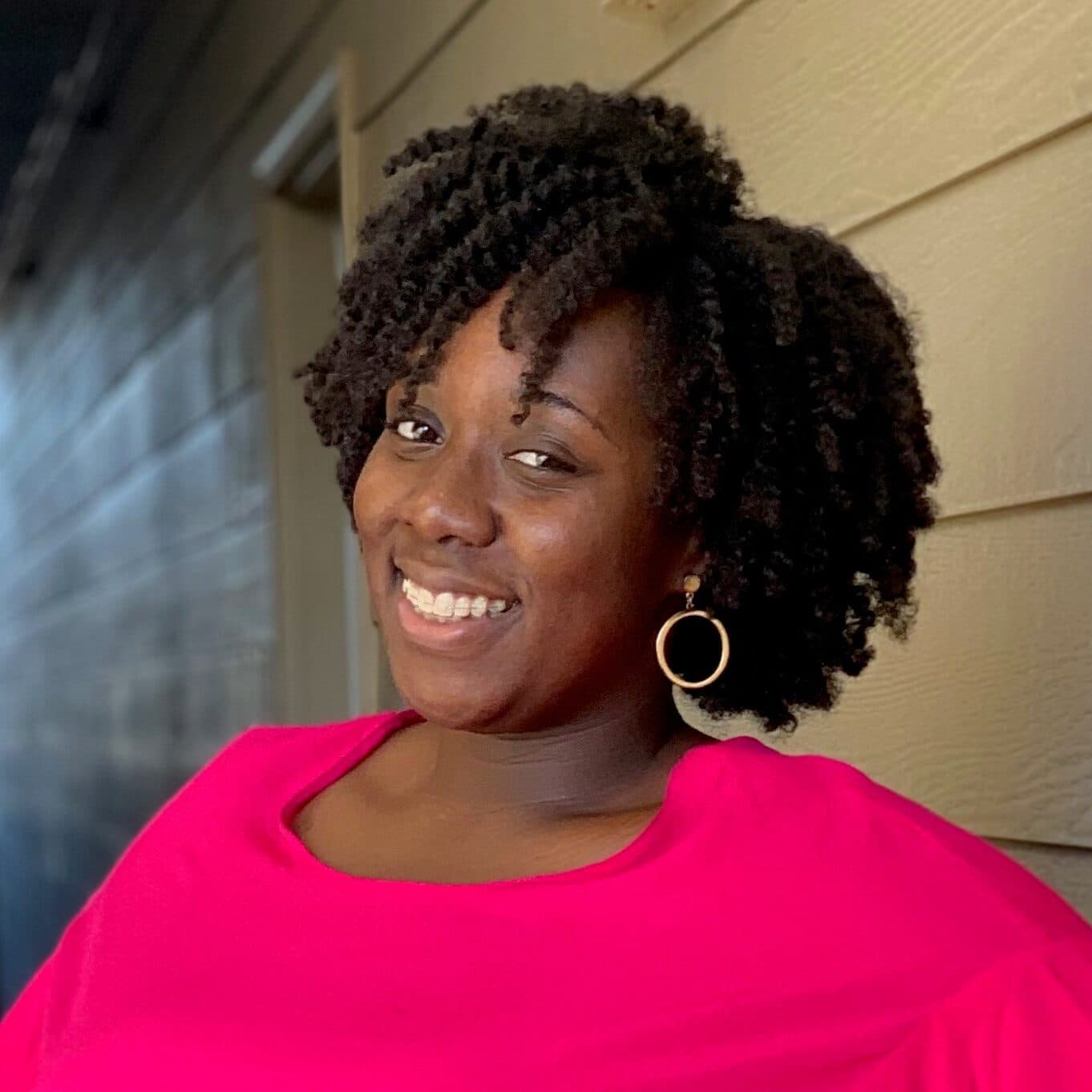
Bianca Lynch
Bianca Lynch, this episode's guest, a self-employment career coach.
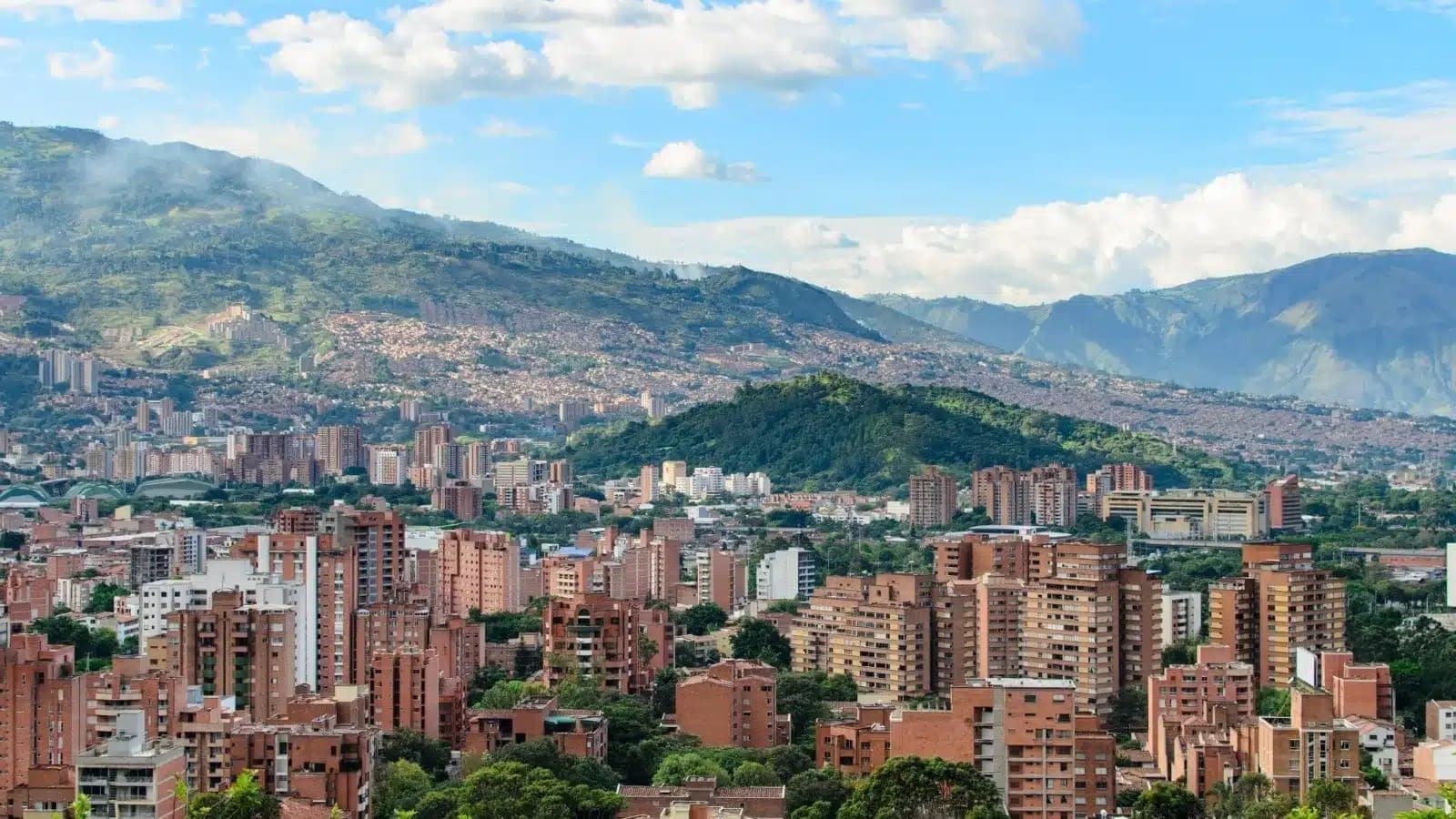
So you want to move to Colombia
Bianca names Colombia as where she would settle, and she and her husband lived there on about $3,000 to $3,500 a month.
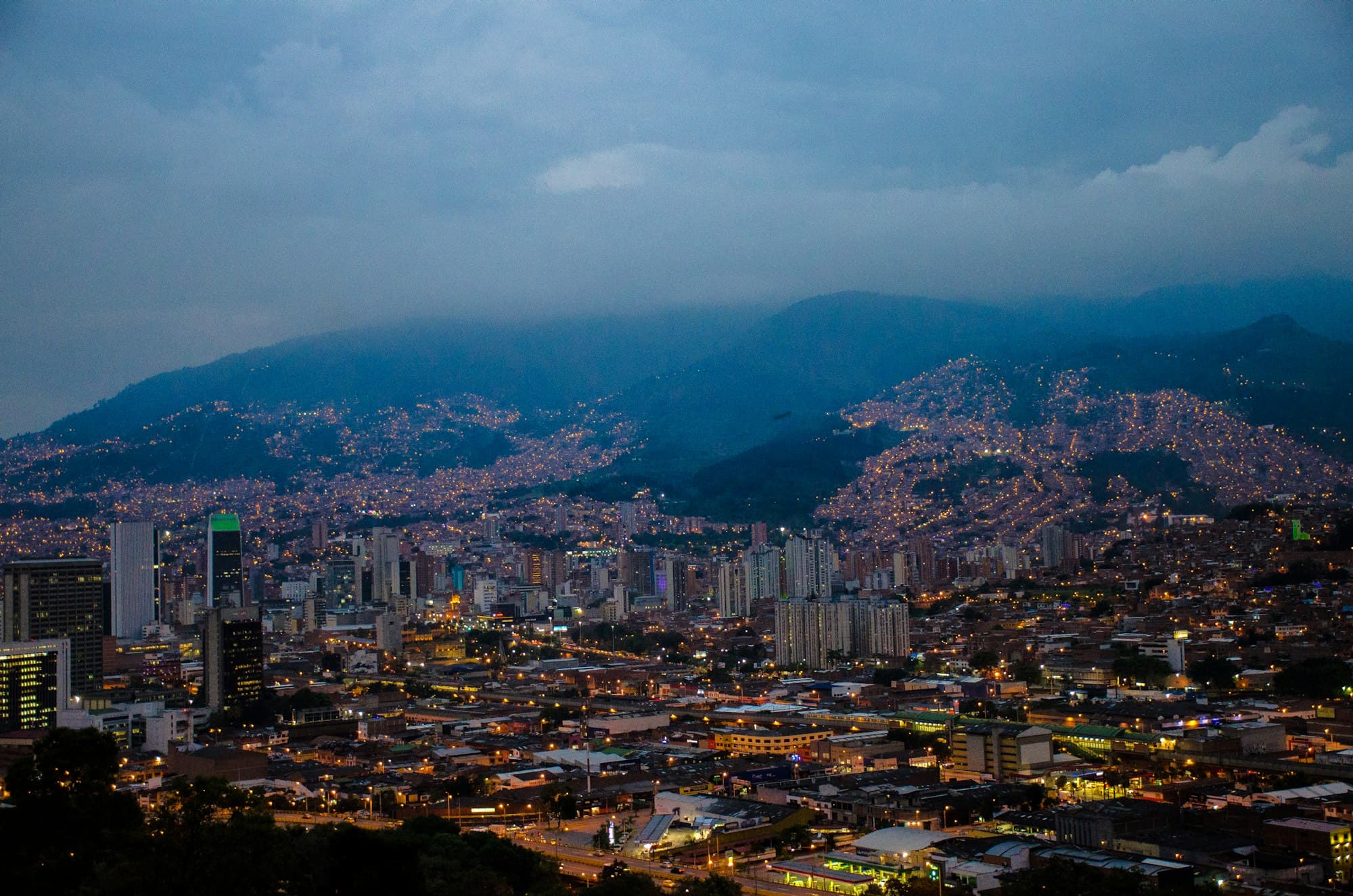
Work remotely from Colombia for up to two years
The visa route for remote earners like Bianca in Colombia, the country she would pick to settle in.

Starting Your Expatsi Digital Nomad Business
Bianca funds nomad life by turning skills she already has into a business.

Expatsi Guide to Expat Jobs, Digital Nomad Jobs, & Working Abroad
Jen explains which careers find jobs abroad and why soft-skill workers do better starting a business.
Transcript
Transcript is auto-generated and lightly corrected; it may contain errors.
Read the full transcript(6,417 words)
English speakers are still a novelty here. And of course, I had two cats who basically destroyed their carriers on days one and three. There was a lot of discussion to make sure that we were aligned and that we were doing it for for similar reasons. What are the visa paths? Are you running towards something or are you running away from something? And then what?
I can't believe we're finally here. This is Americans Abroad. Welcome to this week's episode of Americans Abroad. This week we're talking to Bianca Lynch about moving abroad, running your own business, and maybe traveling and doing things a little different than what people expect. Jen, I want to focus on working in your own business. For a lot of us, that has been the pathway to to move abroad.
Talk to me a little bit about how you decided to start Expatsi as your pathway to move to Mexico. Well, you know, I have such a long more that I'm not going to get into about wanting to move sooner. But the elevator pitch, Yeah, Yeah, exactly. When I was working, I was working at a software firm and they acted like they were going to let me work abroad, like it was no big deal. We've been remote, you know, all through pandemic and and stuff like that.
And then they changed their mind. But the thing of it, I, I've worked for myself a number of times. I've started businesses in the past and I also freelance. And the truth is I have always been happier freelancing unless I'm in an office I really love. I do, I actually, you know, I'm Gen. X and I really do like having coworkers that are buds and stuff like that. But the truth is once you move up the ladder, you get less buds as it is.
I, I really like being a worker bee. I would be a worker bee for the rest of my life if I knew it was guaranteed and I did and have to stress and I could afford Renton eight, I would be perfectly happy. Put me in an Amazon warehouse. I don't, I do not care. But as you move up the ladder so that you know you can pay rent and eight, you have less socializing.
So there was less of that to miss. But the big thing was I realized that all I had to earn for us to live in Mexico, well, was $3000 a month together, me and Brett. And so I just did the math and I was like, okay, well, you know, what are 10 things we could do that would earn $300 a month?
And that's just a very different puzzle than, Oh my gosh, at I guess we were 46 or whatever when I started this whole process. I'm 54 now then going and finding another head of marketing job at another software firm that isn't going to discriminate against me because of my age or or frankly that I don't know all the latest young tools and stuff, which to me is not discrimination.
That's just like and then they were going to let me move abroad and I like I just the odds of that happening to me were were very slim. I also, for me, the right decision was not to stay with it and retire on time. I have a personal reason for that. You know, retirement these days is 6567.
My mom dropped dead cold at 70 and you know, she was, you know, fit, healthy, lived a very young acting life. My bio dad died a couple years later. And the thought of not starting my life until I was 67, you know, listen, nothing's guaranteed. I could die tomorrow. I could live to be 112. But the idea that I might get three years of.
Living the dream. Yeah, that just was not acceptable. Now, to be clear, right now, today I work 14 hours a day, seven days a week. It is no picnic, but I love what I do. I know it's not going to be like this forever, or so I tell myself. And it feels so much more like, so much more enjoyable because I'm doing something I care about. Yeah.
You yourself have worked for yourself for a really long time. How did you get started? Yeah, so right before we started this plan to move to Portugal, I worked in the real estate space. You know, started off as a regular real estate agent after working for a minute air quote a corporate job. I worked for a company that produced trivia events all across the US and Canada. But even then it was like this small, small team, The position didn't exist until they created it for me. And then I was like, I want to do something new. And so I was like, cool real
estate. I was about to turn 40. It was like a midlife crisis thing. Got my real estate license, not only survived but thrived. And then started getting into training and coaching real estate agents. And so that's what I was doing immediately before moving to to Portugal. In fact, that's what I was doing on the scouting trip, was meeting with real estate agents, helping them with business plans. I love starting businesses.
I love incubating things. I could not restart my business every year. So now I get to live vicariously through the agents that I was coaching. And that was going to be the plan. And very much like you, it was OK. I don't need, not only do I not need as much money as I needed in the USI didn't need to live in the space that told me you have to make the most or you have to be top of your game or you have to hustle murder. It was just, I just need to have
the, the number of clients that's going to like, let me do my thing and then get out of the US and maintain those clients. But I don't have to feel like I have to compete in the same way. And, you know, mentally, I think just being in a new place. So it was, it was not only the financial shift, but also the mental shift of like, I can just slow down and not have to grind to beat out everybody else and like, what are we competing for?
But yeah, like you said, I've been worked for myself in some way, shape or form or freelanced or, you know, again, worked on a small team where I was doing development or operations. And it is so freeing to know that when you are working for yourself, especially when you're looking to make this big change of moving abroad, that it really is up to you not having to beg an employer. Can can I move abroad?
How many time zones away can I be? Do I need to travel back to the US? You get to do it on your own terms. And I think that's something that those of us who are in this process of moving or have made that move, weird folks who like to do things on our own terms. Oh, for sure, we.
Would we would still be at home with the family and the dad who's like, but you're going to be so far away. And I'm like, yeah, but this is my life. We are very much these these independent, taking calculated risks and willing to do things because it ultimately benefits us in in a big picture sort of way.
So I think, you know, that entrepreneurial mindset is the same sort of mindset that gets people to take those steps and take that risk and do something new and not know what the outcome is really going to be, but still enjoying the journey along the way. That's so well said. It's it's true. There is definitely a lot of overlap between having the the personality to do this and having the personality to be able to start your start your own thing. What do you think are some of the traits that people who are entrepreneurial have?
I think deep down we have a little bit of a, what's the worst that could happen? If it doesn't work, we pivot. If it doesn't go according to plan, we make a new plan that we recognize that nothing has to be permanent and forever. And the decision that we make today doesn't have to be the decision that we lean on a week from now, a month from now, a year from now, 10 years from now to know that there's always another option, that there can always be a Plan B, that we can always change our mind. And so I think a number one
with, you know, starting your own business, running your own business. We saw it during COVID, I mean, man, real estate and COVID, we couldn't show houses anymore. We, I, I couldn't do training in person anymore. So we just go, OK, well, we just do it a different way. And yeah, we may get a little rattled, but we find a way.
And same thing with moving abroad. Laws change, rules change, you know, just timelines change. We go, OK, well, I'm just going to maneuver around it. I'm going to find it a different way to climb over this wall. So I think that definitely goes hand in hand. Just being agile and and being adaptable is a #1 the most important thing. Yeah, absolutely.
I mean, we do that five times a week. Onyx, Matsy. Let's try this. Let's see what happens. If it doesn't work, we do something different. It's OK, sometimes we come. Up with ideas. Sometimes we come up with ideas so fast we don't remember what the last idea was we were working on because we go through them so fast.
Because you really do have to do trial and error. And I think that there's you have to be kind of curious. You have to find it fun. I don't know that people who are really, really great at being corporate that it's right for them. But I, I think that there are other, other channels that they can pursue.
I would be remiss, I think, if I did not mention that if you are somebody who wants to earn remote income and pursue this path, you can now do it with Expatsi. We yeah, we have a new partner program. You can find it at expatsi.com/affiliate. And basically the way it works is we are going to teach you how to help people move abroad. So if you are a financial planner, a realtor, a travel agent who meets people at those points of transition, or if you just are somebody who's influential in your parents group or what have you, then you
can recommend our services, our scouting trips or relocation options, our event tickets and things like that. And absolutely support yourself by doing that. So we built this program because we want more interpersonal relationships at Expatsi. So, you know, obviously you can come to our site, you can use our platform, you can use all the tools, you can be very DIY about it, but a lot of us want somebody that we can talk to that we can e-mail or call on the phone. And so by creating this affiliate program, we are creating those people that you
can call on the phone, but also we have so many clients who want to set up remote sources of income. And so to us, it seems like kind of a kind of a win win. So if you want to know more about that, just visit expatsi.com/affiliate. Are you? Thinking about moving abroad but you're not sure where to start?
Join us at Move Abroad Con. It's a 2 day event where you'll meet experts, get your questions answered, and leave with a real move abroad plan. It's happening May 9th and 10th in San Diego, CA. You can learn more and grab your ticket at moveabroadcon.com. We'd love to see you there. This week on Americans Abroad, we're talking about working abroad and how to support yourself with your own business.
And so we wanted to have Bianca Lynch. I met Bianca because I was quoted in a little NBC News story that Bianca was the huge star of. And we got to know each other after that. And she's even been on one of our scouting trips. And I'm so excited to have you here. Welcome, Bianca. Thank you. I'm excited to be here. It's always fun.
It's always fun to chat with Jen and Steph. I'm here for it. Nice, So how did you decide to move abroad? Yeah, So a funny story, I was actually in Paris on AI, think it was my 31st birthday trip and I was doing AI was doing a tour, it was called like exploring Black Paris or something like that.
And the person who was leading the tour, he was actually he was like half Jamaican and then half American. And we were talking about the differences in living abroad versus living in the States because I already had a taste of living abroad because I did a four month program with the company that no longer exists called Remote Year, which I know you know about Remote Year. So yeah, we were just talking about the differences. And at the time, me and my husband were actually thinking about living in Florida.
So I literally dammed him on Facebook out of nowhere. And I was like, I think we should consider moving abroad instead of moving to Florida. And he's like all cabs, like what? And I was like, can we keep it open? And he was like, OK, we can keep it open. And I was like, oh, bet once he's once he said we can keep it open.
I just, I knew. And because I'd already I'd already experienced living abroad before, we knew that at some point we wanted to travel together. And it's not like things in the States were getting any better. So we were just like, what are we waiting on? So. Something that you do uniquely is you bounce around a little bit.
You know a lot of our audience when they think of moving abroad, it is what is the next place that I'm going to live for the next 5-10, fifteen, maybe the rest of my life. So why did you choose to be sort of a serial nomad instead of settling in one place? So one thing that I love so much about the fact that Expatsi does scouting trips is because I am one of those people who firmly, firmly believe in visiting a place before you. And I'm air coding permanently because I mean, what's really permanent, but you know what I mean? Before you permanently go
somewhere. So I feel like not in all places, but in a lot of places, you know, US Americans do have a reputation for not respecting other cultures. And I feel like a really big part of that is because a lot of us are really spoiled and we have a lot of little conveniences in the United States that we take for granted.
And sometimes we go somewhere else thinking that we are entitled to those. And then when we whenever we don't get those, we react right. So I feel like it's really important to go to a place and actually see how it feels, not just reading about the weather or the food or you know, the, the music or whatever, but actually seeing how you feel there before you make that move. And then the fact that I just wanted to travel more and there were a lot of places that I wanted to go to. And at that point I was like,
the world is our oyster. And that's what I really, again, that's why I love the idea of taking a trip first, because once you go to a place and you actually are experiencing what it's like, you recognize I can go anywhere like I can, Like I can truly go to all of these countries and see what this life is like. I'm curious, you know, you mentioned that you were in Paris and you messaged your husband like we should live abroad. Was that the plan from day one of let's just explore and figure out what this is going to look like? Or initially, were you thinking
that you would settle in one place? No, we were definitely thinking that we were going to travel. Like we actually thought we were going to do a country a month for a full year. And then, yeah, two months. And we were like, OK, four weeks goes by a lot faster than you think it does. But yeah, we we knew that we wanted to be nomadic for at least a year.
And then our original plan was to pick a place to spend at least a year. That was the OG plan, you know, plan shift. But yeah, so we knew we wanted to at least start off looking around, but we did also have plans to be somewhere at least somewhat settled for a bit. OK, so where all have you stayed and what's your favorite and your least favorite? Since 2024, which was actually when we left, we have been in Brazil, Spain, Vietnam, Thailand, Japan, China, Panama, Colombia, Mexico and Indonesia.
Was that 10? OK, OK, I got it right. Yeah, a lot of places, but not the same amount of time in all of those places. But my my top, it's really hard to say my favorite. Like Mexico is my favorite country, so I feel like I'm always biased to Mexico, but Mexico, Colombia and Thailand are definitely my top three.
So I just feel like those three countries for the rest of my life, like y'all go see me, I'm going to be there. OK, Like I don't know how long I'm going to be there. I don't got the days, but I will be there. As far as my least favorite, I mean, I don't think I'm not. So I'm probably going to shock a few people, but probably Panama.
I think, I know I really expected to fall in love with Panama and there are a lot of things I did I do love about Panama and I and I did have a lot of really good experiences there. But compared to the other places I went, honestly it was a bit lackluster to me. So do you find that there are better places than others for black nomads? Yeah, absolutely.
I think that it really depends on what it is you're looking for. So what I always tell people is like, OK, there's to me, there's two aspects of being black and abroad, right? Like you have being black and from the US and then you have being of African descent, right? Like these are those. Well, one can argue they're the same, but I know you know what I mean, right.
So you take a country like Colombia, for example, one of my favorite country. So there are a lot of black people from the United States in Colombia, like they're living abroad, right? So you have that aspect of like Black American culture, which for me personally, that's not something I'm willing to give up if I'm going to stay somewhere long term, my opinion. But then on the other hand, you also have Afro Colombians. So whenever I'm there, it's like I'm also hanging out with Afro Colombians and learning more about what it's like to be a black person living in Colombia
from Colombia. So I think it really, again, again, I think it really depends on what you're looking for. Like you can, you can have the best of both worlds, but you can also go somewhere like Mexico or Thailand where you know you may not find as many people with like African descent, but you will still find black people from the US so that you don't have to give up. You don't have to give up black culture. I love that.
So what on earth do you do to afford this lifestyle where you have lived in 10 countries since 2024? And how do we all do it? Yeah. This is probably the number one question I get in terms of in terms of travel and living abroad. So I am a digital marketing entrepreneur. There's a couple of things that I do watch it.
There's more than a couple of things that I do. But primarily I sell digital products and I do affiliate marketing. So those are my top 2 income streams. Those have been the top 2 most consistent over the past several years. Was that something that you were doing before, before you started to travel or was that starting this affiliate and digital sales? Was that your pathway to travel?
Talk to me about that timeline. Yeah. So it was something that I was doing before I was traveling, but I was doing it under like a different brand. So the she's booking the flight brand that started that started pretty maybe like September 2023 and then I started talking about, you know, 40 days until I move abroad in like November 2023. So I wasn't doing the exact things that I'm doing right now, but I have been in the digital marketing space for some time now.
So how did you get into all of these paths and you were in a corporate job right before you started this. So what was that decision like to leave a corporate job? And then how did you, some people are entrepreneurial and some people are not. How did you go about finding things like to be an affiliate, even the concept of being affiliate and then how did you go about setting it up?
Like, would you walk us through a little bit of that process? Yeah, absolutely. So I learned, I'm trying to think of the first, I would say the first time was probably 2017, whenever I learned that you can literally leverage skills and experiences and stories that you already have to earn money. Whether that is taking a skill that you learned in a corporate job, any, any job, whether that is something that you've gone through personally, you can take these things and you can turn it into money because we all have something to teach someone else. So I remember whenever I was AI
was a social media manager, This was like my first ever big girl job. I was in a software company. This was like 2015. And whenever I was, I was just like out living my regular, regular life. I was going to the dentist and, you know, getting my oil change, getting my hair done. And, you know, you're just talking to people and you're in the US when people ask you what you do, because you know, that's what we do in the US.
And when I, whenever I would say social media, I started to notice people would get kind of like a panicked look on their your face. And I started to see this pattern and recognize that like small business owners struggled so much with social media. And I remember like one person being like, Oh my God, can you help me?
And I just remember thinking like, yeah, sure, you know what I mean? Like it didn't even really, it didn't really dawn on me that, okay, this is actually something that can be a business until it kept happening. So that was the first time that I took a skill that I had from something else. And then I turned it into a business because then I became a social media consultant and then I started repeating that process.
Then 20, 20, a matter of fact. Well, 2020, we know what happened in 2020, right? The world fell apart and everybody was gaining the COVID 15. I lost weight. I was losing weight during the pandemic. So, yeah, so I started, I started teaching people how to lose weight without going to the gym because of the, because of COVID, I wasn't traveling as much. I ended up saving a lot more money. I paid off almost $20,000 worth of credit card debt. So I was teaching classes on how to pay off your debt. So I, I literally just kept
repeating this process of like Bianca, there are things that you're doing, there are things that you're living, things that you're learning and you're turning it into income. Bianca So there's something so interesting about this to me. You know, my background is marketing too. We have similar, similar skill sets. And one of the things about thing and marketing or other kinds of soft skills is that it is pretty hard for us to find jobs abroad. It's hard to convince a company in Rwanda that I'm going to be better at marketing to Rwandans than a Rwandan is. That's hard to do.
Whereas STEM, STEM careers are much easier healthcare and programming and things like that, plus like construction trades, but, but people with soft skills, in my opinion, are much better at starting businesses. So I think that that's something that people forget when they talk about this. So I love the fact that you're returning just like every single thing.
Sometimes I think about that, you know, like I'm a big meal planner and I think, you know, if I ever get done with Expatsi, I'm going to teach everybody how I do my meal planning and things like that. And I love that. I love that aspect of what you're doing. Yeah, so. We hear over and over I would move abroad but I have no idea how to support myself.
Or I would move abroad but I don't know where my income is going to come from. So what would your recommendations be, or what advice would you give to someone who's in that mindset? So I would say honestly, start where you are. I think that so many people overwhelm themselves and I have been guilty of this for many, many years. And we, we do this thing where we, we jump in and we think, OK, it's going to be like, OK, 1 + 2 = 3. And I'm going to start this Business Today and then tomorrow it's going to be profitable.
And I'm just going to go sell these things. And it's like, OK, just pause. OK, pause. Start where you are. Don't overwhelm yourself by thinking that you got to go start spending $1000 a month in different texts and tools and that you have to go, you know, do all these crazy things start with what am I known for?
What do people already ask me for advice on? What products and services am I already using that I gush about to my friends and family without even being paid for it? Like what are skills that I've gotten at my previous jobs? What are skills that I've gotten outside of my job? Like just start where you are and just kind of allow your own creativity to start thinking about something that can be enjoyable for you. And then once you have, once you have that in mind, that's when I would really start looking into data, right? Like this is when I don't even
recommend do it. Do not get on social media before then overwhelm yourself. But once you kind of have a few ideas, then, you know, start doing some light research, you know, like, oh, you know what, I was an accountant for years. Maybe you go look up, you know, personal accountant and you know, you start doing some, some light research, but you have to you have to be willing to throw spaghetti at the wall and be willing to fail. And I'm not going to turn into like a motivational speaker, but I'm just, you know, be I'm just be real about it, OK, Like entrepreneurship.
It's not it's not a walk in the park. Like it takes resilience, it takes time, it takes consistency. A lot of times it takes tears and frustration and and wanting to quit multiple times a week. But you have to really ask yourself, what kind of life do you want? Like for me, I got to a point where I was like my time. Freedom is the most important thing to me. Like, to me asking somebody permission to take off work is the most ludicrous thing to me now. Like I, it's really hard for me
to wrap my brain around it, even though that was a very normal part of my life for a long time. So you have to know your why, and you have to remember. You have to remember your why whenever you're in it. So Bianca, you help people do this on our platform on its Patsy Go so people can book time with you and build out their own their own online businesses.
One thing I think that people don't realize is that they don't have to earn their US salaries to make all of this work. What do you think? I know it's a huge range, but what do you think? People need to have a goal have as a goal for earning before they start to pursue a lifestyle like. This so I feel like $2500 a month is this is like the middle ground and it and of course, as you know, it depends on where you're planning to go, right.
If you're going to be moving to Indonesia, that's going to look very different than if you are, you know, moving to France, right? Like obviously you're going to need to think about what the cost of living is. But based on what I've seen, I have seen people living very comfortably off of $1000 a month. And I've also seen people living more so around 3035 hundred, which is, which is more. So we're like me and my husband were whenever we were in, whenever we were in Colombia.
So that's kind of that's kind of the sweet spot. Like I tell people like you really to me, and especially if you're talking about starting your business, your initial goal, you really want to get to like 2020 five, $100 a month consistently. If you are someone who's like, I want to make sure that I'm comfortable before I leave.
Have you ever thought about settling down? I know initially it was one year and one year has turned into two years, but would you ever settle down in one place? And if you had to choose today, where would you choose? When I ever settle down, yes, I guess the short answer is yes. It's just people start to say words like forever.
And I'm like whoa, like I don't like that's, that's a little far fetched for me. But when I settle down, the short answer is yes. I mean, as much as I have enjoyed moving around, like there's advantages and disadvantages to both. And you'd be surprised at how much you miss things like a kitchen full of your own seasonings whenever you are constantly moving around so much. So yes, it absolutely would settle. If I had to choose today, it would be, it would be Colombia, 10 out of 10.
But I promise you, Mexico is such the runner up. Like, it's like Mexico is right there. But yeah, if I had to choose today, it would be managing. Bianca, thank you so much for being here. Liz, I understand that about the spices so much. That's so funny. Thank you so much for being here with us today and for sharing what you do, how you do it, and how you can help other people do it too.
Thanks so much. Absolutely. Thanks for happy Bianca. Jen, do you know what time it is? Should I stay or should I go now? What happens if we do get trolled? Should I stay or should I go now? How can anyone even say that this is a real song? If I go, there will be trouble. La La La La La La and if what? Maybe it's a cover.
We just do a key change. Exactly. So we've talked a lot today about supporting yourself abroad and we actually had somebody write in asking about working abroad. They asked, I would be interested in hearing about the job market in Mexico. What types of roles are in demand? What types of roles are over saturated? Does expats ego have any partnerships that work with expats on their job search? Jen, can you just talk a little bit about working abroad and maybe looking for a more traditional job when moving abroad?
Yeah, so scaled work paths is definitely the way that most 25 to 54 year olds move abroad unless they are already self-employed or have work from anywhere income of some kind. A lot of people don't, you know, they work in very go to the office roles or they are, you know, have been long time corporate cogs or government workers.
That's really common too. The first thing I just want to point out is that, you know, I have that framework. We talked about it on Sundays in our weekly webinar on You can move abroad, but there are wealthy countries, middle class countries and impoverished countries. And in most cases, if you're looking for a job, you need to look to the wealthy countries, Canada, Australia, New Zealand, UAE, Singapore, South Korea, Japan, the Nordics, whatever.
These countries have huge economies and tons of money and aging populations. And so they want you to come in and work and pay into Social Security. And there are a lot of roles, middle class countries, lots of Latin America, Southern Europe, Eastern Europe, parts of Africa, lots of Southeast Asia. They need capital. So they have younger populations.
And you know, a lot of most countries are in decline, but they still have much younger populations. And what they want is for people to come in, not take a job, but bring their remote work income, their investments, their retirement income and pay into the economy so that those jobs can pay more for locals. So I throw that out there to just mention that I would not look for a job in Mexico.
It is unlikely that you are going to find something in demand that a Mexican person cannot do. There may be some shortages here and there, but I I would not presume that I could find a job in Mexico. If you wanted to work in Mexico, a better option would be to work for an American company that has offices in Mexico.
So, for example, if there was a company that had offshoring or manufacturing and you could get a role there that bridged the gap between the US and Mexico and they needed an American to do it for whatever reason. But you would need to be fluent in Spanish. There's no question about that whatsoever. So it comes to learning languages when you are not earning your keep in that language, you can kind of take your time and muddle through and and take classes and play Duolingo and whatever.
But if you have to earn your living in that language, that's just non negotiable. You've got to, you've got to learn it. Just like people who come to the US and have to speak English in their roles have to learn it as well. In terms of helping people with their job search. This is a big future goal of ours. It is challenging and here is why. There are 194 other countries and who knows how many job roles.
Almost infinite. And so people will often come to us and say what countries are hiring massage therapists or audiologists or whatever else? And it's like like if there's just no one on earth who could tell you the answer to that, especially with the minute by minute changes. So instead we have a process to help you become an expert in finding roles that you need. I teach the process every Sunday. I it's called move abroad action workshop. And what I do is I take a small group and some of them are looking for skilled work.
Some of them are not some everyone has different questions, but we work through some of these in depth questions. I do it at what time, Stephanie, like 3:00 PM Eastern, 4:00 PM Eastern, correct reason. And it's 2 hours when we work on that together. But Long story short, you know the the goal is to narrow you down to some countries that are wealthy.
It does matter what your role is and you don't mention that and talk about what those pathways are and then help you pursue those lines. Now that said, you know, Expatsi is ambitious and we hope to offer more ways to help people work abroad in future, but that is going to be a gargantuan undertaking that would start in 2027 at the absolute earliest. If you want to attend Jen's Move Abroad Action Workshop, you can find it at expatsi.com/events.
If you have questions that you want us to address on the podcast, you can e-mail them to podcast at expatsi.com. Americans Abroad is an Expatsi production. Please like, share, subscribe and leave a review. Are you thinking about moving abroad? Start with our quiz at expatsi.com. That's EXPATSI. Dot com.
Not sure where you’d go?
Take the free Expatsi test to see which countries fit you, then come back and listen to the episodes about them.